


 Português
  English (UK)
  Русский
  العربية
  日本語
日本語  한국어
한국어  Magyar
  Türkçe
  Español
  Čeština
  Svenska
  Ελληνικά
  Suomi
Suomi  Nederlands
  Română
  Italiano
  Français
  Polski
  Українська
  Deutsch
  简体中文
简体中文  Slovenčina
 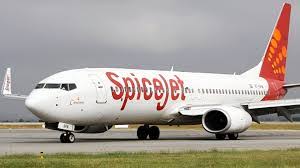 SpiceJet Prepara-se para um Impulso de Inverno Após um Revés no Q2 FY26">

Financial and Operational Overview of SpiceJet’s Q2 FY26
SpiceJet reported a consolidated net loss of INR 447.7 crore (excluding foreign exchange impacts) for the second quarter ending September 30, 2025. This marks a slight increase from the prior year’s Q2 loss of INR 424.26 crore. Several factors contributed to this financial challenge, including subdued seasonal demand affected by the monsoon period, the depreciation of the Indian rupee against the dollar, and the costs associated with grounded aircraft that required restoration to service.
Despite these headwinds, the airline managed to maintain a robust Passenger Load Factor (PLF) of 84.3%, signaling ongoing strong customer interest. The metric that tracks revenue generated per available seat kilometre (RASK) improved modestly to INR 4.04 from INR 3.91 a year earlier. However, earnings before interest, taxes, depreciation, amortization, and rentals (excluding Forex), or EBITDAR, recorded a negative INR 203.8 crore, reflecting higher operational costs than in the previous year.
Fleet Expansion and Route Development
Amid financial headwinds, SpiceJet undertook an aggressive strategy to revamp and expand its fleet, finalizing lease agreements for 19 aircraft and bringing two previously grounded planes back into operation. The airline aims to more than double its active fleet for the coming winter season and increase its available seat kilometres by threefold, signaling strong confidence in recovering travel demand.
This growth comes alongside an increase in daily flights to 250, more than double their summer schedule, and the launch of new international connectivity with the introduction of nonstop flights to Najaf, Iraq—a first for an Indian carrier in this market.
| Key Metric | Q2 FY25 | 2.º Trimestre do AF26 |
|---|---|---|
| Net Loss (INR Crore) | 424.26 | 447.7 |
| Fator de Ocupação de Passageiros (%) | Not specified | 84.3 |
| RASK (INR) | 3.91 | 4.04 |
| EBITDAR (INR Crore) | -58.87 | -203.8 |
Financial Restructuring and Credit Upgrades
In parallel with operational strides, SpiceJet undertook significant financial restructuring to strengthen its liquidity and flexibility. A settlement with Carlyle Aviation Partners resulted in a liquidity infusion of approximately $89.5 million—this included unlocking maintenance reserves and credit lines that had been held as collateral. Additionally, a complete repayment of $24 million owed to Credit Suisse enhanced the airline’s financial position substantially.
The positive impact of these financial moves is underscored by credit rating agency upgrades, with Acuité assigning a ‘BB Stable’ rating and CRISIL moving the airline’s rating to ‘A4+’. These affirmations reflect market confidence in SpiceJet’s capacity to raise capital and realize its recovery plans.
Operational Excellence and Partnerships
On the operational front, the airline has achieved a commendable safety record, recording zero Level 1 findings in the Directorate General of Civil Aviation (DGCA) audits over the past twelve months. Building global reach, SpiceJet signed an interline agreement with Gulf Air, expanding its international connectivity and offering passengers smoother travel options across multiple carriers.
Historical Context and Industry Perspective
SpiceJet’s trajectory reflects a broader trend in Indian aviation where airlines frequently face complex challenges, including fluctuating fuel prices, currency volatility, and variable domestic and international travel demand. The Indian aviation market has seen dynamic growth over the last decade, with a surge in middle-class air travelers and a steady expansion of regional connectivity. In recent years, capacity enhancement, fleet modernization, and improved operational efficiency have become crucial to staying competitive.
This proactive approach by SpiceJet—doubling its fleet size and aggressively expanding routes—aligns with historical industry tactics where airlines ramp up capacity in anticipation of peak demand seasons, such as winter months, which often see increased travel for holidays and business.
Given India’s position as a rising hub for domestic and international tourists alike, this fleet expansion could strategically position the airline to capture growing demand, especially in emerging destinations and under-served international routes.
Looking Ahead: Implications for Tourism and Boating Enthusiasts
As aviation connectivity strengthens, it directly benefits tourism sectors, including coastal and water-based destinations where leisure activities like yachting, sailing, and marine tours flourish. The ability to efficiently access new and existing markets encourages more travelers to explore beach resorts, marinas, lakeside retreats, and other waterside escapades. For sailing enthusiasts and those interested in yacht charters, improved flights mean easier access to prime waterside destinations, enabling greater freedom to rent boats or superyachts and participate in varied boating activities.
Winter travel surges particularly benefit regions with attractive boating scenes, as travelers seek sun-drenched coasts and clear waters. Airlines like SpiceJet expanding their fleet and routes can catalyze growth in marine tourism, supporting local economies around gulfs, coastal cities, and renowned blue-water spots.
Conclusão
SpiceJet’s Q2 FY26 financial results underline the airline’s current challenges, but their bold steps to enhance fleet size, increase capacity, and expand routes indicate a strategic push toward robust growth. The company’s financial restructuring and operational improvements pave the way for a winter season marked by higher flight frequencies and new destination launches, potentially transforming passenger experiences.
This progression is not only significant for the aviation sector but also resonates across the broader tourism industry, including the maritime and boating realms. Greater air connectivity supports tourism inflow to beaches, marinas, and lakes where yacht charters and sailing adventures are thriving.
For travelers and sailing aficionados eyeing new horizons, enhanced flight networks simplify access to water-based destinations the world over. To explore a diverse range of yachts and boats for rent across these flourishing destinations, GetBoat.com stands out as an expert marketplace offering options that cater to every taste and budget. From superyacht charters to casual boating excursions, it is a vital resource for those looking to dive into aquatic adventures fueled by increased global connectivity.