How Fast Hypothermia Sets In and What Renters Should Know
Alexandra
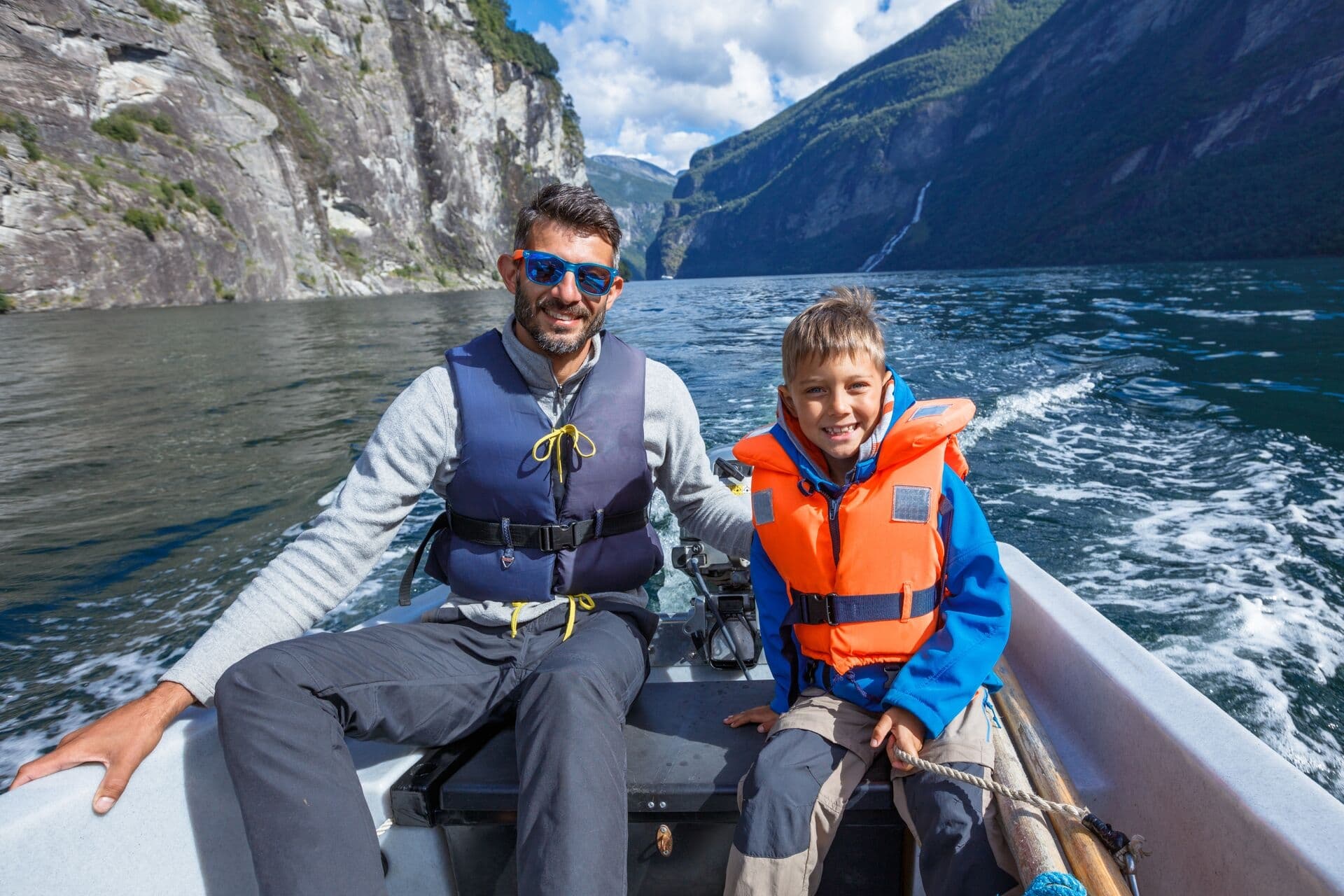
When a man-overboard alarm sounds and the nearest rescue craft is 15–30 minutes away, a person in 50°F (10°C) water can reach dangerous hypothermia within the time it takes to untie the stern lines — a stark reminder that maritime logistics and response times directly determine survival windows.
How water temperature and response logistics interact
Water temperature is the single biggest factor for how quickly core body temperature drops, but transport and rescue infrastructure — distance to the nearest tender, availability of a tender on charter yachts, and marina response protocols — shape real-world outcomes. On-day charters, where passengers are unfamiliar with safety routines, delay in retrieving and treating a casualty can turn a survivable exposure into a life-threatening event.
Quick reference: temperature vs. time to hypothermia
| Water Category | Typical Range | Estimated Time to Hypothermia |
|---|---|---|
| Warm | 70–80°F / 21–27°C | 1–2 hours (mild) |
| Cool | 60–70°F / 15–21°C | 1–2 hours; worsening after 2–3 hours |
| Cold | 50–60°F / 10–15°C | 30–60 minutes (risk of severe effects after 1–2 hrs) |
| Very cold | Below 50°F / 10°C | 10–15 minutes to hypothermia; unconsciousness possible within 30 minutes |
Stages and symptoms to monitor
Hypothermia develops along a continuum. Prompt recognition onboard a charter or rental boat is critical.
📚 Você também pode gostar
- Mild: violent shivering, cold extremities, slight confusion, clumsiness.
- Moderate: decreased shivering, slowed speech, lethargy, impaired coordination.
- Severe: inability to respond, shallow breathing, weak pulse, risk of cardiac arrest.
Why the first few minutes are decisive
In practical terms, the first actions after recovery from the water determine outcome. Even if a dock or marina ambulance is minutes away, the onboard crew must stabilize core temperature and prevent further heat loss. In real-life charter operations, captains who drill their crews on quick extraction and warming often prevent escalation — as the saying goes, every second counts.
Onboard response: the 1-10-1 concept adapted for skippers
The mnemonic helps prioritize actions when someone falls into cold water. For charter operators and renters, adapt it to your gear and crew size.
- 1 minute: Get the person’s head above water, secure a lifejacket, and stop major water ingress — aim to keep airway clear.
- 10 minutes: Prevent cooling of the chest, neck, and groin. Use blankets, dry clothing, and close contact if safe to transfer body heat.
- 1 hour: By this point, seek professional medical assessment even if the person seems recovered. Core temperature can continue to fall slowly.
Practical steps for captains and renters
Simple preparations reduce time-to-treatment and improve survival odds:
- Keep a throw bag, lifejackets for every passenger, and an easily deployable ladder or boarding sling.
- Store waterproof thermal blankets and dry suits in a known, accessible location.
- Assign a recovery team in the charter brief: helm, retriever, medic, and communicator.
- Practice MOB (man overboard) drills before leaving the marina; rehearsal saves precious minutes.
Training, equipment and charter logistics
From a rental operator's perspective, investing in safety gear and education reduces liability and improves guest confidence. Boater training courses and certified captains familiar with local currents and typical SAR response times are assets for any charter or yacht-for-rent business.
Checklist for boat owners and charter companies
- Lifejackets and thermal/protective clothing in multiple sizes
- VHF radio, PLB (Personal Locator Beacon), and AIS MOB function
- Standardized MOB procedure posted in the cockpit
- Staff trained in basic hypothermia recognition and first aid
Special considerations for rental and yachting operations
Charter guests often expect sun and calm seas, but weather can change on lake or ocean trips. Rental platforms and marinas should include local water temperature guidance and emphasize lifejacket use. For superyacht or sunset charter clients, briefings should cover immediate on-water responses and where first-aid equipment is stored. Remember — it's better to be safe than sorry when you have paying guests on board.
In short, hypothermia risk depends on water temperature but is brought into sharp focus by logistics: distance to rescue, availability of a tender, onboard equipment, and crew preparedness. Quick recognition of mild, moderate, and severe stages, adherence to the 1-10-1 concept, and regular MOB drills make a measurable difference. For anyone involved in yacht or boat charters, beachside rentals, lake outings, or ocean excursions, these measures protect guests and crews alike — whether you're running a superyacht, a Sunseeker day charter, or a small rental boat from local marinas. Prioritize lifejackets, training, and immediate warming to keep sailing, fishing, and boating trips safe and enjoyable.