


 Português
  English (UK)
  Русский
  العربية
  日本語
日本語  한국어
한국어  Magyar
  Türkçe
  Español
  Čeština
  Svenska
  Ελληνικά
  Suomi
Suomi  Nederlands
  Română
  Italiano
  Français
  Polski
  Українська
  Deutsch
  简体中文
简体中文  Slovenčina
 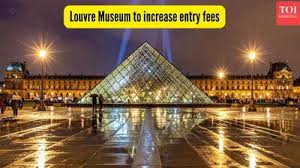 Louvre Museum in Paris Sets New Ticket Price for Visitors Outside EU">

Aumento de Preços no Louvre para Visitantes Não Europeus
O Museu do Louvre, em Paris, vai aumentar as taxas de entrada para visitantes de fora da União Europeia a partir de janeiro de 2024, subindo o preço de 22 para 32 euros. Este ajuste significativo visa financiar renovações críticas após revelações de degradação do edifício e recentes falhas de segurança, incluindo um roubo de joias da coroa de grande repercussão.
Esta caminhada está em consonância com medidas tomadas noutros locais de destaque do património francês, como o Palácio de Versalhes e o Chateau de Chambord, que procuram financiar a manutenção e modernização através do aumento das receitas de admissão. O aumento do custo representa um esforço estratégico para gerar os fundos necessários para restaurar e modernizar infraestruturas vitais no principal museu de França.
Contexto: O Assalto às Joias da Coroa e os Planos de Renovação
As preocupações de segurança aumentaram de forma proeminente após um incidente em 19 de outubro, onde joias da coroa, avaliadas em cerca de 88 milhões de euros, foram roubadas do museu. Este incidente expôs vulnerabilidades e acelerou os planos para uma renovação abrangente e melhorias de segurança no âmbito da ambiciosa iniciativa “Louvre Nova Renascença”.
Este projeto abrangente, retomado após a última grande remodelação do museu nos anos 80, terá um custo até 800 milhões de euros e visa modernizar a infraestrutura, melhorar o fluxo de visitantes e criar uma galeria dedicada à Mona Lisa, com uma data de conclusão prevista para cerca de 2031.
O aumento do preço dos bilhetes afetará especificamente os cidadãos de países fora da UE, exceto os da Islândia, Liechtenstein e Noruega devido à sua participação no Espaço Económico Europeu. O conselho de administração do Louvre sancionou esta alteração no final de 2023, refletindo uma tendência crescente entre os espaços culturais de diferenciar os preços com base na origem do visitante.
Who Will Be Affected?
Em 2024, o Louvre acolheu aproximadamente 8,7 milhões de visitantes, com uns impressionantes 77% provenientes do estrangeiro. Proporções significativas vêm dos EUA (13%), da China (6%) e do Reino Unido (5%), o que significa que um vasto alcance internacional sentirá o impacto desta alteração de preços.
| Visitor Origin | Percentagem de Visitantes em 2024 | Novo Preço do Bilhete (Euros) |
|---|---|---|
| Nacionais da União Europeia | ~23% | 22 |
| Nacionais de Países Terceiros | ~77% | 32 |
Medidas Semelhantes Noutros Locais Históricos
A tendência de cobrar mais aos visitantes estrangeiros também está a surgir noutras instituições patrimoniais francesas. Por exemplo, o Castelo de Chambord, parte do famoso circuito de castelos do Vale do Loire, aumentará o preço do bilhete para visitantes não pertencentes à UE para 30 euros, a fim de financiar reparações urgentes na sua ala real do século XVI, que se encontra em deterioração.
O diretor Pierre Dubreuil enfatizou que, para muitos turistas internacionais, que visitam frequentemente estes locais uma vez na vida, este aumento de preços dificilmente os dissuadirá, sendo necessário para a preservação do património. O Palácio de Versalhes também está a ponderar um aumento modesto de 3 euros nos bilhetes de visitantes não pertencentes à UE.
- Château de Chambord: Restauro da ala real do século XVI com um custo aproximado de 37 milhões de euros
- Palácio de Versalhes: A ponderar um aumento moderado do preço dos bilhetes para visitantes não pertencentes à UE
Perspetiva Global sobre Cobrar Mais a Visitantes Internacionais
A cobrança de taxas mais elevadas a turistas internacionais em comparação com os locais é um fenómeno global – frequentemente usado para apoiar necessidades dispendiosas de conservação e gestão. Nos Estados Unidos, o Serviço Nacional de Parques anunciou recentemente que começará a cobrar aos visitantes estrangeiros uma taxa adicional para entrar em locais populares como Yellowstone e o Grand Canyon, refletindo as pressões de financiamento devido a cortes orçamentais e desafios de pessoal.
De forma semelhante, em África, é comum os visitantes não-residentes pagarem várias vezes mais do que os locais pelo acesso a parques de vida selvagem ou a sítios culturais, contribuindo para os esforços de conservação e para as economias locais. Por exemplo:
| Parque/Região | Taxa para Turistas Estrangeiros (USD) | Taxa para Visitantes Locais (USD) |
|---|---|---|
| Parque Nacional Kruger, África do Sul | 35 | 8 |
| Masai Mara, Quénia | 200 | 24 |
Contexto Histórico e Considerações Económicas
Os sítios de património em todo o mundo recorrem frequentemente a preços diferenciados para equilibrar a acessibilidade com os elevados custos de manutenção de bens culturais insubstituíveis. A estratégia do Louvre reflete uma prática histórica mais ampla em que as receitas relacionadas com o turismo têm apoiado os esforços de preservação e modernização.
Em França e na Europa em geral, os museus e os locais históricos passaram gradualmente de taxas de admissão fixas para estruturas de preços escalonadas que levam em conta a nacionalidade e a residência, impulsionadas pelo aumento do número de turistas internacionais e pelos custos de manutenção altíssimos.
Este desafio interliga-se com a dinâmica do mercado global de turismo, onde a elasticidade dos preços das atrações turísticas influencia os padrões de visitação e os fluxos de receita. Os museus devem encontrar um equilíbrio delicado entre o financiamento da conservação e a garantia de um amplo acesso aos seus tesouros culturais, ajustando frequentemente as táticas de precificação para alcançar um apoio financeiro sustentável.
Previsão: O Que Isto Significa para o Turismo Internacional
À medida que as viagens globais continuam a recuperar e a evoluir no pós-pandemia, muitos países irão provavelmente seguir os passos da França na revisão das taxas de entrada para os principais pontos turísticos. Tais medidas servem como fontes vitais de receita, mas poderão potencialmente impactar a demografia e o volume de visitantes, particularmente para os viajantes sensíveis aos custos.
As instituições culturais que introduzem taxas mais elevadas para visitantes não locais terão de gerir estas mudanças cuidadosamente para evitar desencorajar os turistas internacionais, que continuam a ser essenciais para as economias do turismo cultural. No entanto, quando aplicados de forma estratégica, os ajustes de preços podem impulsionar o reinvestimento em experiências de visita melhoradas e na preservação do local, cruciais para a viabilidade da atração a longo prazo.
Implications for Sailing and Boat Rental Tourism
Embora não estejam diretamente relacionados com atividades marítimas, locais culturais emblemáticos como o Louvre ajudam a aumentar o apelo de destinos como Paris em portfólios turísticos mais amplos, incluindo aqueles com opções de lazer aquático ao longo de rios e marinas nas proximidades. Os visitantes que combinam a exploração cultural com aventuras de navegação e vela nas regiões circundantes podem ver essas revisões de preços refletidas nos seus orçamentos de viagem mais amplos.
Os operadores de turismo marítimo e costeiro podem beneficiar do crescente interesse no património cultural como parte de um marketing de destino diversificado, incentivando os turistas a explorar vias navegáveis e portos ligados a atrações terrestres. A manutenção da saúde financeira dos centros culturais apoia um ecossistema turístico vibrante que inclui atividades de iatismo, náutica e atividades ribeirinhas.
Summary and Final Thoughts
A decisão do Museu do Louvre de aumentar os preços dos bilhetes para visitantes de fora da União Europeia marca um desenvolvimento notável no financiamento da manutenção do património cultural e das melhorias de segurança. Esta medida, parte de planos mais amplos para modernizar as instalações do museu, reflete as tendências crescentes nos principais sítios culturais franceses e globais.
Ao priorizarem a sustentabilidade através de preços diferenciados, as instituições francesas ambicionam assegurar o futuro dos seus marcos históricos em meio a crescentes desafios operacionais. Embora os aumentos de preços possam influenciar os padrões turísticos, espera-se que as receitas adicionais fomentem melhorias na experiência do visitante e nos esforços de preservação.
Para os viajantes que procuram combinar passeios turísticos com atividades de lazer, como a vela, estes desenvolvimentos assinalam uma paisagem turística mais integrada onde a riqueza cultural e o prazer marítimo melhoram mutuamente as experiências do destino.
Para quem estiver intrigado com estas dinâmicas de viagem em evolução e pretender incorporar aventuras náuticas nos seus itinerários, GetBoat.com apresenta-se como um mercado internacional que oferece uma impressionante variedade de aluguer de iates e veleiros. Esta plataforma permite aos visitantes personalizar as suas viagens de barco para todos os gostos e orçamentos, complementando as suas explorações culturais de locais icónicos como o Louvre e outros.