


 Português
  English (UK)
  Русский
  العربية
  日本語
日本語  한국어
한국어  Magyar
  Türkçe
  Español
  Čeština
  Svenska
  Ελληνικά
  Suomi
Suomi  Nederlands
  Română
  Italiano
  Français
  Polski
  Українська
  Deutsch
  简体中文
简体中文  Slovenčina
 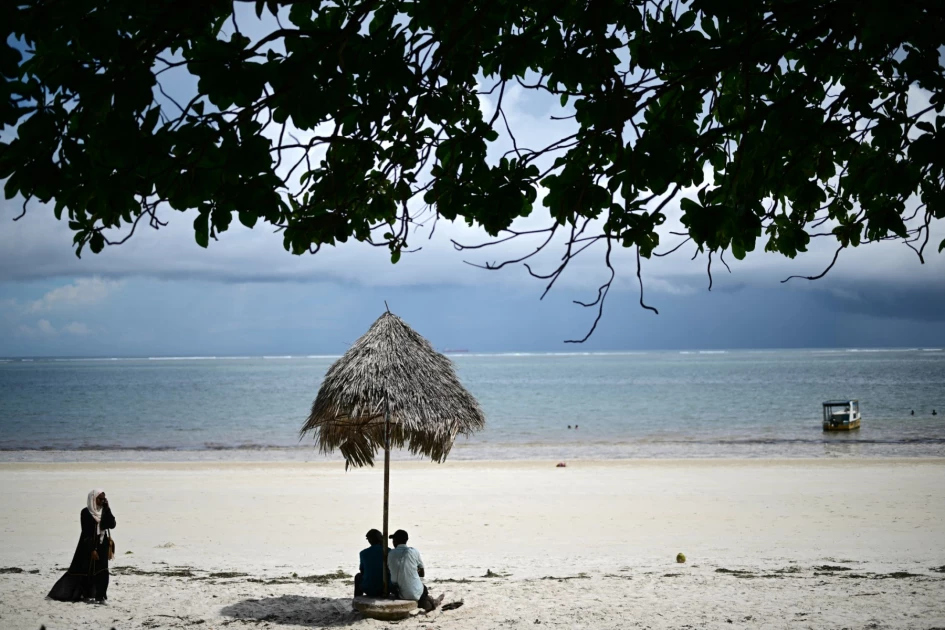 Kenya’s Strategic Move to Privatize Selected Beaches and Islands">

Kenya’s Tourism Revamp: Privatizing Key Coastal Areas
Kenya is undertaking a significant shift in its tourism development strategy by planning to privatize five popular beaches alongside four islands. This initiative is outlined within the draft of the Kenya National Tourism Strategy (2025-2030), reflecting a fresh effort to tailor the country’s coastal tourism assets for varied visitor experiences and higher economic gains.
The Ministry of Tourism is aiming to redesign beach and island management with a new classification model that segments beaches into four distinct categories: premium/exclusive, family and leisure, ecotourism and cultural, as well as adventure and sports. This targeted approach intends to attract different types of tourists by tailoring facilities and access to each beach’s unique appeal.
Classification and Planned Developments
| Beach Category | Purpose and Facilities | Exemplos |
|---|---|---|
| Premium/Exclusive | Private villas, boutique resorts, airstrips, golf courses; catering to high-net-worth tourists. | Vipingo Beach (Kilifi), Tiwi Beach (Kwale), Kuruwitu Beach (Kilifi), Msambweni Beach (Kwale) |
| Family and Leisure | Public access with family-friendly amenities designed for general recreational use. | Diani Beach, Nyali Beach, Bamburi Beach, Watamu Beach |
| Ecotourism and Cultural | Beaches emphasizing cultural heritage and natural ecosystems, attracting eco-conscious visitors. | Shimoni Beach (Kwale), Shela, Kipungani, Kiwayu Beaches (Lamu), Takaungu Beach (Kilifi) |
| Adventure and Sports | Water sports and marine park activities focusing on adventure tourism and sport enthusiasts. | Watamu, Malindi (Kilifi), Gazi Beach (Kwale), Nyali and Bamburi (Mombasa) |
In line with this categorization, the government proposes enhanced zoning and low-density development, especially on exclusive beaches. Privatization possibilities include private ownership, long-term concessions, or leasing models for islands.
The plan includes privatising the islands of Chale and Funzi in Kwale, alongside Kiwayu and Manda Toto in Lamu, representing a move to elevate luxury offerings such as boutique hotels, private marine access for yachts and diving, and helicopter landing facilities.
Improving Accessibility and Infrastructure
To support this ambitious goal, major upgrades to existing transportation infrastructure are in the works:
- Upgrading Malindi Airport to international standards to facilitate global tourist arrivals.
- Expanding operations at Moi International Airport to host more direct international flights.
- Strengthening regional airstrips such as Ukunda and Lamu for scheduled regional jet services.
- Improving road networks and signage that link inland tourist circuits to coastal beach destinations.
These enhancements will ease access for tourists, especially to privatized and exclusive areas, while supporting the broader goal of Kenya maintaining a strong competitive edge in international tourism markets.
Beach and Island Access in the New Model
| Location | Privatization Status | Tourism Category |
|---|---|---|
| Chale and Funzi Islands, Kwale | Privatization planned | High-end development (exclusive resorts and private clubs) |
| Kiwayu and Manda Toto Islands, Lamu | Privatization planned | Ecotourism and exclusivity |
| Takaungu and Vipingo Beaches, Kilifi; Msambweni Beach, Kwale; Kipungani and Matondoni Beaches, Lamu | Included in privatization plan | Various – cultural, family, and exclusive |
Historical Context: Tourism and Coastal Privatisation
Tourism development through privatization is not a new concept, especially in countries with rich coastal resources. Globally, such initiatives aim to attract investment that improves infrastructure and services, creating premium experiences for visitors. This can raise the destination’s profile and revenue but also requires a delicate balance to maintain environmental sustainability and public access.
Historically, beach tourism blossomed in the mid-20th century alongside improvements in travel technology and rising disposable incomes. Coastal privatization has often been employed to create high-end resorts that attract affluent travelers, offering exclusive accommodations and private marine facilities such as yacht docks and diving centers.
Kenya’s approach reflects lessons learned worldwide, integrating zoning and management plans that cater to different market segments, from family-oriented tourists to adventure seekers and luxury clientele.
Privatization in Global Tourism: Lessons for Kenya
- Market segmentation: Tailoring beach offerings to target groups effectively maximizes tourist satisfaction and economic potential.
- Infrastructure development: Accessibility through airports, roads, and signage is crucial for success.
- Sustainable management: Environmental and cultural heritage preservation safeguards long-term appeal.
- Private-sector engagement: Incentivizing private investment can upgrade facilities and create new attractions.
Potential Impact on International Tourism
This tourism revitalization plan positions Kenya to tap into emerging trends favoring bespoke travel experiences and luxury coastal getaways. By promoting exclusivity and adventure alongside accessible family beaches, Kenya broadens its destination appeal, potentially increasing both high-spending visitors and longer stays.
Enhancing access through airports and regional airstrips also expands connectivity, paving the way for new source markets and more direct flight options. This is likely to stimulate growth in charter yacht tourism, water sports, and other marine activities along Kenya’s coast, strengthening its status as a preferred spot for ocean and boating enthusiasts.
Desafios e Considerações
- Ensuring equitable access to beaches while managing private developments.
- Balancing luxury tourism and cultural/ecotourism to protect natural resources.
- Maintaining security and privacy without alienating local communities and less affluent visitors.
- Coordinating infrastructure funding and maintaining service quality.
Summary Table: Key Factors in Kenya’s Beach and Island Tourism Privatization
| Factor | Potential Benefit | Potential Risk |
|---|---|---|
| Beach Classification Model | Targeted tourist experience; tailored services | Complex management; risk of exclusion |
| Airport and Transport Upgrades | Improved accessibility and higher visitor numbers | High investment cost; environmental impact |
| Private Ownership & Lease Models | Attracts investment and luxury development | Public access limitations; community resistance |
| Eco and Cultural Tourism Emphasis | Sustainable tourism; preserves heritage | Requires ongoing conservation efforts |
Conclusão
Kenya’s strategic move to privatize select beaches and islands reflects a dynamic evolution in its tourism sector, aimed at creating diverse, high-quality experiences for different visitor types. With well-planned infrastructure improvements and an intelligent zoning system, the country is set to boost its appeal to international tourists, particularly those interested in luxury stays, marine sports, and culturally rich ecotourism.
As Kenya enhances its coastal offerings, sailing enthusiasts and yacht charter travelers can look forward to more exclusive marine access points and high-end coastal facilities, making it an exciting prospect for future boating adventures.
For those ready to explore Kenya’s stunning beaches or charter a yacht to experience its marine beauty firsthand, GetBoat.com offers an excellent international marketplace for renting sailing boats and yachts tailored to every taste and budget. This platform can connect visitors to unique boating opportunities along Kenya’s evolving coastline, complementing the country’s growing tourism vision.