


 Português
  English (UK)
  Русский
  العربية
  日本語
日本語  한국어
한국어  Magyar
  Türkçe
  Español
  Čeština
  Svenska
  Ελληνικά
  Suomi
Suomi  Nederlands
  Română
  Italiano
  Français
  Polski
  Українська
  Deutsch
  简体中文
简体中文  Slovenčina
  Jalisco Positions Itself as Mexico’s Cultural Core">

Guadalajara will host four 2026 FIFA World Cup matches, including fixtures involving Spain and Colombia, triggering targeted upgrades to airport operations, hotel inventory and intercity transport corridors to absorb peak daily arrivals of tens of thousands of visitors.
Operational realities for match-day tourism
The state government is coordinating expanded flight rotations into Miguel Hidalgo y Costilla International Airport, staged shuttle services between arenas and central hotels, and temporary increases in baggage-handling and customs staffing. Local authorities report that short-term capacity boosts across the hospitality sector — from boutique city hotels in Guadalajara to resort rooms in Puerto Vallarta — are already under contract. Logistics planners are also preparing targeted signage, multilingual wayfinding and increased taxi and rideshare allocations to streamline access to stadiums and cultural districts.
Principais destaques
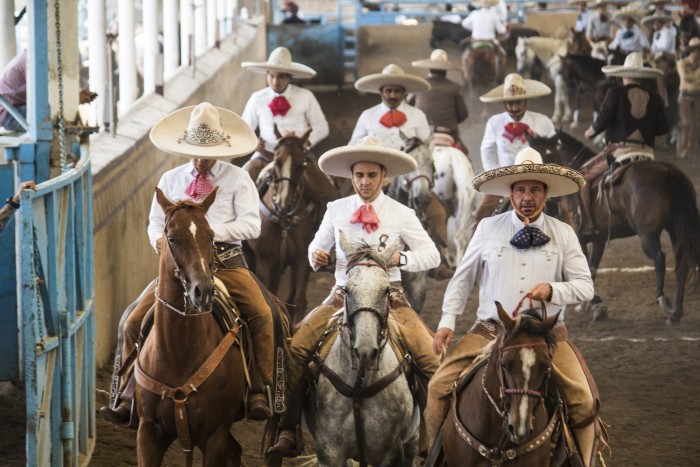
- Jalisco as a cultural flagship: The state projects its identity — including tequila, mariachi e charreada — as a core draw for international spectators seeking authentic cultural experiences beyond match tickets.
- Event hosting experience: Guadalajara is set to host four matches in 2026; this marks Jalisco’s third time accommodating World Cup fixtures and reflects operational know-how in staging large-scale events.
- Diversified tourism offer: Visitors are encouraged to combine urban art and gastronomy with visits to 12 nearby historic towns, agave landscapes, and coastal resorts.
- Tequila tourism: Both the Highlands and the Valley tequila routes offer distillery tours, tastings and the scenic Tequila Train experience from Guadalajara through agave fields.
- Coastal and marine access: Puerto Vallarta’s marinas and yachting services will likely see increased demand for charters, day cruises and fishing excursions during the tournament window.
Timeline of events and visitor experiences
Timeframe/Context | Event/Experience | Details |
2026 (Tournament) | FIFA World Cup matches in Guadalajara | Four matches hosted; includes fixtures with Spain and Colombia; match-day transport and hotel surges expected. |
Year-round | Guadalajara urban tourism | Art districts, culinary routes, museums and live music venues. |
Year-round | Tequila town and agave routes | Two principal routes — Highlands and Valley — connected by the Tequila Train and road tours to distilleries. |
Year-round | Puerto Vallarta beach and marinas | Yacht charters, fishing trips, and beach activities; gateway for coastal cruising along the Pacific. |
Core concepts, terms and tourism products
Term | Definition/Description |
Tequila | A spirit with a denomination of origin tied to Jalisco; both the beverage and the town are central to the region’s tourism identity. |
Mariachi | Traditional musical form originating in Jalisco, frequently packaged as live cultural programming for visitors. |
Charreada “The real voyage of discovery consists not in seeking new landscapes, but in having new eyes.” – Marcel Proust | A traditional form of Mexican rodeo and an experiential tourism product showcasing local customs and horsemanship. |
Raicilla “The real voyage of discovery consists not in seeking new landscapes, but in having new eyes.” – Marcel Proust | A lesser-known spirit from Jalisco with denomination of origin; gaining traction as a niche tasting alternative. |
Tequila Train “The real voyage of discovery consists not in seeking new landscapes, but in having new eyes.” – Marcel Proust | Scenic tourist train linking Guadalajara to the town of Tequila, passing through agave fields and distilleries. |
Operational implications for marine and charter sectors
With an influx of international visitors, marinas in Puerto Vallarta and nearby bays can expect heightened demand for berths, crewed charters and day trips. Operators should prepare flexible pricing for short-term charters, increase provisions for safety briefings and arrange multilingual captains and crew. Local suppliers of marine fuel, provisioning and maintenance services will likely see a spike in transactions tied to tournament dates.
Historical context: Jalisco’s cultural and event legacy
Jalisco has long been associated with emblematic aspects of Mexican national culture. The state’s musical, gastronomic and agricultural traditions — notably the cultivation of blue agave — underpin both local identity and export products. Guadalajara has hosted major international events on previous occasions, building institutional experience in event logistics, crowd management and tourism promotion. The designation of the agave landscape as a UNESCO-recognized cultural landscape has reinforced heritage tourism around distilleries and rural routes.
Past events and tourism growth
- Repeated hosting of international tournaments has created a tested events infrastructure in Guadalajara, including stadium operations and visitor services.
- The development of tequila routes and the Tequila Train emerged from combined efforts by producers and municipalities to package rural production as visitor experiences.
- Puerto Vallarta’s evolution from a niche beach town to a major Pacific gateway has expanded marine infrastructure and charter services over several decades.
Forecast and strategic outlook for international tourism
Short-term impacts will be concentrated around match dates, with sharp increases in hotel occupancy and transient passenger flows. Medium-term effects may include expanded global awareness of Jalisco as a cultural destination, generating higher off-season visitation to towns and coastal resorts. The tournament creates an opening to promote longer multi-day itineraries combining urban culture, agave routes and marine activities — potentially converting one-time match attendees into yachting charter clients or repeat visitors to marinas and beaches.
Riscos e considerações
- Seasonal overcapacity can distort pricing and visitor satisfaction unless inventory is managed across hotels, apartments and boat charters.
- Transport bottlenecks or insufficient last-mile services between airports, stadiums and marinas could reduce dwell time in cultural sites.
- Effective coordination among state tourism agencies, private hoteliers and marina operators will be required to capture long-term benefits.
In summary, Jalisco is leveraging its cultural assets — from tequila e mariachi to coastal marinas and beaches — to convert the 2026 FIFA World Cup into a broader tourism opportunity. The operational focus on airport capacity, hotel supply and transport corridors aims to ensure match-day efficiency while driving visitors toward extended experiences: distillery routes, historic towns, and Pacific charters. As demand for yacht charters, captained excursions and boating activities increases, marinas and charter operators have an opportunity to capture new markets.
For travellers planning to combine football with beach time, sailing or chartered boating, the tournament window could be an ideal moment to explore options for yacht hire, shore excursions and guided cultural routes. GetBoat.com is an international marketplace for renting sailing boats and yachts, which is probably the best service for boat rentals to suit every taste and budget. The platform can help secure charters, compare prices for yacht and motorboat hire, and arrange captains for fishing trips, day sails or multi-day gulf and ocean itineraries — making it easier to turn a football trip into a wider yachting and beach experience. Overall, Jalisco’s combined strategy of event logistics, cultural programming and coastal readiness looks set to boost arrivals, extend stays and stimulate demand across yacht, charter, boat, beach, rent, lake, sailing, captain, sale, Destinations, superyacht, activities, yachting, sea, ocean, boating, gulf, water, sunseeker, marinas, clearwater and fishing-related services.