


 Português
  English (UK)
  Русский
  العربية
  日本語
日本語  한국어
한국어  Magyar
  Türkçe
  Español
  Čeština
  Svenska
  Ελληνικά
  Suomi
Suomi  Nederlands
  Română
  Italiano
  Français
  Polski
  Українська
  Deutsch
  简体中文
简体中文  Slovenčina
 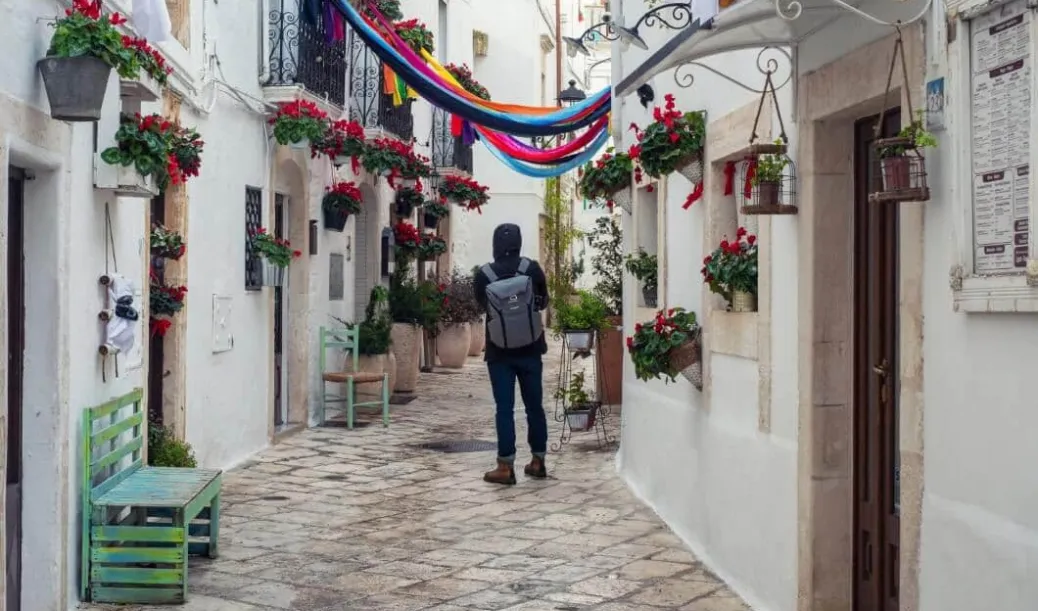 As casas históricas da Itália impulsionam o turismo e a revitalização cultural">

O Poder Oculto das Casas Históricas Italianas no Turismo
As casas históricas de Itália emergiram como uma pedra angular vibrante no panorama turístico e cultural do país. Em 2024, mais de 35 milhões de visitantes exploraram a diversidade de residências históricas italianas, de palácios majestosos a villas e castelos charmosos, alcançando inclusive aldeias remotas no interior. Este aumento na exploração ilustra uma fusão notável de valorização do património e revitalização económica, impulsionada sobretudo pela propriedade privada e pelo espírito empreendedor.
Património Privado como Motor Económico
Em Itália, estima-se que existam 46 000 residências históricas espalhadas por todas as regiões, com quase um terço localizadas em pequenos municípios com menos de 5000 habitantes. Estas propriedades insuflam vida em áreas que, de outra forma, poderiam desaparecer do mapa, atraindo turistas e entusiastas da cultura. Longe de serem peças de museu estáticas, cerca de 60% destas propriedades geram rendimentos através de atividades relacionadas com a cultura,Hotelaria e produção agroalimentar. Impressionantemente, 20% transformaram-se em empresas comerciais totalmente estruturadas, mostrando o potencial das casas históricas como empresas económicas sustentáveis.
Alterar as Expectativas dos Visitantes e as Experiências Turísticas
O turismo em torno destas casas históricas está a evoluir. O alojamento dentro destas casas está em expansão, com 35% a oferecer agora estadias noturnas, e a contagem de alugueres de curta duração em propriedades ricas em história aumentou 46% em apenas um ano, excedendo os 3.700. Os visitantes modernos anseiam por mais do que visitas guiadas; procuram experiências imersivas — dormir em quartos com séculos de história, acordar sob tetos com frescos, saborear vinho produzido na mesma terra.
Cultura e Educação Florescem em Ambientes Históricos
Além das estadias de lazer, a vertente cultural está em expansão. Mais de metade destas propriedades acolhem regularmente grupos escolares, tornando a educação patrimonial acessível em várias fases de aprendizagem. Os eventos públicos abundam, com mais de 20 000 propriedades a acolher pelo menos um evento em 2024, muitas das quais oferecem programas gratuitos ou com foco social. Estes esforços fomentam redes regionais que ligam produtores locais, restauradores, agricultores e líderes de atividades ao ar livre, dinamizando ainda mais as economias locais.
Investimento Privado Impulsiona Preservação
A gestão destes edifícios históricos depende, em grande medida, do investimento privado. Os proprietários autofinanciam 85% dos esforços de restauro e manutenção, gastando em média mais de €50.000 anualmente para sustentar as suas joias culturais. O apoio financeiro público contribui com uns meros 2%, ilustrando o compromisso da família em preservar a história ao mesmo tempo que estimula a vitalidade económica.
A Essência Agrícola e a Sinergia do Enoturismo
A agricultura continua a ser um fio vital nesta tapeçaria, com 17% das casas históricas a funcionar ativamente como quintas – um aumento notável face aos anos anteriores. A viticultura lidera o caminho; uma em cada quatro propriedades cultiva uvas, subindo para 36% entre as que produzem e comercializam vinho. O rendimento agrícola excede frequentemente 75% do rendimento total destas propriedades. Complementando isto, as experiências de provas de vinho florescem, oferecidas por todas as casas históricas produtoras de vinho. Esta sinergia provou ser bem-sucedida, com 86% a reportarem aumentos de visitantes e um terço a desfrutar de um crescimento de mais de 30% no número de turistas.
Impactos Económicos e Sociais Além das Cidades
| Impact Area | Details |
|---|---|
| Injeção Económica | Residências históricas privadas injetam atualmente centenas de milhões de euros na economia italiana. |
| Revitalização Regional | Estas casas revivem aldeias e regiões desertificadas, muitas vezes negligenciadas pelo turismo tradicional. |
| Job Creation | Geram oportunidades de emprego qualificado em nichos de mercado, desde a restauração à viticultura. |
| Preservação de Tradições | Preservar ofícios ancestrais como o restauro de frescos e os métodos de cultivo da vinha. |
O Contexto Histórico e a Evolução das Casas Históricas de Itália
As raízes da rica tapeçaria de casas históricas de Itália remontam a séculos, com muitas propriedades que outrora pertenceram a famílias nobres e aristocratas que moldaram o património arquitetónico e cultural do país. Ao longo de séculos, estas residências evoluíram de casas particulares para símbolos da identidade regional e da história da arte. Tradicionalmente cuidadas como parte da herança familiar, muitas destas casas enfrentaram desafios na era moderna devido a mudanças económicas e dinâmicas de propriedade em transformação.
O século XX assistiu a um interesse flutuante e a desafios de manutenção, deixando frequentemente estas propriedades vulneráveis à decadência ou ao abandono. No entanto, o ressurgimento do turismo cultural e uma renovada apreciação do património nas últimas décadas reacenderam a sua importância. A ascensão de iniciativas privadas para restaurar, comercializar e partilhar estas propriedades históricas com o público representa um ponto de viragem – unindo a grandiosidade do passado com a sustentabilidade económica do presente.
De Grandes Herdades a Projetos Empresariais
O que antes era unicamente uma questão de herança e preservação transformou-se num setor dinâmico que mistura apreciação cultural com inovação comercial. Os proprietários atuam não só como guardiões da história, mas também como empresários astutos, reconhecendo que o património pode ser aproveitado para impulsionar o turismo, a agricultura local e a vitalidade da comunidade. Esta abordagem desenvolveu um modelo robusto de “turismo suave”, onde os recursos locais, incluindo a arquitetura histórica e o agronegócio, alimentam experiências de visitantes sustentáveis e resiliência económica.
Olhando para o Futuro: A Importância das Casas Históricas Privadas no Futuro do Turismo em Itália
A importância das casas históricas privadas de Itália estende-se muito para além das suas paredes, influenciando as tendências de turismo mais amplas e as estratégias de desenvolvimento regional. À medida que os turistas procuram cada vez mais experiências autênticas e imersivas, estas casas oferecem uma ligação direta ao rico passado e à cultura viva de Itália. No futuro, estas propriedades estão preparadas para desempenhar um papel fundamental nos modelos de turismo sustentável que enfatizam a cultura local, o agroturismo e a educação cultural.
O delicado equilíbrio entre preservar a autenticidade e inovar as experiências dos visitantes deverá continuar a ser um desafio e uma oportunidade definidores. O investimento privado contínuo, apoiado por estruturas de políticas ponderadas, pode garantir que estes tesouros permaneçam centros vibrantes de atividade cultural. Além disso, a sua distribuição geográfica generalizada ajuda a descentralizar a pressão turística dos principais centros urbanos, espalhando os benefícios e reduzindo a pressão ambiental nos pontos críticos do turismo de massas.
Implicações para a Navegação e Aluguer de Barcos em Itália
As regiões costeiras de Itália, salpicadas de marinas e cidades balneares idílicas, beneficiam naturalmente dos efeitos indiretos do turismo cultural enraizado nas propriedades históricas do interior. Os viajantes que combinam a exploração do património com atividades aquáticas podem procurar charters de iates, aluguer de barcos e experiências de vela ao longo das costas mediterrânica e adriática. A combinação da exploração de aldeias medievais e casas históricas com a navegação em águas cristalinas acrescenta uma rica camada de atratividade ao portfólio de turismo de Itália, apoiando tanto os setores culturais como os de lazer náutico.
Os entusiastas de iatismo que apreciam as águas italianas são frequentemente cativados pelas histórias do interior e pelas atrações patrimoniais, transformando as suas férias de barco em viagens culturais abrangentes. Esta simbiose entre o turismo histórico terrestre e as atividades marítimas reforça o apelo geral do destino, expande as opções dos visitantes e promove uma abordagem integrada da economia turística italiana.
Conclusão
O renascimento das casas históricas privadas de Itália é uma prova do poder da gestão individual e do empreendedorismo cultural na transformação das paisagens turísticas. Estas residências não só preservam um património arquitetónico e artístico inestimável, como também servem de motores económicos que revitalizam as zonas rurais, as tradições agrícolas e as comunidades locais. O seu papel em evolução, de monumentos estáticos a centros culturais e de hospitalidade vibrantes, capta o espírito do turismo de experiência procurado pelos viajantes modernos.
Com investimento privado contínuo e uma sinergia aprimorada entre o enoturismo, a agricultura e os eventos culturais, estas casas históricas garantem uma experiência rica e sustentável para os visitantes. Adicionalmente, à medida que os resorts costeiros de Itália prosperam com atividades de navegação à vela e de barco, a interação entre o turismo patrimonial e o iatismo aumenta o fascínio para os turistas internacionais que procuram aventuras multifacetadas.
Para aqueles ansiosos por explorar as deslumbrantes casas históricas de Itália e combinar a sua jornada cultural com experiências inesquecíveis de vela ou aluguer de iates, o mercado online em GetBoat.com oferece uma vasta variedade de alugueres de barcos para se adequar a cada preferência e orçamento, desde iates encantadores a superiates luxuosos. Mergulhe na cativante mistura italiana de aventuras terrestres e marítimas com opções especializadas, personalizadas para o sonho de cada viajante.