


 Português
  English (UK)
  Русский
  العربية
  日本語
日本語  한국어
한국어  Magyar
  Türkçe
  Español
  Čeština
  Svenska
  Ελληνικά
  Suomi
Suomi  Nederlands
  Română
  Italiano
  Français
  Polski
  Українська
  Deutsch
  简体中文
简体中文  Slovenčina
 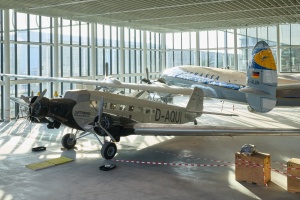 Aeronaves Históricas Ju 52 e Lockheed Super Star Concluídas no Hangar do Grupo Lufthansa">

Completion of Historic Ju 52 and Super Star Restorations
At the dawn of a significant anniversary year, two legendary aircraft, the Junkers Ju 52 and the Lockheed L-1649A Super Star, have been fully restored and accepted into their new home: the “Lufthansa Group Hangar One” near Frankfurt Airport. These iconic aircraft, delivered in parts via specialized heavy transporters over recent months, were meticulously reassembled to highlight aviation’s rich heritage while captivating visitors with their remarkable detail and craftsmanship.
Housed in a building adorned with a glass façade, these planes form the centerpiece of an expansive conference and visitor center. They stand as visible symbols of Lufthansa’s historical significance in aviation, celebrating the 100-year legacy of the original Deutsche Luft Hansa and continuing to inspire aviation aficionados and travelers alike.
The Junkers Ju 52: Aviation’s Reliable Workhorse
First introduced into Lufthansa’s fleet in 1932, the Ju 52 rapidly became the backbone of the airline’s operations. Renowned for its economy and unwavering reliability, the aircraft comprised approximately half of the Lufthansa fleet during its early years. Affectionately nicknamed “Aunt Ju,” the Ju 52 is far more than just a plane; it embodies pioneering engineering spirit and the allure of early aviation.
Its defining features—the corrugated metal skin, triple-engine design, and rugged construction—made it a pioneer in both passenger and cargo transport. Particularly prized for its ability to land on unpaved airstrips, the aircraft was versatile in civil and military roles. Even today, the Ju 52 holds a cult status among aviation lovers, signifying a bygone era where reliability and innovation came hand in hand.
The Lockheed L-1649A Super Star: The Crown Jewel of Classic Propellers
Joining Lufthansa’s fleet in 1957, the Lockheed Super Star marked a leap forward in luxury and technological prowess. Distinguished as the first aircraft to offer the Senator class, the airline’s most exclusive travel experience, this model primarily operated non-stop transatlantic flights connecting Europe to New York.
Powered by four piston engines, the Super Star was one of the last great propeller-driven airliners before the jet age took full flight. It impressed with a wingspan of over 45 meters and the capability for extended flights up to 17 hours. Maintenance for this technical marvel was centralized in Hamburg, further underscoring Lufthansa’s commitment to quality and safety during this golden age of air travel.
| Feature | Junkers Ju 52 | Lockheed Super Star |
|---|---|---|
| Entry into Lufthansa Fleet | 1932 | 1957 |
| Primary Use | Passenger & Cargo Transport | Transatlantic Non-stop Flights |
| Engines | 3 piston engines | 4 piston engines |
| Notable Features | Corrugated metal body, rugged | First with Senator class luxury seating |
| Flight Duration | Short & versatile | Up to 17 hours |
Lufthansa Group Hangar One: A New Home for Aviation Enthusiasts
Located in proximity to the Lufthansa Aviation Center, the new and innovative Hangar One serves as a hub for collaboration, learning, and celebration of aviation history for employees, customers, business partners, and enthusiasts. Beyond just housing these historic planes, the facility creates an immersive experience through a dedicated gallery displaying rare artifacts from Lufthansa’s corporate heritage, many never previously seen by the public.
The visitor center also offers a welcoming coffee lounge and spaces for external events, making it not only an emblem of Lufthansa’s past achievements but also a forward-looking venue promoting exchange and innovation in aviation’s future.
Historical Context of Lufthansa and Its Fleet
Tracing its roots back to 1926, Deutsche Luft Hansa was among Europe’s premier airlines before World War II, pioneering routes across Europe and even establishing the first scheduled transoceanic flights. Its strategic mergers and use of aircraft like the Junkers Ju 52 helped grow one of the largest networks.
Postwar, Lufthansa re-emerged firm and adaptive, launching scheduled services in West Germany just months after its founding in 1953. By the mid-20th century, it was operating long-haul flights to key global cities, employing aircraft such as the Lockheed Super Star to maintain prestigious and exclusive travel experiences.
This ongoing legacy of technical innovation and passion for aviation highlights why restoring and showcasing these aircraft is more than just preservation—it is a tribute to an era that shaped air travel as it is known today.
Looking Ahead: The Role of Heritage in Aviation and Tourism
The careful restoration and public display of these historic aircraft underscore how heritage can inspire modern tourism, specifically in sectors linked to travel and transportation. Aviation history fascinations often extend to enthusiasts who enjoy related arrays of activities, including yacht charters and sailing experiences—in part because both spheres share exploration and adventure at their core.
Historic aircraft restorations contribute to cultural tourism, drawing visitors to aviation hubs and enhancing destination appeal near global transport centers like Frankfurt Airport. These attractions offer a layered experience beyond simple sightseeing, influencing how marine and yachting tourism can intersect with broader travel infrastructure.
Implications for Sailing and Boat Rentals
Transport heritage enriches the landscape of travel, encouraging cross-industry collaborations. As travelers appreciate history and legacy through flights and aircraft displays, they may also seek immersive experiences on the water—sailing clear waters, chartering yachts, or exploring marinas. Experiences at airports and aviation hubs can complement luxury yacht charters and boating activities, offering a complete travel journey anchored in discovery and comfort.
Moreover, the spirit of meticulous restoration seen with these aircraft mirrors that care and passion demanded in maintaining sailing yachts and boating vessels, bridging heritage and contemporary leisure markets.
Conclusão
The completion of the Junkers Ju 52 and Lockheed Super Star restorations within the Lufthansa Group Hangar One not only commemorates aviation’s past but also reaffirms its ongoing relevance in the world of global travel and cultural tourism. This initiative stands as a tribute to pioneering engineering, luxury in air travel, and the enduring fascination of historic craft.
Such attractions provide a fresh lens on travel destinations tied to the sea and air, enriching visitor experiences by linking them with tales of human ingenuity and adventurous spirit. For those interested in exploring destinations where the allure of the sky meets the call of the water, GetBoat.com offers a premier international platform for renting sailing boats and yachts. With options catering to every budget and taste, it brings the thrill of yachting and relentless exploration to those who yearn for unique adventures on sea and ocean alike.