


 Português
  English (UK)
  Русский
  العربية
  日本語
日本語  한국어
한국어  Magyar
  Türkçe
  Español
  Čeština
  Svenska
  Ελληνικά
  Suomi
Suomi  Nederlands
  Română
  Italiano
  Français
  Polski
  Українська
  Deutsch
  简体中文
简体中文  Slovenčina
 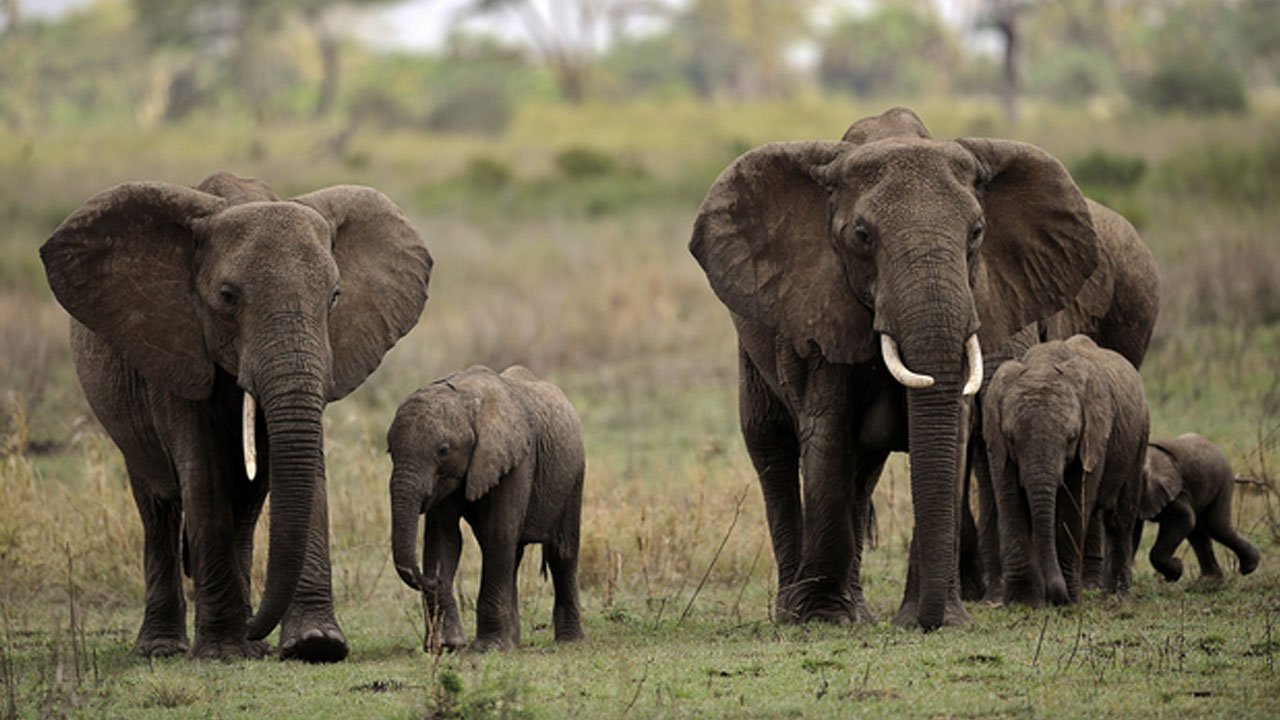 Elephant Appearances Close to Kgalagadi Spur Conservation and Tourism Interest">

Elephants Near Kgalagadi: A Surprising Discovery
Recently, four elephants have been spotted near Zutshwa, an area within Botswana’s Kgalagadi region, just 70 kilometres from the famous Kgalagadi Transfrontier Park. This unexpected sighting marks a significant moment for conservationists and wildlife watchers alike, as it highlights a notable shift in the movements of these majestic creatures in southern Africa. The Botswana Department of Wildlife and National Parks confirmed the elephants’ presence, underlining the importance of continued cross-border cooperation between Botswana and South Africa in protecting this vast shared wilderness.
The Kgalagadi Transfrontier Park, created through the merging of Botswana’s Gemsbok National Park with South Africa’s Kalahari Gemsbok National Park, covers nearly 38,000 square kilometres of arid terrain. Despite being an expansive sanctuary known for its rich predator populations, the park has famously lacked a permanent elephant population, given its semi-arid ecosystem which traditionally offers limited water sources favoured by elephants.
Unraveling the Mystery of Elephant Movements
The rarity of elephant sightings in this part of the Kalahari Desert makes the recent observations particularly exciting. The last documented passing of elephants near the park’s Botswana side dates back to 2015, when only a few animals briefly moved through before continuing on. Now, however, the presence of these giants near Zutshwa may redefine previous assumptions about habitat preferences and migration routes.
Experts are considering a range of causes for this change. Variations in water availability across southern Botswana, habitat pressures from other regions, and broader environmental changes including climate impacts might be encouraging elephants to explore new corridors and territories. These shifts carry important consequences not only for ecology and conservation priorities but also for tourism, as the Kgalagadi is already a hotspot for big cat sightings and now could see an expansion with elephant viewing opportunities.
Historic and Ecological Context of the Kgalagadi Region
The Kgalagadi Transfrontier Park, established in 2000, was one of Africa’s pioneering peace parks—designed specifically to allow the free passage of wildlife across national borders and to facilitate unified conservation management. This initiative combined the large protected areas of Botswana and South Africa into one seamless conservation zone. While lions, leopards, and cheetahs have thrived here, the harsher semi-arid climate with iconic red dunes and sparse vegetation has not traditionally supported elephants, which seek areas with abundant and reliable water.
Historically, elephants in Botswana have been concentrated in the wetter northern regions, including the Okavango Delta and Chobe National Park, where water availability meets their ecological needs. Their arrival near Kgalagadi could be indicative of a larger trend where wildlife is adapting to changing conditions, possibly driven by climatic shifts or habitat encroachment.
Table 1: Key Features of Elephant Habitats in Botswana
| Region | Typical Habitat | Water Availability | Elephant Population |
|---|---|---|---|
| Okavango Delta | Wetlands, floodplains | Abundant year-round | High density |
| Chobe National Park | Riverine and floodplains | Reliable rivers and floodwaters | Largest population in Botswana |
| Kgalagadi Transfrontier Park | Semi-arid desert, dunes | Scarce and seasonal | Historically absent permanent population |
| Zutshwa Region (near Kgalagadi) | Transition zone, semi-arid with some water points | Variable, limited | Newly observed |
Implications for Conservation and Tourism
The recent elephant appearances near Kgalagadi have several potential implications. Firstly, they highlight the success and necessity of cross-border conservation models. The interconnected landscape allows for greater flexibility in wildlife movement, fostering natural migration patterns that transcend political boundaries. However, this also demands adaptive strategies in park management to accommodate these new dynamics.
From a tourism perspective, the shift is a double-edged sword with exciting opportunities. The Kgalagadi Transfrontier Park is renowned globally for predator viewing – lions, cheetahs, and leopards dominate the spotlight. However, the possibility of occasional elephant sightings adds a new layer of appeal, attracting a wider range of wildlife enthusiasts. Such diversity enlarges the scope for safari experiences, potentially enhancing the attractiveness of the park as a destination and expanding its market reach.
List 1: Potential Outcomes of Elephant Movement to Kgalagadi
- Enhanced biodiversity awareness and education
- Increased visitor interest and broader safari offerings
- Need for infrastructure improvements to support larger wildlife
- Challenges regarding water resource management in arid zones
- Greater collaboration between Botswana and South African park authorities
While Kgalagadi’s environment challenges large herbivores due to its dry conditions, the documented adaptability of elephants suggests they may be able to cope with these changes. This resilience emphasizes the importance of continued environmental monitoring and flexible conservation methodologies.
The Future of Wildlife and Tourism in Southern Botswana
In the broader context, elephant movements near Kgalagadi could serve as a bellwether for larger ecological shifts throughout southern Africa. Understanding the factors influencing their migration will be critical for shaping future conservation tactics and ensuring sustainable tourism.
Conserving such landscapes requires not only protecting wildlife corridors and habitats but also integrating tourism in a manner that promotes preservation and economic benefits. The Kgalagadi Transfrontier Park exemplifies transfrontier peace parks’ potential to balance these aims while providing unique experiences for visitors.
Visitors to the Kgalagadi region are encouraged to stay vigilant for elephant sightings and report observations to park officials. This community involvement strengthens conservation efforts and ensures more accurate tracking of these magnificent animals.
Table 2: Conservation and Tourism Synergies in Arid Reserves
| Strategy | Conservation Benefit | Tourism Benefit |
|---|---|---|
| Cross-border cooperation | Enables free animal movement | Supports diverse wildlife viewing |
| Community engagement | Improves monitoring and protection | Enhances authentic visitor experiences |
| Adaptive habitat management | Maintains ecosystem health | Offers sustainable safari options |
| Desenvolvimento de infraestruturas | Minimizes human-wildlife conflict | Increases accessibility for tourists |
The evolving story of elephant presence near Kgalagadi highlights the resilience of wildlife and the necessity for continually adapting conservation frameworks. These developments add to the rich tapestry of southern Africa’s wildlife narrative, promising new adventures for eco-tourists and wildlife enthusiasts alike.
As wildlife patterns shift and ecosystems respond to environmental pressures, the tourism sector must remain flexible, emphasizing both the well-known and unexpected aspects of these natural wonders. The Kgalagadi region’s unique combination of predator-focused safaris with emerging elephant sightings offers an intriguing destination for those captivated by Africa’s wild heart.
For travellers keen on exploring stunning African destinations renowned for their wildlife diversity, the opportunity to sail past scenic lakes or charter a boat through water-rich areas like the Okavango Delta complements land-based safari adventures. Sailing and boating provide alternative avenues to appreciate Africa’s spectacular ecology, enhance fishing activities, and soak up sun-drenched landscapes surrounded by tranquil waters.
For more information about charters, yacht rentals, and boating adventures that can expand wildlife viewing experiences, consider checking out GetBoat.com — a leading international marketplace for renting sailing boats and yachts, catering to every taste and budget. Whether cruising across a gulf or anchoring by a pristine beach, integrating boating into African travel plans can add a vibrant dimension to any safari itinerary, linking land and water-based activities in seamless harmony.