


 Português
  English (UK)
  Русский
  العربية
  日本語
日本語  한국어
한국어  Magyar
  Türkçe
  Español
  Čeština
  Svenska
  Ελληνικά
  Suomi
Suomi  Nederlands
  Română
  Italiano
  Français
  Polski
  Українська
  Deutsch
  简体中文
简体中文  Slovenčina
 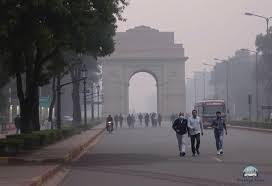 Crise da Qualidade do Ar em Deli Altera Itinerários de Turistas Internacionais">

International Tourism Faces Challenges Due to Delhi’s Air Quality
Severe air pollution in Delhi is prompting international travelers to reconsider their plans, resulting in altered or canceled trips. Several countries, including Singapore, the UK, and Canada, have issued advisories warning their citizens about the health risks posed by persistent poor air quality in North India. This situation is significantly impacting the tourism industry in the Delhi National Capital Region (NCR), traditionally a bustling hub during peak travel quarters.
Tour operators have reported a noticeable trend where inbound visitors are reducing their time in Delhi or bypassing it altogether. Instead, many are shifting their focus toward southern parts of India, deemed less affected by pollution at this time. This shift is not only disrupting established travel itineraries but also threatening the reputation of Delhi as a safe and attractive destination for international tourists.
Global Advisories Influence Traveler Decisions
Authorities in Singapore, the UK, and Canada have issued health advisories specifically urging their nationals to exercise caution when visiting Delhi due to escalating pollution levels. For example, Singapore’s advisories highlight government-implemented measures, such as the Graded Response Action Plan, which recommends limiting outdoor activities and wearing masks when venturing outside. Similarly, the UK’s Foreign, Commonwealth & Development Office cautions vulnerable groups, such as pregnant women and individuals with respiratory or heart conditions, to seek medical advice before traveling to North India.
Tour Operators Adjusting to New Realities
Travel companies are now actively managing client itineraries to mitigate health risks. Cases have emerged where tours are shortened in Delhi or where clients are moved directly between alternative destinations without extended time in the polluted capital. Some have even canceled meetings with hospitality partners in Delhi to avoid prolonged exposure. Tour operators acknowledge that such modifications are necessary to maintain traveler safety but also warn of potential long-term damage to the city’s tourism reputation.
Historical Context: Air Pollution and Tourism in Delhi
Delhi’s struggle with air pollution during winter months is a recurring challenge, often reaching alarming levels due to industrial activity, vehicle emissions, biomass burning, and climatic conditions that trap pollutants. Historically, tourism in this region has flourished around its rich cultural heritage, including renowned sites like the Red Fort, Jama Masjid, and the nearby Taj Mahal in Agra. These iconic destinations have attracted millions of international visitors annually.
However, the annual pollution spikes have increasingly begun to conflict with the desire of tourists for safe, clean environments. Previous years saw similar advisories and an observable dip in international arrivals during peak pollution seasons. Despite ongoing efforts by local authorities to implement air quality improvement programs, tangible progress remains elusive.
| Year | Reported Tourist Arrivals (Delhi NCR) | Peak Air Pollution Period | Effect on Tourism |
|---|---|---|---|
| 2018 | Approx. 16 million | November – January | Reduced overnight stays, itinerary changes |
| 2019 | Approx. 15.5 million | November – January | Travel advisories issued, cancellations reported |
| 2023 | Data pending due to lower arrivals | November – January | Significant itinerary adjustments, growing preference for southern destinations |
Environmental Influences on Tourism Patterns
The phenomenon of air pollution affecting tourism is not unique to Delhi but is indicative of a broader challenge faced by expanding urban centers worldwide. Cities known for their historical and cultural significance can suffer from environmental degradation that ultimately diminishes their appeal. This reality calls for integrated approaches combining pollution mitigation with tourism management, aiming to protect health without sacrificing economic benefits that tourism generates.
Looking Ahead: The Broader Impact on International Tourism
The repercussions of Delhi’s air quality crisis extend beyond the local context, influencing international tourism dynamics. Tourists are increasingly sensitive to environmental conditions and health risks, which directly affect their destination choices and travel behavior. The rise in advisories from multiple countries reflects a growing recognition that environmental health is a critical factor for tourism sustainability.
- Health concerns: Respiratory problems linked to pollution deter vulnerable travelers, including elderly tourists and families with young children.
- Destination shifting: Preference for regions with cleaner air increases, often favoring coastal or southern areas less affected by pollution.
- Economic implications: Reduced visitor numbers, particularly in major urban hubs, may decrease revenues for hospitality, retail, and cultural attractions.
- Industry adaptation: Tour operators and travel agencies are forced to innovate with flexible itineraries and alternative routes to maintain appeal.
Potential Opportunities Amid Challenges
While the air pollution issue presents a significant hurdle, it also opens avenues for regions less affected by pollution to enhance their tourism offerings. Destinations in southern India, with their beaches, heritage sites, and milder climates, are seeing increased interest from international tourists. This shift may accelerate investment in infrastructure and services in these areas, driving more diversified tourism growth across the country.
Table: Comparing Tourist Preferences During Delhi’s Pollution Peaks
| Destination | Common Tourist Activities | Pollution Impact | Tourism Trend During Pollution Season |
|---|---|---|---|
| Delhi NCR | Historical tours, cultural visits, city sightseeing | High pollution, health advisories in place | Decline in overnight stays and visitor inquiries |
| South India (Kerala, Goa, Tamil Nadu) | Beach resorts, backwater cruises, nature exploration | Generally cleaner air, fewer health warnings | Increase in bookings, longer stays reported |
Conclusão
Delhi’s persistent air pollution crisis is reshaping the landscape of international tourism in North India. Health advisories from major countries and concerns among travelers have led to a notable shift in visitor patterns, with southern destinations gaining popularity as alternatives. This environmental challenge underscores the need for long-term sustainable solutions to protect Delhi’s tourism industry and public health. Meanwhile, travel operators persist in adapting itineraries to maintain traveler confidence and satisfaction.
For those exploring marine resorts and coastal destinations where sailing, chartering, and boating activities flourish, understanding shifts like these is vital. Regions less impacted by air pollution are seeing greater demand for leisure activities on water—from beach relaxation to yacht charters—highlighting how environmental factors directly influence tourism dynamics.
As destinations battle environmental concerns, platforms like GetBoat.com provide an excellent resource for finding yacht and sailing charters in cleaner, scenic waters worldwide. Whether seeking tranquil beach getaways, fishing excursions, or superyacht experiences, such marketplaces offer diverse options to suit every boating enthusiast’s preferences and budget, fitting seamlessly into the changing patterns of global travel and tourism.