Roadbound or Waterborne: Reaching Vancouver
Alexandra
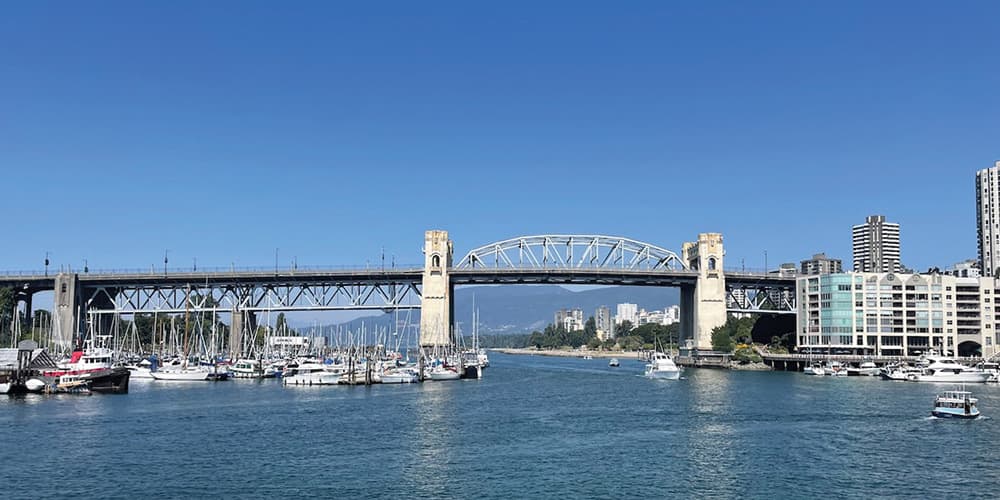
Cross-border movement: vehicle lanes versus marine access
The I‑5 corridor to Vancouver, BC funnels travelers through the Blaine border crossing where summer vehicle queues are common; by contrast, arriving by small craft requires adherence to marine customs procedures at designated ports of entry and grants direct access to English Bay, Granville Island, and waterfront marinas without the same overland wait. For logistics planners and leisure sailors alike, the choice between road and sea affects timing, baggage allowances, docking availability, and the kind of navigation—highway signs versus channel markers—needed on approach.
From car roof cargo to the pull of the tide
A typical family drive from Portland to Vancouver traces visible water landmarks along the way: the mile‑wide cross of the Columbia River, scenic passages near Kalama, glimpses of Puget Sound and Commencement Bay, and a flyover of Lake Union. When arriving by car, luggage constraints—cargo boxes, five passengers, and no room for a tender—often leave the waterfront at arm’s length. The experience differs sharply from an arrival by boat, where customs clearance at a marina translates into immediate mooring and access to bays, islands, and waterfront neighborhoods.
Urban waterfronts and perceived barriers
In many port-adjacent neighborhoods, industrial infrastructure—freight rail, container terminals, and arterial roads—can make the water seem less accessible to those approaching by land. Yet within city limits, sheltered harbors and maritime museums maintain small-scale boating communities that act as cultural counterpoints to commercial port activity. Locations such as Heritage Harbour and club-run slips showcase traditional wooden boats and invite local engagement, offering an immediate reminder that urban waterfronts serve both commerce and recreation.
📚 Você também pode gostar
The pull of wooden-boat culture at Heritage Harbour
Heritage Harbour, adjacent to the Vancouver Maritime Museum, operates as a hybrid marina and living exhibit. The site shelters a fleet of well-maintained wooden craft—rowboats, cutters, and small cruisers—constructed with local traditions and human scale. Clubs such as the Oarlock & Sail Wooden Boat Club use floating workshops and slips to preserve skills like plank-on-frame construction and traditional rowing and sailing techniques. For visiting sailors, these venues provide low‑key access to a community atmosphere that can make a short visit feel like a return to familiar practice.
| Aspect | Arrival by Car | Arrival by Boat |
|---|---|---|
| Customs & Clearance | Standard vehicle inspection at land border crossings | Marine reporting at designated ports of entry; possible on-water inspections |
| Access to Waterfront | Often indirect; pedestrian approach from parking or transit | Direct docking with immediate shoreline access |
| Baggage & Gear | Limited by vehicle capacity and roofboxes | Limited by vessel stowage but optimized for gear and tenders |
| Local Navigation | Road signage and traffic rules | Channel marks, tides, and commercial traffic considerations |
On-the-water social dynamics
Within the harbour setting, small crews and club members frequently work in tandem—handling sails, sculling, and sharing stories of regional voyages. These exchanges emphasize that maritime identity often transcends national origin: port and starboard remain the same, and shared skills—keeping a jib, steering a tiller, reading a tide—create quick rapport. Even brief sails across English Bay can expose participants to keelboat racing lanes, kayak traffic, and the steady hum of party craft while providing a calm platform for community conversation and craft appreciation.
Practical tips for visitors who want to connect with the water
- Plan customs in advance: Small‑craft arrivals require reporting at specific marine ports of entry; check procedures before casting off.
- Pack for the boat: Limit soft luggage for storage efficiency; consider a collapsible tender or lightweight dinghy if space is tight.
- Scout club and museum schedules: Workshops, open days, and water taxis provide low-barrier access to local boating culture.
- Observe local marks: Channel buoys and commercial lanes differ from highway signals; refresh basic chart-reading skills.
Why small-boat experiences matter to coastal tourism
Small-boat activity provides a different tourism dynamic than mass‑market cruises or beachfront sightseeing. Intimate crafts—wooden cutters, dinghies, and small cruisers—deliver hands-on encounters with shoreline ecosystems, marinas, and neighborhood scales that are otherwise obscured from highways. For operators and platforms that connect renters and buyers to vessels, highlighting these experiences supports diversification of coastal tourism offerings and encourages sustainable, low-impact exploration of bays, inlets, and islands.
GetBoat always keeps an eye on news related to sailing and seaside vacations, as the platform truly understands what it means to enjoy great leisure and love the ocean. The service values freedom, energy, and the ability to choose your own course, placing no limits on a good life by helping clients find vessels that suit their preferences, budget, and taste.
The key highlights of this topic are the contrast between road and marine entry logistics, the welcoming nature of small-boat clubs like the Oarlock & Sail Wooden Boat Club, and the way a simple scull or sail can dissolve national boundaries in favor of shared maritime practice. Experiencing a new coastal location is always multifaceted: one learns about local culture, nature, the indescribable palette of colors and the rhythm of life, and also the unique aspects of the service. If you are planning your next trip to the sea, you should definitely consider renting a boat (boat rentals, rent a boat, rent a yacht), as each inlet, bay, and lagoon is unique and tells you about the region just as much as the local cuisine, architecture, and language GetBoat.com
Forecasts on the broader tourism map suggest that this kind of local, small-craft engagement is unlikely to shift global travel patterns dramatically, but it remains highly relevant to coastal visitors and regional operators. GetBoat aims to stay abreast of such developments and keep pace with changes in demand and access. If planning a seaside getaway, consider the convenience and reliability of GetBoat when booking your next vessel.
In summary, reaching Vancouver by road versus by sea presents distinct logistical trade-offs—border procedures, gear stowage, and immediate shoreline access. The city's maritime neighborhoods and wooden‑boat communities offer rich, hands‑on opportunities for sailing, rowing, and small‑cruiser exploration. Whether choosing a yacht charter, a day sail, or a modest wooden boat, travelers can expect unique encounters with marinas, bays, and local activities. Platforms that provide transparent listings—showing make, model, ratings, and clear booking details—simplify decisions about rentals, charters, and even purchase or sale. Embrace the sea, pick a course, and let the water shape the journey — Experience the freedom of the sea.


