


 Português
  English (UK)
  Русский
  العربية
  日本語
日本語  한국어
한국어  Magyar
  Türkçe
  Español
  Čeština
  Svenska
  Ελληνικά
  Suomi
Suomi  Nederlands
  Română
  Italiano
  Français
  Polski
  Українська
  Deutsch
  简体中文
简体中文  Slovenčina
 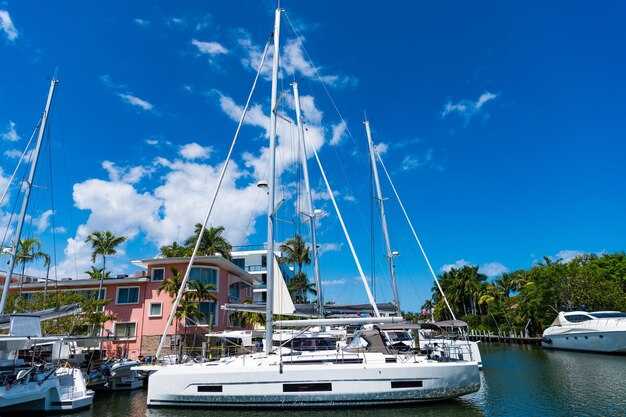 Key West Private Yacht Charter – Top Crewed Rentals">

Recommendation: Book captain-led charters with seasoned crew to handle navigation, provisioning, and safety so you can keep your slippers off and enjoy the seating on board in the barefoot breeze. With capable captains at the helm, the crewset handles provisioning and docking, so you can simply enjoy the view and the rhythm of the water.
All-inclusive quotes typically cover taxes and permit fees, with transparent line items so you know what’s included before you sign. These options offer even more value when you request shore stops to savor a lime martini or a quick bite on a quiet beach.
Popular itineraries span from Guba to Tortugas National Park, with shallow reefs, clear lagoons, and white-sand beaches. The crewset team coordinates diversions, permits, and weather-ready backups, while the captains keep you in the loop and ensure these moments stay memorable.
Onboard chefs craft fresh menus around local produce, with lime-kissed seafood, grilled vegetables, and light fare that suits barefoot lunches or late-night gatherings on deck. Silver service and meticulous board etiquette ensure every guest feels valued.
These experiences are ideal for holidays, family adventures, or corporate getaways. Avoid crowded itineraries by choosing captain-led options that stay close to pristine beaches and shallow bays, with seating for everyone and room to spread out under shade sails.
Practical Guide to Hiring Crewed Yachts in Key West
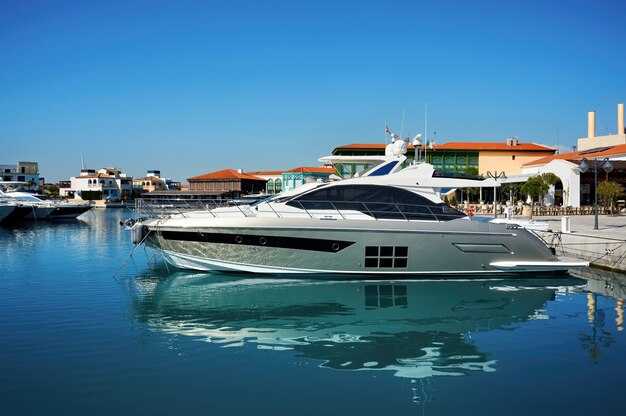
Start planning 4-6 months ahead to secure handpicked options with seasoned crews and transparent, itemized quotes that clearly show taxes and port dues, helping guests relax.
Clarify priorities: a relaxed pace, wellness-focused days, and magical sunsets; map routes around sandbars, anchorages, Tortugas, and turtle-watching spots along the southern Florida coast.
Vessel specs matter: consider 75ft models with double-deck layouts, expansive cockpit, shaded forward lounge, and a cocktails bar; verify a sturdy hull, updated safety gear, and room for watersports.
Crew and service: require a captain with local know-how, a chef, and a first mate; request licenses, insurance, and crew-to-guest ratios; ensure wellness amenities such as clean air, gym options, and wholesome meals.
Cost breakdown: confirm what is included in the base rate–dockage, fuel, and permits–versus what sits as extras; get a firm quote with taxes itemized and a credible gratuity plan; this supports relaxation and peace of mind.
Booking tips: seek handpicked operators with strong references; prefer boats offering flexible itineraries that fit summer schedules; ask for a selected plan with clear daily anchors and a detailed itinerary.
Itinerary ideas: day one anchor near sandbars for a swim and cocktails at sunset; day two cruise toward Tortugas with a naturalist; day three drift along the coast to a sheltered harbor; this odyssey becomes a utopia with selected experiences; some looe-based networks connect with floridageorgia operators to widen options.
What to check in contracts: cancellation terms, insurance, and clarity on inclusions; require a detailed, signed itinerary with anchors and daily schedules; verify that all taxes, port fees, and gratuities are correctly listed.
Final thought: with care, you can live the dream, find relaxation, and embark on a magical odyssey along the coast.
Vessel Selection: Cabin Count, Layout, and Onboard Amenities
Choose a rental vessel with four cabins to comfortably host eight guests, plus a dedicated crew area and a flybridge for sunset views and afternoon lounging.
Cabin count: Four cabins deliver best privacy: a full-beam master forward, two guest staterooms amidships, and a twin cabin to astern; for six travelers, three cabins (master plus two doubles) works well; for larger groups, five cabins provide options for overnights and decluttering common areas.
Layout: Prioritize a generous main deck with open-plan salon and dining area; position the galley for efficient service, with direct flow to the foredeck seating; you want a separate crew area and access to the aft deck for easy al fresco meals and sunset sessions; a flybridge adds a second social zone for guests who want privacy or a place to tell stories in the afternoon breeze.
Onboard amenities: flybridge lounge and dining on the upper deck; water toys such as kayaks and a snorkeling kit; a tender for island hops; a sandbar excursion option; guesthouses on shore pairs if you arrange island stays; include a historic foredeck seating area; a well-equipped galley and cooled beverage station.
Sample configurations: 1) master forward, two doubles amidships, and a twin; 2) master aft, two doubles, one convertible cabin; 3) alternative with a convertible salon to guest cabin.
Operational notes: Ensure uscg-certified status; verify permit clearance for island stops; obtain a transparent quote that lists taxes and port fees; confirm after-hours support and works by the captain and engineer; coordinate with the host to arrange shore visits and social events on the island.
Brand note: Brands like sanlorenzo offer solid systems and refined interiors; look for silver-toned railings and a stable platform; choose ships with a proven history in island itineraries and historic ports; if you plan to anchor near a sandbar or a historic harbor, check that docking permits are available.
Planning and availability: When the calendar is tight, lock in at least 6-12 months ahead; propose a sample itinerary: afternoon sails to a nearby island, a sunset pass by a sandbar, then an overnights on board; boat host can arrange island visits, guesthouses on shore, and a permit process as needed; discuss tax implications with the captain or broker, and tell them your rough budget and social goals.
Notes on speed and performance: aim for a vessel with speed around 18-26 knots for day trips and 9-12 knots for island hopping; ensure the hull is silver or dark color for heat management; check stability, maneuverability, and reliability of onboard systems to avoid unexpected delays during island hops.
Crew Roles and Service Levels: Captain, Chef, Steward, and Concierge
Choose a handpicked package with a licensed captain, a certified chef, an attentive steward, and a proactive concierge to ensure smooth operations after departure and lasting relaxation.
Captain leads navigation, safety, and docking. They are licensed and certified with extensive sea-handling experience on catamarans. They determine weather corridors, run safety briefings, verify life-saving gear, and manage permit responsibilities when required. They also coordinate foredeck operations, communicate with guests to ensure reach and that everything works smoothly after departure, and handle emergencies. A seasoned captain can manage a large vessel and align the crew to a common standard, often coordinating with shore teams to keep plans on track.
Chef designs menus with a tasting focus, local flavors, and dietary needs–always included in a robust package. They work with fresh provisions, source specialties, and craft pairings for each dinner. The chef should be certified or trained in safety and have a proven track record, frequently drawing on experience from veterans of fine dining. They coordinate with the concierge for shore-side tastings and experiences, and deliver tasting courses that pair with wines, to be enjoyed on deck or in an intimate salon.
Steward oversees cabins and service, housekeeping, provisioning, and daily refreshes. They keep interiors clean, stocked, and ready for guests to relax. They know the boat layout, coordinate with the chef for meals, handle service in the dining area, and ensure the foredeck and lounging spaces are tidy. They often assist with gear storage for paddleboard and other water toys, helping guests feel pampered and secure. Their attentiveness makes days at sea smooth and quiet, with enough attention to details that guests return for repeat trips.
Concierge arranges experiences ashore, secures permits, reservations, and unique adventures. They map routes to sandy coves and turtle-watching spots, and coordinate with the captain to maintain timing. The concierge can handpick experiences and offer tasting opportunities, manage changes, and handle equipment logistics such as toysforward gear and snorkel sets. They stay responsive and tailor plans to satisfy the boatcrowd, balancing demand with savings and ensuring enough options for all guests, including veterans and families. They also reference jefferson navigation charts alongside modern GPS to optimize routing, adding a touch of heritage to contemporary navigation.
Service levels span from a common baseline to enhanced offerings that add a dedicated concierge and handpicked crew, crafting itineraries and shore experiences. For larger catamarans and sandy anchorages, cabin space and deck layout matter, and a well-matched team makes it easy to relax after long days at sea. A good deal combines included meals, tastings, and shore excursions, delivering savings by avoiding last‑minute bookings. For demand-driven groups and veterans seeking flexibility, a licensed crew provides reliable execution, a cohesive feel, and steady operation that keeps everyone comfortable and satisfied.
Key West Itinerary Templates: Moorings, Snorkeling, and Sunset Cruises
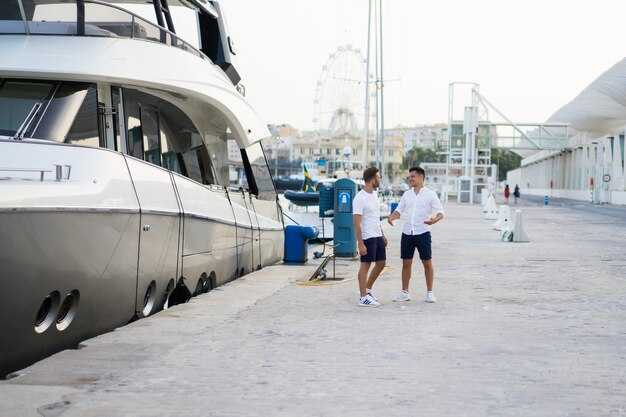
Just follow this easy three‑day rhythm: two favorable mooring spots, a morning snorkel, and a sunset glide with cocktails and dinners on deck.
- Template A – Three days: Moorings, Snorkel, Sunset
- Day 1 – Mooring plan: anchor in 8–14 ft of water in a sheltered cove near the marina. Use a bow line and stern line, keep a clear 15–20 m swing radius, and position the cockpit for shade. Windows on the salon provide bright morning light; ensure the ensuite head is stocked. Bring reefsafe sunscreen, lime for cocktails, and a paddleboard for a calm afternoon. Keep seven favorite snacks accessible and prepare comfortable accommodations for the crew.
- Day 2 – Snorkeling morning: exactly 09:00 depart for a reefsafe site with light current and clear water (3–6 m depth). Rent or bring fins and masks, stay within marked zones, and follow local guidelines. After returning, enjoy a relaxed lunch aboard, then a short paddleboard session or a casual swim. In the late afternoon, move to a second mooring for a horizon-view sunset cruise; cockpit lounge and large windows frame the approach. Chefs can prepare lime‑drizzled dinners as you drift along, with cocktails to match the mood.
- Day 3 – Sunset and wrap: motor at a comfortable largo pace to a scenic harbor point; anchor briefly for the golden hour. Sunset cruise begins with light appetizers, followed by a dinner service on deck. Maintain a kidfriendly rhythm if traveling with younger guests, and offer wellness stretches before nightfall. Return to the quay before dusk; ensure accommodations are ready for a restful night.
- Template B – Snorkel-first rhythm
- Day 1 – Set a sheltered mooring, then head to a reefsafe site for a morning snorkel (09:30–11:30). Bring a waterproof camera and sunscreen; post-snorkel lunch is simple and refreshing. In the afternoon, swap to a second mooring near a shallow reef crest and prepare the cockpit for sunset viewing, windows catching the last light. Dinners can be prepared by the onboard team, with fresh lime and seafood options.
- Day 2 – Floating exploration: easy pace with a light motor along the coastline, stopping at a sandy beach for a paddleboard session or a quick swim. Use the ensuite head for a quick rinse, then return to the boat for a mid‑afternoon snack. Evening cruise features a calm, scenic route with cocktails and a relaxed menu.
- Day 3 – Departure path: anchor near a quiet cove to savor the final sunrise, then motor back toward the dock. If time permits, make a short detour to a favorite snorkeling spot for a last peek at the reef‑safe waters before farewell.
- Template C – Family‑friendly, sunset‑focused itinerary
- Day 1 – Gentle start: cruise along the coast at a steady largo tempo, with a protected mooring stop suitable for kidfriendly activities. Deck games, water toys, and snorkeling gear kept handy. Sunscreen and lime‑flavored drinks are stocked for all ages; windows offer dramatic views as the sun dips.
- Day 2 – Snorkel and social: snorkel in the morning at a reefsafe site, then lunch on deck. In the afternoon, anchor near a busy vantage point where the club vibe can unfold–live music optional, with large seating areas and a comfortable cockpit. Chefs prepare dinners that appeal to diverse tastes, with a mix of seafood options and vegetarian plates.
- Day 3 – Sunset highlight: an easy motor to a classic sunset spot. Serve cocktails and light dinners; use the ensuite head and spacious accommodations for a relaxed evening. If kids are aboard, arrange a short shore visit or a safe, supervised activity near the waterline, ensuring a memorable seven‑hour wind‑down before returning to port.
Seasonal Planning: Weather, Wind, and Sea Conditions for Yacht Charters
Book late-spring voyages to minimize chop: winds typically range 12–18 knots, seas stay within 1–3 ft, and there is ample clarity in waters near sandbars. Begin each day with a morning itinerary and finish with casual dinners on deck.
Plan routes around predictable trade winds and incoming tides to keep these daily movements smooth. For a sample week on a 79ft platform, a Ferretti build offers ample deck space for passengers and easy access to seabobs, with shore stops that feel casual yet refined. These choices move you between favorite anchorages with ease, whether you linger near floridageorgia or push toward jefferson shores.
Water toys such as seabobs and compact outboard tenders boost engagement, especially during calm mornings and late-afternoon transitions. Keep a light, professional crew ready to brief guests on safety and operation, ensuring every guest feels comfortable while launching from a sandbar or reef edge. This approach helps maintain clarity from waters and keeps operations moving smoothly across the year.
These seasonal windows influence dining plans, nightlife options, and onboard routines. For guests who love a flexible pace, plan for a casual sample of routes that include morning snorkel sessions, midday cruising, and a favorite dinner spot ashore after sunset. The right mix preserves comfort for passengers while preserving the high standard of service expected by seasoned travelers.
| Season | Ventos Típicos (nós) | Sea State | Clareza da Água | Best Experiences | Notas|
|---|---|---|---|---|---|
| primavera | 12–18 | 1–3 ft | Ample | Morning departures, sandbar hops, seabobs session | Great for a relaxed schedule with fewer disturbances |
| verão | 18–26 | 2–4 ft | Good to clear | Snorkeling, island hops, daily dockside dinners, nightlife ashore | Prepare for higher heat; carry sun protection and hydration |
| outono | 14–22 | 2–3 ft | Ample | Sunset cruises, beach dinners, reef exploration | Balances wind strength with calmer seas |
| inverno | 10–16 | 1–2 ft | High | Calm mornings, sandbar access, dolphin watching | Optimal for long, relaxed itineraries |
Budgeting and Inclusions: Rates, Gratuity, and Extra Fees
Get a written, all-inclusive quote that itemizes the base rate, gratuity, fuel, dockage, and insurance requirements to avoid surprises on a Florida offshore voyage. Know your numbers before you sign. If you need flexibility, request a date-change clause in writing.
Tarifários e inclusões
- Base daily rate (6–8 hours) for offshore trips along the western Florida coast typically ranges from 2,800 to 8,500 USD, depending on vessel size, season, and included amenities; often a bundled day rate is available for multi-day itineraries.
- Fuel surcharge and consumables: some operators include a fixed fuel allowance; if not, estimate 0.50–1.50 USD per nautical mile or a flat daily charge.
- Docking, permit, and navigation fees: expect dockage near lauderdale or boca; local taxes may apply in addition to the base rate.
- Gratuity: commonly 10–20% of the base rate, paid at trip end; some operators bill gratuity separately, or propose a per-passenger amount for clarity.
- Insurance and documentation: require a current certificate of insurance naming the operator; confirm passenger liability coverage; consider trip-cancellation insurance options.
Inclusions and equipment
- Meals and beverages: breakfasts and light lunches are common; premium vessels may offer full-bar packages; confirm beverage policy in writing.
- Towels and basic amenities: one set per guest, plus deck towels; barefoot-friendly decks improve comfort.
- Gear for on-water fun: paddleboard is often included; tubing and snorkeling gear are common add-ons; efoils may be available on larger vessels; life jackets and basic safety gear are standard.
- Onboard comfort and wellness: windows with ample daylight, wellness options if offered, and a light climate for comfort.
- Passenger needs and capacity: clarify passenger count (your group) and seating arrangements; three guests aboard is common for small vessels.
- Special items: a Kudu cooler helps keep beverages cold; be sure to request a list of included amenities so you can plan barefoot days and midday naps.
Extra fees and planning notes
- Availability and holiday periods: during holiday periods, rates rise and availability thins; book at least 4–6 weeks ahead.
- Weather contingencies: offshore trips may require morning departure adjustments; consider a built-in window for naps or quiet time mid-day.
- Add-ons and experiences: some operators offer a three-stop itinerary including offshore snorkeling, a stop at a beach club, and a sunset cruise; include these in your shortlist for comparison.
- Shortlist and decisions: compare three options, verify insurance coverage, check destination availability, and confirm cancellation terms in writing. If you need flexibility, seek options offering date-change clauses.
- What to bring: sunscreen, hat, sunglasses, a light jacket for evenings; towels and basic gear are typically provided, but check your need for personal towels.