


 Português
  English (UK)
  Русский
  العربية
  日本語
日本語  한국어
한국어  Magyar
  Türkçe
  Español
  Čeština
  Svenska
  Ελληνικά
  Suomi
Suomi  Nederlands
  Română
  Italiano
  Français
  Polski
  Українська
  Deutsch
  简体中文
简体中文  Slovenčina
  How I Got Into Sailing and How You Can Too – A Beginner’s Guide">

Sign up for a trial session at a nearby club this week to test if the water pulls you in. A hands-on intro on a sailboat with an instructor reveals fast whether this life fits, and if you’re wanting to keep going. Start with a couple of schools or club courses and evaluate the results after the first sessions.
Look for options that keep the pace realistic. Schools and clubs offer structured steps; pick a path that feels near your home to reduce friction. If the plan becomes difficult, see if a mentor can tailor sessions to your speed, not the other way around.
Budget time and resources by starting with rentals and shared gear. The money you invest in gear, safety equipment, and club dues is good if you measure progress over several weeks. The equipment is often near shorelines, making trips cooler and easier to fit into a weekly routine. The results start to show after a few hours on the water, especially when you and others bring energy and aim.
Bring a friend or partner; bringing others into the club creates a shared rhythm. Use crewfinder to locate collaborators for trips, and note that nearby routes with a supportive comunidade make the learning curve less steep. A robust support network makes the path worth pursuing.
Learn to read the water: currents, depth changes, and the underwater terrain shapes how you go; practice tacking and trimming in gentle winds first. If you’re loved by the crew, you’ll stay motivated even when the learning curve feels difficult. Keep a log of progress in a simple notebook to see tangible results.
Schedule: early mornings offer cooler, calmer seas, making it easier to stay focused through a week of practice. Starting with shorter sessions reduces risk and builds confidence, turning a once-unclear plan into a routine that feels natural. The club near you often runs week-long programs designed for newcomers–without heavy jargon and with plenty of hands-on time.
Is it worth it? In most cases, yes: the discipline trains focus, the loved feeling when you catch wind, and the sense of always being part of a community. If you want long-term results, set small goals, keep money and time in check, and keep going week after week. The path you choose today becomes the foundation for good sessions on the water tomorrow.
From Zero to Sailboat: A Practical Path Through Local Community Sailing Centers
Join a good, realistic pathway through these local services; a bridge from shore-based learning to independent operation on boats, amas included, via center programs, without heavy upfront cost.
Step 1: visit a local center during a free open-house; services include safety training, on-water time; mentors guide through hands-on practice with other novices.
Step 2: pick programs featuring smaller boats, amas, cabin setups; weather checks, engine basics; on-site engineer explains electrical, mechanical systems; life-skill drills; a structured ladder to more complex tasks.
Costs range: monthly membership around 40-60 USD; per-session fees 15-35; cottage-style options sometimes offer resident discounts; local marine store partnerships expand gear access.
In diego-area centers, a clear ladder guides progression from dockside tasks to helming a small craft; the day ended with a practical capstone test under wind; weather awareness.
Hours earned accumulate toward results; those who persist handle solo shifts under supervision, earning credit toward a full credential; a path allows learners to earn seat time on the helm. These efforts were reinforced by mentors.
Choosing a center matches one’s personality; centers give a steady framework; centers welcome ones with diverse nautical backgrounds; staff, volunteers, crew shape a life-friendly learning climate; the cottage culture helps newcomers feel welcome; this path yields fantastic momentum. This path proves its value, ever practical in real-life use.
Through this network, the country gains broader access to practical training; center heads curate curricula; local store partnerships expand gear access; diego example illustrates reach.
Asking the right questions about costs, weather coverage, schedule flexibility helps narrow options; though time remains a factor, this ecosystem stands out.
Finding a Local Community Sailing Center: Questions to Ask and How to Compare Programs
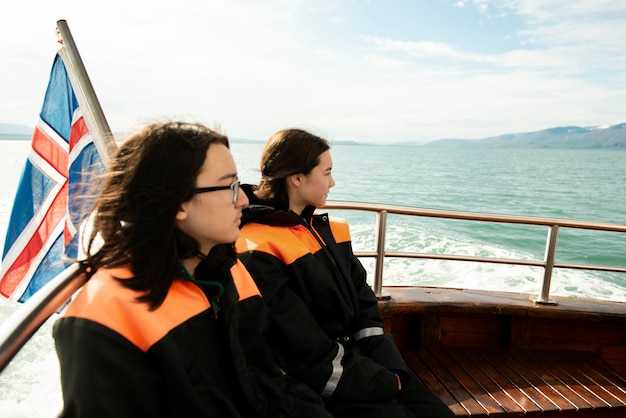
Begin at a near community center offering a trial session; request a brief, observed visit to gauge safety practices, instructor credentials, fleet condition, schedule clarity.
Query levels of instruction; longer or shorter programs; certification milestones; progress tracking; weather policy; safety drills; gear requirements; ways to measure progress.
Inspect gear; facilities: near docks, lockers, classroom space; underwater safety gear; sailboat hulls; maintenance cadence; incident reporting; fishing boats stored near the docks.
Looking for a program with groups; mentoring; extra practice; vacation options; participants gain hands-on experience; seeing practical skills behind theory.
Compare locations by distance; francisco or baja hubs; weigh travel time, lodging costs; schedule access; months-long immersion; from a decision-making perspective.
Final choice may be difficult.
Observe safety records throughout the year; thousands of alumni report hands-on experiences; passed certification tests; feedback from instructors; behind the scenes tours; crewfinder listings; looking for opportunities to join groups; during vacation periods; bridge practice during race simulations; briefly review program outlines; youll have more options to revisit later.
What to Expect in Your First Intro Lesson: Skills, Pace, and Safety Brief
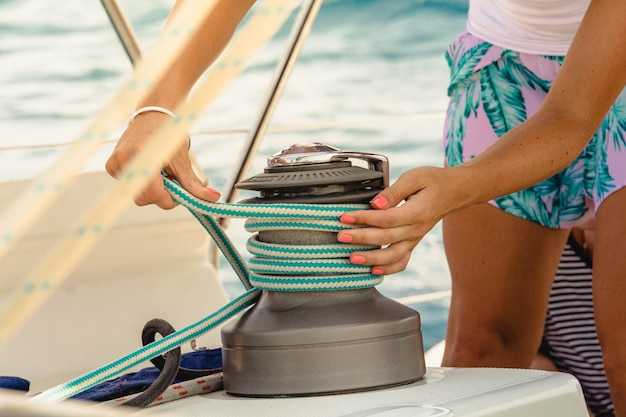
Start times vary across the country; host clubs offer compact, practical sessions.
The core aim is familiarisation with a dinghy; stance, grip, tiller control; mainsheet trim; buoy awareness.
In a traditional safety briefing, buoy use is explained; gear checks are demonstrated; Silvia, the host instructor, guides through steps.
Moving onto the deck, one positions themselves with weight low; around the dinghy, stance adjustments are practiced; eyes stay on buoys; entry is practiced safely.
Occasional drills include a competitive pace; Sometimes the pace accelerates; feedback comes from the coach; focus remains on precision; motion across moving water.
A feeling of progress shows early; progress becomes tangible with more rounds.
Myself observed a clear lift after the first practice; keel below deck feels steadier; momentum builds through repetition.
Coastal sessions across places in the country expose sailors; wind shifts, tides, currents test reactions; the ideal outcome remains steady control in moving conditions.
Travel to host venues is common; away journeys involve a team of learners; popularity grows as more country clubs join the program.
Home services offered by clubs include gear checks; rescue drills; brief safety debriefs.
Draw a simple plan for practice; briefly review goals after a run; come prepared with light clothing, water, sunscreen; wearing a life jacket while afloat is essential.
Participants need a reliable wind chart; seaspray training rounds offer the best preparation.
Sailors travel around coastal places; the journey gradually boosts confidence; the activity’s popularity continues to rise across regions.
Feeling like progress is steady motivates learners to push through the more challenging drills.
Ever improving balance marks each session.
| Aspect | O que esperar | Tips |
|---|---|---|
| Skills you practice | Tiller control; mainsheet trim; buoy recognition; weight shifts | Keep weight low; eyes up; move calmly |
| Pace | Gradual escalation; initial slower tempo | Seek quick feedback; pause if unsure |
| Safety | Lifeline checks; buoy codes; jacket fit | Confirm gear before launching; stay aware of surroundings |
Choosing a Boat, Gear, and Clothing: What You Need Without Breaking the Bank
Start with a sensible, budget-friendly choice: a used keelboat or a sturdy coastal dinghy, with a clean hull; reach the seller to establish contact, then inspect the outboard; verify rigging to make sure everything is solid.
Gear use: fishing or leisure; google price checks; select a hull with stable beam; ample cleats; rod holders; secure anchor points; nautical-grade hardware awareness helps; key things to check simply include corrosion, rope wear, sea-fast fittings.
Clothing for wind, spray: lightweight base layers; a windbreaker; a waterproof shell; non-slip deck shoes.
Budget tricks: buy used gear from places with a solid return policy; inspect wear; confirm fit of life vests; test marine electronics; keep receipts joined to a basic maintenance log; avoid wrong choices by reviewing model history; commit to a kind of basic maintenance schedule.
From a coast range, evaluating a potential craft requires checking hull integrity; keel angle; a simple rig; then near creek, open-water exposure; plan a twelve-month test period before offshore trips; next, consider upgrades only after successful trials.
Make goals clear: reliable, inexpensive stuff; youll use it in the near coast; spend on a basic anchor, a spare line, a portable radio; skip expensive items tied to yachts or offshore ambitions until abilities prove themselves; the rest remains simple, weather-proof, ready for a breeze in these places; also spent time practicing transitions and checks.
Practical moves: maintain contact with a local harbor engineer; these checks teach the angle of trim; wind shifts the hull; engine vibration signals maintenance needs; lead by example with a maintenance log to reduce surprises; commitment to routine upkeep keeps involved gear ready.
Safety Basics: Life Jackets, Weather, and Seaworthy Checks
Life jacket rule: always wear a properly fitted life jacket; ensure straps are snug, buckle fastened before stepping onto decks. Actually, this rule has saved lives more than once.
Weather checks: before departure, pull forecasts from NOAA, a trusted marine app; monitor wind speed, gusts, sea state, visibility. These numbers guide decisions about going, postponing, or changing plans; often, crews adjust routes to stay within safe limits.
Pre-sail checks: hull integrity; standing rigging; running rigging; hatch seals; bilge pump readiness; battery status; fire extinguisher accessible; flares in a watertight container; amas on catamarans; cabins secured. This routine started already as a simple habit; it moved from the cabin to the decks on the sailboat or ship.
Keep a simple safety checklist on board; bigger craft or flotilla require extra items such as VHF radio; spare parts; GPS with full battery; a product-style card can stay in the cabin for quick reference. A concise card can move between cabins and decks as needed.
At francisco-area events, peer-to-peer learning shines; sailors swap tips, demonstrate quick seaworthy checks; gear comparisons for sailboat rigs occur. I started on a small sailboat; that experience felt fantastic, practical rather than theoretical. Learners move to bigger ships, applying the same lessons. For those wasnt sure, quick demos clarified.
Beer breaks after a day afloat become informal review sessions; stories stick; other boats in the fleet share notes, safety habits become routine practice rather than memory.
When conditions turn rough, reduce sail area; head for the nearest harbor; safety saves time, where going would become difficult. Make a simple plan that come from crew experience; the ship stays on course, though the seas test gear.
Thats why training built on real-world events matters; the best lessons come from observing peers during flotilla moves; sharing tips; asking questions that move the whole crew forward. The mindset stays with every voyage.
Creating a Practice Plan: Building Confidence, Tracking Progress, and Moving to Open Water
Six-week blueprint: three sessions weekly; sixty–seventy five minutes per block; safety checks; basics; weather watch; nautical practice near the coast; simply draw confidence across the curve; then move to open water.
- Week 1: Safety first; pre-sail checks; PFD fit; line handling; steering on calm water near the coast; keep a simple log; objective: steady hands; clear commands; calm posture; comfort target 1–2; record weather, water temperature, visibility.
- Week 2: Crew roles; drills on power trim; practice tacking on calm water; observe wind shifts; update wind curve across the day; keep log; note which skills felt easiest.
- Week 3: Open-water exposure near shore; practice entry; exit; line management with one helper; reinforce safety checks; monitor weather; adjust plan for slower pace if needed.
- Week 4: Deeper water in sheltered zones; refine steering; sail trim; weight distribution; simulate path drawing across marks; maintain log; safety margin set; heads up for contingencies.
- Week 5: Flotilla rhythm; practice basic signaling; maintain safe distance; go through a debrief; monitor numbers for progress; heads count; observe weather changes quickly; theyll coordinate signals.
- Week 6: Final supervised session in open water; apply plan in deeper travel; verify skills; document strengths; remaining gaps; adjust future schedule accordingly.
Asking what would improve shapes the curve; liza, kylies, peoples across your country across places share experience via a quick chat circle; tips quickly spread; watch a nautical magazine for fresh ideas; practical notes jumpstart sharing.
Budget considerations: expenses cover gear, PPE, marina fees; premium coaching offers quicker results; sharing notes with peers boosts retention; reading a nautical magazine keeps you current.
Gonna require discipline; expenses may rise before benefits show.
After each block, note what took place; results show growth; what worked; what needed adaptation; the thought behind changes remains simple.
Heads up: monitor weather changes; though conditions vary, safety first.
Community tips: use coastal experiences to calibrate pace; keep heads up for rough weather; felt improvements when planning ahead; country-wide feedback boosts practice quality.