


 Português
  English (UK)
  Русский
  العربية
  日本語
日本語  한국어
한국어  Magyar
  Türkçe
  Español
  Čeština
  Svenska
  Ελληνικά
  Suomi
Suomi  Nederlands
  Română
  Italiano
  Français
  Polski
  Українська
  Deutsch
  简体中文
简体中文  Slovenčina
 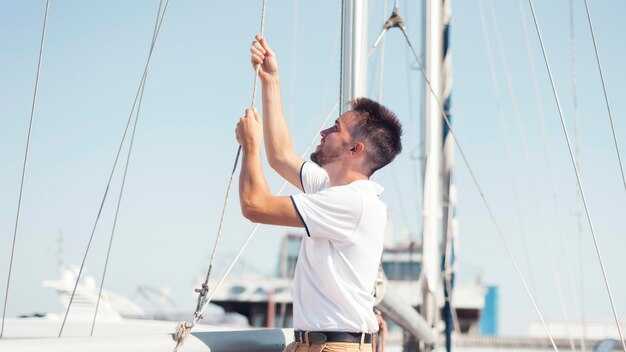 Health Benefits of Sailing – Why Sailing Is Good for Your Health">

Comece este fim de semana com uma sessão de 30 minutos em águas calmas para impulsionar o seu bem-estar. Reduzir o stress e melhorar o equilíbrio, a força do core e a capacidade aeróbica pode começar com uma condução controlada e um movimento constante com o vento.
Ao longo da costa mediterrânica e não só, este passatempo marítimo partilhado cria um sentimento de comunidade e distribui responsibilities entre os membros da tripulação. Oferece relaxing quebras e creative a resolução de problemas à medida que as rajadas passam e os cabos cantam, ajuda a fortalecer well-being enquanto contribui para um objetivo comum.
A consistência é importante: Duas a três sessões por semana, com 20–60 minutos cada, criam ganhos duradouros. Sentir-se-á mais firme no convés do que em terra? Sim, porque o corpo adapta-se aumentando a resistência e o equilíbrio em condições reais. Nunca ignore sinais de fadiga ou dor; ajuste a intensidade para se manter dentro de limites seguros. Mantenha a hidratação, proteção solar e refeições leves à mão, e respeite as suas responsabilidades a bordo e em casa. Em conjunto, esta prática pode contribuir para um sono mais reparador, melhorias de humor e uma sensação de controlo que faz com que as tarefas diárias pareçam menos desgastantes. Nos meses mais quentes ao longo da costa mediterrânica, partilhar viagens com outros mantém-no ligado e aumenta a motivação para continuar a desfrutar disto. shared atividade que se mantém agradável ao longo do tempo.
Existem várias maneiras de acompanhar o progresso com notas simples: duração, ritmo e humor após cada sessão. Manter um breve registo ajuda a perceber como se move mais rápido e com mais confiança em diferentes condições. Em ambientes de grupo, os colegas podem trocar dicas, tornando a experiência ainda mais creative e agradável, reforçando comunidade laços e mantendo as suas rotinas creative.
Melhorar a Saúde Cardiovascular Através da Vela
Comece com um plano concreto: três sessões ao ar livre semanais, de 30–45 minutos cada, numa zona de esforço moderada a forte (65–85% da frequência cardíaca máxima). Use um dispositivo vestível para monitorizar a intensidade e ajuste as atividades do aparelho para manter o esforço. Mesmo quando as condições estão calmas, mantenha o ritmo dentro do intervalo alvo. Ao longo de 8–12 semanas, espere aumentos do VO2 máximo na ordem dos 5–15% e reduções da frequência cardíaca em repouso de 2–6 bpm em indivíduos previamente ativos. Esta abordagem adapta-se aos objetivos de planeamento, aumenta a motivação e mantém os membros dos grupos envolvidos.
Nigel coordena as rotas e as tarefas a bordo; as sessões de planeamento envolvem membros a formar grupos, a rotar papéis para se manterem competentes e empenhados, e para construir união em rotas que abrangem portos, baías e passagens em mar alto. Tal estrutura faz com que a viagem pareça uma verdadeira aventura e mantém os participantes satisfeitos e empenhados.
- Estrutura e progressão: Comece num nível em que as sessões pareçam controláveis e, em seguida, aumente a duração em 5–10 minutos a cada duas semanas; inclua picos de maior intensidade de 1–2 minutos a cada 8–12 minutos; este padrão é forte para aumentar o volume sistólico e a densidade capilar, e essa progressão ajuda os participantes a permanecer numa zona de treino potente.
- Envolvimento e aventura: Tarefas a bordo e no convés, como manobrar, regular as velas, operar os guinchos e atar nós, criam movimento dinâmico; as navegações por rotas diversas oferecem aventura, preservando simultaneamente uma carga cardiovascular moderada a desafiante; tal variedade impulsiona a adesão e uma participação entusiasta.
- Segurança e peleA exposição ao ar livre exige protetor solar, chapéus e vestuário de proteção; hidrate-se bem; planeie as sessões nas horas mais frescas do dia para evitar o sobreaquecimento; estas medidas mantêm a pele protegida e o corpo resistente, úteis para uma adaptação a longo prazo.
- Dinâmicas de grupo: Em grupo, distribuam funções para que todos contribuam; esta estratégia cimenta o trabalho de equipa, ajuda os tripulantes menos experientes a tornarem-se executantes competentes e torna as sessões mais envolventes; há espaço para ajustes com base no clima e no tamanho da embarcação.
- Medição e fonte: Acompanhe o progresso com indicadores práticos (tempo para completar um circuito fixo, duração máxima sustentável, frequência cardíaca em repouso ao acordar); registe a cada 4–6 semanas; a fonte de ensaios revistos por pares suporta os benefícios do condicionamento cardiovascular da atividade regular na água.
Aumento da Capacidade Aeróbica Através da Prática Regular de Vela

Recomendação: ter como objetivo 150 minutos semanais de atividade moderada a vigorosa em embarcação, divididos em 3 sessões de 30–40 minutos, mais um dia de intervalos de maior intensidade (5 x 2 minutos com esforço intenso, com 2 minutos de recuperação). Num ciclo típico de 8–12 semanas, o VO2 máximo aumenta 5–15% entre tripulantes experientes; os iniciantes relatam ganhos de 2–8%. Esta melhoria traduz-se num ritmo melhor, redução do esforço percebido e períodos de cruzeiro mais longos durante viagens mais extensas. Para garantir a progressão, comece com uma base sustentável e aumente gradualmente o volume; esta abordagem reduz a fadiga e deve estar sempre alinhada com a recuperação.
Fisiologia e mecânica: aliado ao aperfeiçoamento da técnica, os ganhos aeróbicos advêm da melhoria da economia da remada e da eficiência cardiovascular. O ritmo de balanço de um barco desafia o equilíbrio, estimula a resistência do core e diminui o custo energético por metro. Um plano de preparação pessoal – aquecimento, exercícios, arrefecimento – mantém o treino consistente. As dicas incluem blocos de intervalo em zonas de intensidade média a alta, trabalho de tempo e longas sessões estáveis cercadas por águas calmas, com serenidade nos decks ao início da manhã.
Abordagem e perspetiva prática: as opções vão desde passeios costeiros de um dia a travessias mais longas. O treino deve ser variado, desenvolvendo competências como ajustar as velas, virar de bordo e manobrar o leme; manter uma cadência semanal de 3–4 sessões; registar o ritmo a um determinado esforço para acompanhar o progresso. Todos os membros da tripulação beneficiam, construindo laços sociais, um sentimento de pertença e uma forte motivação. Fergus enfatiza que uma tripulação competente cresce com um treino consistente, mesmo quando o clima perturba os planos. Tal como no desporto, o progresso aumenta com uma preparação constante e atenção ao ritmo de balanço, enquanto o ambiente que rodeia o barco acrescenta uma serenidade terapêutica que mantém os membros envolvidos e apoia os laços. Frin acrescenta uma nota prática: pequenos ganhos diários acumulam-se ao longo do tempo.
Conclusão: O esforço regular e progressivo, com base no barco, aumenta a capacidade aeróbica, fortalece os laços entre os membros e mantém a paixão em todas as estações. Numa perspetiva final, apenas um último lembrete: a consistência supera os picos e uma equipa de apoio ajuda sempre a manter a motivação elevada.
Frequência Cardíaca em Repouso Mais Baixa e Eficiência Cardíaca Melhorada
Registe o seu ritmo de repouso todas as manhãs durante sete dias consecutivos e, em seguida, inicie uma rotina a bordo de seis semanas. Isto ajuda o coração a estabelecer um padrão mais eficiente, com o ritmo de repouso a diminuir normalmente cerca de 4–12 batimentos por minuto à medida que a resistência no convés aumenta. Num barco ou iate, planeie 4 sessões semanais, com 30–40 minutos cada, a um ritmo que possa ser mantido, mantendo a respiração estável; aumente o ritmo ou a duração gradualmente à medida que se sentir competente, especialmente após semanas de experiência a bordo de uma viagem.
Estruture os percursos à volta de circuitos no porto para manter o foco. Durante cada sessão, alterne esforço constante com breves acelerações para treinar o volume sistólico e o equilíbrio autonómico. Após os treinos, passe 5 minutos em respiração relaxada e mindfulness para reforçar o tónus vagal, apoiando uma recuperação mais rápida quando relaxar no convés.
Para além das mudanças físicas, o treino rotineiro fomenta o sentimento de pertença entre a tripulação e oferece algo significativo que pode partilhar por email com um mentor paciente. Está num caminho rumo à preparação para Yachtmaster, explorando novas rotas para além de águas familiares. Uma mentalidade de escapadinha acelera o rejuvenescimento, mantém a mente criativa e aumenta a capacidade de recuperação, transformando o coração joia num motor resiliente, à medida que o tempo é gasto em tarefas no barco, a fazer o que se ama e a construir competência.
Benefícios da Pressão Arterial: Efeitos a Curto e Longo Prazo
Recomendação: Começar com uma sessão calmante de 15–20 minutos a bordo de embarcações, com as velas seguras, e a respiração constante enquanto as mãos repousam levemente no leme; tal abordagem pode provocar uma queda imediata da pressão arterial durante o arrefecimento, com valores sistólicos a diminuírem aproximadamente 4–7 mmHg e os diastólicos 2–4 mmHg em adultos típicos que não tenham treinado a resistência, dependendo da condição física de base, e frequentemente com reduções mais pronunciadas em águas calmas e cénicas.
Durante a fase ativa, a pressão arterial pode aumentar transitoriamente devido ao esforço; em embarcações, a interação do vento, o movimento do convés e o leme exigem a ativação da coordenação entre os músculos do core e das pernas; o resultado é um breve aumento, mas, uma vez terminada a atividade, a respiração calma e meditativa e a consciência corporal ajudam a manter estes valores mais baixos 30 a 60 minutos após a sessão, enquanto sentimentos de tranquilidade acompanham normalmente uma frequência cardíaca mais baixa e uma melhor circulação sanguínea.
A longo prazo, a participação consistente traduz-se numa pressão arterial de repouso mais baixa em cerca de 3–5 mmHg na pressão sistólica e 2–4 mmHg na pressão diastólica, dependendo da frequência das sessões (3–5 dias por semana) e da intensidade. Programas liderados por skipper experientes em embarcações com velas em evolução e rotas cénicas demonstraram um melhor equilíbrio autonómico, com um tom vagal mais elevado medido pela variabilidade da frequência cardíaca. Nestes casos, a diminuição é mais notória em pacientes com níveis basais elevados, e o efeito tende a persistir constantemente mesmo após dias longe da água.
Para maximizar o impacto, as dicas incluem manter as sessões a um ritmo moderado, integrar a respiração meditativa com o ritmo das velas e escolher rotas panorâmicas que reduzam a distração. Uma abordagem paciente — incrementando 2–5 minutos semanalmente — dá ao corpo tempo para se adaptar; manter-se hidratado e evitar refeições pesadas antes das partidas também ajuda a manter o fluxo sanguíneo estável. O objetivo final é manter um ritmo tranquilo, conectar-se com sentimentos de calma e observar continuamente as mudanças à medida que ganha coordenação entre a parte superior e inferior do corpo. Um skipper pode orientar e ajustar o plano com base no clima, terreno e experiência da tripulação, fornecendo uma estrutura tal que lhe permita manter a consistência ao longo do tempo.
Melhor Circulação e Função Endotelial devido à Exposição Marinha
Comece com um plano concreto: 30–40 minutos de exposição marítima, 2–3 sessões por semana, em condições meteorológicas que permitam movimentos estáveis na área. Procure um esforço moderado para que a respiração permaneça estável e a sua frequência cardíaca se situe em torno de 60–70% do máximo. Esta abordagem aumenta a circulação em todo o corpo e desencadeia tensão de cisalhamento no endotélio, aumentando a disponibilidade de óxido nítrico e melhorando a flexibilidade vascular; inclua respirações ricas em oxigénio durante a sessão para apoiar esta resposta.
Numa embarcação pequena, concentre-se no manuseamento seguro das cabos para minimizar o desperdício de energia. Estruture a rotina para maximizar a resistência e o pump muscular sem exagerar na carga: comece com um aquecimento de 5–10 minutos, seguido de 20–30 minutos de atividade contínua em movimento e termine com 5–10 minutos de respiração relaxante. Adicione ações curtas ao estilo de içamento e manobras de equilíbrio para envolver os grupos musculares circundantes, promovendo um retorno venoso eficaz e reduzindo o risco de estagnação. Estes micromovimentos ajudam todo o corpo a lidar com a fadiga de forma mais eficiente.
Evidências de programas aeróbicos controlados mostram melhorias na vasodilatação mediada pelo fluxo (VMF) de aproximadamente 1,5–3,5 pontos percentuais após 6–12 semanas, refletindo uma melhor responsividade endotelial. Aqueles que estão apenas a começar mostram ganhos menores de 0,5–1,0% na VMF, que se traduzem num fluxo sanguíneo visivelmente mais suave durante as tarefas diárias. Esta teoria baseia-se num ciclo de movimento da água, respiração rítmica e contração muscular ativa que impulsiona o fornecimento de oxigénio a todo o corpo.
Ter um plano pessoal com a orientação de um treinador experiente como o Nigel ajuda aqueles que procuram resultados fiáveis. O Nigel, com anos de experiência, enfatiza a consistência nas métricas rastreáveis. Nestes blocos de treino, monitorize a frequência cardíaca, o esforço percebido e a cadência da respiração; esta colaboração entre a respiração, a postura e a dinâmica da água acelera a adaptação. Aqueles que são novos na atividade devem começar com uma primeira semana suave e aumentar apenas depois de conseguirem lidar com a carga sem desconforto.
A segurança meteorológica é essencial: escolha manhãs calmas e amenas com água corrente, mas evite vento frio e mar agitado. Mantenha-se hidratado, use colete salva-vidas quando exigido e alterne para momentos de relaxamento se começar a sentir-se tenso. Os primeiros ganhos podem surgir logo após começar, e o horizonte azul real motiva frequentemente a prática consistente. Ter esta abordagem como um plano de treino pessoal ajuda aqueles que procuram sustentar a capacidade circulatória e melhorar a resposta endotelial como parte de um regime mais amplo. Esperemos que estes ajustes impulsionem a função endotelial em todo o corpo, e em breve poderá notar que as tarefas parecem mais fáceis.
Redução do Stress e Saúde Cardíaca: A Ligação Mente-Corpo

Comece com uma rotina de respiração meditativa de 5–10 minutos antes de assumir o leme; inspirações lentas pelo nariz, expirações longas e uma breve análise corporal acalmam o sistema nervoso e reduzem o risco de picos de carga cardiovascular relacionados com o stress, particularmente quando o vento aumenta.
No eixo mente-corpo, o foco constante e o movimento deliberado deslocam o equilíbrio autonómico para a dominância parassimpática, apoiando a eficiência circulatória e o relaxamento muscular. Sessões regulares aqui tornam-se um excelente treino que fortalece tanto o coração como a mente, permitindo-lhe adaptar-se a condições variáveis. As tarefas de skipper – manusear cabos, regular velas e planear rotas – oferecem muitas oportunidades para praticar a respiração e aprender a manter a calma em condições variáveis.
Para maximizar o impacto, o planeamento de rotina deve incluir aquecimentos, trabalho de core leve e alongamentos focados na postura para que a tensão não se torne um fator limitador. Aqui, várias microsessões durante as pausas entre manobras ajudam a manter a calma e reduzem o risco fisiológico de aumentos rápidos da frequência cardíaca durante mudanças de ritmo acelerado. A abordagem requer consistência e produz vantagens duradouras ao longo do tempo.
Rotinas expansíveis podem ser integradas em cursos de formação e no planeamento a bordo: fazer pequenas pausas após uma virada de bordo tensa e repetir um ciclo de respiração de dois minutos. Ao aprender novos nós ou rotas, o ato de ação repetitiva e consciente torna-se uma prática meditativa que fortalece a disciplina respiratória e os músculos envolvidos no controlo e ajuste do leme. Em conjunto, estes passos melhoram a resiliência durante mudanças rápidas.
As preocupações desvanecem-se com uma rotina agradável e previsível; a mente foca-se em sinais de tarefa, não em pensamentos intrusivos. Um regresso constante à respiração controlada após cada manobra ajuda a manter a frequência cardíaca numa faixa segura durante sequências rápidas, e esta abordagem prática torna-se a disciplina mental que sustenta a resiliência cardiovascular a longo prazo, abordando a necessidade de manter a calma sob pressão.