


 Português
  English (UK)
  Русский
  العربية
  日本語
日本語  한국어
한국어  Magyar
  Türkçe
  Español
  Čeština
  Svenska
  Ελληνικά
  Suomi
Suomi  Nederlands
  Română
  Italiano
  Français
  Polski
  Українська
  Deutsch
  简体中文
简体中文  Slovenčina
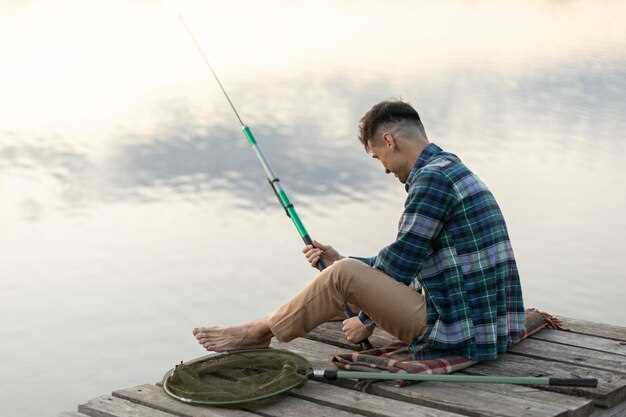
Are you ready to elevate your fishing game and catch more bass than ever before? Throughout this free online fishing course, we will guide you through everything you need to know to become a successful angler. From understanding the best techniques to using the right gear, you’ll learn how to deep-dive into the waters where these aggressive fish are lurking. Effective casting is crucial; whether you’re using a crank or a spinner, mastering your skills makes all the difference when it comes to enticing a strike.
This course covers a variety of techniques, such as drop-shot and spybaiting, designed to help you succeed in diverse fishing environments. You will explore everything from the shallows to deeper structures where bass often hide. We’ll share tips on using live baits like worms or crayfish, as well as effective artificial lures such as the single tail or frog that will make fish sweep into your line with their mouths wide open. The key is knowing when to wait and when to reel in your catch!
Understanding the behavior of bass at different times of day is essential. Early morning or late evening fishing might yield better results with certain lures as fish are active in these hours. With the right apparel and gear, you can make your fishing experience not just successful but enjoyable too. Get ready to watch your skills improve as you gain knowledge that even seasoned pros use to secure their catches. Each lesson offers insights that would help you better connect with the world of bass fishing, ensuring you won’t miss the next great strike!
Learning How to Catch Deep Water Bass
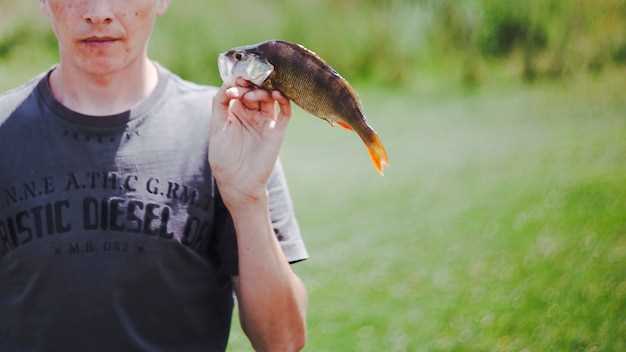
Catching deep water bass can be quite a challenge, but with the right knowledge and techniques, you can master this skill. Largemouth bass often hide in deeper zones during warmer months, making it essential for any fisherman to explore beyond the shallows. If you’re looking to improve your fishing game, consider this article as a valuable resource.
When targeting largemouth bass in deep water, the right bait can make a significant difference. Popular options include Carolina rigs, Texas rigs with senkos, and spinner baits. A pair of quality shirts and gear will not only keep you comfortable but can enhance your fishing experience as you experiment with different offerings. Remember, the weight of the sinker is important; it should be heavy enough to reach the bottom but not so heavy that it becomes difficult to work with.
As you fish deeper waters, it’s crucial to maintain a gradual retrieve. Moving too quickly might scare the fish away, while a steady, slow approach can entice strikes. Focus on areas near drainage systems or grass beds, as these zones often hold baitfish which attract bass. There are times when fish might be closer to the surface, but during warmer days, they may retreat to cooler, deeper waters.
Your fishing line should also be appropriate for deep water bass fishing. A high-quality line will ensure that you can handle larger fish steadily. Experiment with different techniques and bait colors, such as watermelon or blue, to see what resonates best with the bass in your area. Remember, patience is key; you can’t rush the process when fishing.
Finally, deep water fishing offers a unique experience where you can access untouched areas of the water. If you’re willing to put in the effort and learn all that you can, you’ll become a proficient deep water bass angler. With each trip, you’ll gather valuable insights that will contribute to your skills as a fisherman. Now, go out and make your next fishing adventure worth every moment!
Understanding Deep Water Bass Habitats
When fishing for largemouth bass, understanding deep water habitats is crucial. These environments often harbor big bass lurking around structure such as submerged trees, rocks, or drop-offs. Many anglers make the mistake of ignoring these areas, assuming that bass only feed in shallower waters. However, deep water can generate excellent fishing opportunities, especially during warmer months.
In the United States, trophy bass are frequently found in deeper sections of rivers and lakes. The reason for this is that they seek cooler water temperatures and better oxygen levels, which might not be present in shallower areas. Using techniques like drop-shotting with lighter tackle can be highly effective. A nice bait option is Berkeley lizards or crawdads, as these mimic the natural forage bass are hunting.
Effective fishing rods for deep water often incorporate high-quality braid, which is thin yet strong. This helps keep your line stealthy and allows for precise casting. While fishing in deeper waters, the right gear can make all the difference. Consider using spinning gear paired with lighter weights to improve your accuracy and sensitivity.
In deep waters, it’s essential to focus on structure and cover. Bass typically like to position themselves near these areas while hunting smaller fish like shiners or even consuming tiny fish in their environment. By casting spinnerbaits or jigs around these structures, you can significantly increase your chances of catching bigger fish.
Fishing online can provide valuable insights through articles and videos specifically about deep water techniques. Many seasoned anglers share their experiences, which helps others understand the nuances of deep water fishing. Whether you are fishing in a local river or a larger lake, knowing where to look and how to present your bait effectively is key to success.
By studying bass behavior and adapting to their habits, you can keep your fishing days productive. The focus should be on understanding their environment, so you know where to cast–somewhere deep where the biggest bass often dwell. Embrace the learning process, as every fishing trip helps you master your skills.
Best Times for Deep Water Fishing
Deep water fishing can be a game-changer for anglers looking for quality bass. Understanding the best times to fish in deeper waters is crucial for success. Generally, early mornings and late afternoons are considered the easiest times to access deep areas, where aggressive fish are more active and willing to strike at your lures.
Throughout the day, fish might move to shallower spots during warmer hours, but as the sun sets, they often return to the depths. This pattern allows anglers to plan their fishing trips accordingly, focusing their efforts in deeper areas as the light changes. A drop-shot technique is often effective here, especially when using senkos ou worms as bait.
Another excellent method is spybaiting, particularly in vertical drops where fish can be seen swimming below the surface. This technique works well with lures that mimic shad or smaller baitfish, such as those found near weed mats and pads. Often, your best shot at success will come from casting right to the edge of deep channels or vertically through them.
Accessing deep water spots can sometimes be difficult, but locating these areas, like canals or river bends, can offer big rewards. During peak fishing times, be sure to focus on areas where fish have been seen or are known to hang out. With the right approach and timing, you can expect much success on your fishing expeditions.
When you are down on the shorelines or fishing from a boat, remember to weigh the ratio of time spent in deeper waters versus shallows. Fishing during early or late hours can yield faster results as fish come up to feed. Whether it’s a sunny day or a cloudy one, timing is everything, so don’t stop learning and adapting your strategy for those aggressive bass.
Effective Bait and Lure Selection for Depths
Selecting the right bait and lure is essential when fishing in various depths. Different bodies of water, whether they are rivers, ponds, or the coast, require specific approaches. Pros recommend using a pair of techniques designed for deeper waters to target trophy fish effectively. It’s not uncommon for fish to seek shelter near structure, such as rocks and submerged vegetation.
Commonly used baits include shad and crawdad imitations, which have been popular among anglers. For beginners, using big lizards and senkos can generate strikes while ensuring an easy learning curve. These baits can be fished around the middle of the water column where fish often swim. When choosing a lure, it’s crucial to consider the conditions; for instance, on muddy days, brighter colors may seem more effective.
| Bait Type | Best Depths | Technique |
|---|---|---|
| Senkos | Shallows to Mid-depths | Slowly Drop |
| Shad | Mid to Deep | Slow Retrieve |
| Crawdad | Near Structures | Hop & Pause |
| Spinnerbaits | All Depths | Fast Retrieval |
It’s okay to experiment to see what works best on a particular day. Sometimes sticks and long casts will yield better results than other techniques. Remember to watch the water and the fish to fine-tune your approach. When you stop and think about your choices and adapt your methods accordingly, you will become more successful at catching various species of fish in the depths.
Techniques for Locating Bass in Deep Water
Locating bass in deep water can be challenging, but with the right techniques, you can significantly improve your chances of success. Many anglers focus on shallow waters, but deep zones can hold trophy-sized bass waiting to ambush baitfish. Common methods for finding these fish include employing spybaiting and Carolina rig setups.
First, consider exploring areas near canals or the mouth of bays. These zones often act as natural highways for bass. Using sonar technology, you can watch for underwater structures like submerged rocks or vegetation, which attract baitfish. A splash nearby can indicate active fish, so keep your eyes peeled. Experimenting with colors, like green or blue baits, helps match the local forage.
For beginners, using baits such as crawdad imitations or spinner baits designed by companies like Daiwa will increase your odds. Utilize a slow reeling technique or a faster retrieve to see which fish are more responsive. It’s essential to commit to different depths within the deep water zone because bass can change their location throughout the day.
While fishing deep, you might prefer using a drop shot technique, as it allows you to present your bait on a single hook, keeping it just above the bottom. This is effective when the bass are holding tight to the structure. On a recent trip to a local pond, I personally witnessed a friend’s success using this method, landing several donkeys within a short period.
Timing can also be crucial. Early mornings or late afternoons are often better times to locate these fish. During these peak periods, bass become more active as they search for food. Wearing good fishing apparel and staying comfortable while waiting for that strike can make your fishing experience more enjoyable.
In summary, understanding deep water structures, experimenting with various techniques, and being patient while you fish can lead to exciting rewards. Videos by experienced anglers can further help beginners learn these strategies visually. As you refine your skills, you’ll find locating bass in deep water becomes a less daunting task, and every successful catch will feel like a well-deserved victory.
Bass Fishing Tips: How to Catch Bass
When it comes to bass fishing, having the right strategy can be the difference between success and frustration. Here are some essential tips to help you catch more bass, particularly for beginners looking to get started.
- Understand the Environment: Bass often hide around structures such as rocks, weeds, and fallen trees. Focus on casting your line around these areas to increase your chances of attracting largemouth or smallmouth bass.
- Timing Matters: Bass are most active during early morning and late evening, so plan your fishing trips around these times to maximize your catch.
- Choose the Right Tackle: Use a stiff rod and high-quality braided line that can withstand the pull of a bigger fish. A heavier hook and appropriate weights can make a significant difference, particularly when fishing in deeper water.
- Experiment with Baits: Bass can be attracted to a variety of baits. Berkeley offerings such as lizards and crayfish mimics are particularly effective. You might also want to try the wacky rigging technique, which is one of the easiest methods to catch fish.
- Focus on Transition Areas: Bass often transition between spawning zones and feeding areas. Look for these particular zones that offer both cover and open water.
- Use Twitching Techniques: When you feel resistance on your line, try twitching it gently to provoke a reaction from the bass. This technique can be especially useful when the fish are less active.
In summary, finding bass requires a blend of strategy, the right gear, and knowledge of their behavior. By focusing on structures, using effective baits, and understanding the best times to fish, you’ll significantly improve your chances of success.
As you begin your fishing journey, don’t hesitate to explore online resources and videos that offer visual demonstrations of these techniques. Practice is key, and the more you fish, the more you’ll learn about what works best in your local waters.
Choosing the Right Gear for Bass Fishing
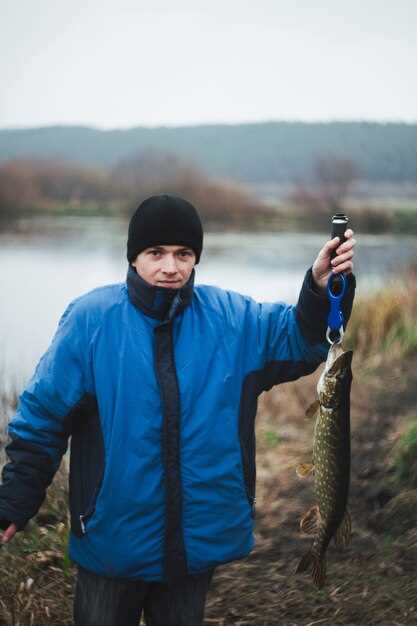
When it comes to bass fishing, selecting the right gear is crucial for success. Many beginners might feel overwhelmed by the vast offerings available. However, understanding what tools you need can make a significant difference. In summer, the bass tends to move into shallows, making it essential to choose gear that can handle various conditions, from rivers to ponds and canals.
One of the first decisions is to pick the right rod and reel combination. A spinning rod is often preferred for beginners due to its versatility and ease of use. Spinning gear works well with light lures like Keitech or Senko, which can mimic the movement of shiners and lizards, enticing bass to bite. It’s smart to experiment with different rod lengths; a longer rod can provide better casting distance and accuracy, while a shorter one might offer better control in tight spots.
The line you select is critical as well. Braided line offers high power and sensitivity, enabling you to feel even the slightest nibbles. In contrast, monofilament line can provide more give, which would help in situations where the bass are swimming among weeds or heavy cover. This flexibility takes practice, as you’ll need to adjust your gear according to the environment and the behavior of the bass.
Hooks and lures come next. Large hooks can seem intimidating but ensure you choose the right size based on the bait you intend to use. For instance, when targeting bass with crayfish imitation lures, hooks need to match the size of the lures, allowing for effective reeling without losing your catch. For many anglers in the states, utilizing lures that resemble local forage, like spotted or shiner baits, is often the best strategy.
Finally, considering your location matters. If you’re fishing a canal with high walls, you might need gear that allows for vertical casts. On the other hand, in an open pond, longer casts might be necessary to reach the best spots. In every case, it is essential to look for conditions that bass prefer: structure, shade, and current are all factors that affect where they might be lurking.
By evaluating your options and considering these factors, you’ll definitely be on your way to mastering your bass fishing skills. Remember, it’s all about practice and being adaptable to different fishing environments. Once you’ve established a routine and found the gear that feels right for you, your chances of reeling in that huge bass will increase tremendously.