


 Português
  English (UK)
  Русский
  العربية
  日本語
日本語  한국어
한국어  Magyar
  Türkçe
  Español
  Čeština
  Svenska
  Ελληνικά
  Suomi
Suomi  Nederlands
  Română
  Italiano
  Français
  Polski
  Українська
  Deutsch
  简体中文
简体中文  Slovenčina
 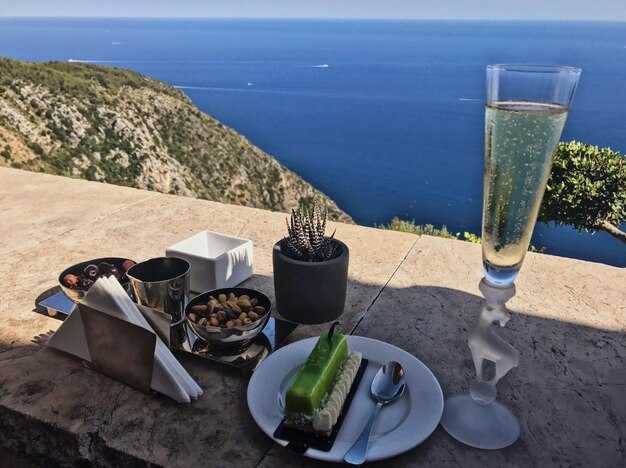 Destination Inspiration – Top 5 Mediterranean Cruising Grounds">

Start your cruise in paros to ground your itinerary in a classic Cyclades vibe: narrow lanes, whitewashed houses, and two lively harbors, Parikia and Naoussa. This first stop delivers a life boost with easy shore excursions, typical island rhythms, and sea breeze on your skin, plus a light morning exercise on deck. You can sail near the gulf between Naxos and Antiparos, with frequent stops for swims. By night, the harborfront lights glow; grab olives, fava, and fresh fish at a nearby market, with supermarkets stocked for longer stays.
Then head to milos to see famous beaches like Sarakiniko, Klima, and the western coast near Pollonia, with often calm seas that suit both beginners and seasoned sailors. Expect an authentic island life pace, with pleasant night strolls, chalk-white cliffs, and anchorages near protected bays where the water runs rich in color. In Milos you find small harbors where fish tavernas line the water and harbors welcome evening arrivals.
Then head to alonissos, a quieter anchor in the Sporades archipelago. This ground rewards sailors with crystal coves, frequent dolphin sightings, and a national marine park that preserves the sea life. Often you’ll find sheltered bays where you can swim, kayak, and walk shore trails. The main harbors in Patitiri and the traditional town of Steni Vala offer tavernas, groceries, and nearby supermarkets for provisions; after sundown, the night market hues give the town a warm glow.
Next, consider the Amalfi Coast, with cliffside towns like Positano, Amalfi, and Ravello forming a dramatic backdrop to a Mediterranean cruise. The gulf near Salerno offers protected anchorages with nearby ferry routes and frequent tender options to shore. Standout harbors at night light up the coast; you can sail close to Capri’s haze and line a day with a visit to a local market and a boat tour to the Emerald Grotto. The typical itinerary blends steep cliffs, lemon groves, and lively spot markets that make a daily stroll irresistible.
Finish in corsica or sardinia for a rugged Med finale, where rugged coastlines meet pine forests and turquoise coves. Corsica’s west coast around Calvi and Ajaccio gives frequent sheltered harbors and night sails along rugged headlands. Expect warm days, often clear seas, and long legs of sailing that still keep you near the coast. If you’re chasing a change of pace, you can anchor in a small bay, find a beach cove, and pair the day with a hike to a cliff overlook, a classic life-on-board rhythm. A quirky note: a candelaria detour occasionally appears on offbeat itineraries, but plan it as a separate add-on rather than part of the core five grounds.
Practical Guide to the Top Mediterranean Cruising Grounds
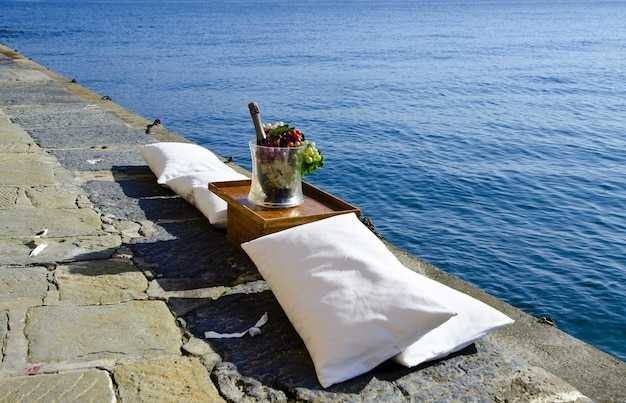
Capraia is the best first stop: capraia mainly offers sheltered anchorages, clear water, and secluded coves ideal for a relaxed start. Rent a small rib to reach uninhabited inlets and a nearby cave, then linger in the wide bays for a sunset swim. Plan 2–3 days here before moving on.
In milos, dramatic limestone cliffs, sea caves, and turquoise water reward patient exploration. For lovers of dramatic coastline, milos delivers; tie up at a calm cove, then use a tender to visit caves and beaches. If you’re shifting from Capraia, build a two‑ to three‑day leg into the schedule to recover from sea miles.
ischia offers multiple marinas, thermal baths, and a lively harbor scene. Use larger marinas such as Ischia Porto or Casamicciola for provisioning, then arrange a rental boat to visit a quiet lido for noon swims. In winter, many facilities close, so plan ahead and verify fuel, water, and dock availability.
komiža sits on Vis and delivers a wide, protected harbor with a relaxed feel. The island offers near-shore marinas, a friendly local scene, and easy access to secluded islets. For a memorable stop, slip into antony Cove, a tiny, sheltered spot that stays calm even when the wind picks up; there you can anchor and enjoy starlit nights. Because the harbor stays calm, it’s ideal for first-timers.
There are typical offshore winds in late spring and summer; to stay comfortable, avoid windy bays after midday and pick lee sides near shore. In winter, prepare for rough water, fewer marinas, and shorter daylight hours; this region is not tropical, so pack extra layers and a warm jacket.
For a smooth cruise, base fuel and water planning on larger ports with reliable supply chains. On milos and ischia, book a rental car or scooter for shore landings. When anchoring, choose deep-water locations and avoid shallow bars to protect the anchor. There are wide anchorages near komiža and capraia; always carry a spare anchor and check local regulations before mooring.
Just plan 4–5 days for Capraia and milos, then 2–3 days for ischia and komiža, totaling about a 9–12 day loop. Over a season, this mix keeps scenery varied and weather windows favorable. If you extend the route to turkey coast, map conservative legs and verify entry rules and maritime regulations before you cast off.
Amalfi Coast: Best time to cruise, docking options, and onshore highlights
For ideal weather and lighter crowds, cruise the Amalfi Coast in May or September.
Overview: The coastline forms a peninsula that runs into the Tyrrhenian Sea, with whitewashed towns clinging to high cliffs and turquoise coves below. Naples, the capital of the Campania region, serves as a convenient gateway; from naples you can combine a visit to Pompeii or Capri with a day along the coast. Usually, large ships dock at Naples or Salerno, while smaller vessels can reach Amalfi itself. What you experience is a rich mix of dramatic scenery, intimate coves, and cuisine-driven shore experiences. If rain arrives, your skipper will adjust the plan so you can still maximize time ashore.
Docking options: Large vessels primarily anchor at Naples or Salerno, with service boats or tenders delivering guests to the coast. For closer access to Amalfi town, some itineraries use a docking window at Marina di Amalfi for smaller ships; otherwise you’ll rely on tender transfers. Skippered catamarans offer a flexible, intimate alternative for coast cruising and visiting secluded bays. In case of a breakdown in scheduling, crews re-route to maintain shore time and avoid long backtracking.
Onshore highlights: Indulge in Ravello’s villa terraces, Amalfi Cathedral, and a stroll along whitewashed lanes toward cliffside terraces. Savor cuisine focused on lemon, seafood, and olive oil, from light antipasti to delizia al limone. For botanical interest, explore gardens with orchids and linaria blooming in season. Seek secluded coves for a private swim, or follow the Path of the Gods for fjord-like views that sweep over whitewashed towns and blue sea. For broader Mediterranean balance, plan an extension to mljet or leucate, or visit a small hamlet such as coressia to diversify the journey while staying connected to the coast.
| Port | Location | Best for | Access | Notas |
|---|---|---|---|---|
| Naples | Gulf of Naples | Large ships, pre/post city stays | Dock or frequent tender and water taxi | Naples is the capital of Campania |
| Salerno | Marina di Salerno | Easy Amalfi Coast day trips | Tender-friendly to coast towns | Common base for Amalfi itineraries |
| Marina di Amalfi | Amalfi town | Direct town access (smaller ships) | Tender to shore | Best for Ravello and Atrani extensions |
| Positano | Amalfi Coast sub-town | Seaside access for mid-size ships | Tender to shore | Docking is rare and depends on itinerary |
| Capri | Island off Sorrento | Private island excursion | Tender-only access | Sea caves, Blue Grotto, scenic hops |
French Riviera & Monaco: Port options, tender vs docked calls, and day-trip plans
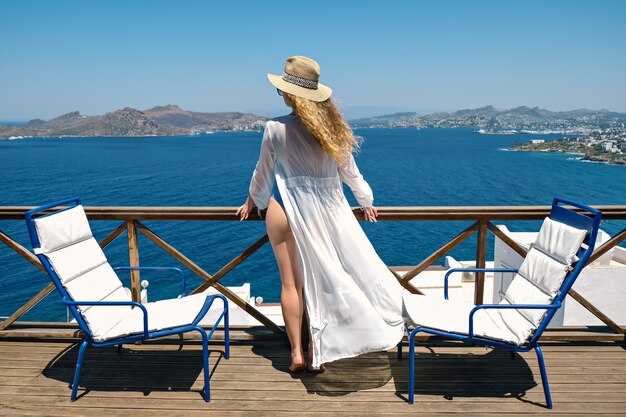
Dock at Villefranche-sur-Mer for Monaco calls; it gives the fastest access to Monte Carlo via taxi or rail and minimizes tender lines. If your itinerary centers on a dock, Fontvieille or La Condamine departures provide reliable transfers to Monaco’s harbor.
Port options along the coast include Nice’s Port Lympia as a practical gateway, Cannes’ Vieux Port for a ferry to the Lérins Islands, and Antibes’ Port Vauban for strolls along the ramparts and a close look at a drawbridge in action. Monaco’s Port Hercule handles smaller ships and supports tender calls when space is tight.
Day-trip ideas: From Villefranche, hop a bus or taxi to Monte Carlo to see the casino, the harbor, and the gardens around the prince’s palace; from Nice, follow a fjord-like cliff path up to Eze, then descend to the sea via the scenic corniche; cap the afternoon with a quick drive to Cap-Ferrat for coves and coastal views.
Families will appreciate a playground stop along the seafront, a half-day boat to the Lérins Islands, and a view of Genoese towers along the coast, plus kid-friendly cafés and gelato stops between port calls. For children, keep the pace gentle and return to the ship with time to spare.
Practical notes: secure insurance, book shore excursions early, and verify tender vs dock status with your line. The season affects crowds; winter brings lower demand, while spring and autumn offer milder temperatures for outdoor exploration. Bring water, sunscreen, and comfortable shoes to explore the corniche and the harbor area just in time for sunsets.
If you plan a broader Mediterranean trips, you can weave Greece destinations such as Santorini and Zakynthos into a year-long sequence. You might also trace a longer route to Gibraltar and explore Genoese heritage along the Ligurian coast, with canal-like town layouts and a drawbridge moment in a charming port town. Linaria blooms along rocky coves as you explore and have plenty of opportunities to explore the Riviera playground across different seasons.
Croatian Dalmatian Coast: Efficient itineraries between Split, Dubrovnik, and islands
Start on saturday with a seven-day loop across these croatias: Split, Hvar, Korčula, Mljet, and Dubrovnik. Split is the largest city on croatias Dalmatian coast, and it makes a strong first impression with a compact core and a lively waterfront. From Split, catch a ferry to Hvar Town in about 1 hour 15 minutes to 1 hour 45 minutes, depending on service. Stay on Hvar for a full day or two to enjoy beaches and the fortress promenade, then take a ferry to Korčula (roughly 2 hours).
Korčula to Mljet ferry runs 45–60 minutes. On Mljet you can ride to the saltwater lakes near Polače or relax on a beach cove; continue to Dubrovnik by sea, about 2 hours. In Dubrovnik, the drawbridge at Pile Gate opens onto the city walls and the southeastern panorama over the old harbor. This leg avoids long road transfers, and if you want extra flexibility, chartering a private boat from Split offers ready schedules and a larger option set. The northeastern breeze often freshens the sea, making these hops feel smooth and well balanced.
Beaches and village life keep the pace lively: Zlatni Rat near Bol offers iconic beach time, Milna on Brač provides sheltered coves, and the village Pupnat on Korčula offers quiet lanes and olive groves. In Split, visit a botanico garden for a relaxed morning; harbor areas along the coast carry a mandraki vibe in places. Cortellazzo power brokers and Leucate comparisons show how varied seafront stops can be when you extend the route, while Candelaria accents hint at a broader Mediterranean rhythm. This plan is suitable for chartering a small yacht or motorboat; check license requirements and arrange a skipper if needed, so you can sail confidently between these sands and coves.
December and winter offer quieter harbors; a saturday departure is still workable, and southeastern winds make the afternoon cruise pleasant, with winds blowing from the northeast at times. The route is well suited for travelers who want to mix local festival moments with sea time; keep an eye on local festival calendars and plan accordingly. When ready, book with a local operator; they handle routes, paperwork, and insurance, and offer fleets with more options in Split and Dubrovnik. If you prefer a self-drive option, ensure you have the license and safety gear; pack light, stay hydrated, and enjoy warm days and cool evenings as you explore these croatias coast.
Greek Islands Cluster: Which islands to include, weather windows, and island-hopping logistics
Recommendation: build a 7–10 day loop around alonissos, Amorgos, Naxos, Paros, and Andros to balance wildlife, coastlines, and ferry times.
Here is a practical way to navigate weather and logistics, with solid data to plan your route and bookings.
-
Which islands to include:
- alonissos anchors the north with calm coves and a marine park; stay 2–3 nights to enjoy Patitiri, Steni Vali, and easy side trips to nearby Skopelos.
- Amorgos delivers dramatic sightlines, cliff paths, and the iconic Chora; plan 2–3 nights to balance hiking and seaside tavernas.
- Naxos provides the wide coastline, fertile groves, and plenty farms; use 2–3 nights as a hub for day trips to nearby islets.
- Paros operates as the central hub for connections to Parikia, Antiparos, and frequent ferry legs; 2 nights keeps the pace relaxed.
- Andros rounds out the cluster with lush plants, pine groves, and a cooler inland feel; count 1–2 nights for easy sailing and hilltop sights.
-
Janelas de oportunidade meteorológica:
- Prevailing northerly winds (the Meltemi) period heavy in July–August; plan to open the itinerary in late May–early June or September–early October for the smoothest seas.
- Sea state typically 1–2 m in shoulder months, rising toward 2–3 m in peak summer on exposed hops; a 2–4 hour hop time is common in calm windows.
- Sea conditions often kinder in the mornings; reserve afternoon plans for sheltered coves or towns with strong harbor protection.
- Wintry cold fronts rarely affect these islands; still, pack light rain layers and sun protection for long days on deck.
-
Logística de salto em ilhas:
- Opções de ferryferries convencionais cobrem a maioria dos trechos (Amorgos–Naxos, Naxos–Paros, Paros–Andros) com durações de aproximadamente 2–4 horas para percursos mais longos e 0,75–1,5 horas para trechos mais curtos. Catamarãs de alta velocidade reduzem esses tempos em cerca de 30–60 minutos, quando os horários permitem.
- Portos e rotascomeçar atrasadamente em Atenas (Rafina ou Piraeus) ou voar para Naxos ou Paros; as principais conexões operam entre Naxos, Paros, Andros e Amorgos, com Alonissos acessível via Volos ou rotas de Skopelos, depois seguindo em balsas menores.
- Booking tips:
- Reserve as passagens com antecedência, especialmente maio–junho e setembro–outubro; Saturday vela é popular e tende a ser confiável, mas as vagas se esgotam rapidamente.
- Reserve cabines ou assentos de lounge em voos mais longos para garantir conforto após um dia de turismo – isso torna o open passagens marítimas head e ombros acima de um convés lotado.
- Compre ingressos combinados que cubram múltiplas paradas para garantir um preço e proteger contra alterações no horário.
- Dicas logísticas:
- Choose type de barco por perna: balsas convencionais para passeios panorâmicos e maior franquia de bagagem, de alta velocidade para economia de tempo, mas com menos espaço.
- Em Alonissos, use Patitiri ou Steni Vala como seus pontos de partida; a partir daí, curtos saltos conectam a Skopelos ou de volta a Volos para viagens adicionais no continente.
- Em portos principais, contrate um piloto local para atracação segura em enseadas estreitas–isto abre acesso a enseadas mais tranquilas e permite que você prolongue um dia com um mergulho ao pôr do sol.
- Esboço prático de roteamento:
- Comece em Alonissos (2–3 noites).
- Viaje para Amorgos (2–3 noites).
- Siga para Naxos (2–3 noites) para uma base com extensa costa e colinas cheias de vegetação.
- Mova-se para Paros (2 noites) para ter acesso fácil aos ferries e viagens de um dia para Antiparos.
- Finalize em Andros (1–2 noites) antes de uma ligação para o continente via Rafina ou Volos.
- Mentalidade de reserva:
- Prepare backups for weather-related delays; have flexible days, especially around Saturday partidas.
- Carregue uma capa de chuva leve, um conjunto de binóculos compacto para sight de golfinhos e aves marinhas, e um pequeno kit de primeiros socorros para saltos rápidos na costa.
- Notas sobre conexões:
- De Naples ou Albenga, planeje um voo para Atenas e conecte-se a Rafina ou Pireu; então comece o circuito das ilhas no trecho mais rápido disponível.
- Fãs de um swing sulista podem adicionar um desvio à costa Jônica ou à região de Kalabaka, mas mantenham o cluster principal intacto por simplicidade logística.
- Stefan e outros viajantes frequentemente usam Kotor e outras bases no Adriático como inspiração; o conjunto grego oferece uma transição mais suave para a vida nas ilhas com uma mistura semelhante de história e costas.
-
Dicas rápidas para deixar tudo mais fluido:
- Embale leve, mas pronto para sol, vento e algumas noites frescas no convés.
- Reserve acomodações em cidades com portos que também ofereçam fácil reembarque pela manhã.
- Mantenha flexibilidade nos planos diários para aproveitar ventos favoráveis e ancoradouros abrigados; essa abordagem garante uma experiência ampla ao longo da costa sem pressa.
Costa de Montenegro: Destaques da Baía de Kotor, dicas de ancoragem e experiências à beira-mar perto de Budva
Ancore fora de Budva em 8–12 m de água, em um fundo arenoso, com amplo espaço para balanço e um caminho de saída desimpedido para o canal. Esta configuração mantém seus monocascos confortáveis enquanto você aproveita o acesso rápido à costa para abastecimento, nados e experiências à beira-mar.
A área da Baía de Kotor é conhecida por sua paisagem dramática e cidades fortificadas. Em Kotor, as antigas muralhas da cidade erguem-se acima de ruas estreitas e casas em terraços, oferecendo uma atmosfera medieval que permanece lendária para navegadores experientes. A Perast o lado apresenta as pequenas ilhotas de Nossa Senhora das Rochas e St. George com palácios à beira-mar e a fortaleza de Mamula ancora o flanco noroeste da baía. Além disso, os lados de Luštica e Tivat oferecem água expansiva que acomoda plenty of anchorages for monohulls seeking quieter approaches and subtropical Pôr do sol no Adriático. Estes típico cenários, além da proximidade de Budva, criam uma experiência costeira completa que combina uma costa acidentada com cidades encantadoras.
Dicas de ancoragem: prefer wind from the suco (sul) direção mais cedo no dia para evitar empurrar barcos em direção a costas rochosas, e favorecer ondulações do mar aberto, longe de canais movimentados. Na área de Budva, considere ancorar ao largo de Bečići ou do lado de Sveti Nikola em 8–12 m de água, usando um longo alcance de corrente (15–25 m) e uma âncora robusta fixada na areia. Se precisar de mais proteção, dirija-se à costa da Baía de Luštica, onde enseadas rasas oferecem água mais calma e espaço para monohulls para ancorar em profundidades de 6 a 10 m. Mantenha sempre as sondagens de profundidade ao alcance da proa e da popa, e monitore o VHF para tráfego local e atualizações da marina. Para aqueles que planejam saltos mais longos, as áreas de Luštica e Kotor oferecem oportunidades para redefinir e reabastecer antes de continuar ao longo de direção de sua rota.
As experiências à beira-mar perto de Budva combinam história, praias e sabores locais. Em Budva, a Cidade Velha é um labirinto compacto de ruas de pedra, ameias e tabernas de frutos do mar onde pode passear algumas horas, depois prolongar para bebidas ao pôr do sol. Logo a norte, a Praia Jaz e a Praia Mogren oferecem extensões arenosas adequadas para uma rápida pausa na praia, enquanto Sveti Stefan apresenta um ambiente de resort numa ilha lendária a uma curta distância da costa. Viagens de um dia muitas vezes incluem Petrovac ou os dramáticos sopés de Lovćen, e uma rápida viagem de autocarro pode ligá-lo a komiža-estilo de memórias da ilha e vibrações do Mediterrâneo que ecoam por toda a região. Essas experiências na costa são fáceis de experimentar durante um cruzeiro em Montenegro, com plenty de opções ao alcance e oportunidades frequentes para combinar natação, refeições e passeios turísticos.
These experiências fazem parte de uma rotina mais ampla do Adriático que os marinheiros seguem estação após estação. Em roteiros mais longos, os marinheiros comparam Budva com outras paradas como jesolo e palmas para diferentes padrões de vento e texturas de costa, enquanto učka e vela oferecem vistas panorâmicas próximas e ancoradouros abrigados que se adequam monohulls seeking calm evenings. Whether you’re chasing legendary sunsets or quiet anchorages after a busy day, Montenegro’s coast delivers a balanced mix of water, shore, and culture that keeps your map full and your crew satisfied.