


 Português
  English (UK)
  Русский
  العربية
  日本語
日本語  한국어
한국어  Magyar
  Türkçe
  Español
  Čeština
  Svenska
  Ελληνικά
  Suomi
Suomi  Nederlands
  Română
  Italiano
  Français
  Polski
  Українська
  Deutsch
  简体中文
简体中文  Slovenčina
  Deadrise Explicada – O Que É e Como Afeta o Desempenho do Barco">

Recommendation: choose a hull-bottom geometry with a balanced V-angle to improve lift in seas; stop broach in challenging conditions. This strategy works often in marinas, open water. It relies on proper angles that you can tune yourself for your vessel.
For vessels, the bottom profile centers on the keel line; measurement of angles guides designs; this configuration affects stability in north seas; certain options promote stable lift, steadier trim, enhancing dynamic capability in challenging conditions.
In marinas or shallow waterways, the same principle matters: a gentler lift curve reduces keel slap; makes turning at low speed safer; stopping unnecessary corrections helps maintain momentum.
To evaluate options, compare several bateaus variants; log a few measurement outcomes; assess how each set of angles affects lift; the tendency to broach under waves; use this yourself to choose a configuration that matches your intended use.
In practice, if you sail in seas with higher surface activity, prioritize a design that sustains dynamic response while keeping the keel engaged; this strategy helps vessels remain steady and predictable; supports you to always refine settings to suit your region.
Practical Guide to Deadrise in Bay Boats for Coastal Conditions
Start with a mid-range angled bottom around 20–22 degrees to obtain smooth travel in typical coastal chop; this common setup improves stability, hull lift, plus sideways control in gusty conditions.
Bottom shape matters: a hull characterized by a pronounced V at the forward section yields faster travel through chop; a smoother, blended slope reduces spray, fatigue. For north coastal conditions, select a bottom that maintains lift at lower RPM; this helps watercrafts stay in a smooth plane with less trim change across travel speeds.
Draft limits where operation occurs. Shallow bays favor a smaller draft; deep-water areas tolerate more. Typical ranges include 10–14 inches for compact units, 14–20 inches for mid-size hulls; much depends on keel height, engine height, and weight distribution.
Weight distribution matters: position heavier gear toward the center to keep a level, smooth ride; watercrafts gain tracking with ballast kept low, centered; travel pace remains steadier in surge; chine slip reduces.
Testing plan: spend time in varied tides; note felt differences with different trim; ballast; loading. Keep a log; record side force, depth, top speed, fuel burn. Many tweaks improve operation for coastal work, such as charters or family outings.
When considering upgrade in a north coast scenario, choose a model with a bottom angled toward the bow; costs accumulate, spend accordingly; such a choice improves resilience to chop, yields more confident travel for someone navigating coastal channels.
What exactly is deadrise? Definition, measurement, and typical angles
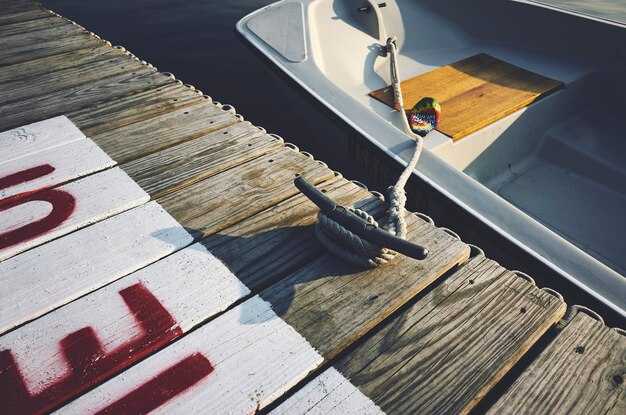
The effective hull bottom incline equals the angle where hull bottom meets the waterline, measured at midship. This value governs vessel behavior in waves, modern watercrafts show improved ride comfort; greater stability; faster progression at speed. Higher numbers produce a sharper V; shifts load toward the keel; increases buoyant support under demanding conditions. Lower values create a softer feel; confidence remains in rough water during operation.
- Midship reference: locate center plane along hull bottom;
- Waterline reference: mark level at the same frame;
- Measurement: use inclinometer to capture the angle relative to waterline at hull bottom; record values for several stations; compute average;
A final note: a variety of hull designs yields ranges that vary with models; generally, the ranges offered here apply across common configurations.
- Soft bottom: 6–12°; common on light watercraft; stable operation in calm conditions; seat springs help reduce motion;
- Moderate V: 12–18°; common in cruisers; balance ride quality; efficiency at speed; buoyant support rises in chop; confidence during operation improves;
- Deep V: 18–28°; models excel in rough water; higher angle yields sharp hull entry; keel carries more load; confidence during operation remains high;
- Extreme fast planing: 28–40°; craft require skillful trim; load shifts influence stability; high confidence in expert hands.
Generally, choosing a deeper rise benefits operation in high seas; a softer bottom favors efficiency on calm water; the best selection varies with a variety of models and intended conditions, improving overall reliability and buoyancy in marginal seas.
How does deadrise influence ride quality, stability, and spray at different speeds
Recommendation: choosing a hull with a deeper deep-vee profile decreases spray, improves stable ride, speeds up response in chop.
- Ride quality at planing speeds: flat-bottomed boats show spray along chines; deeper deep-vee lifts earlier; hull feels buoyant; travel becomes smoother; most riders notice a cleaner transition from displacement to planing; over time, this helps improve acceleration.
- Stability for resting positions in chop: higher v-angle yields a wider stable footprint; hulls above water remain steadier in gusts; beam width matters; boatworks design allows crew comfort during poling or slow travel in shallow water.
- Spray behavior across speed ranges: higher v-angle reduces spray height; wake moves down; just enough to keep deck dry; fresh spray stays away from the cockpit; this approach suits moving at high speed or slow drift alike.
- Practical selecting tips: choosing boats for poling shallow flats or cruising at speed; dont expect flat-bottomed shapes to behave like deep-vee in chop; those hulls offer buoyant feel, better lift, quicker response; width, chines, overall hull shape influence the tradeoff between stability, speed; next, test in calm water, move to rough water to feel lift, spray, ride quality.
Bay boat hull design: how deadrise interacts with keel lines and coastal wave action
Recommendation: keep a midsection vee around 15–18 degrees; taper keel lines; forefoot rises smoothly toward the bow; zero rocker in the middle; this setup delivers best tracking in rough seas.
Typically north coast waterways feature variable chop; a shallow vee minimizes spray, improving start reliability in mini-season trips; a deeper vee boosts stability during larger seas; marinas along routes favor hulls with smooth transitions, less spray, better control.
Keel lines interact with coastal wave action; rising toward the bow to cut through forward chop; smoother transitions stop spray, improve lift, reduce pounding; there are ones who prefer a slightly steeper response for big seas; without careful measurement, results suffer.
| Parameter | North coast range | Notas |
|---|---|---|
| Midsection vee | 14–18° | Typically best balance |
| Keel line slope | 0.5–1.5° per m | Gradual transition reduces spray |
| Rocker | 0 | Zero rocker aids smooth waters |
| Weight placement | Centerline preferred | Improves trim in rough seas |
For hobby builders, practical vessel design favors a shallow vee, lighter stringers; engine weight positioning near the keel bed improves trim; start with a baseline measurement to see how weight shifts affect ride.
People in marinas along tides test bateaus; an atlas of hull designs helps compare options; others provide field data, showing how much ride quality depends on wave height in waterways.
This isnt a luxury reserved for pros; modern hulls, typically built for waters, require a measurement approach by hobbyists; vessel operators; crews.
Does the geometry deliver better efficiency? These tweaks make a visible difference; much of the gain comes from smoother lift, steadier trim, cleaner planing in waters; stop guesswork.
Shallow-water performance: deadrise impact on draft, trim, and maneuverability
Recomendação: lastrear à proa para manter um nível de linha d'água; isso reduz o afundamento da popa; diminui o calado em profundidades variáveis; melhora a manobrabilidade em marinas e vagas apertadas.
O estilo deep-vee proporciona uma condução suave em águas agitadas; em águas calmas, a mesma geometria aumenta o deslocamento na água assim que o peso se posiciona na popa; o calado aumenta modestamente à medida que a proa afunda; este impacto altera o trim.
Exemplo: em marinas onde a profundidade da água varia entre 0,5 m e 1,4 m; o ajuste do lastro muda com a carga; use lastro dianteiro para manter a proa alta durante manobras de baixa velocidade; há muita perda de controle se o lastro ficar na parte traseira.
Fatores variáveis moldam os resultados: distribuição de carga; estado do mar; forças propulsivas; profundidade da água.
Ações práticas: mantenha o equipamento pesado para a frente; ajuste a velocidade para cerca do limiar de planeio; mantenha uma transição suave para o planeio para evitar um afundamento abrupto; um ângulo de trim elevado em velocidade zero ajuda a reduzir o balanço do proa em águas rasas.
Em resumo: para operações em águas rasas, você quer manter o processamento do empuxo suave, monitorando o ajuste fino; essas ações deslocam o barco em direção a um ótimo equilíbrio em diferentes profundidades.
Dicas de compra: verificações e testes rápidos para avaliar o deadrise em um barco de caça.
Comece com uma verificação na doca: compare as marcas da linha d'água em repouso, observe a elevação da proa, observe como o deslocamento da carga altera o perfil.
Testes estáticos: tenha alguém a bordo para simular o peso da tripulação, depois mova-se entre os pontos de acesso de proa, centro e popa; observe como as mudanças de peso afetam o levantamento, desloca os ângulos, o equilíbrio e a resposta do casco a forças externas.
Verificações dinâmicas: execute na velocidade de planeio em águas calmas, observe a influência do vento; fique atento a tendências de deriva, como o proa elevando-se inesperadamente ou perda de aderência em águas turbulentas.
Testes de carga: repetir com carga mais pesada, aproximando-se do máximo recomendado; comparar alteração da linha d'água, elevação do proa, condução mais suave quando as ondas mudam de águas rasas para ondulações de dorso.
Características de condução: chanfro de entrada menor resulta em ângulos de entrada mais nítidos; maiores elevações afetam a suavidade da condução em águas agitadas, como em vias navegáveis setentrionais com vento.
Plano de marcação: observar a confiabilidade do equilíbrio sob diferentes modos de operação; testar durante a aceleração do motor, frenagem, viradas; tempos em que o avanço é mais provável em mudanças de vento.
Nota de orientação norte: para vias navegáveis ao longo de rotas setentrionais, escolha formas que favoreçam a elevação sem elevação excessiva da proa, não comprometendo a estabilidade na água.
Resumo de acesso: documentar como o casco reage a cargas perto das marcas de comprimento total, monitorar deslocamentos da linha d'água sob pesos mais pesados, confirmar que a resposta permanece mais suave em longas distâncias; comparar com formas de casco mais estreitas.
Efeitos na condução: a distribuição de peso afeta a resposta de inclinação; a sensação de direção muda sob mudanças de vento.