


 Português
  English (UK)
  Русский
  العربية
  日本語
日本語  한국어
한국어  Magyar
  Türkçe
  Español
  Čeština
  Svenska
  Ελληνικά
  Suomi
Suomi  Nederlands
  Română
  Italiano
  Français
  Polski
  Українська
  Deutsch
  简体中文
简体中文  Slovenčina
  Damn Good Morehead City Fishing Charters – Top Deep Sea & Inshore Fishing">

Opte por um passeio guiado de meio dia se procura ação e uma hora de regresso fiável. O seu barco parte de Harkers Island, com foco na verificação das linhas e visando estruturas costeiras e zonas de pesca ao largo para oportunidades consistentes. Esta configuração é ideal para pescadores que valorizam a eficiência e um plano direto, regressando com histórias novas e equipamento pronto para a próxima saída.
Em seguida, escolha o formato que se adapta à sua agenda: opções de meio dia ou dia inteiro. Saindo da marina, pode ter como alvo blocos offshore ou recifes próximos, com um guia experiente e material de pesca abundante à disposição. O tipo de alvo pode ser ajustado ao seu nível de habilidade, garantindo uma experiência tranquila para quem se inicia.
O que trazer para conforto e segurança: calçado com boa tração, um casaco leve, protetor solar e uma toalha leve para depois da viagem. A tripulação verifica o equipamento e as linhas antes de cada lançamento, e o número de pescadores por barco é geralmente mantido entre quatro e seis para manter a ação gerenciável. Enquanto estiver a bordo, o seu guia irá adaptar as dicas às suas habilidades, direcionando-o para conquistas rápidas e recolhas limpas.
Na costa, a vida na ilha oferece ample opções com negócios nas proximidades, mercados de peixe e marisqueiras informais que celebram a pesca do dia. A zona acolhe vários torneios durante todo o ano, e a multidão junto ao porto é enorme durante os eventos. Depois da viagem, as famílias juntam-se frequentemente para uma sessão rápida de natação ou um passeio ao pôr do sol, dando-lhe a oportunidade de relaxar e comparar notas com outros pescadores.
Se reservar, terá certamente uma experiência guiada que se adequa aos seus objetivos. A tripulação mantém os horários fiáveis, os barcos em bom estado e o capitão ajudá-lo-á a planear o seu próximo dia de pesca. Se gosta de sessões diretas e repletas de ação com um serviço simpático, esta opção deve ser a sua primeira escolha.
Guia prático para reservar e desfrutar de charters em Morehead City
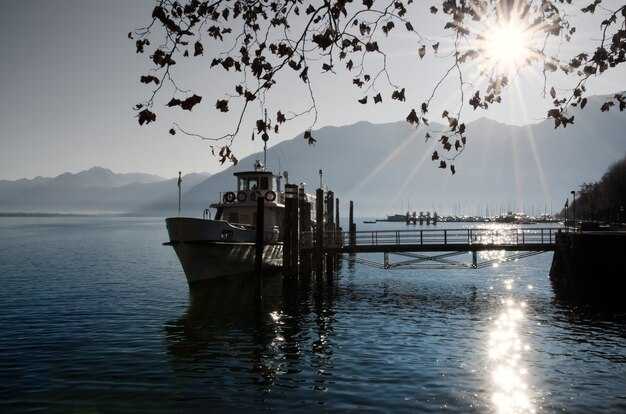
Comece por reservar com um capitão licenciado e selecione um plano com cancelamento facilitado; uma viagem de dia inteiro ao largo maximiza as hipóteses de espadarte e outros alvos de pesca desportiva, enquanto uma opção perto da costa é adequada para famílias e mares mais calmos ao longo de águas azuis para lá das praias. Quando as condições forem favoráveis, regressará com aventuras incríveis.
Consulte calendários em tempo real de locais próximos para comparar barcos, equipas e tarifas diárias; avalie as credenciais de segurança da equipa, o tamanho do barco e o equipamento, e confirme vagas disponíveis em vários mercados. Questione sobre saídas ao amanhecer ou ao final da manhã para aproveitar as correntes variáveis; muitos operadores disponibilizam equipas bilingues, incluindo pessoal que fala espanhol.
Prepare o equipamento prático: proteção solar, vestuário leve em camadas, água, snacks e uma pequena geleira para as capturas. Leve uma capa à prova de água para o telemóvel e protetor solar adequado para recifes. Reveja as condições de cancelamento para evitar penalizações se o tempo piorar; ter janelas abertas no seu plano de viagem dá-lhe flexibilidade ao longo dos dias. Se for necessário carregar equipamento, uma plataforma de barcaça no cais pode ajudar.
Dia de partida: chegar cedo à doca perto de Beaufort; conhecer a tripulação, receber informações de segurança e rever a rota planeada e os potenciais alvos. Espere ação em águas profundas e destroços perto da costa; desfrute de vistas deslumbrantes e de uma incrível série de momentos durante o dia, com oportunidades para conseguir capturas memoráveis, se as condições o permitirem.
Após o teu resultado, regista o feedback e planeia uma futura sequência de aventuras; muitos barcos fornecem atualizações em direto sobre os locais e as condições atuais. Podes criar novos planos, com atividades de lazer e políticas de cancelamento flexíveis, para perseguir limites ao longo do golfo e da costa, com os ventos de oeste a guiar os teus próximos dias.
Espécies-alvo e equipamento: mar profundo vs costeiro em Morehead City
As expedições em alto mar são ótimas para espécies de grande porte como o atum-rabilho e o lírio; a pesca perto da costa é adequada para o pargo-vermelho e a cavala-real.
- Alvos offshore: atum, lírio, cavala-rei. Material de pesca: equipamento de classe 80–130 lb, estropos de 100–150 lb e amostras de corrico. Iscas como ballyhoo e grandes opções de isco vivo são as que melhor funcionam. Embarcações guiadas e equipadas partem das docas de Evans perto de Beaufort e Swansboro, rumo a águas federais. Quem se estreia opta muitas vezes por meio-dia para aprender a configuração; há casas de banho a bordo e as tripulações lideram o caminho na montagem. Os custos variam consoante a duração, para se adequarem a grupos ou indivíduos.
- Alvos perto da costa: corvina-ruiva, truta-malhada, linguado. Equipamento: equipamento de classe mais leve de 12–25 lb, carretos de spinning ou convencionais, amostras de plástico macio, camarão vivo e pequenas colheres. Derivar ao longo de docas ou em direção a enseadas de ilhas para ação constante, especialmente no outono. Uma visita de meio dia é popular para grupos; Caitlyn, Jeffrey e Austin reservaram uma viagem do lado de Myrtle em direção à ilha. Casas de banho e acesso ao cais aumentam o conforto; os custos são geralmente mais baixos do que os dias em alto mar.
Melhores alturas para pescar: horários de pico de mordida por estação
Tome a aurora e o crepúsculo como referência: as melhores janelas de oportunidade ocorrem quando as condições meteorológicas mudam e as marés empurram o isco ao longo das extremidades exteriores e zonas lodosas. Para viagens prolongadas, alinhe as partidas com as marés cheias ou vazias para encontrar oportunidades e maiores probabilidades nos seus locais favoritos.
Primavera (Mar–Mai): a água sobe dos 10°C e poucos até aos quase 20°C. As melhores alturas para pescar são das 6–9 da manhã e das 4–7 da tarde. O peixe-cabeça move-se para plataformas largas e periféricas na costa leste, com o escoamento da bacia hidrográfica de catawba a alimentar os estuários que encaminham o isco para as costas da Carolina. O atum começa a aparecer ao largo mais tarde na estação, enquanto o peixe-azul vagueia pelas baías. Nas baías costeiras, o pargo-ruivo e o linguado mordem após as frentes, especialmente perto de taylors edge e lookout spot. Marcar uma viagem com antecedência aumenta as suas probabilidades de pescar, pois permanece muito isco disponível e o tempo mantém-se bom.
Verão (Jun–Ago): as temperaturas atingem os 20 e poucos graus nas baías e nas margens da plataforma continental. As melhores janelas são das 5–9h e das 18–22h. O atum de alto mar patrulha as margens da corrente; o peixe-cabeça frequenta os relevos da margem da plataforma; o enchova persegue o isco ao longo das margens e à volta das correntes perto das enseadas. Espere mais capturas perto de áreas com estrutura e isco persistente; os capitães experientes sabem para onde ir para encontrar a maior ação e para adicionar múltiplos alvos numa só viagem.
Outono (Set–Nov): o tempo a refrescar intensifica a atividade ao longo das áreas costeiras. As melhores janelas são das 6–9h e das 17–20h, especialmente após as frentes quando os ventos se mantêm moderados. Os peixes-tambor-vermelhos movem-se para a foz dos rios, e o linguado morde ao longo dos fundos macios perto de riachos e baías. Ao largo, o atum e o peixe-cabeça juntam-se perto das zonas de limite onde o isco é abundante; procure por isco à volta de lookout e taylors edge. Reservar dias prolongados pode render peixe capturado em vários locais.
Inverno (Dez–Fev): o tempo mantém-se limpo e estável em dias calmos. As janelas de oportunidade para pescar são curtas, mas existem entre as 11h e as 14h, quando o sol aquece zonas planas e estruturas reforçadas pouco profundas. Peixes-azuis e outras espécies de água fria mordem durante as mudanças de maré; ao largo, o peixe-azulejo e o atum aparecem em viagens prolongadas quando as frentes impulsionam bolsas de calor. Planeie locais de vigia e áreas favoritas ao longo da costa da Carolina. Capitães experientes ajudam a encontrar as melhores oportunidades, e a reserva flexível permite-lhe ajustar-se ao clima para obter mais capturas.
O que levar e vestir: uma lista de preparação para viagens costeiras
Use tops de secagem rápida e respiráveis e um chapéu de aba larga; combine com óculos de sol polarizados e protetor solar FPS 30+ para dias numa corrida costeira de meio dia ao longo do canal. Leve um casaco leve impermeável para aguaceiros repentinos e salpicos de vento, mantendo as camadas perto e fáceis de ajustar de minuto a minuto.
Mantenha o equipamento perto do corpo no convés: uma arca frigorífica compacta para bebidas, um saco estanque para eletrónicos e meias sobresselentes para momentos de rail molhado. Se prevê um percurso com várias paragens ao longo do contorno inferior e zonas de surf, adicione um corta-vento leve, uma toalha pequena e uma ferramenta multifuncional com corta-fios. No calor do verão, escolha tecidos de drenagem de humidade da cabeça aos pés e adapte as suas camadas às condições; a tripulação alinhará opções nos barcos e deixará suprimentos frescos entre as paragens.
| Item | Purpose | Notas |
|---|---|---|
| Duas camisolas de secagem rápida | Camada refrescante de secagem rápida | Leve, respirável; leve um sobresselente para dias com clima variável. |
| Top UV de manga comprida | Sun protection | Recomendado com UPF 30+; útil durante as horas de maior exposição solar |
| Wide-brim hat | Proteção da cabeça e da face | A coroa ventilada ajuda no conforto na água |
| Óculos de sol polarizados | Redução do brilho, visibilidade na água | Correia de retenção com fixação, preferencialmente 1 par |
| Sunscreen SPF 30+ | Proteção da pele | Reaplicar a cada par de horas; o tipo resistente à água ajuda durante a pulverização |
| Lip balm with SPF | Proteção labial | Levar extra num saco estanque |
| Capa de chuva leve | Proteção contra intempéries | Dobrável; útil se as nuvens chegarem ou o vento aumentar |
| Towel | A secar-se | A microfibra compacta funciona bem em viagens curtas |
| Water bottle | Hydration | Reinforce with a couple liters for the day |
| Dry bag | Protect electronics and valuables | Keep small items sealed during spray |
| Snacks | Energy for the channel run | Non-messy choices; lightweight, portable |
| Medications | Personal care | Bring necessary prescriptions and first-aid basics |
| Insect repellent | Buggin protection | Light spray; reapply as needed |
| spare socks | Foot comfort | Extra pair in case of spray or waves |
| Footwear: boat shoes or non-slip sandals | Traction on deck | Supportive, quick-dry material |
| PFD (personal floatation device) | Safety | Personal option; life jackets are available aboard |
| Phone charger / power bank | Electronics | Keep battery topped up between drops |
| Small tackle kit (optional) | Optional gear for mullet or kingfish along the channel | Compact box with hooks, pliers, and a few spare lines |
| Map or offline charts | Navigation backup | Printed or downloaded to phone for quick reference |
Gear and boat comparisons: what affects your day (boat size, captain, inclusions)
Start with a 24ft vessel when you need balance between ample space and easy handling; the front deck and sundeck provide ample room for gear and line work, while still reaching offshore structure within an hour or two.
Captain choice matters more than hull size: seek a friendly, experienced guide who knows the locale; the best captains were drawn from crews that grew up near emerald coasts, making pace adjustments natural, and were able to adapt to changing conditions with clear communication and calm decision-making.
Inclusions define real value: in a crowded locale, competition means you must verify what’s included in the basis–fuel, tackle, licenses, fish care, ice, and insurance. Peruse the list and ask about extra charges for gear or processing. This clarity saves surprise costs and keeps the day prime.
Gear and vessel specifics: ensure a dependable powerplant (for instance, a Yamaha outboard) and robust deck gear (scotty downriggers, gaffs, pliers). Check electronics, VHF, GPS, and safety gear; verify that the vessel was made to handle marine conditions with ample redundancy and reliable maintenance.
Seasonal reach and targets: First light days in June and spring offer amberjack and tarpon near emerald flats; choose a platform able to reach those zones. A 24ft design with a comfortable sundeck and ample front space helps every angler stay engaged during those long sessions.
Practical steps: compare three options side by side; examine the front area, cockpit width, and overall deck layout; confirm hour rates and inclusions; ensure the vessel has a solid basis for your need and that the crew is willing to adapt to your pace for a very productive day.
Planning your trip: booking, weather, safety and etiquette
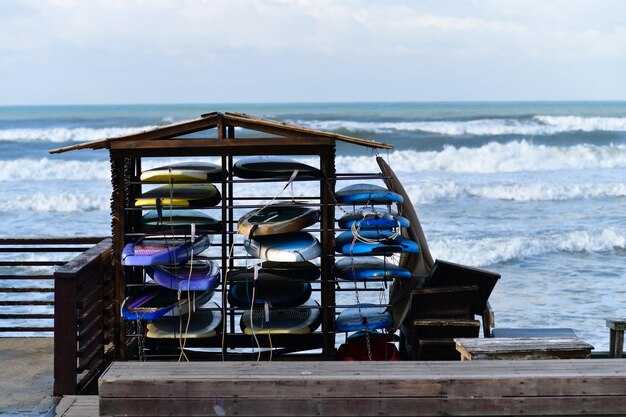
Book prime slots six to eight weeks ahead to secure a reliable vessel and avoid expensive last-minute options. Plan from the corner of the harbor where piers extend and nearby businesses operate; youll save drive time and gain flexibility for kids and parents. Choose a provider with a transparent daily rate and a clear cancellation policy, and seek an array of options with a captain who has an excellent safety record; there, a steady schedule reduces stress.
For booking, consult a trusted annual guide and compare options with several businesses; make sure there is a live person you can contact to answer questions and confirm cancellation terms, including any exceptions. Beware false hype from less scrupulous outfits; caitlyn warns about checking credentials, permits, and safety gear before you commit. Your slot is held once payment clears, ensuring you have time to plan the rest of the venture.
Weather planning: track the forecast for the coming days and aim for a calm morning; prefer conditions that minimize wind and chop, and note the sun angle at the point you’ll depart. If conditions worsen, switch to a sheltered nearby area with a shorter drive and a lighter crew, which keeps the trip exceptional for families and first‑timers alike.
Safety and etiquette: arrive early, bring life jackets for kids, and listen to the crew’s briefing; keep decks clear and avoid blocking the corner of the vessel. Speak softly near piers, structures, and other crafts, and show respect to captain shepard and the crew by following signals and staying with your person and group to prevent anyone from going overboard.
Logistics and aftercare: plan rental gear ahead, verify you have personal items, sunscreen, and a plan for the catch; note that anglers often land snapper and other species, and record the days and landed counts in your annual guide. When the trip ends, return gear on time, wipe down rental equipment if required, and leave a quiet, clean deck. This approach fosters good relationships with nearby businesses and guides who run similar ventures, ensuring a smooth, repeatable experience for all involved.