


 Português
  English (UK)
  Русский
  العربية
  日本語
日本語  한국어
한국어  Magyar
  Türkçe
  Español
  Čeština
  Svenska
  Ελληνικά
  Suomi
Suomi  Nederlands
  Română
  Italiano
  Français
  Polski
  Українська
  Deutsch
  简体中文
简体中文  Slovenčina
 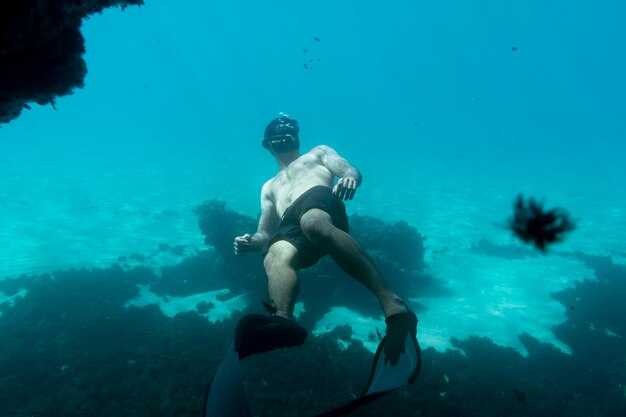 Category Diving in Hawaii – The Ultimate Guide to Top Diving Spots, Gear, and Safety">

Recommendation: Start with a three-island itinerary that emphasizes the archipelago’s diversity, giving you a great balance of surface comfort and underwater exposure. If you’re getting into the gear mindset, this approach keeps momentum without overwhelming you. Focus on lava tubes, reef passages, and wrecks, then rotate through morning trips to maximize visibility and chances to observe feeding events and plâncton blooms. This opportunity comes with a side of memorable adventures and helps you realize your dream of exploring Hawaii’s currents with confidence.
Molokini Crater, Maui: The crescent caldera delivers reliable visibility and calm conditions. Expect 30–100 ft views and depths around 20–40 ft in the inner reef, with sea life including schooling fish and occasional turtles. Operators run morning trips from Kihei and Maalaea, and the site is ideal for photographers who want a clean backdrop and easy entry. You’ll be near plâncton hotspots during certain seasons, which can attract dramatic feeding events for larger pelagics nearby.
Kona Coast, Big Island: The night manta encounter is a signature adventure with a high probability of sightings; mantas reach 12–15 ft wingspan and glide through 70–100 ft visibility at night, in water around 72–78°F. Dress in a 3–5 mm wetsuit for comfort, bring a primary and backup light, and listen to your guide’s safety briefing on feeding areas and entry procedures. Lava-tube passages along this coast enrich the experience, offering surreal channels between molten formations–an opportunity to learn about the volcanic past while staying within your limits.
Wrecks, currents, and safety on Oahu and Kauai: On Oahu, several shallow wrecks lie in sheltered areas, offering accessible connections to ship history and vibrant reef life. When planning a trip, consult a licensed operator and follow depth limits; regarding currents, always plan an exit and keep an eye on air. Use a surface marker buoy to signal your side of the team and to aid safety. For Kauai, drift dives along the north shore require local guidance for the best visibility and experience.
Gear, planning, and safety basics: Start with a 4/3 mm or 5/4 mm full suit for year‑round comfort, a good mask and fins, a regulator with an alternate, and a computer with safety stops. Pack a surface marker buoy, whistle, and reel for entry-and-exit scenarios near lava shelves or wreck lanes; consider a small camera rig for adventures and keep a second light for night sites. For your itinerary, schedule two to three main dives per island and leave space for rest days to recover and getting used to Hawaii’s currents. These choices give you a steady rhythm and ensure you have enough energy for your best shots and most memorable moments.
Regional Dive Planner and Gear Checklist for Hawaii
Start with a practical plan: base in Honolulu as your hub, then schedule inter-island hops to kauais and other islands, limiting to three sites per trip to keep the pace comfortable. This approach keeps the feet moving and helps you manage dozens of options across the state while staying on top of changing conditions.
Gear for Hawaii action splits into personal items and operator gear. Personal kit should include a low-volume mask with tempered glass, a compact snorkel, fins, booties in 3-5 mm, a 3/2 or 4/3 wetsuit, a weight belt, and a buoyancy compensator with a reliable regulator and octopus. Rent tanks, weights, and other essentials from local ops when possible to stay flexible for inter-island moves. Carry a surface marker buoy, whistle, waterproof notebook or slate, and a compass. For night experiences, add a headlamp and spare batteries. Bring a safety reel for currents and a spare mask or dry bag for transitions between hubs.
Site selection tips: choose shallow, sheltered reefs when you base in Honolulu or kauais. Iconic spots often sit near calm bays with thriving corals and intriguing sea life. Start with dawn sessions to enjoy magic light and calmer seas, then switch to afternoon tours when winds pick up. Always check the latest conditions and wind map before departures.
Inter-island planning details: check flight and boat schedules; dozens of operators offer transfers between islands; book a buffer day after a long crossing to stay rested. If you stay on one island, concentrate on a handful of reefs that are easily accessible by boat or shore. This approach reduces fatigue and keeps you safe in populated anchorages with helpful crews.
Weather, seas, and safety tips: monitor forecast updates from a trusted source (источник local operators) and carry a simple weather card; Hawaii seas range from glassy to moderate chop, rarely exceeding moderate on most coasts. Winds shift with seasons; count on 70-80°F (21-27°C) water temps in summer and 68-76°F (20-24°C) in winter. Pack layers and a warm layer for post-experience. Consider a lightweight dry suit for winter nights when cruising coastal sites. Stay with a buddy, stay in daylight hours, and keep a clear plan at each site to prevent fatigue and maximize enjoyment.
Checklist quick-reference: mask, snorkel, fins, booties; wetsuit; weights; buoyancy compensator; regulator with octopus; surface marker buoy; signaling gear; underwater slate or notebook; compass; light and spare batteries; safety reel; dry bag; hydration. Store a digital copy of local operator contact numbers and emergency numbers. Mark each site with arrival times and currents, so you can adjust quickly during inter-island itineraries.
Oahu Beginner Dives: Region Access, Rental Gear, and Buoyancy Basics
Start with a guided, beginner-friendly outing from Waikiki and rent a basic gear set (mask, snorkel, fins) from a reputable shop. This approach is perfect for building comfort and planning a solid base for your oahus experience.
Region access centers on three practical options. Waikiki waters offer gentle, nearby entries for first sessions, while outside Waikiki you’ll find Hanauma Bay Nature Preserve with protected reefs and clear water, and Ko Olina’s calm lagoons that suit first-timers. Each location provides different landscapes, but all fit a category of beginner experiences with low current risk and straightforward exits.
Buoyancy basics start with a neutral stance about two to three feet (roughly 60 to 90 centimeters) below the surface. Breathe slowly, keep your breaths even, and make tiny adjustments with your chest and hips rather than big leg kicks. This slightly controlled method helps you stay close to the reef without touching life or stirring silt, which benefits everyone being in the water with you and improves comfort as you gain experience.
Rental gear should cover essential items: a well-fitting mask, a snorkel that clears easily, and fins sized for your feet. Add a lightweight exposure suit if the water feels chilly (April mornings can be cooler), and consider a small weight belt to help achieve neutral buoyancy at the surface. Check the shop’s gear for wear, mask seal, and valve function before heading out, and confirm any regulator or buoyancy aid options if you plan a longer session with a guide.
For beginners planning a Hawaii itinerary, a local susan, a trusted guide, can tailor the day to your pace and skill level. Her advice helps you maximize the advantage of calm mornings, choose a route that avoids heavy surf, and stay safe while exploring nearshore habitats. Many operators offer short, original routes around waikiki waters that emphasize gradual progression and clear safety briefings, which keeps your planning focused and realistic.
Be mindful of wildlife and reef life. Frogfish sightings exist in some pockets of Oahu reefs but are not guaranteed, so manage expectations and stay relaxed about outcomes. If you’re curious about hammerhead activity, know that those encounters are famous in Kona, not common around oahus, but you’ll still enjoy watching a diverse array of small reef fish and friendly reef structures on your region day. The goal is steady improvement, not chasing a single moment, and the right preparation will help you gain confidence with every session and with every new location you visit within the island’s waters.
With a clear plan, the right gear, and a patient guide, your first weeks as a beginner on oahus will feel approachable and rewarding. The category of beginner experiences on this island offers a practical path to build skills, enjoy calm conditions, and grow into more confident underwater moments as the months progress, especially when you align your outings with favorable weather and sea states.
Molokini Crater Dives: Visibility, Boat Access, and Marine Life Encounters
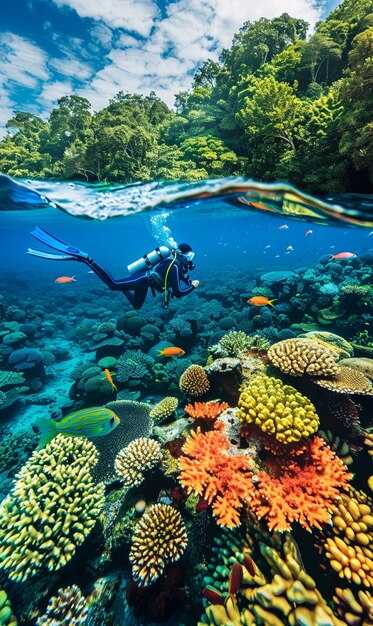
Book a morning boat charter from Maui to Molokini Crater and snorkel the crater rim for the clearest visibility and calmer currents.
Molokini sits about 2.5 miles off Maui’s southwest coast and is accessible from Lahaina, Kaanapali, or Maalaea Harbor. Plan a 2.5–4 hour excursion, including time at the site, with 30–45 minutes of cruising each way depending on wind and seas.
Visibility on ideal mornings reaches 60–100 ft (18–30 m) commonly, with peaks above 100 ft when trade winds are light. Surface temps hover in the mid-70s F, and water temps typically linger in the mid-70s to low 80s F–comfortable for a long session in a lightweight wetsuit or rash guard. The night sky over hawaiis oceans fades as dawn approaches, and the first light enhances visibility for the morning trip.
Marine encounters deliver an abundance of reef life: expect schools of tangs and surgeonfish, bright wrasses, parrotfish, morays in crevices, and green sea turtles cruising the outer shallows. Sightings of reef sharks are possible near the outer wall, and pelagic species may drift by the edge on calmer days. If youre lucky, you might even spot spinner dolphins skimming the channel at dawn.
Boat access is straightforward: multiple operators offer morning departures, with pickups from Maui resorts and nearby towns. Resorts and transfer services arrange convenient options for visitors; check-in times are typically 6:30–7:15 am to maximize visibility and wildlife activity. Remember that the outer rim can experience stronger currents; stay with your guide, use provided flotation, and avoid stepping on coral for an intriguing, respectful experience.
Practical tips: bring a waterproof camera, reef-safe sunscreen, a light layer for the chillier wind, and a small snack. Read the operator briefing ahead of time to understand zones to avoid and how to minimize disturbance to wildlife. Molokini’s location, combined with the neighboring lanai and nearby Oahu itineraries, makes a visit to this area part of thrilling adventures in hawaiis oceans and a must for any visitor to visit.
Kauai Night and Macro Dives: Lights, Photography, and Tiny Critters
Get a compact macro-lighting kit: a 60–100 mm lens, two compact strobes, a focused LED light, and a red-light option to preserve natural colors. Getting the most from Kauai’s night macro opportunities starts with patient, steady movements and a plan that keeps you close to the subject (about 8–15 cm) while youre getting the composition right. This setup is a great foundation for intriguing close-ups as the marine world wakes after sunset.
Great locations include caves along the Na Pali coastline, lava tubes, and sheltered reef flats where you see diverse tiny life. Those high-contrast walls offer abundance and a choice of subjects, including gobies, pygmy shrimps, nudibranchs, and small octopuses found in crevices. Expect endemic species such as the hawaiian reef goby and the Hawaiian bobtail squid to appear, plus the iconic hawaiian monk seal occasionally at the water’s edge–keep your distance and let those majestic animals pass. At sunset, a turtle glides by, offering a larger silhouette against the tiny world you’re documenting. These sites provide tropical color and plenty of options for getting close to them, and you may also catch the occasional flying reef fish skittering through the current.
Pense na iluminação e na técnica: ilumine o objeto com uma configuração de dois flashes e ilumine ligeiramente fora do eixo para reduzir a retrodispersão. Pode captar silhuetas de mantas perto da superfície quando estiver perto da borda do recife após o pôr do sol; elas aparecem como silhuetas graciosas contra o azul-escuro, um ótimo lembrete do reino pelágico além do recife. Para macro, posicione os flashes a cerca de 40–60 graus, use uma luz focada para fixar o foco e fotografe em RAW com balanço de brancos manual. Configurações sugeridas: obturador 1/125–1/200, abertura f/11–f/16, ISO 400–800; ajuste com base na visibilidade e na retrodispersão.
Espere uma lista diversificada de temas: a lula-bobtail-havaiana, os nudibrânquios endémicos e aqueles caranguejos tímidos escondidos em grutas. Aproximar-se exige paciência, mas a recompensa é grande: texturas nas conchas, as linhas intrincadas dos arcos branquiais em peixes minúsculos e o toque de cor no recife tropical. Poderá ouvir canções de recife no fundo enquanto fotografa, um sinal audível de que algo vive aqui. Tirar fotografias ao pôr do sol adiciona uma cor dramática e as silhuetas de tartarugas dão escala no meio do pequeno mundo que está a documentar. Se estiver a fotografar macro, mantenha a distância e deixe que a abundância de vida se revele. Há algo de mágico na noite marinha que faz com que o micro-mundo ganhe vida.
A segurança e a etiqueta orientam a sessão: avalie as correntes e o vento antes de entrar; mova-se lentamente ao longo da borda do recife, evitando o contacto com a vida selvagem. Nunca toque nem persiga os animais; dê-lhes espaço e afaste-se se mostrarem sinais de stress. Mantenha uma distância respeitosa das focas-monge e outros animais protegidos; está ali para observar, não para influenciar. Mantenha a flutuabilidade para proteger habitats delicados, como grutas e paredes altas em tubos de lava. Depois de regressar, reveja as suas notas e catalogue as suas melhores fotos para futuras viagens.
Mergulhos em Vulcões na Ilha Grande: Correntes, Perigos e Sessões Informativas de Segurança
Comece com um briefing de segurança preciso e verifique as previsões atuais da maré e ondulação; desloque-se em pares e siga os pontos de entrada e saída planeados. Em águas costeiras vulcânicas, as correntes podem mudar rapidamente e empurrar em direção às faces dos recifes ou canais estreitos. Defina uma profundidade máxima clara com o guia, certifique-se de que um dispositivo de sinalização de superfície está pronto e confirme o plano de ascensão de emergência. Esta abordagem protege o grupo e reduz o risco.
Os principais perigos incluem mudanças abruptas de corrente, visibilidade limitada devido a sedimentos em suspensão, basalto afiado, entulho solto e emaranhamento com linhas ou equipamento. Evite o contacto com superfícies rochosas recentes e elementos submersos; mantenha-se no percurso do guia e respeite as zonas de saída marcadas. Ondas induzidas podem empurrar em direção a cânions mais profundos, por isso mantenha-se dentro do perfil planeado.
Os briefings de segurança abrangem o sistema de duplas, os métodos de sinalização, o plano de subida e saída, o ritmo, os limites de profundidade e as verificações do equipamento (colete, regulador, fato, luvas, barbatanas). Os operadores das cidades insulares organizam estas viagens e adaptam os planos às condições. Leve sempre um dispositivo de sinalização de superfície e utilize uma bóia de sinalização de superfície ao emergir. Se a visibilidade diminuir ou as correntes se intensificarem, interrompa a atividade e regresse ao cabo de subida. Após a sessão, registe as condições e quaisquer problemas com o equipamento e faça um "debriefing" com o guia antes de regressar.
Janelas Sazonais: Melhores Épocas, Clima e Planeamento para Aventuras Subaquáticas no Havai
Reserve atempadamente com um operador respeitável que ofereça observação de baleias e encontros nos recifes; aponte para janeiro–março para a atividade das baleias-jubarte e excelentes condições marítimas.
Seasonal windows at a glance:
- Inverno ao início da primavera (Nov–Mar) – as baleias-jubarte dominam o cenário, proporcionando um espetáculo inesquecível; a melhor altura para observação é normalmente de dezembro a março. As condições variam consoante a costa: mais calmas nas margens protegidas do vento, potencialmente maiores ondulações nas faces norte expostas. A temperatura da água ronda os 23–26 °C, com visibilidade comummente de 18–30 metros nos locais de recife. Compare as ofertas que combinam a observação da vida selvagem com a exploração de recifes; estruturas artificiais de recifes e formações ricas em corais mole adicionam interesse. Contacte um guia para personalizar um plano que se adapte à sua experiência e saia de manhã para obter a melhor luz e mares mais calmos.
- Verão ao início do outono (Mai–Set) – os mares acalmam-se frequentemente, proporcionando maior visibilidade e passagens mais suaves ao longo de muitas rotas. Esta época é excelente para viagens de mergulho mais longas e aventuras de snorkeling em diversos locais perto de Maui, Oahu, Kauai e da Big Island. O tempo na água pode ser recompensador, e a oportunidade de encontrar golfinhos, tartarugas e raias manta é comum. Os guias oferecem frequentemente itinerários com vários locais que maximizam os encontros com a vida selvagem, mantendo as condições favoráveis; além disso, as manhãs tendem a apresentar as melhores condições.
- Épocas intermédias (Abr, Out–Nov) – condições de transição e menos multidões. É uma melhor altura para procurar novas ofertas e testar diferentes operadores, já que comparações diretas revelam qual a loja que oferece mais valor. Quase todos os locais permanecem acessíveis e os guias podem personalizar as viagens para se adequarem às preferências e níveis de habilidade exatos.
Aviso: as condições podem mudar rapidamente; confirme sempre com o seu operador na noite anterior e verifique a previsão mais recente.
Lista de verificação de planeamento e segurança:
- Timeframe – reserve com 6 a 8 semanas de antecedência durante os meses de maior movimento; o início da primavera e o outono ainda podem exigir planeamento, mas a procura diminui ligeiramente.
- Operador e equipamento – escolha um operador com um histórico de segurança sólido e equipamento que se ajuste ao seu nível de conforto; informe-se sobre recifes artificiais e outros locais que se alinhem com as suas ambições.
- Itinerary flexibility – peça opções que se desloquem entre locais ao longo da costa para poder maximizar as hipóteses de observar a vida selvagem e suportar condições favoráveis.
- Preparation – Leve protetor solar, protetor solar adequado para recifes, licra de proteção solar, toalha, água e snacks; leve uma mala impermeável e calçado seguro para acesso a barcos.
- Sincronização da vida selvagem – as baleias-jubarte são mais ativas no início da manhã e ao final da tarde; planeie tendo em conta as recomendações do guia para otimizar o tempo com os animais.