


 Português
  English (UK)
  Русский
  العربية
  日本語
日本語  한국어
한국어  Magyar
  Türkçe
  Español
  Čeština
  Svenska
  Ελληνικά
  Suomi
Suomi  Nederlands
  Română
  Italiano
  Français
  Polski
  Українська
  Deutsch
  简体中文
简体中文  Slovenčina
 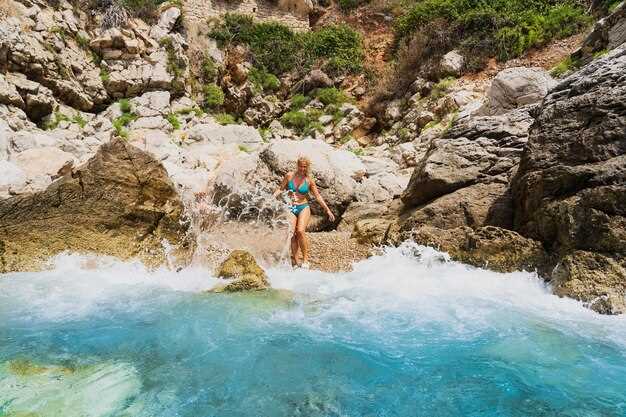 Butterfly Valley em Fethiye – O Guia Definitivo para a Praia Cênica da Turquia">

“The real voyage of discovery consists not in seeking new landscapes, but in having new eyes.” – Marcel Proust
Visit Butterfly Valley at dawn for the best light and a truly sheer shoreline. Take a morning boat from Oludeniz to the beach, then descend the steep path for a 15–30 minute hike that climbs back up. Pack sunscreen, water, a hat and a light jacket; above the valley the breeze can be cool.
The site offers diverse features for visitors: a clear turquoise beach, safe swimming, and access to nearby caves for short explorations. An activity like a guided butterfly walk can be arranged, and you’ll see countless butterflies hovering above blooming flora, and watch for small animal life along the shore. Guides offer activities for families, photographers, and hikers, including painting sessions on the sand and nature walks to identify the species you see.
For families with childs, Butterfly Valley remains manageable on a half‑day trip. Keep to marked trails, supervise children near the water, and choose shaded spots for breaks. If you plan to stay in the area, check official need‑to‑know rules about camping, permits, and waste disposal; this helps preserve the delicate butterfly pageant that glitters over the plants.
De greece you can plan a connector trip, using a short flight to Dalaman and a coast road drive to Fethiye, then a boat to the valley. The name Butterfly Valley is widely recognized, and guides like abrahams share the best windows for butterfly sightings. Those visiting for a nature walk can pair this with a stop at the nearby coves and then return before midday.
Keep this guide handy as you plan your Turkey itinerary: Butterfly Valley blends nature, hiking, and photography into a compact day that rewards you with a sense of paraíso. The blooms peak from late spring into early summer, so visiting during those months increases your chances to see the pageant of colors and to capture a vibrant painting on camera.
Butterfly Valley Practical Visit Plan

Arrive early and take the 15-minute boat transfer to beat the rush and indulge in Butterfly Valley’s quiet morning. Follow a shaded, covered trail that climbs toward a viewing point with fine views across the valley and the islands beyond. The inviting path frames the environment and helps you ease into the pace of trips ahead, keeping the essence of the place intact.
essentials for the day include water, sunscreen, hat, swimsuit, towel, snacks, and a small dry bag. Pack light to keep the climb manageable; wear sturdy footwear for the ascent. For options, choose a short beach swim in the sheltered cove or a hike to the upper viewpoint. The trail signage suggests staying on established routes to protect the environment and minimize disturbance to the wildlife.
Someone who wants a mindful visit should follow these tips: keep voices low, observe butterflies from a distance, and embrace the calm. Bring a lightweight layer for breeze and a small towel for after swimming. If you plan photos, use distance shots to avoid stressing the insects.
Wash up after swimming, respect the lush vegetation, and do not leave litter. From the lookout you’ll glimpse islands on the horizon and a calm sea beyond the rocks. The valley is attracting photographers and nature lovers, so keep a respectful distance. Embrace the experience by being considerate of other visitors and the local wildlife. Keep the essence of Butterfly Valley in mind: protect the lush vegetation, stay on marked trails, and avoid leaving litter.
Getting There: Ferry, Boat Tours, and Trail Access from Fethiye
Book a morning boat from Fethiye harbor to Butterfly Valley and return by late afternoon to beat the heat and crowds; in off-season, check these schedules for weekend departures to keep a relaxed pace.
Ferry and boat tours from Fethiye give you the fastest access, typically departing from the old harbor or the marina. In summer, boats run several times daily, with a voyage that lasts about 1.5–2 hours each way; return times vary by operator. Prices usually range from roughly 120–250 TRY per person, depending on inclusions such as snorkeling gear or a shore lunch. These tours run year-round.
These excursions make it easy to combine travel with a beach day and you’ll often find guides pointing out bays beyond Butterfly Valley; alongside the coast, you can spot sea life and learn about the local landscape.
Trail access from Fethiye: To pursue a self-guided option, hop a short dolmuş ride to Oludeniz and follow the cliff-facing path down to Butterfly Valley Beach. The coastal trail is designed for panoramas, with shaded sections and some stairs; plan 2–3 hours of steady hiking, or longer if you pause to swim. The route suits travelers seeking a ground-level escape, whether alone or with a companion, and rewards you with dramatic views at the summit before you reach the valley.
On land, the valley presents a laid-back retreat with a cafe and small shop near the beach; you can lounge alongside other travelers, soak up sun, and then wash off in the sea after the climb. The place boasts a simple menu including kebabs and fresh fruit, making a casual lunch a real treat for those seeking a relaxed vibe.
Practical tips: wear sturdy footwear for mixed ground and stairs, bring water and sunscreen, and carry cash for kebabs at the cafe; during the off-season evenings can be cooler, so bring a light layer. If you just travel for a quick day, aim for the early boat and the late return to maximize time at the shore, and remember to start your plan with a flexible mindset for a stress-free experience.
Best Time and Weather Windows for Butterfly Valley
Plan your visit april through june to start with a morning hike, when temperatures are comfortable, breezes light, and the pageant of machaon and maniola butterflies is mesmerizing. This window delivers reliable weather, clear sea views, and delicate wildflowers along the cliffs that captivated every traveler.
From istanbul, book a domestic flight to dalaman or bodrum, then a short transfer to Faralya. A smooth landing on the cliff road comes with a steep descent into butterfly country, getting up early for the best sightings.
Weather windows in april through june bring daytime highs around 22-26°C (72-79°F), sea surface near 18-22°C, humidity around 50-65%, and mornings often mist-free. Plan hikes for 7:00–11:00 to maximize butterfly sightings, and keep a light layer for the warm midday sun.
For a second peak, consider september through october, when mornings hold 18-24°C and afternoons stay under 28°C, making boat trips and cliff views comfortable. These months offer a rarer combination of calmer winds and fewer crowds, yet butterfly activity remains steady along the valley’s ancient paths.
Where to stay and how to move: Faralya, located on the edge of the valley, has hotels that shorten the landing and getting closer to the trail; the travel connection between the coast and the valley is straightforward via dolmus or taxi, providing easy access to sunrise viewpoints and ferry routes if you plan a round trip.
Other practical tips: Butterfly Valley is located between the turquoise coast and Faralya, perched beneath limestone cliffs; bring water, sun protection, and a light jacket; respect delicate habitats; avoid disturbing the winged pageant; gather memories quietly; under olive trees you may spot machaon and maniola caterpillars. From these vantage points you can unravel nature’s rhythm and enjoy a mesmerizing experience that comes with a rare sense of connection to the coastline.
What to Pack, Wear, and Prepare for a Day at the Beach
Pack a compact, waterproof daypack with a delta of must-haves: 2 liters of water, sunscreen SPF 50+, a lightweight repellent, a small first-aid kit, a whistle, and a compact towel. Keep a map or offline guide handy, and mount a phone or small camera on a strap for photos. This setup keeps you safe, comfortable, and ready for a peaceful day under the sun. Keep this list handy for quick checks.
Wear breathable, quick-dry clothing: a UV shirt, quick-dry shorts, a wide-brim hat, sunglasses, and water shoes or sandals. Include a light, wind-resistant jacket for breezes near coves or caves. Pack an extra change of clothes in a dry bag to refresh after a swim, and team up with your group for a smooth outing.
Storage and safety come next: store valuables in a waterproof pouch, use a dry bag, and designate a safe meeting point on the beach. If you have a small camera or electronics, mount them securely and avoid leaving gear unattended while you swim.
Food and drink: carry lightweight snacks and a reusable bottle for drink; local stalls around Fethiye often offer seafood offerings, so try a small portion when you rest. Keep food away from nesting wildlife and pack out all trash to preserve the delta’s natures and peaceful ambience.
Exploration tips: seek hidden coves and caves along the shore, but stay with your group and follow marked paths. Bring a compact flashlight or headlamp for after-light hours near any hidden spots. If you plan an overnight option, bring tents, a tarp for shade, and a portable stove if permitted by the site rules.
Transportation and planning: check transportation options from Fethiye to the coastline, including boat schedules and park rules. Leave early to beat crowds and arrive at low tides when coves are more accessible. If visiting from the nile region or elsewhere, adjust timing to local conditions and plan a return before dusk. This approach yields a smooth, memorable day.
| Lista de verificação de embalagem | ||
| Water bottle (2 L) | 1 | Refillable, keep drink handy |
| Sunscreen SPF 50+ | 1 | Reapply every 2 hours or after swimming |
| Repellent | 1 | Protect from bites |
| Wide-brim hat | 1 | Proteção contra o sol e sombra |
| Óculos de sol | 1 | Proteção UV |
| Jaqueta leve | 1 | Vento no mar pode ser frio. |
| Dry bag / waterproof pouch | 1 | Mantenha os equipamentos secos |
| First-aid kit | 1 | Bandagens, antisséptico |
| Snacks | 3–4 porções | Energia para o dia |
| Swimwear & towel | 1 set | Toalhas secas; tecidos de secagem rápida |
| Water shoes | 1 pair | Recifes rochosos e cavernas |
| Telefone com suporte / câmera | 1 | Photo ops; manter seguro |
| Lanterna ou farol de cabeça | 1 | Ilhas escondidas após o pôr do sol |
| Barracas (plano de pernoite) | 1–2 | Somente se permitido; configure de forma responsável |
| Map / bússola | 1 | Navegação para novas enseadas |
Regras no local, Segurança e Etiqueta da Vida Selvagem no Vale
Mantenha-se nas trilhas marcadas e carregue água em todos os momentos. Embale as coisas certas para um dia em ambientes externos: sapatos resistentes, proteção solar, um pequeno kit de primeiros socorros e uma camada leve para manhãs mais frias. Tendas são permitidas apenas em zonas designadas; caso contrário, mantenha os equipamentos compactos e seguros. Respeite o ritmo dos outros e evite bloquear caminhos com malas ou equipamentos.
Comece cedo para desfrutar de vistas hipnotizantes e para evitar as horas de pico de calor. O vale está distante da civilização, então venha preparado com suprimentos e um plano. Hidrate-se frequentemente; carregue eletrólitos e esteja atento às placas de sinalização sobre a disponibilidade de água na trilha.
Observe a vida selvagem à distância; borboletas, pássaros e peixes nas piscinas de rocha merecem espaço. Não alimente ou manuseie nenhum animal; sua contenção mantém os ecossistemas intactos. Se guias ou naturalistas apontarem um comportamento, siga o exemplo deles e mantenha a conversa baixa.
As instalações são limitadas; utilize os banheiros onde disponíveis e traga uma pequena sacola de lixo para recolher o lixo. Deixe a água cristalina e as pedras intocadas; caminhe com cuidado em terrenos irregulares.
Guias e naturalistas oferecem contexto confiável; buscadores podem participar de uma caminhada programada para aprender sobre migrações antigas e a história dos movimentos de borboletas. Parasailing é restrito a enseadas oficiais e não é permitido nas encostas do vale. Siga as placas e permaneça com seu grupo para evitar riscos.
A música deve ser mantida em volume baixo para preservar a atmosfera deste ambiente ao ar livre. As atualizações em tempo real dos guardas florestais ajudam você a ajustar seus planos com segurança. Se você visitar sozinho, informe alguém sobre sua rota e horário previsto de retorno. Procure áreas de alto risco nas placas e evite bordas instáveis, especialmente perto dos mirantes no pico.
Noite de Observação de Perseidas: Datas Ótimas, Poluição Luminosa, Equipamento e Montagem Fotográfica
Planeje para a noite de pico de 12–13 de agosto e escolha o mirante do penhasco do Vale Borboleta para equilibrar a escuridão natural com acesso seguro; comece após o crepúsculo astronômico e permaneça até o pré-amanhecer para um momento inesquecível quando o céu estiver quieto e as ondas abaixo forem pacíficas.
Datas e condições ideais
- Alvo a janela de 12 a 13 de agosto para o auge mais forte das Perseidas; se o clima ou a luz da lua complicarem o pico, estenda-se a 11 ou 14 de agosto para uma atividade ainda espetacular tanto na região quanto ao longo das trilhas costeiras.
- Escolha uma noite com uma lua nova ou crescente para maximizar a visibilidade de meteoros tênues; se a Lua nascer tarde, planeje começar após o pôr da Lua e continuar até o amanhecer.
- Dirija-se a um local alto e escuro, distante de casas e instalações de férias, para minimizar a poluição luminosa; a trilha elevada do Vale das Borboletas oferece uma moldura natural com um horizonte aberto sobre o mar e luzes costeiras distantes.
Poluição luminosa, locais e horários
- A poluição luminosa é menor logo acima da praia, onde a vegetação fragrante e o ar noturno mantêm o céu com uma sensação mais natural; subir a trilha alguns metros reduz o brilho urbano das cidades próximas.
- Posicione-se de frente para o mar, através do horizonte do Mar Egeu, para maximizar os arcos de meteoros e evitar vazamentos de luz vindos do continente de casas e pequenos resorts.
- Leve um cobertor ou tapete compacto para se sentar confortavelmente durante longas esperas; uma configuração tranquila permite que você aproveite a sensação de vastidão enquanto observa os Perseidas brilhantes cortando o céu.
Gear essentials
- Tripé com pernas robustas e disparador remoto ou intervalômetro; evite fotos na mão para garantir a consistência em pilhas longas.
- Lente grande angular (14–24 mm) com abertura ampla (f/2.8 ou mais rápida) para capturar vastos céus e a costa em um único quadro.
- Pilhas extras e cartões de memória; noites frias esgotam a energia rapidamente, e você fotografará muitos quadros.
- Lanterna de luz vermelha ou flashlight para preservar a visão noturna; traga uma lanterna pequena para uma leitura rápida e suave dos seus equipamentos sem desbotar o céu.
- Roupas apropriadas para o clima, um corta-vento e repelente de insetos; a brisa do mar pode ser sentida como fresca mesmo no verão.
- Água, lanches e uma toalha pequena; existem instalações básicas nas proximidades, mas você dependerá principalmente da trilha e da encosta acima da praia.
- Posicionamento estratégico: mapeie alguns pontos potenciais ao longo da trilha que ofereçam vista do horizonte e evitem barreiras densas de árvores.
Configuração de fotografia e configurações práticas
- Câmera: mirrorless ou DSLR em RAW, com controle manual de exposição; configure para foco manual e verifique o foco em uma estrela brilhante ou luz distante durante o crepúsculo.
- Foco e enquadramento: comece com 14–24 mm e ajuste o enquadramento para incluir a costa e um céu escuro; bloqueie o foco assim que estiver nítido.
- Exposição: 20–25 segundos por quadro, f/2.8 (ou a mais aberta possível), ISO 1600–3200; ajuste para manter os meteoros brilhantes sem superexpor o céu.
- Estratégia de empilhamento: fotografe de 200 a 400 frames para rastros de meteoros; use o empilhamento na pós-produção para enfatizar as linhas radiantes, mantendo os detalhes do primeiro plano.
- Balanço de branco: 3600–4000K para tons noturnos naturais; você pode ajustar na pós-produção se quiser céus mais frios ou mais quentes.
- Considerações sobre a Lua: se uma lua brilhante estiver alta, diminua as exposições para 15–20 segundos e aumente ligeiramente o ISO para manter a visibilidade de meteoros; se possível, planeje uma janela de pôr do sol da lua.
- Técnica de primeiro plano: enquadre alguns fotogramas com a costa ou silhuetas de plantas para ancorar a composição e transmitir a sensação de lugar.
- Pós-processamento: reduzir o ruído com remoção de ruído cuidadosa; preservar as cores naturais do mar e do céu; alinhar e empilhar com software confiável para rastros de meteoros limpos.
Dicas para visitar e ideias entre regiões
- Se você estiver de férias na costa, combine a observação dos Perseidas com um passeio noturno pela trilha até mirantes próximos; a área ao redor de borboletas e flora natural é particularmente perfumada depois do anoitecer.
- Para um plano mais amplo do céu noturno, considere viagens de um dia a ruínas antigas ou sítios clássicos da região, como Éfeso ou Olympos, que combinam bem com a observação de estrelas à noite durante os feriados.
- Mantenha a segurança em mente: permaneça na trilha designada, fique atento a terrenos irregulares e evite permanecer sob bordas de penhascos enquanto as câmeras estiverem ativas.
- Respeite o silêncio dos lugares que visita; esta noite oferece uma memória de por vida quando você é atencioso com os outros que compartilham o céu tranquilo.
- Verifique os horários locais do pôr do sol e do crepúsculo astronômico para sua data específica.
- Aviste alguns pontos de vantagem ao longo da trilha antes de escurecer.
- Embale roupas quentes e uma fonte de luz vermelha para preservar a visão noturna.
- Configure, teste o foco e comece com exposições mais curtas para verificar as configurações.
- Defina as configurações de bloqueio para empilhamento, depois relaxe e aproveite a noite enquanto meteoros cortam as ondas e o céu.