


 Português
  English (UK)
  Русский
  العربية
  日本語
日本語  한국어
한국어  Magyar
  Türkçe
  Español
  Čeština
  Svenska
  Ελληνικά
  Suomi
Suomi  Nederlands
  Română
  Italiano
  Français
  Polski
  Українська
  Deutsch
  简体中文
简体中文  Slovenčina
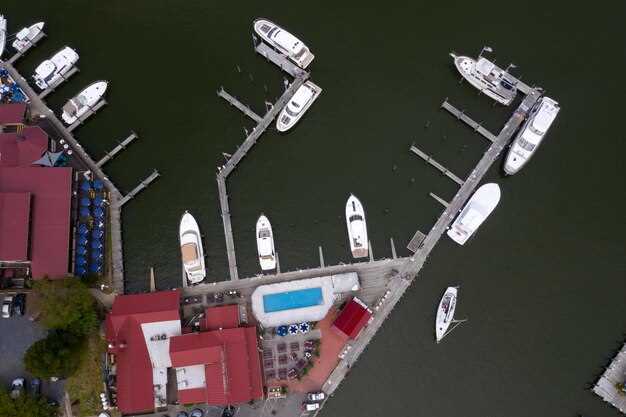
The boat rental market is poised for significant growth between 2026 and 2034, fueled by changing consumer behaviors and a surge in water-borne recreational activities. With coastlines and lakes becoming ever more accessible, individuals are increasingly finding opportunities to embrace sailing and other maritime adventures. This report aims to provide a comprehensive analysis of the market, focusing on various segmentation factors, including boat type, propulsion, size, rental type, and applications. Recognizing the critical trends shaping this industry will assist in benchmarking current opportunities and addressing any concerns that may arise.
One of the vital demographics driving the boat rental market is millennials, who are keen on experiences over ownership. As a result, businesses like Sunsail and YachtLife are transforming traditional models by offering innovative, cutting-edge solutions. With simple and communicative platforms, these companies are not only tracking rental patterns but also maintaining a constant dialogue with their customers. This report will explore how these rental services are emerging as the Airbnb of the marine sector, providing valued experiences that resonate with the modern consumer.
Additionally, the analysis will delve into the operational aspects of the industry, discussing the fees associated with boat rentals, the opportunities provided in the marketplace, and the dynamics of the marina business in states like Florida and Spain. With the introduction of advanced tracking tools and a commitment to safety, companies are addressing the needs of all boaters–whether they are seasoned individuals or curious teens experiencing their first sailing. Emily’s insights in this report will focus on how businesses can capitalize on these trends, ensuring that they not only meet but exceed the expectations of their clientele in the years to come.
Boat Rental Market Size & Industry Analysis (2026-2034)
The boat rental market is poised for significant growth between 2026 and 2034, driven by a series of factors that underscore the industry’s evolving dynamics. Highly competitive regions like America and Canada are witnessing a rise in demand for diverse rental options, including solar-powered and high-performance boats. As consumers show a growing interest in water activities, the market is expected to expand in both the commercial and recreational sectors.
Strategically, companies are adopting advanced technologies to enhance customer experience and streamline rental processes. For instance, platforms like Samboat and Sailo are guiding users through the rental experience, ensuring higher satisfaction rates. The adoption of cutting-edge models for boat sharing has led to a significant increase in rental frequency, as individuals seek to enjoy water activities without the burdens of ownership.
The market analysis also highlights the regulatory landscape that companies must navigate. Governments in various regions are implementing specified policies that promote sustainable practices while ensuring safety. This government oversight not only approves innovative rental strategies but also drives companies to maintain a condition that meets regulatory expectations.
Furthermore, the regional differences play a crucial role in market dynamics. The West, for example, boasts a favorable political climate for recreational boating, which can lead to higher market coverage. Current forecasts indicate that regions with progressive policies will experience more robust growth, filling gaps that have previously hindered expansion.
Looking ahead, the boat rental market is expected to evolve with fluctuating costs and changing consumer preferences. With each birthday of new technological advancements, businesses must adapt their strategies to remain competitive. The forecast period emphasizes the importance of in-depth market analysis, which outlines the need for adaptability and responsiveness to shifting trends and interest levels in water-based activities.
Ultimately, the boat rental market is an amalgamation of highly focused industries working together to drive innovation and customer satisfaction. As the landscape continues to change, companies that embrace cutting-edge technologies and regulations will likely emerge as leaders, optimizing their operations for a bright future in the recreational boating sector.
Insights by Boat Type, Propulsion, Size, Rental Type, and Applications
The boat rental market is experiencing significant growth, influenced by various factors such as boat type, propulsion, and size. Each category of boats caters to specific segments, allowing renters to choose based on their particular needs and preferences. For example, outboard motorboats are popular for their higher versatility on lakes and coastal waters, while solar-powered options are gaining traction for those seeking eco-friendly alternatives. This segmentation enhances the accessibility of rentals, as various entrants introduce innovative designs aimed at improving performance and overall user experience.
Propulsion choices have expanded, with options ranging from traditional gas engines to modern electric and solar-powered motors. This transition towards sustainable practices is reflected in changing policies and consumer preferences, leading to a more comprehensive fleet that covers diverse needs. As the demand for high-performance boats grows, companies are compelled to adapt quickly, ensuring that their offerings include options that suit both casual weekend renters and those seeking longer journeys.
Boat size also plays a critical role in rental decisions. Smaller vessels are often booked for short-term excursions, spanning just a few days, while larger boats are favored for extended trips with groups. The rental type–be it hourly, daily, or weekly–further influences pricing strategies. Higher rates are commonly associated with peak seasons, prompting companies to offer online booking discounts or packages to attract renters.
In the international market, the need for seamless experiences drives operators to enhance their online platforms, granting renters easy access to available boats and transparent pricing. As the forecast trends indicate an increase in demand, the market is witnessing further scalability; companies are investing in advanced technologies to streamline operations and customer service processes effectively.
However, inconsistency in demand can arise due to seasonal variations and fluctuating prices, forcing businesses to be agile in their strategies. Consequently, the depth of analysis into market trends will prove critical for stakeholders looking to capitalize on emerging opportunities. Innovative initiatives, such as loyalty programs and eco-friendly replacements, are becoming increasingly important as companies seek to retain customers in a competitive landscape.
In summary, the boat rental market is poised for growth in the coming years, shaped by insights into boat types, propulsion methods, size, rental types, and applications. Continuous monitoring of these variables will facilitate strategic planning for industry participants, ensuring they remain at the forefront of this evolving market.
Analyzing Market Trends by Boat Type

The boat rental market has seen significant development in recent years, particularly by boat type. Many providers are now focusing on specific categories to meet the diverse needs of customers. Motorboats, for instance, are often favored for their speed and ease of use, appealing mainly to urban adventurers who prefer quick trips. In contrast, sailboats are increasingly popular among millennials seeking unforgettable experiences on the water, particularly in coastal regions such as Valencia, Spain.
The emergence of peer-to-peer platforms, similar to Airbnb, has revolutionized how people book trips. These platforms connect boat owners with renters, enabling an increased number of water-borne adventures. This trend is particularly notable in countries like Brazil, where boats can be booked for various recreational activities. Operators in this sector have reported an increase in demand, especially during peak seasons such as July, when families and tourists often seek memorable experiences.
Moreover, small boats have gained traction under new regulations that promote accessible water-based activities. This positioning allows for a significant share of the market to be held by private entities, encouraging investments in regional boat rental services. Although the popularity of larger boats remains, smaller options often cater to those looking for quick andaffordable getaways.
The summary of these trends demonstrates that boat type greatly influences rental dynamics. With increasing popularity and various customer needs being answered, investments in both motor and sailboat rentals are likely to continue growing. This trend further illustrates how the boat rental market is adapting to meet evolving demands while providing unique experiences for all types of adventurers.
Evaluating Propulsion Options: Environmental Impact and Performance
In the boat rental market, the choice of propulsion systems plays a critical role in both environmental impact and overall performance. As the industry evolves, particularly in regions like America and Florida, the integration of various innovative technologies that support sustainable practices is becoming increasingly vital.
Readers interested in understanding the environmental implications of propulsion options must consider the following factors:
- Type of Propulsion: Traditional gasoline-powered engines are being challenged by electric and hybrid systems that offer lower emissions. Electronic options, especially when integrated with advanced tracking systems, can provide a seamless experience for users.
- Performance Metrics: Performance is directly influenced by the propulsion type chosen. Electric motors often deliver high torque at low speeds, which can improve maneuverability on the waters.
- Conformidade Regulatória: Different regions impose specific regulations regarding emissions. Providers and rental companies must align their offerings with these policies to avoid cancellation of permits or licenses.
- Strategic Innovations: Companies like Samboat and others are introducing new product offerings that utilize digital technologies to enhance user experience while reducing the carbon footprint.
Notably, the trend towards sustainable boating solutions is presenting numerous opportunities and challenges for companies. The development of new systems is designed to meet the demands of a growing eco-conscious consumer base, particularly among the 21-35 age demographic. These strategic changes enable corporate entities to appreciate the importance of balancing efficiency with environmental stewardship.
To effectively evaluate propulsion options, one must consider:
- Cost versus Impact: High-performance electric systems may require a higher upfront investment but offer significant savings and environmental benefits in the long run.
- Regional Availability: The availability of technology and support varies across different regions, affecting the accessibility of high-performance solutions.
- Preferências do Consumidor: As awareness increases, consumers are shifting their preferences towards providers that can offer more sustainable options.
Ultimately, as the boat rental industry navigates these environmental changes, seamless integration of innovative propulsion technologies will be key. Stakeholders must work towards creating a comprehensive dashboard that tracks the performance and environmental impact of each system, thus enhancing the overall market strategy and positioning.
Defining Size Categories: Consumer Preferences and Market Demand
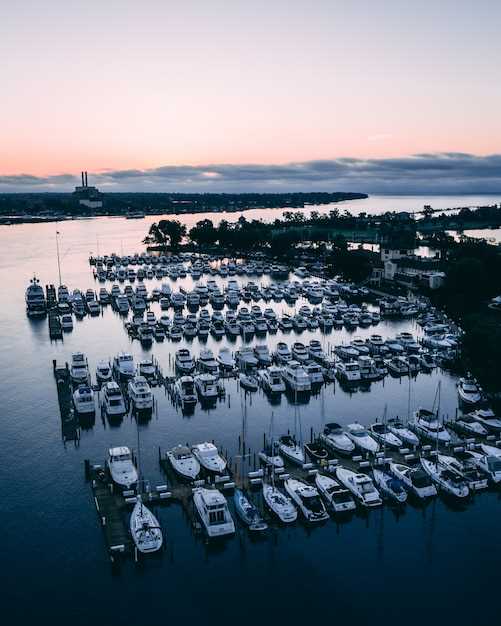
In the boat rental market, understanding size categories is essential for accurately assessing consumer preferences and market demand. Various boat sizes cater to different client needs, which influences decisions on hours of rental and the types of water activities pursued. For instance, small, highly maneuverable boats might be preferred for short, casual rides, while larger, high-performance vessels are often chosen for extended outings among families or professional groups.
The competitive landscape plays a crucial role in shaping consumer choice. In cities like Valencia and Sweden, the demand for seamless bookings has increased significantly, as more people seek efficient rentals that fit their schedules. Companies that offer cutting-edge technology, such as online platforms for rentals and bookings, have positioned themselves advantageously against traditional operators. This trend supports the observation that consumer investment in boat rentals is becoming increasingly focused on convenience and user experience.
Factors such as location also impact market demand. In tourist-heavy regions, commercial rentals for high-performance boats tend to thrive, as visitors often seek unique experiences on the water. Rentals in these areas typically maximize their earnings by providing comprehensive customer support and facilitating smooth, hassle-free experiences. This, in turn, validates the significant investments made in hospitality and technology by rental companies.
Assessing the market indicates that size categories play a pivotal part in shaping the boating experience. Smaller boats are favored for short leisure rides, while larger vessels are necessary for day-long excursions or corporate events. The predictable increase in demand for both types of rentals suggests that companies must continue to adapt their offerings to meet the continuously evolving needs of consumers.
As the market approaches a projected value reaching into the billion range by 2034, the necessity for diverse boat categories that cater to varying demands cannot be overstated. Those involved in the industry must remain attentive to trends, ensuring that their fleets, investments, and customer service align with consumer expectations for the future. The continuation of this growth will rely heavily on understanding these preferences and offering precisely what the market is eager to rent.
Comparative Study of Rental Types: Hourly vs. Daily Rentals
The boat rental market is generally classified into various rental types, with hourly and daily rentals being two of the most prominent. Each rental type serves different customer needs and preferences, impacting the overall dynamics of the industry.
Hourly rentals are particularly popular among those looking for a brief and smooth sailing experience. This option is often chosen for short trips along coastlines, especially in regions like Florida and Sweden, where tourists seek quick adventures. Hourly rentals are generally more suitable for private gatherings, such as birthday parties or casual outings. The cost structure is influenced by the depth of the borrowing period, with operators charging a premium for shorter time frames to cover overhead expenses and taxes.
- Advantages of Hourly Rentals:
- Flexibilidade: Ideal para viagens espontâneas sem um compromisso a longo prazo.
- Económico para Utilização Breve: Menos encargo financeiro para saídas curtas.
- Experiências Guiadas: Muitos operadores fornecem um guia comunicativo para melhorar a experiência global.
- Desvantagens dos Alugueres à Hora:
- Exploração Limitada: Menos tempo para explorar águas mais profundas ou áreas mais vastas.
- Questões de Reabastecimento: Alugueres de curta duração podem acarretar custos adicionais de reabastecimento que poderão agravar o custo total.
Por outro lado, os alugueres diários atraem indivíduos e famílias que procuram passar um dia inteiro na água, desfrutando de atividades que vão desde a pesca ao cruzeiro ao longo de costas pitorescas. Este tipo de aluguer é mais adequado para turistas e para aqueles que procuram imergir totalmente na experiência de navegação.
- Vantagens dos Alugueres Diários:
- Maior Exploração: Oferece a oportunidade de cobrir uma área mais vasta sem a pressão das restrições de tempo.
- Experiência Melhorada: Ideal para desfrutar de atividades de lazer durante um período prolongado.
- Económico para Utilização de Dia Inteiro: Geralmente oferece uma tarifa melhor em comparação com alugueres à hora se reservado para o dia inteiro.
- Desvantagens dos Alugueres Diários:
- Compromisso Inicial: Requer um investimento inicial mais significativo.
- Encargos Regulamentares: Algumas regiões podem ter regulamentos específicos que afetam a duração do aluguer e as responsabilidades.
Em conclusão, a escolha entre alugueres por hora e por dia depende em grande medida das preferências dos clientes e do contexto específico da sua viagem. Enquanto os alugueres por hora são adequados para excursões rápidas e planos espontâneos, os alugueres por dia são ideais para quem procura uma experiência marítima mais imersiva. O feedback de clientes de regiões como a Argentina e a França indica que o planeamento estratégico em torno dos tipos de aluguer pode levar a uma maior satisfação e desfrute geral.
Aplicações do Aluguer de Barcos: Lazer vs. Uso Comercial
O mercado de aluguer de barcos abrange diversas aplicações que podem ser predominantemente categorizadas em uso de lazer e comercial. Ambas as aplicações contribuem significativamente para as receitas e influenciam as tendências dentro do setor.
O aluguer de embarcações de recreio serve principalmente fins de lazer, atraindo indivíduos e famílias que procuram melhorar as suas aventuras de verão. Este segmento caracteriza-se por uma elevada procura de várias atividades recreativas, como pesca, desportos aquáticos e passeios turísticos. Os fornecedores neste mercado implementam frequentemente sistemas de reserva avançados e painéis de gestão para otimizar o processo de aluguer, garantindo que os clientes encontram o produto perfeito para satisfazer as suas necessidades. Estas plataformas são concebidas para serem fáceis de utilizar, permitindo que até adolescentes naveguem nelas facilmente.
Por outro lado, o aluguer comercial de barcos envolve serviços adaptados para empresas e uso profissional. Isto inclui serviços de fretamento, logística marítima e transporte de mercadorias. As empresas formam frequentemente parcerias para otimizar a eficiência operacional e reduzir custos. Ao reservar barcos para projetos específicos, as empresas podem manter a agilidade, evitando o avultado investimento associado à compra direta de embarcações. Os agentes comerciais podem também concentrar-se em regiões de alta procura, onde as oportunidades de geração de receitas são mais significativas.
Tanto as aplicações de lazer como as comerciais beneficiam de um sistema robusto de reabastecimento e manutenção que garante que as embarcações operem de forma eficiente. No entanto, os alugueres comerciais podem acarretar restrições adicionais, tais como regulamentos que regem a proteção ambiental. Os fornecedores devem gerir estes aspetos de forma eficiente para garantir o cumprimento, ao mesmo tempo que prestam um serviço excelente. Players globais como a CharterLux e o Groupe capitalizam estas dinâmicas, satisfazendo uma clientela diversificada.
A indústria de aluguer de barcos continua a evoluir, com inovações futuras que irão influenciar positivamente tanto o setor de lazer como o comercial. A investigação demonstra que a integração de dispositivos inteligentes e análises avançadas pode transformar a forma como os clientes interagem com os serviços de aluguer. Quer seja através de recomendações personalizadas para quem procura lazer, quer através de soluções logísticas otimizadas para empreendimentos comerciais, o potencial de melhoria permanece significativo.
| Tipo de Candidatura | Caraterísticas principais | Target Audience | Market Dynamics |
|---|---|---|---|
| Leisure | Atividades de aventura, ideal para famílias | Indivíduos, Famílias | Pico sazonal elevado, pico de verão |
| Comercial | Logística, Transporte, Afretamento | Empresas, Corporações | Parcerias, cumprimento de regulamentos |
Em suma, tanto as aplicações de aluguer de embarcações de recreio como comerciais continuam a prosperar, com os intervenientes do setor a trabalhar diligentemente para se adaptarem às condições de mercado em evolução. A integração perfeita de sistemas inovadores e parcerias sólidas provavelmente levará a uma experiência mais eficiente e agradável para os locatários, independentemente da sua finalidade. Ao abordar precisamente as necessidades dos seus clientes, as empresas de aluguer podem resolver desafios e capitalizar um interesse crescente em atividades aquáticas em todo o mundo.
Principais Desenvolvimentos: Inovações e Investimento no Setor do Aluguer de Barcos
O setor de aluguer de barcos está a assistir a inovações significativas e a um aumento dos investimentos, particularmente em lanchas e catamarãs. Os fornecedores estão a desenvolver uma frota diversificada para satisfazer a procura das áreas urbanas, onde as escapadas de fim de semana em rios e lagos se tornaram populares entre os que procuram lazer. Empresas como a Boatsetter e a Zizoo estão a liderar o processo com tecnologias avançadas que simplificam o processo de aluguer, concedendo aos utilizadores a capacidade de reservar experiências aquáticas verificadas de forma contínua.
As recentes alterações de políticas e as tarifas têm incentivado os investimentos neste mercado, levando a uma qualidade de serviço melhorada. Os operadores estão a comparar as suas ofertas com base no feedback dos clientes, garantindo que cumprem e excedem as expectativas. A capacidade de cancelar reservas sem penalizações está a tornar-se um aspeto crucial da experiência de aluguer, especialmente para eventos ao ar livre e festas de aniversário. Como resultado, a fidelização dos clientes está a aumentar, com muitos a optarem por alugueres que permitem um agendamento flexível.
As marinas estão a investir em equipamentos e instalações de última geração para acomodar as necessidades em evolução da sua clientela. Na Alemanha e na Coreia, estão a ser desenvolvidas novas infraestruturas, melhorando a experiência náutica global. Esta adaptabilidade é essencial, uma vez que os operadores procuram maximizar os lucros, proporcionando simultaneamente um valor excecional aos clientes. Além disso, as empresas estão a concentrar-se na investigação para introduzir soluções inovadoras que não só melhorem a eficiência operacional, como também abordem as preocupações ambientais relacionadas com as embarcações.
No mercado, inúmeras opções estão agora disponíveis, permitindo aos consumidores escolher entre uma vasta gama de barcos adequados para diversas aplicações. Quer se trate de um dia relaxante no lago ou de uma viagem aventureira pelos rios, a indústria de aluguer de barcos está absolutamente empenhada em proporcionar experiências inesquecíveis. À medida que a indústria continua a crescer, a utilização de tecnologias de motores de popa está a moldar o futuro do aluguer de barcos, impulsionando a sustentabilidade e o desempenho em cada fretamento.
Em resumo, o setor de aluguer de barcos está a evoluir rapidamente devido a práticas inovadoras, investimentos estratégicos e uma aposta na satisfação do cliente. Esta evolução irá transformar a forma como as pessoas interagem com as embarcações, tornando a navegação mais acessível e agradável para todos.