


 Português
  English (UK)
  Русский
  العربية
  日本語
日本語  한국어
한국어  Magyar
  Türkçe
  Español
  Čeština
  Svenska
  Ελληνικά
  Suomi
Suomi  Nederlands
  Română
  Italiano
  Français
  Polski
  Українська
  Deutsch
  简体中文
简体中文  Slovenčina
 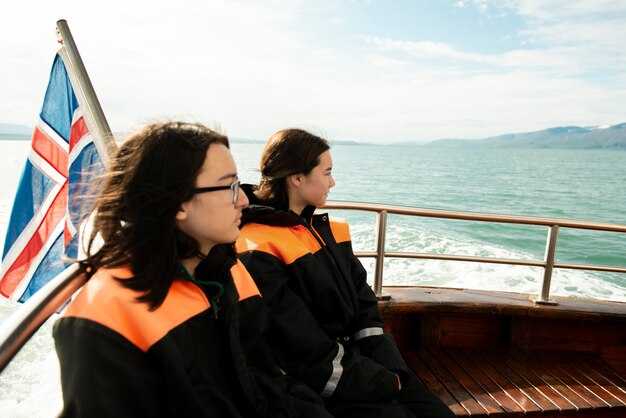 Best Times to Sail by Region – Perfect Conditions for Every Sailing Season">

Para a maioria dos barqueiros, direcione-se para o Pacífico e as costas da Austrália durante fevereiro para mares calmos e águas cristalinas, com ventos constantes que correm 12–20 nós e visibilidade que torna cada ação simples. Esta janela minimiza tempestades, permite que você aproveite o sol e oferece um good equilíbrio de navegação basics e tempo de deslocamento para onboard equipes aprendendo o básico.
Em qualquer região, mantenha o básico em vista: mapeie uma rota abrigada, pratique amarração de proa e manuseio de linha e revise as previsões do vento duas vezes ao dia. Prepare-se para rajadas repentinas, com ventos entre 10–25 nós dependendo da estação, e embale cabos de reefing e toldo para se banhar em longas tardes enquanto onboard as tarefas permanecem coordenadas.
Caribbean windows run from november through abril, com ventos alísios próximos 15–25 nós e mares ao redor 1–2 m. Escolha lugares próximos às costas abrigadas nas Ilhas de Barlavento e de Sotavento para manter um curso estável, e observe as tartarugas marinhas pastando nos bancos de coral ao amanhecer. A costa também oferece diverse anchorages and frequent baleia avistamentos ao longo das margens.
Nos corredores do pacífico ao redor das rotas equatoriais e do sul, as melhores janelas vão de fevereiro a abril, com ventos ao redor 12–22 nós e água cristalina ao longo das vias de recife. Fique atento à vida selvagem: sperm baleias ao sul e turtles along coral zones. Plan shallow anchorages and frequent onboard verificações de equipamentos, para que você possa montar e fixar as linhas sem demora.
As estações do Mediterrâneo funcionam melhor de may para october, com ventos típicos de 12–20 nós e mares ao redor 0.5–1.5 m em enseadas abrigadas. Para cruzeiros de início de temporada, procure june e final de setembro quando o calor diminui e as multidões se dispersam. Mantenha um ritmo constante através de diversas linhas costeiras e montar ancorar em portos protegidos antes do pôr do sol.
O oceano Índico ocidental e o sudeste asiático oferecem as melhores janelas de october para february, com ventos de monções do nordeste ao redor 15–25 nós perto de costas e mares 1–3 m. Em lugares como o Mar de Andaman ou o Estreito de Malaca, planeje saltos mais longos e dias mais curtos, aproveite a cultura local e use uma aparelhagem mais leve para velejar em passagens mais apertadas. Fique de olho na vida selvagem como baleia pods e turtles em ancoradouros populares, especialmente quando você se ancora perto de recifes protegidos.
Em todas as regiões, construa um cronograma flexível em torno do basics de ajuste de velas e leitura do tempo, e trate fevereiro como um ponto de ancoragem fundamental quando quiser dias de viagem e mares calmos. O artigo descreve janelas região por região e dicas para ajudá-lo a planejar uma temporada com mares estáveis, vida a bordo confortável e saltos seguros e agradáveis entre lugares, com respeito à vida selvagem como baleia e turtles. Essa abordagem mantém sua equipe engajada e suas rotas diverse para cada place que mire.
Regiões e Janelas Sazonais para Navegação Ótima
Não se prenda a uma única janela temporal. Identifique primeiro a região, depois alinhe as suas datas com ventos constantes, chuvas limitadas e o cenário que tanto deseja. Nas Índias Ocidentais, a janela de Nov–Abr oferece ventos alísios fiáveis de 15–20 nós, sol abundante e ancoradouros calmos. Navegue de Santa Lúcia até São Vicente e salte entre recifes e baías abrigadas; partir cedo todos os dias ajuda a maximizar a luz do dia para travessias noturnas entre portos, enquanto as estadias em camarote oferecem conforto após tardes ventosas.
A diferença entre regiões torna-se clara quando se comparam os padrões de vento e a frequência de aguaceiros. Na costa nordeste, o final da primavera até ao início do outono oferece aguaceiros mais leves espalhados por dias mais longos, com ventos de 12–20 nós adequados para viagens costeiras e portos serenos com luzes à noite. Maio e setembro encontram um equilíbrio entre menos multidões e uma brisa fiável, ideais para percursos alargados de fim de semana.
Ao longo da costa australiana, a zona leste favorece os meses de maio a setembro, quando o risco de ciclones é baixo e o mar se mantém acessível. Espere ventos de 15–25 nós, manhãs mais frescas e abundante luz solar. A dispersão de recifes ao longo da costa, especialmente perto da Grande Barreira de Coral, convida a memoráveis passeios de um dia à vela com estadias noturnas fáceis em cabines em portos como Cairns, Port Douglas e Townsville.
Além do arco principal, as ilhas indies e as ilhas vizinhas oferecem uma janela secundária de dezembro a abril com ventos alísios constantes e paisagens vibrantes. Encontrará experiências excecionais ao longo dos recifes, um ritmo relaxado para relaxar no convés e muitas ancoragens abrigadas para descansos noturnos. Este percurso combina bem com algumas luzes do pôr do sol em portos tranquilos e algumas etapas mais longas quando as condições o permitirem.
| Region | Janela Sazonal | Typical Conditions | Melhores Rotas/Destaques |
|---|---|---|---|
| Índias Ocidentais Caribenhas (lúcia, vicente, outros) | Nov–Apr | Ventos alísios de 15–20 nós; água a 25–28°C; sol abundante; aguaceiros ligeiros ocasionais | Santa Lúcia (lucia) para São Vicente (vincent); recifes (reefs); baías abrigadas; portos acessíveis a cabines; travessias noturnas |
| Costa Nordeste do Atlântico | Maio–Set | Ventos de 12–20 nós; dias longos; mares calmos; aguaceiros esporádicos | Saltos costeiros ao longo do nordeste; portos serenos; luzes nos portos para partidas noturnas |
| Costa Leste da Austrália | Maio–Set | 15–25 nós; ar mais fresco; céu limpo; sol forte | Cairns até Townsville; extensão de recifes; estadias noturnas em camarotes |
| Índias & rotas do sul | Dez–Abr | 12–22 nós; brisas animadas; sol abundante; ancoradouros calmos | Circuitos nas ilhas de sotavento; exploração de recifes; paisagens excecionais; passagens noturnas confortáveis |
Quando velejar nas Seychelles por mês: vento, mar e visibilidade
Melhor janela no geral: De meados de dezembro a maio desfruta-se de uma luz natural fantástica, visibilidade nítida e mares mais calmos para cruzeiros entre ilhas e expedições locais. Reserve um lugar a bordo de um cruzeiro com tripulação para maximizar os encontros com a fauna, descobrir enseadas pitorescas e saborear a cozinha durante as muitas visitas em terra.
Dezembro–Janeiro – Os ventos são normalmente fracos a moderados, entre 8–14 nós, com dias quentes e soalheiros e longas horas de luz. O mar mantém-se calmo em baías protegidas, tornando as passagens abrigadas fáceis para principiantes e famílias. A visibilidade é excelente para mergulho com snorkel e para avistar vida marinha rara nos recifes; planeie duas a quatro visitas a ilhas por dia e esteja atento aos golfinhos residentes e às baleias ocasionais ao longo das bordas do arquipélago.
Fevereiro–Março – As condições mantêm-se favoráveis para cruzeiros, com ventos alísios consistentes mas amenos e mares calmos perto das lagoas. A luz do dia continua abundante, permitindo viagens mais longas entre Praslin, La Digue e Mahe. O potencial de avistamento de fauna permanece elevado e deve personalizar a sua expedição para incluir um toque da cultura local, caminhadas panorâmicas e algumas oportunidades para descobrir baías isoladas.
Abril–Maio – A calma da época intermédia instala-se; os ventos abrandam e os mares tornam-se muito tranquilos, ideais para cruzeiros longos e relaxados e para marinheiros principiantes. A visibilidade perto dos recifes mantém-se excelente, permitindo snorkeling produtivo e fotografia em todas as saídas. Este período adequa-se a um itinerário de ritmo lento, focado em visitas às ilhas, cozinha crioula saborosa e observação atenta da vida selvagem.
Junho–Julho – O vento aumenta à medida que os ventos alísios de sudeste se fortalecem, proporcionando uma boa brisa para passeios de um dia mais ambiciosos e travessias em mar alto. O mar pode estar moderado a agitado, pelo que os marinheiros devem ter experiência e preferir embarcações robustas. A luz do dia começa a diminuir, mas os horizontes claros e as silhuetas icónicas proporcionam aventuras memoráveis e um verdadeiro ambiente de expedição ao longo dos russells e ilhéus circundantes.
Agosto–Setembro – Ventos constantes persistem com rajadas fortes possíveis durante aguaceiros. O mar mantém-se agitado, o que atrai cruzeiristas experientes e amantes da navegação em mar aberto. Esta janela oferece itinerários ousados, um contacto offshore agradável e oportunidades de navegar entre ilhas maiores e ilhéus offshore, enquanto se observam baleias a passar e uma abundante vida de aves marinhas.
Outubro–Novembro – Transição de volta para atividades mais leves; o mar acalma e a visibilidade mantém-se alta, embora a humidade aumente. A luz do dia volta a aumentar, permitindo dias mais longos a flutuar e planos de visita mais flexíveis a enseadas isoladas. É um período forte para um itinerário de cruzeiro flexível, combinando visitas às ilhas com encontros raros com a vida selvagem e uma imersão mais profunda na cozinha e cultura das Seychelles.
Épocas de vento nas Seychelles: ventos alísios de NE vs monção de SW
Planeie a sua viagem de vela nas Seychelles durante a época dos ventos alísios de nordeste (aproximadamente de outubro a março) para desfrutar de dias estáveis com 15–25 nós, soprando do quadrante leste, com condições claras para navegação costeira. Este período é ideal tanto para alugueres completos como para experiências em flotilha, permitindo-lhe longas e relaxadas viagens entre Mahe, Praslin e Curieuse, enquanto a navegação permanece simples em áreas de lagoa protegidas e locais abrigados.
De maio a setembro, a monção de sudoeste domina com ventos de sudoeste e mares maiores, criando uma navegação mais desafiante e águas mais agitadas – ideal para tripulações experientes ou grupos de flotilha que procuram uma experiência mais desportiva, mas menos adequada para marinheiros de primeira viagem. Espere rajadas perto dos 25–30 nós e mares que dificultam as passagens em mar aberto; escolha locais com ancoradouros protegidos à volta da costa noroeste de Mahe e das lagoas orientais para limitar o impacto das ondas.
Os meses de transição – abril e outubro – trazem condições variáveis: poderá navegar com ventos fracos e o planeamento da navegação torna-se essencial para escolher o seu próximo destino. Estes períodos permitem-lhe explorar diferentes áreas e ajustar a escolha dependendo da direção do vento, das correntes e da proteção da lagoa. Para uma primeira experiência, comece na costa de Beau Vallon em Mahe e nas lagoas interiores abrigadas perto do Parque Marinho de Sainte Anne.
Orientação e navegação no local: O lado leste tende a apanhar ventos alísios constantes, enquanto o noroeste oferece maior proteção em baías maiores. Ao navegar, utilize os faróis locais e os locais assinalados; estes sinais ajudam-no a permanecer em zonas seguras e pouco profundas e a evitar os perigos dos recifes. Os sistemas de lagoas localizados em redor de Praslin e La Digue proporcionam águas calmas para famílias e principiantes; em zonas mais profundas, pode navegar entre locais com uma flotilha ou fretamento privado.
Vida selvagem e experiências: Nestas águas, poderá vislumbrar animais de recife e aves enquanto navega por enseadas tranquilas; estas áreas albergam uma vida coral vibrante e avistamentos ocasionais de tartarugas. Se já viu vistas do Vesúvio em charters na Grécia repletos de multidões, as Seychelles oferecem uma experiência mais calma e intimista, com menos pessoas, melhor para imersão e prática de navegação.
Janelas de navegação ideais para snorkeling e ancoradouros
Fazer snorkel ao nascer do sol em locais calmos e protegidos; espere visibilidade. 15–25 m e água 26–29°C, com uma leve brisa marítima que mantém a ondulação da superfície baixa e a água um toque agradável na pele.
No centro do Pacífico e ao longo dos ventos alísios de sudeste, procure passagens de recife com correntes fracas; planeie snorkels matinais nas duas horas após o nascer do sol e ancora a profundidades de 5–12 m em fundos de areia ou escombros para minimizar o balanço. A visibilidade atinge normalmente 20–30 m em dias claros, e a vida marinha é diversificada, oferecendo um great variedade de cores e comportamentos tanto para principiantes como para observadores experientes. Do outro lado do Pacífico, janelas semelhantes aplicam-se a lagoas abrigadas e recifes interiores.
martinica: prefira as manhãs depois da brisa noturna acalmar; escolha enseadas abrigadas e baías circulares com proteção moderada dos ventos alísios. Espere visibilidade em torno de 18–30 m e temperaturas da água perto dos 27–29°C; fundear a 8–15 m em portos protegidos ou plataformas de recife e procurar pontos onde passagens e correntes atraiam cardumes de peixes e habitantes do recife.
seychelles: janelas matinais durante a monção leve entregam 25–40 m visibilidade em muitas lagoas exteriores; faça snorkel perto da extremidade do recife para ver grandes cardumes de peixes e visitantes ocasionais, como cachalotes, em canais mais profundos. Para expedition equipas, ancorar em 6–14 m, privilegiar fundos arenosos ou de calhau com boa fixação, e escolher locais com jardins de corais saudáveis para uma comunidade marinha diversificada e um great experiência geral.
noroeste e russells: nas zonas de russells e noroeste, planeie manhãs calmas quando os ventos NW amainarem. Verifique sempre as regras de ancoragem locais. As ancoragens perto de recifes de barreira em 8–15 m oferecem proteção constante, enquanto as passagens proporcionam correntes agradáveis e uma grande oportunidade de observar peixes e invertebrados de recife. Quer viaje sozinho ou com uma tripulação, estas janelas mantêm o seu itinerário eficiente e os seus resultados de snorkeling enriquecedores.
Marés e correntes: planear rotas e fundeadouros seguros
Planeie chegar à água estagnada na amarração escolhida e verifique as previsões para a etapa seguinte; isto mantém o balanço e a deriva sob controlo e cria um ambiente calmo para a tripulação. Utilize dados claros e acionáveis para orientar as decisões e atue com confiança imediata.
- Previsão e margem de segurança: Consulte as tabelas de marés oficiais e as previsões de correntes regionais para o seu percurso. Registe as marés mais altas e as correntes de pico, e planeie as passagens por canais durante a água parada, sempre que possível. Aplique uma margem de segurança razoavelmente ampla para que pequenos erros de previsão não o desviem do curso; alinhe os planos com os padrões de outubro, março ou inverno, conforme as condições regionais o ditarem.
- Padrões regionais: Nas costas orientais e grupos de ilhas, as correntes podem canalizar-se fortemente ao longo de promontórios e através de canais. Para as águas das Fiji e Madagáscar, observe como a batimetria molda o fluxo perto dos recifes. Use uma visão global para escolher rotas que minimizem as correntes cruzadas e mantenha-se fora de corredores movimentados. Se baleias estiverem presentes, dê-lhes espaço extra e ajuste o tempo para evitar perturbações; evite passar muito perto do habitat das baleias, sempre que possível.
- Amarrações seguras: Escolha pontos balizados ou fundeadouros bem localizados com bom fundo e profundidade suficiente para espaço de manobra. Verifique o comprimento e folga da amarra, o tráfego nas proximidades e a proteção contra os ventos predominantes. Em correntes fortes, uma âncora de reserva ou amarração adicional pode fornecer redundância; verifique sempre o acesso durante a maré baixa e ajuste conforme as características da costa mudam com a maré.
- Prontidão operacional: crie uma rotina simples e repetível para verificar os manómetros, monitorizar as mudanças de vento e comunicar com a tripulação. Mantenha um ambiente tranquilo, mantendo as vigias claras e as decisões concisas; esta prontidão ajuda-o a responder rapidamente caso a previsão se transforme em condições menos favoráveis.
- Notas específicas da região: As costas britânicas e as rotas regionais perto de terra exigem atenção extra às correntes de maré e horários dos portos. Nos meses mais quentes, como outubro e março, as correntes podem ser mais fortes perto das entradas; no inverno, planeie backups adicionais de água quente e certifique-se de que está pronto para se abrigar mais cedo se as condições se deteriorarem.
- Lista de verificação prática: enumere portos seguros ao longo do seu percurso, inclua opções de recurso e registe as previsões de vento, ondulação, maré e corrente antes da partida. Mantenha a sua tripulação informada para que possam atuar como uma unidade e ajustar-se às condições em mudança sem atritos; esta abordagem ajuda-o a navegar mais perto dos seus objetivos, mantendo-se respeitoso com a vida selvagem, como baleias e crias de baleia, e mantém a sua própria segurança e conforto intactos ao longo da costa.
Adapte sempre os planos à sua situação, mantendo-se atento à proximidade da terra, aos regulamentos locais e aos ritmos sazonais de cada região. Você e a sua equipa navegarão com maior confiança quando combinarem dados precisos com bom senso, prontos para se adaptarem à medida que as condições evoluem em locais como os mares orientais ou nas águas das fijis e de madagáscar.
Verificações meteorológicas e listas de embalagem para a época de navegação nas Seychelles
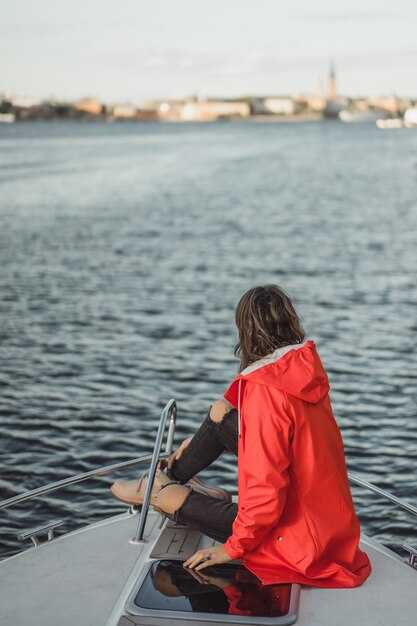
Consulte diariamente uma previsão marítima fiável e confirme com o seu skipper antes de qualquer viagem longa. Os ventos das Seychelles seguem dois regimes: maio–outubro traz dias mais frescos e secos e navegação tranquila; novembro–abril traz períodos mais quentes e húmidos com um sol e radiação mais fortes. Para um catamarã, o período de maio–outubro oferece passagens mais seguras e secas, e paisagens de cortar a respiração. A diferença entre os regimes ajuda a planear equipamento, rotas e provisões. Esta diferença também cria uma oportunidade para otimizar as distâncias entre etapas e as chegadas de acordo com o calendário turístico.
As verificações meteorológicas devem ser precisas e oportunas. Acompanhe a direção e a velocidade do vento ao amanhecer e ao final da tarde; durante a monção SE, espere 15–25 nós com rajadas ocasionais até 30+ nós e aguaceiros offshore. Monitore o estado do mar, as tendências barométricas e o desenvolvimento das nuvens; os mares perto de baías abrigadas têm frequentemente 1–2 metros, aumentando no exterior. Verifique o índice UV e use protetor solar adequado para recifes; mantenha uma cabine mais fresca ventilando eficazmente. Esta prática reduz significativamente o risco e mantém a tripulação mais segura. Esteja preparado para o potencial de aguaceiros repentinos e tome medidas oportunas quando as previsões divergirem.
Lista de embalagem: lista de embalagem completa, concebida para todas as estações. Use este kit como ponto de partida. Vestuário: camadas respiráveis, camisas com proteção UPF, protetores de manga comprida, um casaco corta-vento e uma camada quente para as noites mais frias. Calçado: sapatos de recife e sandálias antiderrapantes. Equipamento de segurança: coletes salva-vidas aprovados pela USCG para cada pessoa, arneses e linhas de vida no convés. Navegação e eletrónica: capa de telemóvel à prova de água, bateria sobresselente, power bank e cartas náuticas de reserva. Equipamento e manutenção: kit de ferramentas básico, cordas, fusíveis, fita adesiva, lâmpada sobresselente, filtro de combustível sobresselente. Cabine e água: protetor solar adequado para recifes, sabonete biodegradável, toalhas e um balde para água da chuva ou detritos. Comida e água: combustível compacto para fogão, muitos recipientes para água e uma geleira com mantimentos não perecíveis. Documentos: passaporte, seguro, cópias. Além disso, compare com as notas das Fiji, Santa Lúcia e Grécia e ajuste o equipamento de acordo para os percursos nas Seychelles.