


 Português
  English (UK)
  Русский
  العربية
  日本語
日本語  한국어
한국어  Magyar
  Türkçe
  Español
  Čeština
  Svenska
  Ελληνικά
  Suomi
Suomi  Nederlands
  Română
  Italiano
  Français
  Polski
  Українська
  Deutsch
  简体中文
简体中文  Slovenčina
  Best Snorkeling Sites in Palawan – Between El Nido and Coron">

Recommendation: Start with a dawn drift along a sheltered reef near the first gateway; here the tide is gentle, the water soothing, and snorkelers can ease into deeper swims in a remote inlet.
Expect visibility to range around 8–20 meters in the dry season, with surface temperatures around 26–29°C. In calmer morning hours the underwater atmosphere becomes radiant, and the vibrant corals reveal layers of life tucked into bommies and fans where those fish schools gather, and you can spot them gliding by.
Pros include a unique mix of reef structures and a classic island-hopping vibe. In several coves you’ll find a twin wreck site–an old gunboat resting near a soft slope–offering a surreal, photographable scene for snorkelers.
To minimize fatigue and sea-sickness, opt for mornings with powered boats that run at a steady pace. If you’re prone to sea-sickness, take preventive meds, sit midship, and dip into shallow margins. Ease back onto the surface as the tide shifts.
For those seeking a more tranquil itinerary, include a route through several microhabitats: seagrass flats, sandy shallows, and a wall that plunges into deeper water. Here the mind quiets as colors shift with the light, and you’ll notice unique inhabitants in the same moment.
Bring twin fins, a robust mask, and reef-safe sunscreen; the layers of shade and sun create a soothing rhythm as the tide shifts and you’re dipped beneath the surface.
Siete Pecados North Reef: marine life highlights, coral types, and snorkel routes
Start your snorkel outing at the shallow edge of pecados North Reef; visibility is usually clear, currents mild; chances of spotting tiny reef residents high.
Along the rim, a diverse ecosystem thrives; tiny fish dart past brain corals; macro crustaceans cling to polyps; shipwrecks lie along the slope, offering shelter for reef life. heres a note for budget minded explorers: a sunken gunboat sometimes marks the main drift, a feature that fascinates enthusiasts.
Marine life highlights
Highlights include large clusters of fusiliers, parrotfish, surgeonfish; clownfish in anemones; butterflyfish along ledges; sea turtles surface occasionally, especially during late morning light. Some visitors felt a thrill when moray eels peek from crevices; macro probes reveal small crustaceans; this display is fascinating for enthusiasts. Prone to sea-sickness should pace the drift; brief rests at the shallow edge cut wait time.
Coral types plus snorkel routes
Coral types here range from brain corals with ridged slabs; branching staghorn; plate-like table corals; tiny cup corals dot crevices. This variety provides texture; split habitats attract a broad spectrum of species. Routes split into two corridors: one along the shallow crest for macro life; another toward a deeper shelf for pelagic glimpses. Generally, start with the calmer portion; progress toward the deeper zone as comfort grows; weather allows; gear performs reliably.
From remote dimalanta launch points, morning trips are common; advance planning helps first-time visitors. For meals, pack compact options; spending stays in check. Needed gear includes mask, snorkel, fins; been prepared with reef-safe sunscreen; beauty remains a core draw for enthusiasts; setting generally suits climate, water clarity.
Siete Pecados South Reef: currents, safety tips, and photography angles
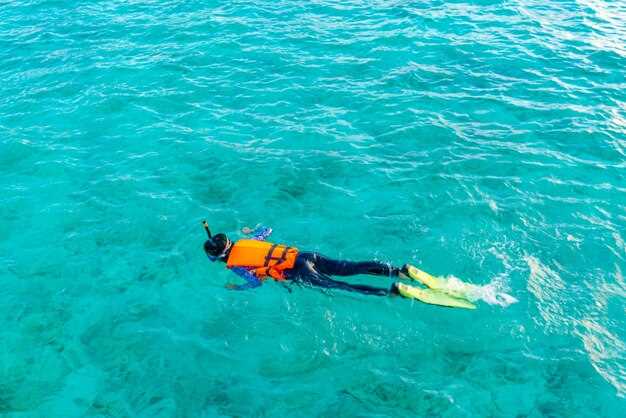
Booking with a licensed operator for slack-water entry is essential to keep currents manageable and ensure visibility.
Currents and drift approach: the site shows tidal variation, with calmer pockets near sheltered edges and stronger flows along exposed faces. A smooth drift runs along the wall for about the first half of the swim, then eddies form toward the channels. Enter from the southwest launch point and follow your guide’s instructions to catch a clear, collectible look at anemones and tiny reef life. Expect water depth from 3 to 8 meters in peak viewing zones, with higher energy near the crest when wind shifts occur. Look for white foam lines as cues to where volumes of life stay concentrated and where currents slow enough to pause without losing the group. The experience rewards patience and timing, not speed.
- Best window is a calm, mid-morning drift; if tides push, switch to a sheltered pocket and resume when safe.
- Maintain a relaxed pace; little bursts of motion save energy and reduce sand disturbance, making life above the reef easier to spot.
- Keep a safe distance from boats and shorelines; follow marker lines and your guide’s high-visibility signals to stay in clear water above the reef carpet.
Safety tips: always stay within sight of a guide and another swimmer; wear a buoyancy aid and a whistle, and keep your mask strapped tight to avoid losing gear near hulls. Do not touch corals or anemones; their white-tipped structures are delicate and recover slowly after contact. If current strength increases, switch to a sheltered approach, signal, and back off rather than press on. Choose a reliable operator such as Maru for regular shuttles; booking ahead helps you fully plan the day and ensures gear and instruction are ready. Pack light for a quick exit if conditions shift; cash tips for local crew are appreciated, but a prepaid booking protects your time and keeps the crew focused on safety.
- Stay close to your guide’s line of sight; non-swimmer should keep a flotation aid and stay in shallow, calmer zones.
- Protect gear from sharp coral edges and avoid grabbing rocks; coral health improves when divers treat the habitat with care.
- If you feel uneasy, return to the entry point together; the route offers safe zones where currents ease, allowing a peaceful finish to the look.
Photography angles and angles-ready plan: capture the ultimate visuals by combining macro, mid-water, and surface perspectives.
- From above, drift parallel to the reef edge at a depth of 4–6 meters to frame the blue expanse with coral peaks and little fish visible in the foreground; aim for a low, steady kick to keep the mask clear and the water calm. This angle highlights blues and white sand, plus the movement of the crest. Ingredients for a strong shot include clear water, sun above, and a patient swimmer or two–look for a natural silhouette against the surface.
- Macro and close-up: anchor near a cluster of anemones and tiny guardians, then shoot with a wide aperture to blur the background; focus on the textures and the little life that hides in the branches. These frames reveal color contrasts and the delicate structure of the reef, a true crowd-pleaser for natural-places photography.
- Action and drift portrait: capture a swimmer gliding with the current, water shimmering in deep blues while white-tipped corals rise above; shoot from a slightly elevated angle to convey height and scale, then switch to a flatter angle to emphasize the pattern of life along the wall.
Tip: arrive early, stay for the full visit, and consider a short picnic on a nearby beach to extend the day; the site rewards a slow, deliberate approach that respects nature and offers a chance to add more look-at moments to your plan. For those seeking a richer experience, plan an additional stop at nearby places to round out the trip and make the most of your time in this nautical corridor.
From El Nido or Coron: practical access routes and transfer options to Siete Pecados
Recommendation: Hire a private banca from the Bacuit Bay docks shortly before sunrise; the crossing to Siete Pecados lasts 25–30 minutes, with calm water perfect for a first snorkel. There, clownfish hover over shallow reefs at 5–12 meters; the scenery is gorgeous before crowds arrive; plan carefully, stay in the natural lee of the islas, and position the boat for safe entry. If you love moving with the tide, request a slower pace to match freedivers rhythm; you might see a curious barracuda gliding near drop-offs.
From the Calamianes hub, the fastest path to Siete Pecados requires a multi-stop flight: first to manila, then to puerto princesa; total door-to-door takes roughly 6–9 hours depending on connections. Alternatively, a slower ferry option to puerto princesa exists when schedules align; followed by a 4–6 hour van ride to the northern Palawan gateway. Once there, join a morning banca with a local skipper for the short ride to the site; locals can arrange private charters, which require a permit; credit is often accepted on board.
Dicas práticas: traga dinheiro em espécie ou um cartão de crédito porque muitos operadores aceitam ambos; planeje uma viagem de um dia inteiro; para passar mais tempo lá na água, reserve uma banca privada oferecendo paradas flexíveis; lá você pode pegar peixinhos-palhaço em áreas rasas do recife; a opção à esquerda permanece a rota padrão; a opção à direita permanece um aluguel privado; a sazonalidade varia; o outono traz mares mais calmos, embora com possíveis chuvas; sempre verifique as correntes antes de entrar na água; para famílias, mantenha um responsável a bordo; bebidas disponíveis a bordo; há enormes lagoas por perto que tentam uma segunda parada quando os horários permitem; há metros de visibilidade dependendo da luz.
Melhor época para mergulho com snorkel em Palawan: estações, marés e janelas diárias
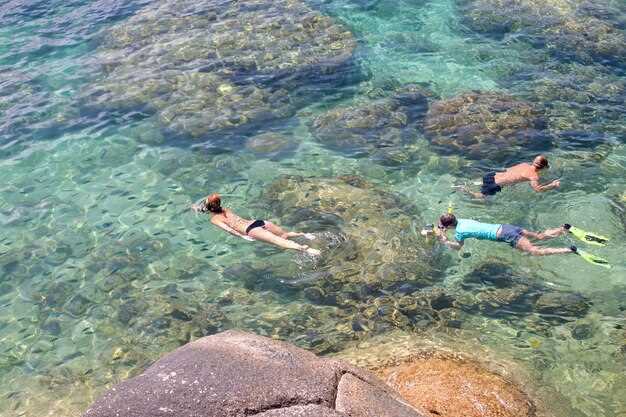
Planeje as sessões antes das 09:30, durante a estação seca, para mares calmos e água clara ao redor de Kayangan e sua suave queda, então observe as correntes que variam com a maré e o vento.
Na prática, a clareza da água atinge o pico do final do inverno ao início da primavera, com visibilidade geralmente variando de 15 a 30 metros. De enseadas voltadas para o norte a enseadas abrigadas, as condições podem variar de local, levando snorkelers atentos a procurar a vida deslumbrante e hipnotizante que a natureza oferece ao longo do recife.
Guias como a marie lideram passeios que especialmente adaptam rotas a lugares como destroços e Kayangan; estes roteiros compartilhados mantêm as multidões sob controle e reduzem o enjoo do mar, proporcionando uma experiência incrível e sem restrições para novatos e veteranos.
Para maximizar o valor, planeje em torno das marés e ciclos; além disso, mantenha a flexibilidade caso uma previsão o sorpreenda. O objetivo final é combinar manhãs calmas com correntes suaves, observando pontos de acesso onde a queda termina em profundidade azul.
As janelas diárias equilibram luz, vento e ondulação. As primeiras horas (aproximadamente das 07:00–10:00) são normalmente as mais confiáveis, com uma segunda janela (11:30–13:00) boa em dias mais estáveis. Se as condições mudarem, uma mudança para locais abrigados da costa norte ainda pode proporcionar vislumbres hipnotizantes da vida marinha, ao mesmo tempo que mantém o enjoo marítimo sob controle.
| Season | Ideal tides | Melhores janelas diárias | Notas |
|---|---|---|---|
| Dry season (Nov–Apr) | Slack to baixa mar melhor acesso a desfiladeiros e bancos de areia. | 07:00–10:00; 11:30–13:00 | Visibilidade frequentemente de 15–30 m; manhãs calmas; escolha Kayangan, naufrágios e outros pontos populares com paciência |
| Período de transição (final de abr–maio) | Marés variáveis; alguns dias mais claros que outros | 07:30–09:30; 10:30–12:00 | O clima pode mudar rapidamente; passeios liderados por Marie podem otimizar rotas especialmente. |
| Wet season (May–Oct) | Melhor em enseadas abrigadas e primeiras horas | 06:30–09:00; 10:00–12:00 | Correntes podem subir; risco de enjoo marítimo maior em ondulações maiores; fique de olho na previsão do vento |
| Dica para o ano todo | O acesso a pontos de entrega incríveis varia por baía. | Janelas flexíveis; manhãs preferidas | Opte por barcos compartilhados menores para chegar a lugares incomuns; a costa norte oferece experiências maravilhosas e menos lotadas. |
Equipamento, segurança e etiqueta: lista de embalagem e práticas seguras para recifes
Recomendação: embale um kit sólido e seguro para os recifes, com um protetor solar mineral, um chapéu leve, uma bolsa seca e uma garrafa reutilizável; aproveite a vasta experiência dos moradores locais para se manter preparado em um dia repleto de explorações na lagoa.
Lista de verificação de embalagem
Itens necessários incluem: máscara, snorkel, nadadeiras; rash guard; roupa leve; protetor solar para recife de amplo espectro; lenços biodegradáveis; toalha de microfibra; pequeno kit de primeiros socorros; lip balm para recife sobressalente; garrafa de água; saco seco para equipamentos; capa à prova d'água para celular; cartão de memória sobressalente; câmera fotográfica com capa protetora; medicamentos pessoais, se necessário. Se o aluguel de equipamentos for necessário, o custo varia de alguns dólares por hora por peça; comprar seu próprio equipamento gera economias a longo prazo sólidas, uma boa sensação para o gerenciamento de custos durante as jornadas de Palawan.
Segurança e etiqueta
Condução cuidadosa inclui permanecer dentro das zonas demarcadas; evitar tocar coral, esteiras marinhas ou vida marinha; manter uma distância respeitosa de tartarugas; não perseguir a vida selvagem; não coletar conchas; aplicar protetor solar seguro para recifes longe da linha d'água; reaplicar durante as pausas; enxaguar equipamentos com água doce após os passeios para reduzir o acúmulo de produtos químicos; manter o baixo nível de ruído durante as transferências; carregar um saco de lixo compacto; fazer compras em mercados locais para riqueza duradoura aos locais; obter consentimento antes das fotografias; dar gorjeta aos guias se o serviço atender às expectativas; apoiar a diversidade de Palawan através de um comportamento respeitoso; entrar em lagoas com um guia; não deixar rastros; descartar o lixo adequadamente.