


 Português
  English (UK)
  Русский
  العربية
  日本語
日本語  한국어
한국어  Magyar
  Türkçe
  Español
  Čeština
  Svenska
  Ελληνικά
  Suomi
Suomi  Nederlands
  Română
  Italiano
  Français
  Polski
  Українська
  Deutsch
  简体中文
简体中文  Slovenčina
 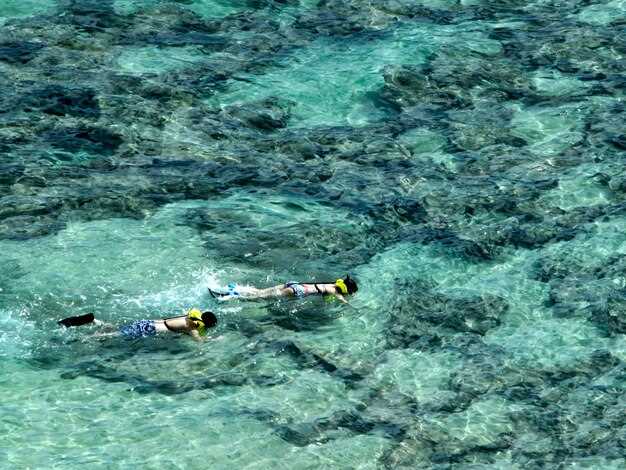 Melhores Locais para Snorkeling em Omã – Os Melhores Lugares para Recifes de Corais e Águas Cristalinas">

Primeiro, planeie uma visita às ilhas Daymaniyat com um operador licenciado para uma introdução acessível e focada na vida selvagem às paisagens subaquáticas rasas da região. As viagens devem ser marcadas antes da maré da manhã; a visibilidade tende a aumentar para avistar peixes-palhaço; peixes-guitarra; cardumes de vida marinha pequena e perto da costa em afloramentos rochosos.
No arquipélago de Daymaniyat, o arco norte apresenta correntes mais calmas; menor tráfego de barcos; pontos de entrada fáceis a partir de cais costeiros. Operadores licenciados organizam viagens com base em Muscat; as durações variam entre 2 a 4 horas; a visibilidade típica situa-se entre 5 a 20 metros, dependendo do vento e da maré. Recomenda-se reserva antecipada; a época alta vai do final do outono ao início da primavera. Comment Por vezes, mergulhadores mencionam melhorias gratuitas de equipamento durante as sessões matinais, o que ajuda os principiantes. Esta abordagem só produz resultados quando os mares estão calmos.
Além das Daymaniyats, Ras al Hadd e Ras al Jinz revelam canais mais profundos; manchas de algas verde-esmeralda; vida vibrante. Excursões para iniciantes ajudam os principiantes; entrar em zonas protegidas exige cumprimento de regras. Comentários de guias destacam arraias-pintadas; espécies semelhantes a peixes-papagaio; peixes-palhaço em enseadas sombrias. O que observar: mantenha distância da vida marinha; respeite os locais de nidificação; movimentos bruscos assustam espécies tímidas.
A época ideal decorre do final do outono ao início da primavera; evite ventos fortes; as reservas antecipadas oferecem vantagens. Vários operadores fornecem equipamento acessível; gems como peixes coloridos; plataformas ricas em algas em enseadas abrigadas. Um fiável link Aceder a recursos ajuda no planeamento; o tratamento gratuito de licenças está disponível em viagens selecionadas.
Em termos de segurança, o que fazer a seguir: verificar a ligação offshore, ler comentários, planear antes do pico da maré; reservar viagens às Ilhas Daymaniyat com um operador de confiança. Mesmo quando as condições são modestas, esta abordagem oferece valor. Garantir que o protetor solar minimiza o impacto nas superfícies vivas; levar um pequeno saco estanque; evitar que a erupção cutânea toque nas algas; isto protege as joias para futuras explorações. Outros mundos eram distantes; este percurso aproxima-o.
Melhor Mergulho com Snorkel no Oman: Contras e Limitações Práticas
Escolha a área de Sawadi como um ponto de acesso prático; as manhãs durante mares calmos proporcionam melhor visibilidade; muitas vezes esta região recompensa os praticantes de snorkeling pacientes; a ligação a previsões fiáveis ajuda; источник permanece a referência principal: vento, ondulação; atualizações de visibilidade.
As desvantagens incluem ação das ondas imprevisível; correntes com mudanças de luz; possível encontro com tubarões perto de fendas; tempo passado em águas abertas pode exaurir um praticante de snorkel; área de barco lotada perto da costa aumenta a pressão.
Em baías com vida recifal, chocos, estrelas-do-mar e peixes frequentam fendas; formas graciosas deslizam; fotografias captam um momento quando a vida marinha está perto; esses momentos parecem agradáveis; entrar na água exige vigiar as marés; equipamento à prova de água reduz o risco.
Aqueles que têm explorado esta costa conhecem o contraste entre as baías; esta linha costeira revela mundos dentro das baías; Sawadi continua a ser um dos maiores locais escondidos perto desta costa; esta linha costeira oferece apenas alguns lugares comparáveis; os barcos partem do porto, levando os visitantes para diferentes baixios; o tempo gasto a observar a graciosa vida marinha rende memórias agradáveis; em caso de problemas, contacte as autoridades.
| Aspect | Limitação | Mitigation |
|---|---|---|
| Visibilidade | Perturbação sazonal de sedimentos; mudanças de vento | Sessões matinais; enseadas abrigadas |
| Access | A entrada pela costa perto dos desembarques de barcos em Sawadi pode estar cheia. | Chegar antes do amanhecer; usar a área designada. |
| Wildlife | Tubarões perto de fendas; avistamentos imprevisíveis | Manter distância; evitar tocar |
| Equipment | Exposição de engrenagens; invólucro à prova de água inadequado | Inspecionar selos; usar saco impermeável para fotos |
Melhores locais para recifes de coral e águas cristalinas – Contras
Comece com Ajvessen como localização base para minimizar a corrente; acessível por uma curta viagem de barco a partir da praia; esta opção pode tornar a sua jornada mais suave, especialmente para principiantes e famílias; a visibilidade tende a ser mais transparente em manhãs calmas.
As desvantagens incluem visibilidade variável, correntes, ventos inconstantes; temperatura da água oscila de meados dos 20 graus a baixos 30 graus Celsius; verifique sempre as previsões mais recentes.
A alimentação por operadores pode alterar o comportamento dos peixes; isto reduz a beleza natural; as oportunidades para tirar fotografias são prejudicadas; muitos locais ao longo da costa de Omã onde a alimentação é oferecida; eles preferem zonas mais calmas.
O equipamento utilizado pelos hóspedes aumenta os custos; opções alternativas incluem locais em terra perto de estâncias balneares; a maioria dos locais exige um transporte de barco; os tempos de viagem reduzem o tempo na superfície; o orçamento ajuda; outras opções situam-se ao longo de enseadas com acesso semelhante.
As condições da água mudam com as marés; possível presença de medusas em certos períodos; usar equipamento de snorkel; proteger a pele com fatos adequados; os hábitos de alimentação observados perto das zonas afetam a vida macroscópica.
A variabilidade sazonal significa que nem todos os dias oferecem condições ideais; um planeamento atualizado melhora os resultados; combinações recomendadas ao longo das rotas indo-pacíficas; isto expande a oportunidade fotográfica.
A oportunidade de capturar imagens incríveis existe juntamente com o transporte fiável; assegure-se de obter informações atualizadas dos operadores; juntamente com o equipamento de snorkeling, este caminho proporciona experiências memoráveis.
Visibilidade limitada devido à turbidez sazonal e à proliferação de plâncton
Planeie uma excursão às ilhas Dimaniyat durante um período com condições mais calmas; meados de maio costuma oferecer fotos mais nítidas com menor turbidez e menor risco de cancelamento; as opções de snorkeling concentram-se em torno de baías pouco profundas.
Picos sazonais de turbidez ocorrem com florações de plâncton; o pico geralmente ocorre no inverno; a visibilidade ao longo da costa perto de dimaniyat ou praias diminui de 6–12 m para 2–4 m; acima da vida nos recifes, as cores desvanecem-se; os visitantes menos assíduos veem mais moreias durante os períodos mais claros.
Não perca a oportunidade; escolha uma excursão guiada com cancelamento flexível; consulte as previsões meteorológicas; quando a altura das ondas se mantiver abaixo de 1 m, entrar na água será mais calmo; viajantes kiwi juntam-se para aprender sobre o comportamento dos recifes; as câmaras captam fotos durante as horas mais luminosas de hoje; as praias próximas oferecem um acesso mais calmo ao cais; Dimaniyat, localizada perto de um movimentado porto da cidade, é acessível por um curto passeio de barco.
immergir gradualmente durante períodos mais límpidos; evitar entrar na água durante luz fraca; o ecossistema em torno de Dimaniyat apresenta vida de recife; espécies de wrasserough habitam a plataforma intermédia; os guias adequam os itinerários ao transfer do porto da cidade; o ângulo do sol orienta o timing; viajantes do mundo, incluindo tripulações kiwi, valorizam a flexibilidade; esta abordagem oferece as melhores probabilidades de observar moreias, vida de recife, fotos hoje; não se esqueça de respeitar o litoral, as suas praias, uma grande experiência de aprendizagem.
Correntes fortes e riscos de segurança em recifes expostos
Nunca entre na água quando as ondas atingem a altura dos ombros ou quando uma corrente puxa para longe do barco; espere que um guia licenciado confirme o alcance e a entrada segura, especialmente em viagens a Masirah. As condições podem mudar em minutos, transformando um momento calmo numa deriva perigosa.
- É essencial fazer passeios guiados com um operador licenciado; um guia kiwi ou um instrutor local definirá a janela de entrada, controlará a profundidade e observará a direção da corrente. Mantenha-se ao alcance do barco e mantenha uma distância máxima de 5 metros da escada.
- Equipamento e alugueres: utilize bolsas impermeáveis para objetos de valor e considere um colete de flutuação impermeável; se o equipamento for de aluguer, inspecione a vedação da máscara, as barbatanas e a válvula do snorkel antes de entrar na água.
- Consciencialização da profundidade: as profundidades típicas em zonas expostas variam entre 2 e 6 metros; planeie o seu mergulho dentro desta faixa e regresse à escada antes que a corrente ganhe força.
- Respeito pela vida selvagem: o peixe-borboleta e o peixe-palhaço patrulham as zonas rasas; o peixe-cirurgião pasta nas proximidades; as tartarugas são frequentemente vistas a deslizar; mantenha distâncias e não toque na vida subaquática delicada ou nas formações.
- Protocolo de segurança: leve uma bóia de sinalização de superfície, tenha um apito e comunique-se com o guia utilizando sinais manuais padronizados; se sentir arrasto ou recear perder a linha, aborte e regresse ao barco.
- Clima e estado do mar: monitorize a previsão; evite entrar durante ventos fortes ou ondulação grande; as condições podem mudar frequentemente, transformando o mar numa densidade de movimento e baixa visibilidade semelhantes a uma floresta pluvial.
- Disciplina de entrada: nunca avance para além do seu alcance; utilize alugueres com um operador de confiança e tenha sempre um colega à vista; isto mantém a aventura controlada e reduz os riscos.
Os momentos observados incluem cenas dignas de fotografia de águas calmas pontuadas por rápidas mudanças na profundidade e na corrente; viagens ao longo desta costa revelam maravilhas, mas exigem disciplina, preparação e respeito pelo pequeno ídolo da cautela que guia cada viagem segura. Mantenha apenas os seus pertences à prova de água e permaneça a 5–7 metros do barco quando as condições se inclinarem para correntes fortes, para uma experiência que permanece memorável em vez de arriscada. Resumo
Desafios de acesso: locais remotos, licenças e transporte
Solicite as licenças e contrate um operador licenciado agora. Confirme os termos de entrada para cada área protegida e solicite orientação à autoridade do parque. Agende um briefing sobre proteção dos recifes e um plano de excursão oficial para se manter dentro das zonas autorizadas e proteger a vida no mundo.
Ilhas remotas exigem transporte de barco do continente; espere longos tempos de alcance dependendo do vento, maré e condição do mar. Escolha uma embarcação com calado raso e plataforma estável; verifique o combustível, equipamento de segurança e experiência da tripulação. Mantenha os números baixos (4–6 pessoas) para minimizar o impacto próximo à costa; observe recifes escondidos e planeje uma contingência se o tempo azedar; você ainda pode alcançar enseadas protegidas quando as condições permitirem.
Use licensed charters, park-approved operators, or little island-hopping excursions to minimize disturbance. Some itineraries feature short landings and variety in routes. Before departure, inspect the vessel condition, life jackets, radio, and crew credentials. Opt for different routes to protect wildlife and reduce noise near nesting sites.
em setembro, os padrões climáticos podem favorecer a observação costeira, especialmente em zonas abrigadas com manhãs mais calmas. Procure começar cedo para alcançar uma boa visibilidade, mantendo a exposição baixa. Explore lagoas costeiras e bancos rasos onde peixes de recife amarelos e peixes-borboleta são frequentes; raias azul-pontadas e arraias guitarra patrulham os canais próximos. Esta combinação oferece um equilíbrio ideal de segurança e variedade.
Práticas de proteção: mantenha tartarugas a uma distância respeitosa e evite tocar em corais. Utilize produtos seguros para os recifes e siga as instruções do parque. Crie um registro pós-viagem para avaliar o impacto e ajustar os planos; evite transformar costas intocadas em um ídolo de multidões. Sempre siga a orientação local para manter experiências seguras.
Aglomeração, pressão turística e etiqueta de recifes

Sempre reserve um charter personalizado em grupo pequeno com antecedência para distribuir as visitas ao longo da costa; isso reduz a pressão sobre estruturas frágeis de recife, distribuindo o impacto por uma área mais ampla.
Durante períodos de pico, os horários dos passeios apertam as embarcações nas mesmas docas; escolha horários durante a semana ou explore enseadas menos visitadas. getyourguide lista esses e/ou opções que fazem parte de um plano mais amplo.
Mantenha distância da vida marinha; iniciantes se beneficiam de um ritmo suave, batimento de nadadeiras mais lento, observações silenciosas que proporcionam clareza.
Perto dali, existem rotas andor que se direcionam para zonas mais calmas, expandindo seu alcance ao mesmo tempo que reduzem a sobreposição comum com outros grupos.
Abstenha-se de tocar, coletar ou ficar em cima de qualquer coisa; permaneça dentro das linhas de bóia; respeite as regras wrasserough aplicadas pelos operadores; estas diretrizes também ajudam a proteger a costa omanense e suas zonas protegidas.
Muscatos podem aparecer perto de leitos de seagrass; observe de distância; mesmo quando curioso, não persiga.
Também, escolha rotas com durações mais curtas para minimizar o estresse durante a exploração; isso é especialmente útil para iniciantes.
A distância, não a pressa, molda uma experiência mais rica; de um ponto vantajoso, você pode apreciar uma vibrante paisagem marítima sem produzir detritos.
Regras de conservação, áreas protegidas e requisitos de gestão de resíduos
Escolha protetor solar seguro para os recifes; permaneça nas trilhas marcadas; respeite as áreas protegidas para manter a vida marinha colorida florescendo.
Respeite as áreas protegidas ao longo da costa de Omã; a âncora é restrita em muitas baías; use amarras; evite tocar em estrelas-do-mar, peixes-caixa, moreias, além de outras espécies que refletem a vida marinha única. Zonas protegidas oferecem chances de ver espécies raras.
Carregue um saco de lixo seguro para os recifes; nunca deixe plásticos; use latas de lixo da praia; leve o lixo para casa. O programa ajvessen coordena a limpeza de resíduos ao longo das costas de Masirah. Além da proteção de recifes, as florestas tropicais recebem cuidados semelhantes.
april current may shift; planejar mergulhos com marés favoráveis; observar cardumes de peixes de uma distância respeitosa; usar uma câmera para capturar fotos sem perturbar estrelas-do-mar, moreias ou outras espécies.
Masirah oferece um paraíso para mergulhadores, fotógrafos; enseadas vibram com vida; cenas coloridas aparecem quando as condições de corrente estão calmas; compartilhe fotos e comentários favoritos, ao mesmo tempo em que promove a proteção; evite remover conchas; converse com os moradores locais.