


 Português
  English (UK)
  Русский
  العربية
  日本語
日本語  한국어
한국어  Magyar
  Türkçe
  Español
  Čeština
  Svenska
  Ελληνικά
  Suomi
Suomi  Nederlands
  Română
  Italiano
  Français
  Polski
  Українська
  Deutsch
  简体中文
简体中文  Slovenčina
  Best Jet Ski Destinations Worldwide – Top Places to Ride">

Start with a flexible coastal base, hire a dependable watercraft, and launch at first light to maximize calm water and visibility. These sessions on pretty beaches allow you to test freestyling, jumping, and controlled acceleration, back-to-back planning, while avoiding expired equipment and keeping times efficient. This approach lets youll stay ahead of weather and crowding.
Exploring global coasts offers a range of options: parasail above clear water, take back-to-back experiences along sheltered coves, and compare equipment from several operators. Questions about licensing or local rules can be resolved before you head out, saving times.
For newcomers, start with calmer zones to build confidence, staying chill while you learn handling without crowds. These itineraries balance time on the water with coastline photos and beaches, letting you sample different routes and equipment; this builds confidence in jumping and improves balance and enjoyment.
These routes offer a mix of breezy sessions and adrenaline bursts: rides along coral coves, back-to-back with other stops, without rushing, while you measure wind, check safety, and answer questions from guides about launch times and local permits. The experience feels pretty and immersive, with opportunities to swap gear and tune your freestyling approach.
Exploring a global map of watercraft-friendly coasts reveals many backdrops: quiet lagoons, vibrant beaches, and friendly harbors that welcome travelers. times will vary by season; plan flexible windows and stack options so youll can switch between calm paddling, jumping practice, and parasail sessions when conditions permit.
Gold Coast Jetski Hotspots At-a-Glance
Start a dawn run from stradbroke Island’s southern flats, where glassy water and following channels usually stay calm. Boats carve wakes, surfers grab lines, and this stretch becomes a playground that lets everyone test power between sandbanks and tide edges. This makes it an ideal kickoff for your day on the water.
In the heart of the coast, the Surfers Paradise zone offers winding routes along beaches, turning toward the Spit and Nerang River mouths. This area usually serves sheltered bays with clear water and scenery in every frame, with boats and gear accessible online. Your opinion among locals is that the optimal balance of speed and scenery shows up between the main beaches and sheltered creeks so you can keep riding with confidence. Watch for surfers crossing lanes and respect local markers.
Burleigh Heads and Currumbin Alley become a mid-day playground, with sheltered bays and winding channels that offer pure water and pristine scenery. Rides along Currumbin reaches are usually calmer near low tide, then open toward headlands as wind builds. Check safety: keep a safe distance from surfers, reefs, and other boats, and rely on online resources and following guides to pick optimal days for light or stronger winds. Your plan should follow the following guidelines to stay safe and maximize time on the water.
For a concise loop, start stradbroke, glide toward the Spit, then finish near Burleigh for sunset. This itinerary provides a tight window that highlights turquoise water, green headlands, and a mix of beaches, which keeps the pace lively throughout the day. Throughout the day you can enjoy action with boats, surfers, and fellow riders sharing the same lanes; thats why awareness of tides and the following rules matters, and lucky riders may spot dolphins skimming the wake.
Iconic routes and must-ride channels around Surfers Paradise
Begin with a calm Broadwater loop near Main Beach for a confident, family-friendly start, 60–90 minutes of relaxed cruising in sheltered water. Use jackets and rashies, stay in marked lanes, and enjoy the slow cadence as you scan banana-shaped sandbars and nearby mangroves for moments of wildlife. This entry point makes following sessions easier for groups and first-timers, with gear you already have at hand for full safety and enjoyment.
Broadwater loop and Seaway cross: Launch from the Main Beach launch area, ride the sheltered inner channels toward Sovereign Islands, then swing through the Southport Seaway when conditions are tame. The route offers warm water, clear sightlines, and frequent opportunities to pause at decked beaches for photos. It’s ideal for families and those who want a gradual challenge, providing benefits like steady speed control and improved balance before venturing farther. Expect occasional chop near the Seaway mouth; keep your equipment in check and monitor currents to stay confident on the water.
Nerang River to Sovereign Islands backwater: Transition from Broadwater into the Nerang River system, where calm, meandering turns reveal hidden mangrove pockets and quiet inlets. This lane is popular with groups seeking a unique, leisurely cruise that still feels immersive. Discover quieter coves, peer into shorefront gardens, and time your run around mid-morning or late afternoon for softer light. Bring a spare tube or a bumper accessory for playful touches and to keep the pace relaxed for younger participants, especially when you’re with a full crew.
The Spit and Southport Seaway corridor: For a more dynamic stretch with ocean-facing views, follow the Spit toward the Seaway during settled conditions, then loop back along the coastline toward Surfers Paradise. This is where Florida-style wakes can add a little edge without venturing far offshore. The following minutes are ideal for groups who want a lively experience, but you can keep it chill by staying in the shelter of the channel and avoiding peak traffic. It’s a strong reason to upgrade gear–rashies, light jackets, and a dependable tube help you stay buoyant and comfortable as you stack moments of live-action scenery.
Palm Beach to Tallebudgera Creek scenic run: For a longer, more immersive day, depart from the southern end of Surfers Paradise and cruise toward Palm Beach, then ride through the creek mouth into Tallebudgera. The route rewards with turquoise water, creek palms, and reef-edge glimpses that feel truly unique. It’s perfect for a full-day session with family or groups, offering multiple rest stops, photo opportunities, and the chance to practice precise turns in calmer creeks. Pack rashies and spare equipment to adapt to changing conditions; you’ll look forward to repeating the same loop on another day because the experience stays fresh and rewarding.
Youre ready to tailor each run to your level: start slow in the Broadwater, build confidence in the Nerang River, test smooth navigation near the Seaway, and finish with a longer coastal circuit. The benefits go beyond scenery; you’ll improve handling, anticipate currents, and create memorable moments with your crew, whether youre sharing a laugh on a tube, guarding gear with a bumper practice, or simply soaking up the chill on a sunny beach afternoon. Discover why these channels remain a preferred choice for groups and families seeking safe, engaging exploration around Surfers Paradise.
Launch access, moorings, and on-site rentals for quick sessions
Book online ahead for a 30-minute quick session at a marina with a direct launch ramp and a secured PWC dock; this minimizes prep and keeps the action moving between runs. They provide a brief safety briefing, life jacket, and basic instruction, which helps a rider get on the water quickly. September demand often yields packed windows, so having a prepared plan and back-to-back slots is possible. In Florida or straddie, local operators name multiple launch points that offer islands and coves with different water conditions, providing a playground for preferences and skill levels.
Launch access depends on ramp type, dock spacing, and parking proximity; in Florida, most marinas provide paved ramps, clearly marked lanes, and staff to assist with tie‑offs after arrival. Straddie spots typically feature shore‑side launches with short walks to the water; verify daylight hours and currents to keep sessions efficient. Choose locations that minimize travel time between get-ins and keep a spare set of clothes and sunscreen ready for sudden changes in weather.
Moorings for quick sessions should be front‑row or near the ramp where you can return and reset fast; confirm hourly rates and whether slips are assigned or shared. Islands and coastal pockets use floating docks and simple tie points that cut setup time between runs. If you roll with friends, select sites that offer group moorings and clear handoff protocols so you can swap riders smoothly without long waits.
On‑site rentals span compact one‑seaters to higher‑hp twins, with safety gear included and a brief briefing as standard. Fuel policies vary, so estimate 1–2 gallons per quick session and ask about any idle time charges. Sessions are often offered in 15‑, 30‑, or 60‑minute blocks; pick 30 minutes for a confident loop around nearby islets and coves, or 60 minutes if you want to sharpen personal skill between different routes and environments. When planning, consider your preferences and think about a diverse sequence of experiences, which helps you build a stronger baseline for future outings in places like Florida or Straddie’s island playgrounds.
Seasonal water conditions, tides, and wind patterns for planning
Begin your straddie plan with a dawn window during neap tides and light offshore flow; assemble with your mates in a 3-seater, and keep a towed safety craft ready for a rider in need. Here the natural channels along the coast and canal require clear spacing, protective wear, and a throttle discipline to unleash controlled thrills. When you push west past the headlands toward sheltered bays, check tide tables and gcwa advisories to time launches and returns without washing crowds.
Seasonal dynamics shift with the moons: in the warm season, a SE sea-breeze pattern tends to give smoother mornings and choppier afternoons, with typical winds around 10–18 knots and gusts higher near exposed points. Cooler periods bring more variability as fronts move through from the west to northwest, often 15–25 knots, which can punch up short, prismatic chop along winding channels. Tidal ranges range from roughly 0.6–1.0 m at neap to about 1.6–2.3 m at springs; plan your routes to ride the shallow pockets on lower tides and avoid shallow sandbars in rising water. Tracking these shifts helps you pace slips past the western headlands and through the canal without abrupt slowdowns or rush moments.
Plan specifics for trips: coordinate a clear route with a dedicated rider leader, keep a towed craft ready for a quick assist, and wear impact-rated gear in all conditions. For a safe year-round session, stay inside established lanes, keep speeds moderate in busy stretches near the canal mouths, and use a phased, stop-start approach to prevent crowding along popular curves. Straddie-area options originally offered simple loops, but now you can craft a multi-mate itinerary that leverages wind windows and spring-neap timing, making the ascent and return feel like a sovereign transport of speed and skill for jetskiers and their crews.
| Area | Season window | Wind pattern (typical) | Tide range (m) | Notas |
|---|---|---|---|---|
| Straddie coast & canal | Nov–Mar | SE sea-breeze 10–18 kt; afternoons up to 22 kt | 0.6–1.0 (neap); 1.6–2.3 (spring) | Best dawn sessions; watch squalls from the west fetch |
| Past headlands | Apr–Oct | NW–W fronts 15–25 kt | 1.0–2.0 | Prefer sheltered routes; expect wind shifts |
| Broadwater canal | Year-round | Calm mornings; gusts 12–20 kt afternoons | 0.8–1.6 | Manter um espaçamento seguro; percursos curtos e controlados |
Requisitos de segurança, dicas de licenciamento e etiqueta local
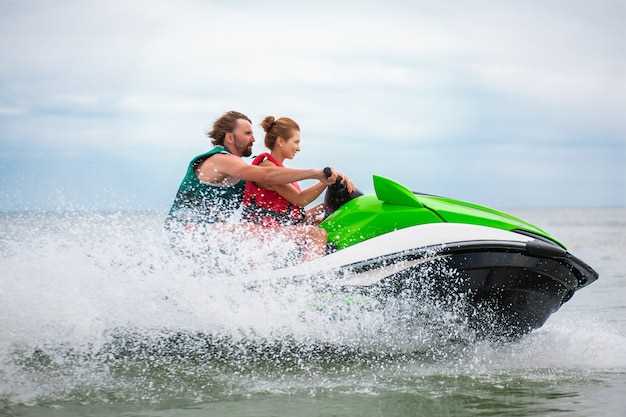
Verifique sempre o licenciamento local antes de alugar uma embarcação; coletes salva-vidas para todos os passageiros são obrigatórios, e um corta-corrente funcional deve ser usado em todos os momentos. Este artigo fornece passos práticos para uma experiência segura e agradável em rotas lacustres e costeiras, além de atualizações das autoridades locais. Essa é a razão para planear com antecedência e manter-se em conformidade.
- Licenças e alvarás: Certifique-se de que cumpre os requisitos de idade mínima (geralmente 16–18+), conclua um curso de segurança aprovado, se necessário, e tenha consigo comprovativo da certificação; em zonas regulamentadas pela GCWA, tenha consigo os detalhes da sua licença e alvará e contrate apenas operadores com credenciais verificáveis.
- Registo e seguro: Confirme que a embarcação está registada e segura; guarde os recibos de aluguer e uma cópia do contrato; a menos que a cobertura esteja incluída, compreenda a responsabilidade por danos ou roubo e os potenciais custos a suportar.
- Equipamento e material de segurança: Todos os utilizadores devem usar coletes salva-vidas; transportar um apito, um dispositivo de sinalização e um kit de primeiros socorros compacto; para utilização noturna, adicionar uma lanterna e peças sobresselentes; garantir que o corta-corrente com cordão funciona corretamente.
- Regras na água e velocidade: Respeite os limites afixados; a velocidade é expressa em nós, e deve manter-se bem abaixo do limite em zonas movimentadas; evite embater nas ondas perto de praias e perto de entradas de marinas; mantenha uma distância segura de outras embarcações.
- Limites de utilizadores e ambiente: Distribua o peso uniformemente e siga as indicações de capacidade; as crianças necessitam de supervisão apertada e podem ter a sua utilização restrita; mantenha-se afastado de zonas de coral, ervas marinhas e habitats de vida selvagem; reabasteça longe de zonas sensíveis e minimize a poluição.
- Etiqueta em marinas e praias: Ao aproximar-se de uma marina junto a locais movimentados, sinalize a sua intenção, ceda a passagem e atraque com calma; na época alta, os lugares perto das marinas ficam lotados; não bloqueie faixas de circulação ou cais privados; verifique os horários de abastecimento ou bombagem e mantenha a voz baixa durante as horas de silêncio.
- Considerações regionais e atualizações: Antes da partida, verifique as atualizações das autoridades locais; nas Maldivas, algumas rotas podem exigir um guia ou operador licenciado; as diretrizes do GCWA aplicam-se nas zonas aplicáveis; subscreva os boletins de segurança para alterações; é importante manter-se informado através das atualizações de subscritores.
- Planeamento prático e transporte: Escolha um operador respeitável; organize o transporte para a área de lançamento e confirme que coletes salva-vidas e equipamento de segurança estão incluídos; planeie tendo em conta o clima e a estação do ano e leve um pequeno saco estanque para objetos de valor; guarde documentos importantes num cofre e partilhe cópias com um companheiro de confiança.
- Dicas para famílias e iniciantes: Para crianças ou para quem se aventura pela primeira vez, comecem com uma sessão guiada ou um percurso curto; mantenham as sessões breves se o vento aumentar; revejam sempre as opções de percurso e o tempo com o guia antes de começarem; uma abordagem cautelosa cria uma experiência agradável.
- Documentação e responsabilidade: Para atualizações de subscritores, solicite ao operador as regras atuais e os requisitos de equipamento; mantenha uma checklist digital e registe quaisquer incidentes para melhorar a segurança futura.
Locais para um bate e volta nas proximidades e desvios panorâmicos para sessões mais longas
Comece com um passeio de 40–60 minutos ao longo da costa de Oahu e atravesse até à Baía de Hanauma para uma pausa para snorkeling, depois volte por Kahuku e pelas passagens ventosas – muita sombra, assentos confortáveis e enseadas escondidas ao longo do caminho.
-
Hawaii, circuito costeiro de Oahu – Comece no porto de Honolulu, passe Diamond Head, e depois contorne Makapu‘u para baías abrigadas. Há imensa paisagem que permanece deslumbrante, mesmo depois de uma longa sessão; os principiantes podem ficar na lagoa interior pouco profunda, perto de Kailua, para um passeio calmo, enquanto os praticantes experientes avançam para a cordilheira para uma corrida rápida nas ondas. As opções de arrumação na embarcação mantêm os bens secos, e os funcionários podem indicar desvios tranquilos longe dos corredores de tráfego movimentados.
-
Key Largo e Islamorada, Florida Keys – Um curto salto através das planícies até ao John Pennekamp Coral Reef State Park garante uma paragem para snorkeling em águas cristalinas e com abundância de peixes. Estas águas são muito tolerantes para iniciantes, com muitas zonas pouco profundas para praticar curvas e paragens. Procure canais de mangue escondidos que o afastam das multidões; existem até praias abrigadas para um descanso confortável. Espere tráfego limitado perto do parque, mas planeie em torno dos horários de pico dos cruzeiros para evitar corredores movimentados.
-
Nassau e Paradise Island, Bahamas – Comece com uma rápida passagem de recife pela Vallée até aos destroços perto de Paradise Island, depois faça um desvio pelas zonas planas turquesa em direção aos bancos exteriores. Há muita paisagem ao longo do caminho, incluindo bolsas de correntes cruzadas que testam o seu controlo sem arriscar perigo. Certifique-se de que traz um saco estanque para guardar os seus pertences e mantenha um observador a bordo ou num barco de segurança se se aventurar para além das zonas familiares. O percurso geral é suave e a água é realmente límpida para percursos longos e ininterruptos.
-
Área de Montego Bay, Jamaica – Os utilizadores podem dirigir-se para os recifes para lá do monte e circular ao longo da orla das águas protegidas e pouco profundas. Este percurso oferece algumas enseadas escondidas e muitas praias moldadas pelo clima onde pode parar e tirar fotografias. O trânsito é mais leve nas primeiras horas, para que possa avançar para uma atividade mais longa sem multidões. Os funcionários podem recomendar um local confortável e com sombra para um lanche e uma troca rápida de equipamento.
Ao longo destes percursos, encontrará estas dicas práticas: verifique as restrições locais antes de partir, mantenha-se nos canais demarcados e faça pausas regulares para evitar a fadiga. Há muitos momentos de paisagens deslumbrantes onde pode fazer snorkeling, inspecionar a vida nos recifes ou simplesmente deixar que o ritmo das ondas o leve. Para arrumação, utilize sacos à prova de água e compartimentos fechados na mota de água, e leve uma toalha leve e roupa extra para a viagem de regresso. Esta abordagem mantém a sessão confortável, segura e realmente agradável ao longo de um único dia ou de um desvio alargado sem perder o ritmo.