


 Português
  English (UK)
  Русский
  العربية
  日本語
日本語  한국어
한국어  Magyar
  Türkçe
  Español
  Čeština
  Svenska
  Ελληνικά
  Suomi
Suomi  Nederlands
  Română
  Italiano
  Français
  Polski
  Українська
  Deutsch
  简体中文
简体中文  Slovenčina
 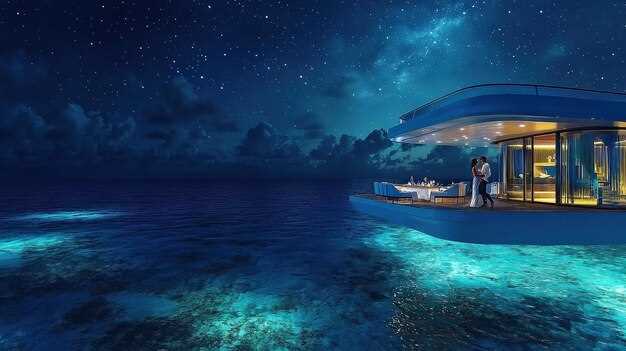 AURORA Moonen Yacht – From AU$76,000Wk | Luxury Charter Australia">
“The real voyage of discovery consists not in seeking new landscapes, but in having new eyes.” – Marcel Proust
Book AURORA Moonen Yacht for your Australian luxury charter and lock in From AU$76,000Wk for a week of seamless cruising. This option gives charterers a highly personalised schedule, with ports, pace, and dining preferences set before departure while the crew conducts operations with strict safety standards and attentive hospitality.
The vessel blends aluminium accents with expansive social spaces and a super crew that foresees needs and delivers with precision. The deck pairs shaded lounges with sunbathing areas, while interiors flow between formal dining and casual living. The chefs cater to all diets, delivering meal courses with absolute quality, and the onboard environment respects local ecosystems.
The terms applies to every booking, and the acceptance process remains clear and transparent. If weather or routing constraints require adjustments, proceed with a revised plan or cancel and rebook within the policy. The policy supports flexible rearrangements; days or routes can shift with minimal disruption based on crew availability.
On behalf of the captain and crew, AURORA delivers a tailored handover and continuous service, with a dedicated concierge to arrange shore excursions, private tastings, and sustainability-friendly experiences. Expect precise meal pacing, personalised recommendations, and a level of comfort that makes every anchorage feel like a private resort.
Typical charters span 7 days, with options to extend based on availability and destination permits. Fuel usage is measured in litres and managed to maximise range without compromising comfort, while the environment remains a priority throughout your itinerary.
AURORA Moonen Yacht – From AU$76,000/Wk: Luxury Charter Australia – Propulsion
Opt for the Caterpillar propulsion package on AURORA to ensure dependable speed and predictable maintenance across Australian coastlines.
The propulsion setup pairs twin Caterpillar diesels with a refined hull form for quiet, stable performance. You’ll enjoy a top speed in the low teens and a confident 10–12 knot cruise, delivering steady range for coastal hops from Cairns to Broome and all the way to the Coral Sea. This combination supports smooth passages, easy access to beach coves, and reliable powering for long days ashore.
Three practical takeaways shape this configuration: reliability, efficiency, and strong service support. Cat’s global network underpins a straightforward warrantee and guarantee plan, with updates available in currencies such as AUD, USD, and EUR depending on your charter arrangement. That clarity reduces planning friction for personal itineraries and corporate charters alike.
- Engine configuration: twin Caterpillar diesels deliver robust performance with reduced vibration, tuned to the Moonen hull for smooth operation from the salon to the decks.
- Performance and efficiency: top speed 12–14 knots; cruising 10–12 knots; long-range capability that favors offshore routes and island hopping, while keeping fuel use sensible during extended charters.
- Maintenance and support: Cat service network ensures fast access to parts and technicians; regular update cycles keep the propulsion systems aligned with current standards, supported by both guarantee and warrantee options.
- Onboard integration: a galley with professional cooking appliances and a projector in the salon enhance the experience after a day on the beach; large windows and open decks maintain a bright, connected atmosphere for guests.
- Operational notes: three key checks before departure and an easy connection to shore-based resources help maintain momentum on Australia’s diverse coastlines, with clear guidance on cancellations if plans shift.
For particulars, request the latest update to confirm horsepower, fuel strategy, and the exact warranty terms. The option to tailor the propulsion plan to your itinerary exists, and the crew can align the carrying capacity and power needs with your personal message to the captain, ensuring influence over every leg of the voyage beyond standard routes.
Main Propulsion System: Engine Types, Power Output, and Shaft Alignment

Recommendation: Install twin diesel-mechanical engines, each rated 1,800–2,000 kW at 1,500 rpm, coupled to a robust two-shaft arrangement with a reliable reduction gear. Target a combined propulsive output of 3,600–4,000 kW and align shafts to within 0.08–0.12 mm per meter using laser-assisted alignment, vibration analysis, and periodic shimming. This configuration supports private vessels and general areas of operation where predictable performance matters; acknowledge that their maintenance plans should cover personal crew safety and liable risk.
Engine types For main propulsion, choose from diesel-mechanical, diesel-electric, or hybrid layouts. Diesel-mechanical provides straightforward maintenance and high reliability with direct shaft drive. Diesel-electric enables future electrification and easier integration with stern thrusters and hotel loads. Hybrid blends batteries with diesels for load leveling during port operations and gourmet beverage scenarios. For long-range charters, diesel-mechanical remains the most robust option; in country settings like France and Cannes, diesel-electric or hybrid can reduce fuel burn when managed well.
Power output and performance For twin engines, target 1,800–2,000 kW per engine at full rated rpm, yielding 3,600–4,000 kW combined. At 1,600 rpm, expect cruise speeds around 14–16 knots with a clean hull; top speeds approach 18–20 knots with efficient propellers and proper ballast. Design the prop shaft and propeller diameter to handle peak torsional loads with a margin of 15–20%, and include a third shaft option if high-thrust maneuvering is needed. The data are shown in the manufacturer’s sheets and in the third-party test report within the owner’s arrangements.
Shaft alignment and installation Align the two shafts along a common line with minimal angular misalignment. Target straightness of 0.08–0.12 mm per meter, verified with laser tools and final afloat checks. Use rigid engine mounts, vibration-damping couplings, and confirm the butts are sealed and do not show wear. Regular vibration monitoring and periodic re-alignment keep the system within spec and reduce stray loads that could affect bearings and hull structure. Maintain left-hand and right-hand bolts correctly and document tolerances in the log, along with any observed left-right imbalances.
Notas operacionais For private charters and their crew, alignments and power tests are shown within the official test package; the third-party report linked to Cannes operations in France confirms compliance. In Cannes port, France, vessels often showcase crystal-clear data on propulsor alignment; the link to the test sheets is provided to authorized personnel. Farzan, the on-site technician, coordinates maintenance arrangements with private owners and crewing consent. If an ordered maintenance window is canceled, revise the schedule and notify all liable parties. Arrangements for beverage service on deck are kept separate from propulsion testing for safety and privacy.
Fuel Strategy: Diesel Capacity, Tank Locations, and Onboard Consumption for Week-Long Charters

Provide a 25% cushion above forecast consumption for a week-long recreational charter. Use four independent diesel tanks to support cruising and contingencies, and ensure the skipper has authorisation for bunkering and the team records every fill.
Diesel capacity should target 20,000–28,000 L for vessels in the 40–45 m class, distributed across four tanks: fore peak, port midship, starboard midship, and aft. The upper section of the tanks simplifies refueling on deck and helps maintain a smooth boarding process. Plan with wooden deck protection and clear spill-control measures to safeguard operations near staterooms and crew areas.
Onboard consumption varies with speed and usage. At 9 knots, propulsion and systems draw about 100–140 L/h; at 12 knots, 180–230 L/h; standby services 40–60 L/h. Over a typical island-hopping week, allow ~1,600–2,000 L/day, or 11,200–14,000 L/week. Include a reasonable contingency of 25% to cover detours, weather, and the connection to shore power when available, and plan beyond the week for potential extensions.
Operational controls align with the plan: real-time monitoring via the vessel’s fuel management connection, daily logs with the skipper and the team, and four-point coordination to avoid surprises that would incur penalties or damages. This approach keeps spaces like staterooms comfortable and accessible while maintaining safe boarding and fueling practices to minimize injuries. Always acknowledge the baseline numbers, assume a conservative reserve, and adjust as weather or itinerary changes. The audit will warrant strict adherence to fuel safety practices.
Documentation and terms: fuel contracts include sale terms, contact points, and a clear process for refunds of unused fuel. If discrepancies occur, you may be refunded; keep records for damages or claims and rely on the warrantee from the supplier. Ensure authorisation is in place for all boarding, and maintain a balance between cost and reliability.
Power Generation and Shore-Connection: Generators, DP, and Electrical Load Management
Install two 250 kW main diesel-electric gensets with paralleling capability plus a 125 kW service genset as a hot spare. This setup provides reserve capacity for peak hotel loads when climate control, galley appliances, and laundry cycles align with staterooms and guest occupancy. Mount the gensets on an aluminium frame to resist corrosion in salt air and minimize vibration transfer to glassware and fittings. Ensure propulsion remains stable during transitions and use a soft-start on each unit to protect the electrical network.
Shore-connection plan: Connect to shore power at 400V/50 Hz or 480V/60 Hz depending on country; use a heavy-duty, IP-rated shore cable reel and a watertight connection box. Target a transfer time from genset to shore of under 15 minutes; coordinate automatic transfer with DP thruster control so propulsion stays ready. Document the connection type and port terms in the contract; verify prices and confirm that the shore supply meets the vessel’s loads. The procedure shows the step-by-step switch to shore power and back, and the crew should acknowledge and follow it. Ensure compliance with government regulations.
Electrical-load management: Use an EMS to prioritize critical loads such as propulsion, DP, navigation, and climate control in staterooms. Assign a baseline hotel load of 40–60 kW for lighting, with HVAC for up to eight staterooms running simultaneously; during docking, shed non-critical appliances (entertainment systems, water heaters, and pool pumps) to keep the core load within genset capacity and to ease the transition to shore power. For a one-week charter, map a daily load curve and pre-allocate reserve margin to handle unexpected peaks, aiming to stay within 85–90% of genset rating.
Operational and safety considerations: Shore power reduces fuel use while in port, keeps galley appliances and climate control running without running gensets, and supports compliance with country guidelines. The master should acknowledge the plan and the contractual entitlement to shore power; the board should confirm shore-connection terms before boarding. If a port cannot provide power or if a cancellation occurs, switch to the contractual backup plan and inform guests; reserve capacity for one-week charters and adapt to government restrictions or port limitations to avoid injuries and mishaps. This approach clarifies connection types, prices, and responsibilities, helping the voyage show a smooth, well-supported service across aluminium hulls and precise operational routines.
Performance Metrics Under Propulsion: Cruising Speeds, Range, and Fuel Budgeting
Target a 12–14 knot cruise to balance speed and range; the upper end saves time between port calls and lets you enter harbour sooner, with sparkling coastal views.
Read the on-board performance data daily and set a fuel budget: assume 60,000 L total fuel on board, with 6,000 L reserved. At 12 knots, engines burn about 900 L/h; at 10 knots about 700 L/h; at 14 knots about 1,100 L/h. This yields endurance around 66 h at 12 knots, 85 h at 10 knots, and 54 h at 14 knots, so you can target roughly 800–900 nm per leg under typical conditions, depending on consumption figures and headwinds.
In port operations, operators seek options that align with accordance to the contract and local rules. Boarding and transfers can be arranged with seadoo tenders; one option is to stage a short leg to a nearby harbour, keeping guests intimate with the shoreline while gourmet care and sparkling service continue. Fuel is stored in butts and tanks to meet the 60,000 L total, and consent from the crew is required immediately to proceed with any docking or transfers.
| Speed (knots) | Range (nm) @ 60,000 L | Consumo de combustível (L/h) | Endurance (h) |
|---|---|---|---|
| 8 | 960 | 500 | 120 |
| 10 | 857 | 700 | 86 |
| 12 | 800 | 900 | 66 |
| 14 | 763 | 1100 | 54 |
| 16 | 686 | 1400 | 49 |
Essas métricas orientam o cronograma de embarque e os planos de entrada no porto, permitindo que os operadores leiam as mudanças do vento e se ajustem imediatamente para manter o itinerário intacto, ao mesmo tempo em que atendem às expectativas dos hóspedes por cuidados gourmet e experiências íntimas no porto.
Funcionamento Silencioso e Capacidade de Navegação: Como o Projeto da Propulsão Afeta o Conforto dos Hóspedes
Comece com um pacote de propulsão que minimize o ruído e a vibração na fonte: selecione um sistema diesel-elétrico ou híbrido, integre suportes de amortecimento de vibração e certifique-se de que o espaço de máquinas seja tratado acusticamente. Esta abordagem reduz a perturbação das áreas dos convidados, seja quando o iate navega em velocidade ou está parado no porto.
O silêncio operacional depende de como a propulsão interage com a dinâmica do casco. Um motor de velocidade média com engrenagens montadas em coxins macios e acústica do compartimento de máquinas ajustada pode fornecer torque suave, mantendo as vibrações de baixa frequência fora das suítes e lounges. Enquanto o iate enfrenta ondulações, o sistema deve manter um impulso estável e ruído irradiado mínimo, apoiando conversas relaxadas em áreas propícias a bate-papos e descanso tranquilo durante as vigílias noturnas. Isso requer um alinhamento cuidadoso da propulsão, isolamento de vibrações e rigidez do casco para evitar a transferência de energia para os decks de hóspedes.
Escolhas de design chave e seu efeito no comportamento ao mar:
- Tipo de propulsão: As configurações diesel-elétricas e híbridas permitem a operação elétrica prolongada em condições calmas, reduzindo o ruído do combustível e permitindo transições de torque mais suaves em mares agitados.
- Propulsor form: Fixed-pod ou layouts de propulsores azimute oferecem controle preciso de empuxo; sistemas azimute podem minimizar o solavanco de popa em ondulação leve, mas requerem isolamento robusto para evitar vibrações transmitidas ao casco.
- Design de hélices e eixos: lâminas de grande diâmetro com alinhamento otimizado do cubo ao eixo reduzem harmônicos de vibração; tratamentos de superfície e carenagens perto do eixo ajudam a reduzir o ruído de cavitação.
- Isolamento de máquinas: suportes elastoméricos, auxiliares desacoplados e uma sala de máquinas vedada e revestida acusticamente reduzem drasticamente a transmissão de som para as áreas de estar.
- Interação do casco: O ajuste do reforço do casco e a amortização para popa reduzem a transmissão de movimento; o controle adequado do trim mantém o movimento da cama estável, diminuindo a sensação induzida pelo motor nas cabines.
Diretrizes operacionais e protocolos de teste para garantir conforto consistente:
- Desenvolva um plano de testes que inclua medições de baixo ruído em múltiplas velocidades e condições marítimas, utilizando microfones a bordo posicionados em áreas de hóspedes para capturar uma mensagem confiável sobre os níveis de conforto.
- Realizar pesquisas regulares de vibração após qualquer serviço de propulsão ou modificação do casco, e documentar os resultados com imagens para rastreamento de auditoria e melhorias futuras.
- Estabelecer buffers de segurança: restringir o acesso ao espaço da maquinaria durante os testes marítimos e garantir a supervisão de tripulações qualificadas; isso reduz o risco e protege a segurança dos hóspedes.
- Defina níveis de ruído e limites de vibração aceitáveis para cada deck; ajuste as metas de velocidade do motor para permanecer dentro desses limites em perfis de navegação prolongados além das visitas ao porto.
- Ofereça aos hóspedes uma conversa transparente sobre as opções de propulsão e o conforto esperado, incluindo possíveis compensações entre aceleração, alcance e operação silenciosa.
Alimentos, bebidas e entretenimento permanecem inalterados pelo ruído da propulsão quando um iate usa modos de baixo ruído; isso ajuda a manter o consumo nas áreas dos convidados agradável e incentiva estadias mais longas a bordo sem fadiga. Se os convidados sentiram desconforto durante os testes, um reembolso ou ajuste pode ser providenciado de acordo com diretrizes claras, ao mesmo tempo em que continua a monitorar o desempenho em condições do mundo real.
Evite riscos desnecessários ao evitar modificações que invalidam garantias; confie em alterações supervisionadas e diretrizes documentadas. Na prática, sessões de teste estendidas com dados do mundo real devem ser capturadas em uma galeria de resultados – imagens que ilustram fontes de ruído, pontos quentes de vibração e etapas de mitigação – para que a equipe de administração revise e tome medidas.
Notas de farzan e rene destacam pontos de verificação práticos durante os testes: mantenha um controle rigoroso sobre a segurança e supervisão, registre uma mensagem concisa para o capitão e a tripulação e mantenha linhas de comunicação abertas com a equipe de locação para garantir que o conforto dos hóspedes continue sendo a prioridade. O iate prospera quando as escolhas de propulsão entregam consistentemente operação silenciosa, boa capacidade de navegação em condições adversas e uma atmosfera calma para cada experiência do hóspede além do comum.