


 Português
  English (UK)
  Русский
  العربية
  日本語
日本語  한국어
한국어  Magyar
  Türkçe
  Español
  Čeština
  Svenska
  Ελληνικά
  Suomi
Suomi  Nederlands
  Română
  Italiano
  Français
  Polski
  Українська
  Deutsch
  简体中文
简体中文  Slovenčina
 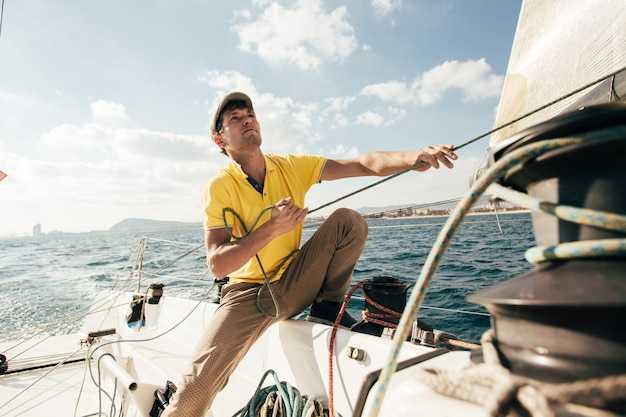 8 Sailing Documentaries to Inspire Your Inner Sailor – The Ultimate Must-Watch Guide">

Start with maidentrip as your first pick to feel the ocean’s pull from frame one, and let the backdrop of the sea set a friendly tone for your first documentary. The moment the sails rise and a teen navigates solo, the film tells a story about grit, curiosity, and safe seamanship.
Across eight titles, the guide contrasts amateur crews with directed productions, and each episode reveals not only weather effects but the craft of editing that drives pace. It tells you where tension builds and how different crews approach the same nautical moments.
As you watch, use a simple plan: two or three episodes per week, and an emphasis on what the crew tells you about decision-making when a squall hits. The lineup covers amador crews and directed accounts, so you can compare how crews handle the same challenges no mar.
Look for content that places the action in real-world settings: the dockside planning, the sails unfurling, and the long months at sea that shape choices. This guide helps you see where the craft shines, and it highlights the storytelling techniques–the whats on screen and the choices filmmakers make–that turn a voyage into entertainment for both novice and seasoned viewers.
To build your personal viewing routine, pick a couple of episodes that fit a weekend start and a midweek wind-down. By comparing how different crews approach the same day, you’ll gain practical insights into gear and seamanship that you can apply during months of practice, while keeping a friendly, amateur mindset.
8 Sailing Documentaries: A Practical Watch List by Skill Level
Start with Maidentrip if you’re a beginner: it’s a solid, engaging entry that highlights families and a young woman at the helm, with interviews that help you learn the fundamentals and enjoy beautifully aquatic visuals.
-
Maidentrip – Beginner
Why watch: a personal, grounded narrative that follows a teen sailor as she learns the ropes and makes a first serious push toward solo crossing. The film blends filmed moments with interviews from her family, teachers, and mentors, giving you concrete tips on planning routes, budget, and safety gear. Expect crisp footage of the coast and open water, plus real-time decisions that show the force of weather and the power of preparation. It’s a great kickoff to see how crews and solo crews handle the basics, and it sparks confidence for later adventures.
-
Endurance – Intermediate
Why watch: this solid, character-driven account of Shackleton’s voyage emphasizes teamwork and leadership under pressure. The head-to-head battles with ice and hunger reveal how a crew maintains morale and trust when options are limited. Filmed with archival material and contemporary narration, it offers a clear example of how intertitle, interview, and narrative weave together to create a gripping overall arc. It highlights the dynamics between captain and crew and shows how decisive leadership can steer a group through extreme conditions.
-
Kon-Tiki – Advanced
Why watch: a landmark journey that blends reconstruction, archival footage, and expert interviews to highlight a bold plan at sea. The Heyerdahls story, told through the eyes of the crew, demonstrates how a single guiding idea can lead a group across vast distances, with the narrative building tension between doubt and conviction. Watch for the way the ships’ rhythm sets up moments of intense collaboration, and notice the way a strong, shared purpose carries a team through storms and long, quiet days at sea. A great example of how character and mission intersect to produce a memorable, cinematic experience.
-
Racing the World – Volvo Ocean Race Highlights – Advanced
Why watch: racing documentaries push you to study the craft in real time. This title (well-suited for advanced viewers) showcases how teams coordinate shifts, weather routing, and sail changes while staying focused on safety. You’ll see the crew head-to-head with brutal seas, and you’ll hear direct perspectives from several players, including a few who speak candidly about pressure and pacing. It’s ideal for understanding the practicalities of professional sailing, from the cat-and-mouse dynamics between boats to the moments when teams win a critical leg through precise, collaborative making.
-
Women at the Helm – Focus on Female Sailors – Intermediate
Why watch: this documentary explores the rise of women in competitive and expedition sailing, bringing forward stories from captains, mates, and first mates. The interviews highlight different leadership styles and decision-making approaches, while observing how women navigate both the physical demands and the media spotlight. The narrative arc demonstrates how confidence grows when teams come together around a shared goal, and how playing to each person’s strengths strengthens the entire crew. It’s a motivating window into inclusive leadership on the water.
-
Families on the Ocean – Family Voyages – Beginner to Intermediate
Why watch: this title centers on families learning together at sea, making long passages approachable for viewers who want to share the experience with siblings, parents, or grandparents. The film highlights how preparation and practice–the steady building of skill–reduces risk and builds trust. It also showcases the beauty of practical sailing–handling lines, weather checks, and watch schedules–while weaving in anecdotes from multiple households, including a few moments where a child’s question steers the day. It’s a warm, educational bridge between solo and crewed sailing ambitions.
-
Survival at Sea – Crisis and Recovery – Advanced
Why watch: this documentary dives into true scenarios where crews confront life-threatening conditions and have to improvise safe solutions. The force of nature is shown candidly, and the interviews punctuate the moments when a team’s plan changes under pressure. Between the dramatic highlights, you’ll see the practical logic–evacuation decisions, emergency signaling, and the role of leadership in keeping morale and order. It’s a rigorous study in risk management, resilience, and the power of calm, calculated decisions by the head of the line and the entire team.
-
Navigation and Skill-Building – How to Read Water and Weather – All Levels
Why watch: this compact guide focuses on the craft behind long passages: chart reading, weather interpretation, and decision-making under uncertainty. The film uses a mix of on-water footage and classroom-style interviews with seasoned skippers and instructors, showing concrete techniques that translate into practice. You’ll pick up tips on route planning, sail trim, and staying safe in changing conditions, with a clear emphasis on how each choice affects the boat’s head and speed. The storytelling is crisp, and the examples illustrate how solid fundamentals compound into successful journeys later on.
Assess Your Current Sailing Experience to Pick the Right Film
Start with a coastal-focused film if you’re new to sailing: map your recent miles, the places you’ve visited, the shores you’ve touched, and your provisioning routines. If you manage coastal legs with solid weather reads, choose films that present a clear backstory and a dedicated crew; if offshore passages feel within reach, seek deeper stories from professionals.
cant pull off long passages yet? Start with shorter routes and pick a film that highlights practical seamanship, simple problem-solving, and crew dynamics.
Use tubi to locate options whose tone matches your goals: look for magazine-style features and monthly roundups that break down routes, provisioning lists, and the gear that keeps a ship safe.
Match the film’s destinations to your ambitions: if you want more exploration of different places, pick films that explore varied destinations and offer vivid shots of masts and shores; if fishing scenes and provisioning are your interest, seek dedicated episodes.
Pay attention to the backstory: how the crew heads the operation, their approach to decision-making, and the challenges they face when the weather turns rough; these details help you pull practical ideas for your own setup, theyre decisions reveal patterns you can imitate.
Finally, assess tone and takeaways: a really adventurous piece can spark a plan to test new knots, provisioning routines, or watchkeeping habits on your next outing.
Link Each Documentary to Concrete On-Water Skills to Practice
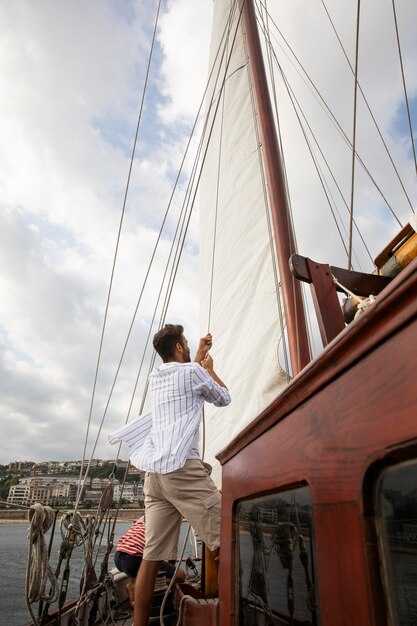
Documentary 1 – mediterranean Passage: Start with knot-tying in calm water: learn a bowline, a figure-eight follow-through, and a cleat hitch, then practice simple sail handling. Youll build levels of confidence while you enjoy the ship’s rhythm and feel the breeze on your face, building camaraderie on deck as the tale unfolds, showing that these basics translate perfectly.
Documentary 2 – Coastal Navigation: Build skills in chart reading, plotting bearings, and keeping a steady watch. Use a compass, a log, and quick fixes; second, test with an online chartplotter simulator to compare results and improve your looking accuracy for distance and timing.
Documentary 3 – Open Water Handling: Tackle strong winds with reefing and trim adjustments to balance the ship. Practice helming by hand, gust management, and coordinated sail changes on short tacks to feel the wind’s push and keep the hull steady; blown spray on the rails reminds you to trim early and communicate with the crew.
Documentary 4 – waterworld Realities: In close-quarters docking scenes, rehearse line handling, fender setup, and precise steering with a partner. Do short practice maneuvers from a quay or marina approach, then repeat with a second person to build camaraderie on deck and to feel how everyone contributes.
Documentary 5 – Fishing Grounds: Master fishing line management, safe rigging, and hook handling; practice bringing in lines with a partner. Keep the deck tidy while looking for strikes, then simulate the chase of a school to move smoothly around the cockpit and maintain camaraderie among the guys on board.
Documentary 6 – Night Watch: Practice keeping a steady watch in low light with clear calls, proper deck movement, and safe passage around obstacles. If you watched the film, you see how a calm cadence tells them what to do; you can replicate those cues in your own group, and the male crew will feel more secure in the dark.
Documentary 7 – Steiger’s Route: The captain Steiger emphasizes redundancy: use sun sight and a backup compass, and cross-check with a digital chart when available. The film shows Jess and Wills steering a calm helm, so you can learn to lead your crew and tell them your plan, building confident, friendly leadership.
Documentário 8 – Preparação para o Transporte: Este episódio aborda a transferência de competências aprendidas para um navio maior ou uma nova tripulação. Pratique verificações do motor, arrumação da âncora e simulacros de segurança de passageiros, depois execute um simulacro completo com uma equipa nova para que o desafio que se avizinha pareça natural e a aventura no convés se torne instintiva.
Realismo da Pontuação: O Que Procurar em Técnicas, Clima e Segurança
Comece com uma análise de realismo: garanta que todas as manobras principais sejam reproduzíveis sob três intervalos de vento e estados do mar, depois verifique as filmagens comparando-as com referências reais de um estuário ou costa aberta. Esta abordagem permite que os espectadores avaliem a precisão rapidamente e mantém a equipa focada em detalhes verificados em vez de palpites, ancorando a embarcação no mundo da vela.
Documente cada manobra com sinais claros: quais os punhos de cabo, guinchos e adriças usados, como o leme responde e como o trim das velas se apresenta em cada ajuste. Inclua sinais meteorológicos — formação de nuvens, período de ondulação, mudanças de vento — para que o público veja causa e efeito, e não palpites. Procurar precisão nestes sinais torna as cenas mais credíveis. Mantenha um elevado nível de perícia em cada plano.
O realismo meteorológico exige mais do que a mera meteorologia: mostre como as tripulações leem o estado do mar, as correntes e as rajadas; um momento turbulento deve ser gerido com ações seguras e credíveis, como rizar ou alterar o rumo. Se forem apresentadas tripulações novatas, apresente o raciocínio por detrás das decisões para ajudar os espectadores a compreender o carácter e o risco; eles estão a assistir ao processo, não apenas ao espetáculo.
A lógica de segurança não é negociável: apresentar a quantidade e o tipo de equipamento usado e disponível, desde DPAs a arneses, além de verificações de segurança para rádios e EPIRBs. Breves resumos de segurança ocasionais entre os sets ajudam o público a acompanhar os controlos de risco sem quebrar o ritmo. Mostrar como um plano de contingência reduz o risco quando o clima muda e como a equipa comunica para se manter alinhada; evitar o isolamento sobrepondo diálogo com som ambiente e pistas visuais claras. Começar a procurar o alinhamento perfeito entre a câmara, o som e a ação.
A personagem e a dinâmica da equipa importam: equipas exclusivamente femininas e masculinas trazem ritmos diferentes; a edição deve equilibrar tensão e alívio, mostrando como as pessoas comunicam, alocam tarefas e apoiam-se mutuamente sob pressão. Criar momentos de personagem que pareçam genuínos fortalece a ligação dos espectadores. Eles envolvem-se quando as escolhas são apresentadas, e o momento de tomar uma decisão revela a personagem através da ação. Alguns editores recorrem a bravatas masculinas para aumentar a tensão, mas uma técnica sólida mantém o realismo intacto.
Quantifique o realismo com métricas concretas: acompanhe a precisão do ajuste das velas, o desvio do ângulo do leme, o tempo de resposta às rajadas e a latência do rádio. Mencione como os dados de vendas e os investimentos em equipamento refletem o interesse da indústria, ancorando a produção na prática do mundo real. A sequência de clipes ideal mostra opções reais, depois o caminho escolhido, e explica por que essa escolha manteve o ímpeto, permanecendo dentro das margens de segurança.
Criar um Plano de Visualização de 4 Semanas Alinhado com Sessões de Prática
Escolhe dois documentários compactos para a Semana 1 que enfatizem a preparação árdua, depois adiciona um exercício de 20–30 minutos após cada um para completar o ciclo. Observa como pequenos detalhes – a postura, o trabalho com cordas e a disciplina no convés – se traduzem na prática real. Usa notas da página para captar ideias que pareçam relevantes, especialmente cenas decorridas perto de um porto ou na água, e mapeia-as para as tuas sessões.
| Week | Focus | A verificação das escolhas | Sessão de Treino | Notas |
|---|---|---|---|---|
| Week 1 | Bases: garra, cordas, disciplina de convés | Visualização de escolhas: um segmento de expedição agreste ao longo de uma costa com mastros elegantes; um estudo de água inspirado em Melville focado na preparação. | Prática: 20–25 min de exercícios de convés; nós (lazo de correr, nó de escota); manuseamento de cordas; terminar com o registo de uma página de notas; usar sapatos para aderência | Imagens identificáveis aumentam a motivação; pequenas vitórias acumulam-se. Em casa, espelhe um exercício para construir confiança e forma. |
| Week 2 | Dinâmica da tripulação e velocidade de decisão | Sugestões de visualização: um romance a bordo de uma travessia portuária do Uruguai; um segmento onde a tripulação explora os limites do trabalho de equipa | Prática: Exercício de 30 min – indicações, tarefas de função e uma simulação de momento de decisão; não podemos confiar na sorte; quem é líder e quem apoia | Identifique quem recebe o crédito pelas chamadas importantes; preencha um registo rápido para manter as páginas de progresso honestas e relacionáveis. |
| Week 3 | Navegação sob pressão e interpretação meteorológica | A verificação de escolhas: elegante videoclipe premiado de longa viagem; milhas registadas com registos de vigilância costeira; apresenta uma abordagem ao planeamento de rotas ao estilo de Manry. | Prática: Sessão interpretativa de 40 min – princípios básicos de previsão, planeamento de rota simulado e um momento de decisão; registar quem toma a iniciativa | Os prémios destacam as melhores práticas; manter-se útil para controlar quilómetros e chamadas importantes; manter uma página contínua de informações. |
| Week 4 | Capstone: reflexão e transferência de competências | Escolhas em cartaz: sequência de regresso a casa com ecos de Melville; um perfil de Tami que combina garra com elegância | Prática: 45 min plano de travessia simulado completo; checklist finalizada; finalizar com uma reflexão de 5 minutos no escritório | Captar conclusões acionáveis para a próxima época; traduzir o que funcionou no ecrã em exercícios e rotinas reais; manter o ímpeto do porto para casa. |
Lista de Verificação Pós-Visionamento: Traduzir Cenas em Passos Acionáveis
Escolha uma cena que tenha visto e traduza-a numa tarefa concreta que possa completar dentro de 24 horas. Isto converte um momento de inspiração numa ação clara que pode executar, mantendo o seu espaço habitacional ligado à água e o seu mundo a expandir-se para além do ecrã.
Mapear a cena para uma única ação: prática de nós, verificação meteorológica ou auditoria de equipamento. Certifique-se de que regista os ventos e a pressão e que o seu plano é suficientemente preciso para evitar palpites. Isto torna-o tangível e ajuda-o a criar um plano que pode testar. É este tipo de clareza que ancora as suas ideias em passos práticos.
Transforme o plano num momento partilhado: convide a sua esposa a participar e mantenha um ambiente amigável, unindo o romance à aprendizagem prática. Uma mulher com quem treina pode trazer novas perspetivas, cuja curiosidade alimenta o plano, ajudando-o a considerar o ofício sob diferentes ângulos.
Confirme a sua reserva para uma aula local ou aluguer, e considere equipamento em segunda mão para esticar o orçamento. Inspecione o equipamento de segurança e os elementos básicos do barco antes de partir, e escolha um período que evite dias à deriva – um com ventos de sul previsíveis e uma agenda calma.
As sessões de treino devem ser pequenas e focadas: brincar com uma maqueta de um barco, exercícios de atracagem ou traçar rotas numa piscina. O objetivo é ter passos perfeitamente repetíveis, para que as cenas do filme se tornem hábitos que consegue reproduzir na água, e não apenas no ecrã.
Mantenha um registo conciso que traga clareza: o que aconteceu, o que mudaria e o que irá tentar a seguir. Se anseia por motivação extra, veja um vídeo relacionado e, em seguida, extraia uma ação concreta que possa executar agora. É este tipo de momento que o mantém inspirado e a viver com propósito no mundo.
Revejam o progresso com o vosso parceiro e um amigo no final da semana. Se os planos desviarem ou parecerem à deriva, troquem a cena por um novo objetivo e ajustem rapidamente. O resultado são ganhos de competências, uma rotina mais amigável e um pequeno troféu para marcar cada vitória – um lembrete pessoal de stanleys de que estão a viver uma vida de marinheiro mais rica.