


 Português
  English (UK)
  Русский
  العربية
  日本語
日本語  한국어
한국어  Magyar
  Türkçe
  Español
  Čeština
  Svenska
  Ελληνικά
  Suomi
Suomi  Nederlands
  Română
  Italiano
  Français
  Polski
  Українська
  Deutsch
  简体中文
简体中文  Slovenčina
 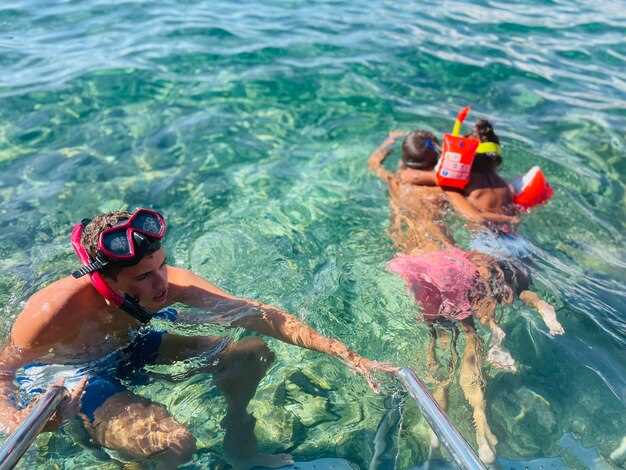 7 Best Destin, Florida Snorkeling Experiences for 2025">

Begin with a calm morning session near a sheltered jetty, a safe choice that helps beginners gain confidence. Plan a 60-minute block while the ocean stays glassy, to fill the memory with emerald water, curious fish, and a steady rhythm that keeps snorkelers comfortable.
Next, drift toward an artificial reef formation about 1.2 miles offshore where sandy bottoms keep you near the surface during a relaxed excursion. The variety of fish is broad–parrotfish, wrasse, and juvenile snapper often appear, which snorkelers appreciate. Rentals include masks, snorkels, fins; wear a light rash guard; late-morning light tends to yield the clearest visibility and the most favorable conditions.
A short, shallow wreck area accessible by boat or wading near the inlet offers another safe option, ideal to suit young snorkelers and beginners. Depth rarely exceeds 6 feet, so you can watch small reef fish dart among the frame while you stay within arms’ reach of the surface. During the 60-90 minute excursion, expect clear water, a gentle current, and an easy rhythm that makes an unforgettable memory–rentals provided on-site and a guide can help you identify starfish, rays, and pufferfish.
The seagrass flats inland host a steady rotation of juvenile fish and subtle mantis shrimp, offering much variety without strong currents. Depth in these spots typically ranges from 2 to 6 feet, which keeps you close to the surface. This area is perfect during late morning e early afternoon; rentals include masks, snorkels, fins, and life jackets; wear a thin wetsuit if the water is chilly in the spring or autumn.
A guided harbor-channel excursion gives context with on-water briefings, which snorkelers appreciate steady routes along calmer water. The package offers on-site gear checks, and rentals include masks, fins, and life jackets; safety gear provided; wear a vest if you’re not confident; during peak season, guides limit groups to protect the most fragile habitats.
To add a romantic twist, choose an evening excursion that targets a sheltered cove where the emerald surface glows under sunset light. Visibility remains comfortable as the tide shifts, giving snorkelers time to observe reef fish and juvenile rays before returning to shore. Most packages include gear, a brief safety check, and a light snack; aside from the action, you’ll hear locals joke about fudpuckers as a playful aside among crew, a reminder that planning can stay light while learning which sites suit you best.
Finally, a multi-stop plan along a protected beach lets you assemble several small sites during a single outing. Expect calm water, much variety in sea life, and a pace that suits young snorkelers and adults alike. Rentals are widely available, wear a buoyant vest if needed, and stay mindful of safe distances from boats; always check local conditions, tides, and wind before setting out, and keep a low-profile attitude to minimize disturbance to wildlife.
Top Beginner-Friendly Snorkel Spots in Destin

Comece at Henderson Beach State Park at first light: calm waters, soft sand, and a gentle current create an ideal stage, supporting exploring with snorkel gear. A laid-back crew near the docks offers basic signals and safe entry tips.
Crab Island, near the harbor, features shallow pockets that welcome snorkel attempts with a calm current. A double-decker charter often anchors by the sandbar, enabling the captain and crew to guide them on a short route while visitors explore together.
Crystal Beach and Miramar Beach stretches provide high visibility on calm mornings; choose beaches close to shallow reefs to keep waters mild. Aside from main picks, quieter coves around the area invite patient exploration; the opportunity to spot small schools and houses on shore adds context to the day.
Tips to maximize a first session: pick days with light winds; wear a soft rash guard; keep distances from boats; stay within arm’s reach of your guides. When conditions feel safe, climb into the shallow zones and test a gentle snorkel.
Resort launches can pair a captain-led trip with a laid-back snorkel in the harbor, giving visitors an opportunity to explore waters, raise awareness about marine life, and meet people with common interests. A double-decker ride adds a new perspective on the sandbar, the beaches, and nearby houses.
What to Expect on a Guided Snorkel Tour
Arrive 20 minutes early, verify your mask and flippers size, and embark when the guide signals the start.
Most tours begin with a safety briefing at the dock or near a bridge where visitors observe. Operators outline signals, how to equalize, and tips to stay with the group along a sandbar edge.
- Includes gear: mask, snorkel, fins (flippers), a life vest if needed, and a quick wetsuit or rash guard to keep warm; standard items that ensure a smooth journey in water.
- Standard safety briefing covers signals, staying with your group, and respect for wildlife; thats why you will keep close to the guide.
- Water conditions vary; expect depths from about 2–6 meters and water temperatures in the upper 60s to mid 80s Fahrenheit, depending on season.
- Visibility ranges from clear to moderate; if visibility drops, the ride slows and you visit shallow spots near a sandbar.
- Site features often include a mix of natural habitat and man-made elements, such as a nearby bridge, pilings, and a small sandbar where you can spend time along the edge.
- These rides typically include a short ride to the site, followed by a brief in-water portion and a post-dive debrief on what was seen and how to identify common creatures.
During the second leg, you visit a shallow patch near a sandbar where creatures live throughout calm water, which keeps things simple for beginners and kids; you may spot crab, small fish, and other wildlife along the way.
What to wear and carry
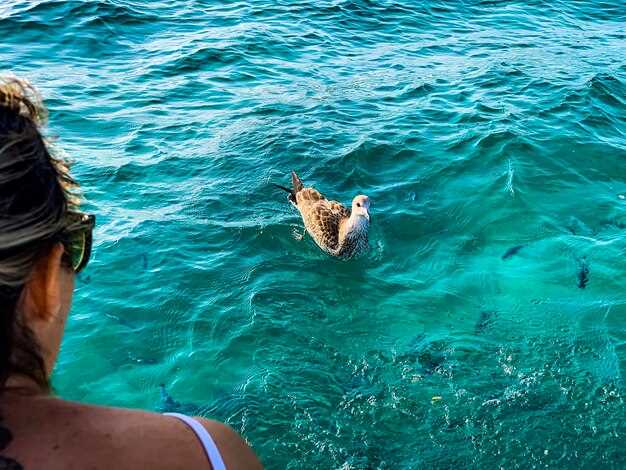
Things you should have on deck: swimsuit, sunscreen, towel, water bottle, and a small dry bag. Bring your own mask and fins if you have a preferred fit; otherwise the operator provides standard gear. You can wear flip-flops to board, then switch to fins once you enter the water, and thats a handy reminder to move slowly near the edge. Keep your feet under you and stay relaxed yourself.
Etiqueta da vida selvagem
Crab and other creatures inhabit pilings and seagrass along the edge. Visitors should observe from a safe distance, avoid touching, and never chase wildlife. Guides may point out residents such as small reef fish and stingrays when present.
- Most common sights include a chorus of tropical fish, crab, and occasional sea turtles during certain months.
- Live demonstrations by the guide explain how to identify these creatures and their habits.
To reserve a slot, book directly with operators, confirm duration, departure point near the bridge, and kid-friendly pacing if a family unit includes younger swimmers.
In-water time typically runs 20–40 minutes, depending on visibility, currents, and the guide’s pacing; most groups spent about 25–40 minutes in water before riding back to the dock for a quick recap.
Must-See Marine Life and Underwater Scenery in Destin
Book a morning glass-bottom boat tour from the harbor to watch reef areas and undersea life. Glass-bottom boats offer a stable view of the reef and its shadows.
These jetties near Okaloosa yield high chances to spot octopuses tucked in crevices, tropical fish schooling around reef structures, and rays skimming over sandy lanes. The vantage above the water reveals color patches and silhouettes that hint at life below looking back.
From the bridge and harbor edges, observe color shifts as water clears and you are looking at silhouettes of schools above the reef.
When you visit the area, combine a trip with a coastal cruise that sails along Okaloosa shores and around the jetties to maximize life sightings. This is a sure choice to observe life.
History and service culture at the resort town sustain reliable options, with guides who know the world-famous shoals and safe viewing practices. These trips demonstrate the ability to see octopuses and tropical fish from a safe platform.
Waters around these zones host schools of fish, moray-like shapes, and occasional octopuses peeking from crevices; you will likely see them from a vantage above the water. Found along these zones, life forms cluster around rocks, enhancing your chance to observe a variety from surface to depth.
Visit Okaloosa and nearby areas to sample multiple settings–jetties, bridge shadows, reef edges, and harbor coves–each offering distinct underwater scenery.
Escolha viagens que ofereçam flexibilidade para parar sobre colónias brilhantes de peixes tropicais e para ouvir histórias locais sobre o recife, o porto e o serviço que mantém os barcos a funcionar diariamente.
Equipamento, Alugueres e Reservas: Lista de Verificação Prática
Reserve o equipamento e uma saída guiada com duas semanas de antecedência e, em seguida, confirme a hora de recolha no ponto de encontro do passeio marítimo ao longo da costa. Isto reduz os atrasos no local e garante o acesso a máscaras, barbatanas e um colete salva-vidas adequado limpos. Enquanto viaja, uma recolha tranquila mantém o dia a fluir.
Equipamento a organizar à frente: fato de mergulho ou fato de banho dependendo da temperatura da água, uma máscara e snorkel, barbatanas do tamanho correto, um auxílio de flutuabilidade se não for um nadador experiente, e uma câmara à prova de água ou capa de telemóvel à prova de água se quiser tirar fotos de uma costa intocada. Considere um saco seco leve para manter os objetos de valor seguros entre sessões.
Muitos locais companies oferecer um variety de opções: alugueres de sessão única, pacotes para vários locais e passeios combinados com paddleboarding ou passeios no porto. Compare a qualidade do equipamento, os artigos incluídos e se está incluído um saco estanque. Se planeia adicionar mergulho mais tarde, verifique os requisitos de idade e certificação; pode fazer um upgrade no mesmo local.
Como reservar passos: escolher uma data, selecionar um período de atividade (manhã tipicamente mais calma), verificar o ponto de encontro perto molhes ou harborwalk. Use um cartão de crédito com uma política flexível; reveja os termos de cancelamento; peça equipamento alternativo se o stock for limitado. Pergunte sobre o tamanho dos grupos e se existem opções de guia privado para personalizar um ritmo mais calmo ou mais emocionante; se um grupo for mais pequeno, espere uma fácil personalização.
No local, um briefing aborda a segurança, os sinais, a localização dos coletes salva-vidas e o sistema de pares. Se a visibilidade diminuir, os operadores podem fazer uma pausa; nunca tente nadar para além dos limites marcados. Watch marés e visibilidade; mantenha um registo das condições na orla marítima e rastreie a costa para planear futuras sessões; isto ajuda a construir uma experiência agradável e reduz o risco.
Após a saída, verifique o estado do equipamento, reporte quaisquer problemas ao operador, preencha os formulários de feedback; capture fotos de uma costa pitoresca; a zona da marginal do porto oferece opções de restauração e fácil acesso a outros locais de natação e atrações.
Dicas Sazonais e Melhores Alturas para Fazer Snorkel em 2025
Planeie com antecedência para maximizar a visibilidade e a segurança, focando-se em manhãs calmas na primavera e no final do verão. Estas janelas trazem correntes suaves, marés estáveis e uma abundância de vida nos recifes ao longo da costa da Flórida. Se o seu grupo viajar, combinem um plano, designem um líder e mantenham-se seguros e prestáveis. Usem sempre a máscara, mantenham o grupo junto e respeitem a atividade de pesca para proteger a história e os habitats dos recifes. Informações de um resort de confiança ajudam estas famílias a decidir onde passar tempo nos vários destinos.
Janelas sazonais e condições do mar
A primavera e o outono trazem a água mais límpida e uma perspetiva única dos recifes em torno da Florida, com uma visibilidade frequentemente elevada em locais abrigados. O verão oferece dias longos e muita luz para aproveitar nestas águas, mas o calor do meio-dia pode diminuir a nitidez. Os pores do sol sobre zonas planas e calmas criam silhuetas dramáticas que mostram a riqueza de espécies, desde pequenos bodiões a raias maiores, e muita abundância em torno de habitats protegidos. Os recifes que rodeiam locais populares permanecem rodeados por uma mistura de peixes e corais, oferecendo uma variedade de destinos que se adequam a diferentes níveis de habilidade.
Segurança, planeamento e dicas práticas
Verifique sempre as informações de guias locais e depois planeie em função das marés e do vento. Aproveite estes momentos com sabedoria e mantenha a máscara e as barbatanas acessíveis; uma máscara sobresselente é útil perto da costa. Estes passos irão mantê-lo seguro e garantir uma experiência tranquila com a sua família e outros mergulhadores. Se estiver a visitar a costa da Flórida, escolha destinos com um histórico comprovado de boa qualidade da água e procure o apoio de resorts para encontrar percursos adequados para famílias.