


 Português
  English (UK)
  Русский
  العربية
  日本語
日本語  한국어
한국어  Magyar
  Türkçe
  Español
  Čeština
  Svenska
  Ελληνικά
  Suomi
Suomi  Nederlands
  Română
  Italiano
  Français
  Polski
  Українська
  Deutsch
  简体中文
简体中文  Slovenčina
 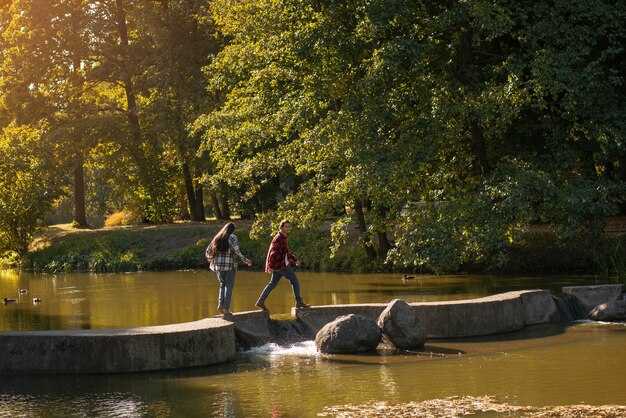 3 Unique Ways to Get Active Outdoors in Saint Martin (French Side)">

Um plano recomenda começar com um circuito costeiro de kayak de 90 minutos ao longo da costa sul, com águas calmas e mangais; este percurso é ideal para famílias com crianças e proporciona acesso a Chemont, um percurso aquático sem motas de água, oferecendo paisagens tropicais e um aquecimento suave para um dia de atividades.
A segunda rota liga-se à exploração em terra: um percurso de 4–6 km que conecta três destinos ao longo de uma paisagem suave de costa e colina. Os caminhos naturais sombreados passam por um pequeno local com um miradouro e um banco com sombra, para que as crianças possam fazer uma pausa. Cada troço usa pontos de acesso à praia e pode reabastecer nos quiosques locais sem sair do percurso. Uma versão guiada adiciona toques de luxo, com um custo que cobre água e snacks leves, além de uma breve conversa sobre a história, adequada para famílias em viagem e acessível em 2–3 horas.
Finalmente, combine uma tarde focada na água com snorkeling e uma sessão de paddleboard numa enseada protegida. O plano mantém os barcos em terra e segue um protocolo de segurança de alto nível; o guia expressou o maior compromisso com a segurança das crianças e utiliza equipamento certificado. Com equipamento fornecido e instrução disponível, esta opção oferece o melhor equilíbrio para uma experiência de luxo sem multidões, e pode ser desfrutada como meio-dia ou dia inteiro juntos, com andorinhas a pairar no céu.
Aventuras Práticas ao Ar Livre no Lado Francês de São Martinho
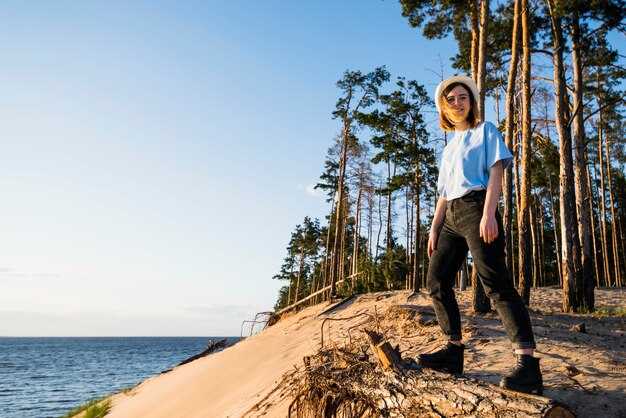
Recomendação: reserve uma aventura privada durante a tarde que combine uma caminhada na floresta, um passeio panorâmico por um promontório e slide através de um dossel tropical, seguido de tempo numa praia fantástica.
Estes percursos começam perto de aldeias tranquilas e sobem até à floresta, seguindo depois para um forte empoleirado sobre falésias para uma panorâmica sobre baías turquesa. A caminhada é muito acessível para a maioria dos visitantes e oferece a oportunidade de observar a flora local e a avifauna entre paragens.
Depois do forte, escolha algumas praias ao longo da estrada que liga destinos populares e resorts ao longo da costa. Uma cabana privada ou um trecho calmo permitem-lhe relaxar, e pode caminhar pelo areal ou juntar-se a excursões para aprender sobre ecossistemas costeiros.
a transat e a mcintyretravel recomendam estas combinações; a carley adoraria personalizar um pacote que inclua uma caminhada privada, uma descida de slide e um par de paragens na praia para maximizar o tempo ao ar livre numa tarde.
Termine com um snack ou bebida de araçá num mercado à beira-mar. Estas pequenas paragens adicionam um sabor local e ajudam a espaçar as longas rotas, tornando mais fácil às pessoas desfrutar de muitas coisas sem fadiga.
Caminhada até Pic Paradis: percursos, duração e dicas de segurança
Comece a subida pelo trilho de cume bem sinalizado a partir do início do trilho perto da estrada da aldeia ao nascer do sol para um ar mais fresco e linhas de visão mais nítidas. Existem duas rotas para chegar ao ponto mais alto: a rota padrão de crista aberta ao longo de rocha exposta e um ramal arborizado mais curto que faz um loop antes das ziguezagues finais. O local recompensa os alpinistas cuidadosos com vistas panorâmicas sobre terras tropicais e uma sensação de paraíso no cume.
Timing e ritmo: melhor de manhã ou ao final da tarde; embora o calor e a humidade possam aumentar, o ar permanece mais seco e as vistas mais nítidas. Em novembro, o sol tropical é mais forte; planeie 2,5–3 horas para o percurso mais longo e comece mais cedo se viajar com crianças ou principiantes. Quer esteja aqui para fazer exercício físico ou para passear, controle o ritmo e desça antes de escurecer; terminar durante a tarde é comum em dias mais longos.
Segurança: use botas robustas, leve 2–3 litros de água, protetor solar, um chapéu e uma capa leve para a chuva. Mantenha-se no trilho bem marcado, evite pedras soltas e tenha atenção ao piso em zonas expostas; nunca caminhe sozinho; informe um amigo ou membro do staff sobre o seu plano; a rede móvel pode ser instável perto do topo. A vida selvagem inclui uma variedade de aves tropicais, como o papagaio-de-bart, portanto, fique de olho na copa das árvores e evite provocar animais.
Extras: depois da escalada, passeios de slide e outras atividades nas proximidades mostram um lado diferente do parque de diversões da ilha. Recomenda-se que os operadores locais ofereçam opções flexíveis para os próximos viajantes; grupos de viajantes descrevem frequentemente este percurso como um forte objetivo de fitness e uma obrigação para qualquer visita a terras tropicais. Condições de sorte significam que vistas claras do cume acontecem à tarde ou mesmo à noite, e quer procure uma ascensão rápida ou um itinerário de dia inteiro, o Pic Paradis cumpre.
Ciclismo costeiro: Grand Case a Orient Bay com pausas à sombra e dicas de equipamento
Chegar antes do amanhecer, alugar uma bicicleta de estrada/gravel robusta e deslizar ao longo da costa, com paragens planeadas à sombra para se manter fresco e hidratado.
Descrição do percurso: aproximadamente 9–11 km só de ida, maioritariamente plano com ligeiros desníveis. O piso é, em grande parte, asfalto liso com remendos ocasionais perto das colinas entre as localidades. As primeiras horas trazem ventos mais calmos; ao final da manhã, desenvolve-se uma brisa marítima constante. Calcule 60–90 minutos de tempo de percurso mais 25–35 minutos para pausas à sombra, fotografias e snacks rápidos.
Quebras de sombra e pontos de cenário:
- Início da orla de Grand Case: rua ladeada de palmeiras, um pequeno parque e uma área de aterragem onde se pode esticar e reabastecer garrafas.
- Pausa a meio caminho sob a sombra das casuarinas ao longo de uma rua estilo vila com um par de cafés internacionais para um expresso rápido.
- Aproximação de Anse Marcel: miradouro panorâmico sobre água turquesa, uma área de aterragem privada e fácil acesso a uma enseada naturelle para um breve mergulho.
- Em direção a Orient Bay: trecho final com sombra ao lado das ruas do resort, com opções para entrar num restaurante popular ou clube de praia para uma pausa mais longa.
Dicas de equipamento e preparação:
- Equipamento da bicicleta: bicicleta de estrada de endurance ou gravel, pneus de 28–32 mm, travões de disco; trazer uma câmara de ar suplente e um kit de reparação de furos.
- Segurança: capacete, luvas, luzes dianteiras e traseiras, e vestuário refletor para segmentos matinais ou tardios.
- Hidratação e nutrição: pelo menos 2 garrafas de água, mistura de eletrólitos e pequenos snacks energéticos; planear pontos de reabastecimento em Grand Case e Orient Bay.
- Conforto e proteção: protetor solar, óculos de sol, boné ou bandana, e um corta-vento leve num saco compacto.
- Manutenção em movimento: lubrifique uma queda rápida da corrente, leve uma multi-ferramenta, desmonta-pneus e uma bomba compacta ou botija de CO2.
- Opções pós-passeio: equipamento de snorkel para um mergulho rápido perto de Anse Marcel ou Orient Bay; alguns locais oferecem cabanas privadas ou acesso à piscina para relaxar.
As experiências entre as vilas oferecem uma vibe caribenha que parece luxuosa, mesmo num passeio casual. Visitantes internacionais combinam frequentemente este circuito com uma paragem para almoço num restaurante à beira da estrada, regressando depois pelo mesmo percurso ou estendendo-se até a uma reserva de praia privada. Para quem procura emoções extra, as oportunidades de slide nas proximidades demonstraram o seu apelo a muitas pessoas, embora o percurso principal permaneça um pedal tranquilo ao longo da costa. O percurso é popular para manhãs calmas e oportunidades de fotos panorâmicas, e acomoda facilmente famílias com muitas pausas para sombra e muitas fontes de água ao longo da rua.
Kayak ou stand-up paddle: lançamentos na costa, noções básicas de aluguer e segurança
Alugue a um operador local que inclua um colete salva-vidas, um saco estanque e uma sessão de informações de segurança; comece num local de lançamento costeiro bem sinalizado para uma remada de duas horas ao longo de enseadas abrigadas, com uma partida à tarde, preferencialmente quando os ventos estão fracos.
A maioria das lojas oferece kayaks individuais e pranchas de stand-up paddle, além de opções familiares; os preços variam normalmente entre 25-50 USD por um par de horas, até 80-100 USD por meio dia; os alugueres normalmente incluem leash, remo sobresselente e um saco estanque. Mesmo as opções mais económicas fornecem equipamento de segurança básico; equipamento de luxo é opcional.
Os locais de lançamento devem incluir boias coloridas a marcar as linhas de segurança e águas calmas, protegidas por recifes; mantenha-se nesses percursos e evite canais onde operam jatos e passam barcos.
Fundamentos de segurança: use sempre um colete salva-vidas; mantenha-se a 200-300 metros da costa em condições calmas; verifique o vento, a maré e a previsão antes de sair; leve um apito, um telemóvel à prova de água e um saco estanque; diga a um contacto no local onde planeia remar, porque as emergências acontecem depressa.
Para crianças, mantenha o percurso curto – apenas 20-30 minutos em águas muito calmas; escolha uma zona abrigada e pouco profunda; leve lanches e protetor solar; considere uma opção guiada para uma experiência mais estável e segura.
Etiqueta da vida selvagem e dos recifes: observe as aves e uma andorinha perto dos manguezais; dê um espaço amplo às áreas de nidificação; nunca mergulhe de uma prancha; evite tocar nos corais; mantenha-se atento a mergulhadores a passar.
Depois de remar, visite um restaurante que ofereça marisco local; um mercado da zona de Louis à beira da estrada exibe produtos agrícolas e artesanato; um trilho do parque nacional oferece paisagens naturais e belas vistas ao longo da costa.
Notas sobre a experiência: esta atividade internacional abrange um leque de experiências e tem percursos classificados como os mais seguros e com as melhores paisagens; os passos de segurança são expressos em termos claros pelos guias, e o dia poderá terminar com um ambiente descontraído e confiante.
Alimente os pássaros no Santuário de Aves Parrot Ville: etiqueta, horário e dicas de interação
Alimente apenas nos locais designados e mantenha as vozes baixas para proteger as aves.
O acesso segue um trilho tropical ao longo da orla da floresta, com vislumbres de praias e de uma quinta próxima a acrescentar variedade ao percurso. As reservas da ilha estão divididas em diferentes habitats, com zonas como chemont para ajudar os visitantes a navegar. O tintamarre dos pássaros matinais mistura-se com os passos, tornando a experiência emocionante para os hóspedes que vêm para observação, bem como para interação.
Ao aproximar-se dos poleiros, mantenha a calma, evite movimentos bruscos e nunca alimente os residentes selvagens diretamente; utilize sempre a mistura de sementes fornecida e nunca introduza guloseimas de fora. Cada encontro deve ser respeitoso e seguro tanto para as aves como para as pessoas, quer seja um visitante de primeira viagem ou um amante da vida selvagem em busca de um momento tranquilo com companheiros voláteis. Irá obter um breve mergulho nos padrões de comportamento durante uma caminhada ao longo do trilho, o que torna a aprendizagem mais envolvente e ajuda a detetar nuances nos seus cantos e plumagens.
Horário: O santuário opera com três alimentações diárias e caminhadas programadas para maximizar a segurança e o acesso. As sessões de alimentação ocorrem às 09:15, 12:30 e 15:45; as caminhadas guiadas partem às 10:00 e 14:00; a última entrada é às 17:30. Os visitantes devem chegar 10 minutos mais cedo para fazer o check-in e ouvir uma breve informação sobre etiqueta por parte de um guia.
Dicas de interação: Posicione-se a pelo menos um braço de distância das aves; evite câmaras com flash; fale baixo; não bloqueie as rotas de voo; deixe as aves escolherem se querem aproximar-se e aterrar; afaste-se lentamente se elas pousarem em si. Nunca toque ou mude uma ave de sítio. Para quem procura emoções extra, as experiências nas proximidades incluem slide e outras explorações da floresta; juntar a visita com uma caminhada que mistura floresta, paisagens tropicais e praias resulta num dia muito completo para amantes da natureza e visitantes ocasionais. Este destino convida os visitantes a observar, aprender e desfrutar de uma aventura calma e segura com diferentes espécies.
| Aspect | Details |
| Etiquette |
Alimente apenas nos locais designados. Mantenha-se afastado dos poleiros. Não alimente à mão. Mantenha a voz baixa. Utilize a mistura de sementes fornecida. Não toque nos ninhos. |
| Horário |
Alimentação: 09:15, 12:30, 15:45. Caminhadas: 10:00, 14:00. Última entrada: 17:30. Chegue 10 minutos antes para o check-in. |
| Dicas de interação |
Mantenha a distância, mova-se lentamente, não use flash, não bloqueie as rotas de voo. Deixe as aves aterrarem voluntariamente, e depois recue, se necessário. Breve incursão no comportamento com um guia para melhorar a compreensão. Tirolesa nas proximidades e aventuras na floresta complementam a visita. |
Planeamento atento ao clima: melhores alturas do dia, estações do ano e dicas de preparação de malas

Planeie uma caminhada durante duas janelas de oportunidade com temperaturas amenas: das 6 às 9 da manhã, logo após o nascer do sol, ou das 4 às 7 da tarde, para evitar o calor intenso e a humidade elevada. Estas horas oferecem uma ótima luz, vistas agradáveis e maiores hipóteses de avistar aves coloridas. Leve o essencial: água, protetor solar, um chapéu leve e um corta-vento compacto, caso surja uma chuvada rápida.
A estação seca decorre aproximadamente de novembro a abril, com dias quentes e sol forte, mas pouca chuva, enquanto a estação húmida, de maio a outubro, traz maior humidade e aguaceiros repentinos. Na janela seca, continua a precisar de hidratação e proteção UV; na fase húmida, ajuste os percursos quando chegarem os aguaceiros. Planeie quatro itens essenciais no seu kit: água, proteção solar, uma camada leve e um casaco impermeável compacto.
Opte por percursos bem sinalizados e ligados a pontos de interesse, incluindo ruínas de fortes e miradouros costeiros. Estes trilhos facilitam a navegação e permitem manter um ritmo constante com pequenas pausas à sombra. Para viajantes que chegam de resorts, comece num trilho próximo e siga em direção a zonas de floresta junto à costa. Estes percursos, que ligam ruínas de fortes e miradouros costeiros, são ideais para viajantes e acompanhantes, oferecem muitas memórias para os amantes da natureza e são uma excelente forma de combinar exercício físico com exploração nesta zona costeira.
Para se preparar fisicamente, use tecidos respiráveis, um chapéu, protetor solar e uma camada leve; escolha calçado robusto para aderência. Leve quatro itens práticos para uma viagem de um dia: água, um pequeno snack, um casaco impermeável compacto e um mapa ou dados offline. Mantenha os objetos de valor numa bolsa estanque e, se necessário, leve um apito por segurança. Este plano é adequado para entusiastas do ar livre, incluindo casais a viajar juntos, que desejam uma curta excursão a partir de resorts próximos e uma oportunidade de observar a vida selvagem local, incluindo aves e outras criaturas.