


 Português
  English (UK)
  Русский
  العربية
  日本語
日本語  한국어
한국어  Magyar
  Türkçe
  Español
  Čeština
  Svenska
  Ελληνικά
  Suomi
Suomi  Nederlands
  Română
  Italiano
  Français
  Polski
  Українська
  Deutsch
  简体中文
简体中文  Slovenčina
 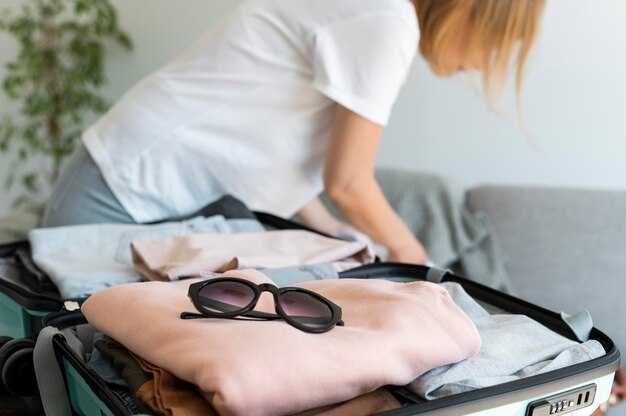 10 Essential Packing Tips for Your Cruise Suitcase Before You Go">

Plan your cruise wardrobe in advance with a compact, day-by-day checklist. Choose a color scheme that lets you mix and match for most outfits, then add 1-2 accent pieces for variety. For hikes ashore, pack breathable layers and a light rain shell. Before you pack, note the days and activities so each item is suited to a specific plan–and here you’ll see how to avoid overfilling.
Use packing cubes to keep items compact and easy to locate. A lightweight down jacket adds warmth on deck and fits neatly in a side pocket of your main bag. Build outfits around a few cor families so you can mix pieces and stay suited for both sun and air‑conditioned rooms. Choose durable items from trusted brands that perform well in humid cabins, and reserve space for books, a tablet, or other devices for evenings. Before you head out for the day, check that you haven’t loaded your bag with duplicates and avoid leaving items behind like extra chargers or cables. If you have extra space, don’t throw it away–save it for water bottles or snacks.
Protect valuables and electronics by stowing them in a waterproof pouch or zip‑sealed case. On deck, keep a small, easily accessible safety kit so you stay safe during rough seas. If weather turns rough, a quick grab-and-go bag helps you avoid a hurried scramble and reduces capsizing risk on a crowded promenade. For water activities, pack a quick-dry towel, and choose quick-dry fabrics that dry fast so you can refresh after a splash–don’t leave your gear exposed to spray or rain.
Arrive with a plan for shore days that fits your travel style, especially if you plan active hikes. A practical checklist covers common elements: layers, footwear, sun protection, and a compact first-aid kit. Pack books or a small e-reader for evenings, plus a bag for damp items. By sticking to the plan and choosing versatile pieces, you improve your chances of enjoying every port call and keeping your luggage lean and organized here.
Cruise Packing Guide: Quick, Practical Prep
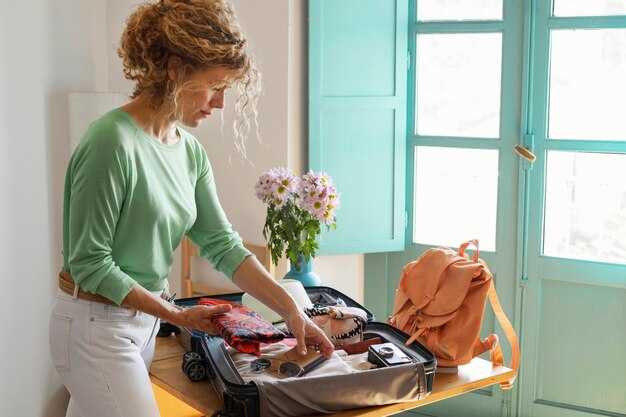
Pack a carry-on with a two-day wardrobe and key documents first, so you can board immediately without waiting for checked bags.
Hang outfits on a portable hanger or rolling rack to keep shirts clean and wrinkle-free; hanging reduces creasing and makes day-one looks ready in minutes.
Label liquids in a clear, resealable bag and assemble a compact toiletries kit; this minimizes leaks, frees space, and helps rescuers locate items quickly if needed.
Increase packing efficiency with cubes, rolling, and a small laundry kit; this frees space and reduces wrinkles. Take along a mini sewing kit for quick repairs on the trip, and stock a spare outfit for unplanned delays.
Right clothing choices for a cruise involve breathable fabrics, a mix-and-match approach, and one lightweight jacket for air-conditioned venues. After-sun lotion and sunscreen should be in easily accessible pockets, especially during port days.
Technology matters on a voyage: pack chargers, adapters, a power bank, and a waterproof pouch for devices. Treat the ship’s itinerary as a beacon to shape daily outfits and shore plans.
Venturing with family demands a simple system: keep toys, books, and chargers together in a packing cube; use hanging organizers in the cabin to reduce clutter. A small stock of kid-friendly outfits and activities helps the day flow smoothly.
mattersthese These items mattersthese for planning, especially on trips with family.
| Item | Quantity | Notas |
|---|---|---|
| Shirts & tops | 7 | Light fabrics; hang to reduce wrinkles |
| Bottoms | 5 | Mix of shorts, capris, slacks |
| Swimwear | 3 | One on, one dry, one spare |
| Undergarments | 7–9 | Stock to last several days |
| Sleepwear | 3 | Light options |
| Outerwear | 1 | Light jacket or cardigan |
| Shoes | 2–3 pairs | Comfort sneakers + sandals |
| Toiletries & meds | Travel kit | Label liquids; include after-sun lotion |
| Tech & chargers | 3–4 items | Charger, adapters, power bank |
| Books & entertainment | 2–3 | e-reader optional |
10 Packing Tips for Your Cruise Suitcase Before You Go; A Life-Saving Investment
Grab a compact, labeled medical kit and store it in the top pocket of your suitcase; this right setup saves space and these essentials are easily reachable during evenings on the motorboat or at port, since every little item matters when you took care of health needs.
Use compact packing cubes to organize outfits; these cubes hold shape, save space, and act as a simple guide for mixing and matching items for each cruise day.
Hang delicate pieces in a lightweight garment bag and clip them to prevent wrinkles; addition to hanging saves time during boarding and keeps outfits ready for evenings on deck.
Include a resqlink emergency card or device, plus a compact power bank, labeled cords, and a small pair of scissors; a model layout helps you see what fits right in your carry bag with room to spare.
Pack travel-size toiletries in leak-proof bottles, plus orange sunscreen and a small mirror; store them in a weatherproof pouch so they never spill in rough seas.
Fill a reusable bottle for drinking water and mark the ounces; since you cruise through hot afternoons, hydration stays steady and limits soda or juice splashes during boating excursions.
Make copies of essential documents and record emergency numbers; keep a closed pouch with hotel, cruise line, and local contact details; rarely will you need them, but having them helps you react fast if plans change and you grab them quickly.
Guarde eletrónicos e cabos numa capa dedicada para evitar emaranhados; este guia evita a desarrumação e mantém os seus dispositivos modelo organizados para uma recuperação rápida; tente pegar no adaptador certo e mantê-lo com o carregador quando for sair.
Escolha sacos resistentes à água para recordações e lembre-se de levar alguns artigos úteis para excursões de barco; uma etiqueta laranja resistente pode ajudá-lo a identificar a sua mala em carrosséis de bagagem movimentados.
Para além do acima mencionado, crie uma simples lista de verificação antes de partir; estes passos reduzem o tempo de preparação da bagagem e evitam excesso de peso, tornando toda a viagem mais tranquila, para que tenha mais tempo para desfrutar do cruzeiro e dos céus noturnos após o pôr do sol.
Criar uma lista de embalagem com código de cores duas semanas antes da partida.
Comece agora com uma lista de embalagem com código de cores: vermelho para os essenciais, laranja para os itens úteis e verde para os pertences opcionais. Registe os seus pertences à medida que avança para controlar tudo, evitando o stress e o excesso de bagagem. Utilize sacos e cintas de embalagem compactos para manter os itens seguros; cada bloco de cor torna-se os elementos de produção de uma mala completa e bem organizada para a aventura no mar.
- Zona vermelha: Essenciais (duas semanas antes)
- Roupa: 7–9 partes de cima, 3–4 partes de baixo, 2 fatos de banho, 2 conjuntos de roupa de dormir, 1 casaco leve e a sua peça de roupa favorita duradoura que combina com tudo.
- Kit de higiene pessoal: escova de dentes, pasta de dentes, desodorizante, protetor solar para queimaduras, protetor labial, pensos rápidos, medicação, solução para lentes de contacto ou óculos.
- Pertences: uma carteira compacta ou porta-cartões, documentos de cruzeiro ou cópias digitais e dois coordenados adequados para qualquer ambiente de noite formal.
- Calçado: um par de sapatos fechados e um par de sandálias ou chinelos para conforto na cabine.
- Equipamento básico: uma mochila pequena para excursões em terra e duas correias de bagagem para fixar as malas durante o transporte.
- Zona laranja: Itens úteis (duas semanas antes)
- Proteção solar e conforto: protetor solar extra, um chapéu, óculos de sol e um lenço leve para fazer sombra no convés durante caminhadas e excursões.
- Equipamento de aventura: casaco impermeável leve, toalha compacta e uma garrafa de água reutilizável para os dias em terra.
- Eletrónica e carregamento: power bank, cabos de carregamento, bolsa impermeável para telemóvel e uma capa com proteção para a câmara ou telemóvel.
- Necessidades em terra: lanterna pequena, mapa de bolso ou guia da cidade offline e um kit básico de primeiros socorros (incluindo mais pensos rápidos) para passeios de um dia.
- Elementos de produção: cubos de embalagem claramente etiquetados, etiquetas de cor e uma folha única para registar as quantidades por cor.
- Zona verde: Itens opcionais (duas semanas antes)
- Roupa adicional: um par de conjuntos extra para a noite ou eventos especiais, mais um fato de banho extra para dias seguidos de natação.
- Acessórios: um colar ou lenço favorito, um cinto extra e um chapéu de chuva dobrável compacto.
- Equipamento especializado: conjunto de snorkeling compacto, saco seco impermeável para objetos de valor e um pequeno kit de costura de viagem para reparações rápidas.
- Extras de saúde e conforto: pensos para bolhas para longas caminhadas, um conjunto extra de lentes de contacto e uma leve pulseira de fitness para monitorizar a atividade diária.
Enrola a roupa e usa organizadores de bagagem para maximizar o espaço.
Enrole as roupas com firmeza e coloque-as em organizadores de bagagem para espaço livre imediatamente. Esta configuração mantém as peças de roupa organizadas e permite ver o que embalou num relance. Enrole meias e roupa interior aos pares, t-shirts e calções leves e, em seguida, coloque-os em compartimentos separados para evitar que as cores passem e que se amarrotem. Para um itinerário amigo do mar, inclua tecidos resistentes a vincos e coloque os artigos mais pesados na parte inferior de cada compartimento para maior estabilidade. Ao lavar a bordo, use um lavatório para lavar rapidamente à mão as peças delicadas e seque-as ao ar dentro dos compartimentos, sempre que possível.
Escolhendo As embalagens de compressão com forros impermeáveis ou bolsas seláveis protegem eletrónicos e medicamentos; adicione uma etiqueta rfhf em cada embalagem para identificação rápida no local. Planeie a sua mala por atividade: dias de aventura primeiro, depois relaxamento, depois excursões na costa; algumas embalagens ficam na mala, outras vão para uma mala de mão para uso diário. Esta abordagem facilita a mudança de cenários e reduz a necessidade de desfazer a mala em cada paragem. Para medicamentos sujeitos a receita médica, mantenha o frasco num compartimento seco e anote a dosagem num pequeno cartão no interior.
Normalmente, encha cada cubo até cerca de 80% da sua capacidade para evitar que se deformem e para manter a forma do tecido. Utilize o espaço livre, colocando itens planos ao longo dos lados e peças macias no centro para se alinharem bem. Em seguida, comprima totalmente os cubos antes de fechar a mala, para poder levar roupas extra para algumas situações. Viagens de mochila beneficiam de um cubo dedicado para sinais luminosos, uma camada leve e meias de reserva. Mantenha um saco impermeável para artigos de higiene pessoal e um saco de roupa suja separado para manter a sujidade afastada; um pequeno saco discreto ajuda com os cartões de pagamento para um processamento rápido em navios e aeroportos. Este sistema mantém o conforto e o desempenho constantes em itinerários longos e deixa espaço para lembranças.
Prepare uma mala de cabine com medicamentos, documentos e uma muda de roupa.
Mantenha uma mala de cabine pronta com medicamentos, documentos e uma muda de roupa que possa agarrar em minutos.
Na secção dos medicamentos, inclua um kit compacto com analgésicos, comprimidos para enjoo, um anti-histamínico básico, todas as prescrições diárias nos frascos originais e uma nota do médico, se necessário; adicione um pequeno kit de reparação com agulha, linha, fita adesiva e pensos para arranjos rápidos em excursões em terra.
Para documentos, coloque um passaporte ou bilhete de identidade, bilhetes de cruzeiro, detalhes do seguro de viagem e um cartão EHIC, se aplicável; guarde cópias digitais no seu telemóvel e uma cópia impressa num estojo separado, caso esteja no interior ou fora da rede.
Leve um conjunto de roupa extra que cubra várias situações: uma roupa leve para dias de sol, um fato de banho e uma saída de praia para momentos na piscina, uma capa de chuva compacta e roupa interior e meias extra; use cubos de embalagem com códigos de cores para manter a linha organizada e fácil de remontar, porque as cores ajudam a localizar os itens rapidamente e, caso se afaste da sua cabine; decida-se por um único conjunto de artigos que possa reutilizar em viagens futuras para uma excelente base de referência.
Dicas adicionais incluem levar dinheiro para pequenos portos e gorjetas, um contacto de emergência designado e dispositivos de sinalização para emergências; mantenha uma lista de informações médicas concisa e uma cópia do seu itinerário para estar preparado para momentos críticos; estará mais bem preparado quando considerar escalas em portos interiores e embarcações de apoio marítimas, e tomar medidas para garantir que tem o que precisa em situações desafiantes.
Organize eletrónica com carregadores, adaptadores e uma bolsa à prova de água
Guarde todos os carregadores e adaptadores numa única bolsa impermeável com fecho de correr fechado, para que possa pegar rapidamente nos itens necessários no seu destino.
Projete um innovative, customization- um kit de fácil utilização que é designed for seu tipo de dispositivos – telemóveis, câmaras, um lanterna, e um sobresselente bateria dentro de uma bolsa compacta, mantendo os cabos arrumados e fáceis de aceder a bordo ou durante paddleboarding sessions.
Mantenha a segurança na água em mente: feche bem a bolsa durante swimming ou excursões ao longo da costa, e inspection são rotinas critical visto que os riscos de corrosão aumentam perto do ar salgado. Um forte strap helps keep the kit attached to shore gear, so you don’t lose items when you land or move between activities.
For complete coverage, store a few items such as a spare bateria, a compact charger, and a small, product-grade cable set. This approach makes it easier to bring what you need, reduces clutter, and ensures safe charging away from moisture. If space is tight, customize the layout by item type and keep full kits closed inside the pouch until you reach your land ou destination port. Consider including bandages as part of your on-board readiness–you never know when a small mishap appears during the journey along the coast.