


 Português
  English (UK)
  Русский
  العربية
  日本語
日本語  한국어
한국어  Magyar
  Türkçe
  Español
  Čeština
  Svenska
  Ελληνικά
  Suomi
Suomi  Nederlands
  Română
  Italiano
  Français
  Polski
  Українська
  Deutsch
  简体中文
简体中文  Slovenčina
 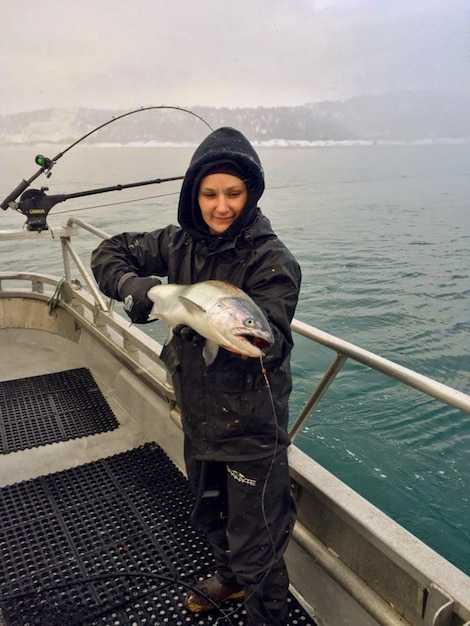 10 Essential Deep Sea Fishing Tips for Beginners">

Start with a fast-action caster rod, 60 lb mainline braid, and a 60-80 lb leader; at dusk, make a tight cast from the praia to reach the depth where coquina beds lie, then keep casting with a steady cadence to track bites–this approach boosts reliability and yields quick returns for the beginner.
Three core elements shape the practice: depth alignment, a setup that sinks to target layers, and a steady casting rhythm, like clockwork. To reach the correct depth, select a weight that matches current and bottom structure; let the sinker land and sit for a moment, then tighten back to the caster and begin to reel when you feel the pull.
If trouble shows with tangles or snags, swap to a shorter length and check knots; observe signs such as a faint pull and a second bite, another signal that your timing is right. The reason bite windows cluster near current lines and eddies is that fish come in to feed on coquina and crustaceans–start paying attention to dusk cues and the tide coming in from the back of the wash, which is meant to optimize return.
Week by week, map three hotspots: the praia shelf where waves break, a drop-off edge where depth changes rapidly, and a wreck or reef sign. Keep your stance with back tight, eyes on the rod tip, and a quick, steady cadence so the lure lands just past the first wash. If wind shifts, adjust distance by a few meters to keep the line in the strike zone.
Back to basics: The week ends with a quick evaluation; note which spots yielded bites, which knots held, and which cast length produced the best return; continuing this pattern builds reliability and sharpens the beginner’s sense of depth, wind, and current; as dusk settles, the next session brings another chance to show progress.
Deep Sea Fishing for Beginners: Practical Guide
Booking a day charter with a seasoned captain is the fastest route to depth knowledge and hands-on skills aboard. Confirm depth ranges, areas for targeting, and weather windows before you sail; request information on depth hotspots and a brief coaching segment on casting and knot work, and bring protective sun gear. Packing items to include: sunscreen, water, snacks, spare line, hook remover, and a small first-aid kit.
Here are concrete steps to build competence while staying safe and productive, combining on-board practice, pre-trip checks, and at-home preparation.
- Pre-trip planning: Check the booking confirmation, marina access, and meeting time. Review the latest depth forecast for your chosen areas; plan to be ready 30 minutes before boarding. Document weather changes and tide shifts to anticipate bite windows.
- Gear and line setup: Select a 6-7 ft rod, a reel with smooth drag, line 20-40 lb test; include a float for shallow surface work, a couple of spare spools, pliers, knife, and a rig bag. Pack protective gloves and a sun hat for aboard.
- Depth-targeted setup: In 60-120 ft zones near structure, start with 2-4 oz weight and two rigs on the same line when allowed by the boat. Adjust weights with current; have a backup jig or lure ready for different bottom types. Consider circle hooks for easier handling and fewer gut hooks.
- On-board technique: Practice a controlled casting from stern or bow; keep line tight as the rod loads; when a bite comes, reel steadily and steer the rod tip to absorb the surge. Watch the float or line for movement; here, quick responses yield higher strikes. Stay close to structure to maximize bites.
- Species knowledge and signals: Mostly caught around structure, ledges, and drop-offs at depths of 60-140 ft; look for birds and surface splashes as indicators of bait; track what you land by depth and area to refine future targeting. Keep a small log of depth, area, weather, and results per trip.
- Safety and protective measures: Wear PFD while moving or casting; use non-slip footwear; stay hydrated and apply sunscreen; know the location of life rafts, first-aid, and radio channels aboard.
- Post-trip steps: Check gear for wear; replace hooks and lines that showed stress; update your information bank with what depths, areas, and baits produced; review videos from credible sources to reinforce technique. The источник provides regional updates and seasonal patterns.
10 Deep Sea Fishing Tips for Beginners; 12 Disgorgers to Help Return Fish Without Harm

Strategy 1: Keep a ready, lightweight disgorger kit and a short-handled towel near your rail; knowing the right tool to lift a corner of the mouth reduces stress at the moment of release and therefore improves comfort on every trip.
Strategy 2: Practice safe handling by removing the hook from the side of the mouth and returning the fish promptly to the water; example of careful technique reduces skin damage and supports a successful release, which in most florida trips is valued, therefore improving outcomes year after year.
Strategy 3: Use a shorter leader and lighter drag when working near bottom structures; this reduces stress and abrasion on the fish against rough bottom, which is common around wrecks miles offshore.
Strategy 4: Time the retrieval to avoid prolonged exposure; keep skin areas away from gear, this is effective and minimizes discomfort, therefore boosting overall comfort on a long day.
Strategy 5: Favor circle hooks where permitted; fewer injuries to fish lead to easier handling, which translates into higher success across multiple species and tactics.
Strategy 6: Record a short photo of the release to study technique afterwards; this is common and helps everyone improve, especially when reviewing year-to-year results and adjustments.
Strategy 7: Learn to read the bottom structure: ledges, wrecks, and drop-offs; miles of coastline offer steady activity and niches, therefore shape your approach and avoid wasting time on inactive zones.
Strategy 8: Carry a small net or cradle to support the fish while unhooking; this reduces harm and is particularly helpful for large specimens, making the release smoother and less stressful for the animal.
Strategy 9: Wear minimal gear and stay comfortable; breathable fabrics and sun protection matter, besides reducing mistakes as fatigue grows during the day.
Strategy 10: Build a simple list of must-have tools and keep it visible on deck; most effective sets include a disgorger, pliers, line cutters, and a towel, which speed up every handling sequence and prevent delays.
Disgorger 1: Standard stainless lip tool with curved jaw for easy hook removal; keeps skin away from the mouth area and is effective for smaller specimens.
Disgorger 2: Long-nose plier style with a built-in retrieval loop; ideal when depth requires reach beyond fins and against tougher mouths.
Disgorger 3: Soft-tip silicone disgorger; gentle on delicate tissue, reduces chance of injury to the fish and user; common on charter boats in florida.
Disgorger 4: Pocket model with fold-away spring; compact and quick to deploy when lengthy releases occur; proven to shorten handling time.
Disgorger 5: Ring-handled stainless disgorger; comfortable grip and low fatigue on long days; reliable in rough conditions.
Disgorger 6: Magnetic retriever with attached needle; helps locate a stray hook without pulling skin; effective to stay calm and avoid stress.
Disgorger 7: Jaw-lock style with adjustable tension; prevents further injury if the mouth clamps during removal; good for large specimens and stubborn holds.
Disgorger 8: Tube-disgorger that slides under the hook and pushes it out; minimal handling, safe for skin and fins.
Disgorger 9: Spring-loaded tip catcher; quick release reduces struggle time; preferred by captains for experienced crews.
Disgorger 10: Inline plier-disgorger with leverage; allows better access when the fish rest near wrecks or structure.
Disgorger 11: Micro-disgorger for shallow-water species; compact but effective; good to keep in a pocket for quick responses on calm days.
Disgorger 12: Florida-ready heavy-duty model; corrosion-resistant design built for larger fish and tougher scales, ready for frequent use.
Gear that fits beginners: rod, reel, line, and basic lures for deep sea
Start with a ready-to-use setup: a 7’2″–7’6″, medium-heavy rod with fast action, paired with a saltwater-spooled reel in the 5500–6500 range. Braided main line should run 50–65 lb, with a 20–30 lb mono leader. This combination stays in control as depth changes and a bite comes. It’s been proven aboard charters; continental-style reels pair well with this rod, delivering smooth retrieves under stress. Wrong choices, such as undersized line, come back to bite you. A bite comes quickly, so you must be prepared to react. Enhance your confidence by practicing knots until your hands move them automatically, especially when under pressure.
Lures and rigs: start with 2–4 oz metal jigs, 3–5 inch soft plastics on 1/0–3/0 jigheads, and natural bait on a separate leader when conditions allow. These baited setups produce bites more reliably at dusk and during the hour after sunset. Keep a couple of lighter jigs for shallower work and a heavier option for deeper drops; this flexibility is useful when the depth shifts during a run with a charter.
Knots and safety: learn Palomar and improved clinch knots, tested under tension. Tie each connection with a proper fixed knot, then test with a tug before you lower. Use protective gloves when handling hooks; have a prepared kit with extra leaders, pliers, and spare swivels. Working tackle systems stay intact under marine stress, helping you stay ready to land hogfish and other reef residents. Be mindful of protective measures aboard a vessel and keep the area tidy so you don’t lose grip when a fish makes a sudden run; you must stay focused and organized to protect yourself and your gear.
Targeting reality: hogfish frequent reef edges and rocky saddles, so a shorter, sturdy rod with a strong grip helps you stay in control. Distance to the bottom matters, so start with a 20–30 ft drop and adjust weight to keep the baited rig within the right zone. The fact remains that bites often come after the hour of dusk when currents slow down; charters rely on this timing to maximize catch potential. Have spare leaders ready, because line wear and abrasion happen; prepared operators can produce more consistent results. This approach is practical on saltwater routes, where marine life is active, foods move with tides, and the bite window can shift quickly. Youve got to stay sharp, check knots often, and keep your gear as a compact, protective package that travels well on deck and stores cleanly in a protective sheath.
| Item | Specs | Why useful |
|---|---|---|
| Rod | 7’2″–7’6″, medium-heavy, fast action | Stable leverage for bottom work, handles component weights in deep reaches |
| Reel | 5500–6500 size, spinning or conventional, continental-style preferred | Smooth retrieves, solid line management under load |
| Line | Braided main 50–65 lb; mono leader 20–30 lb | Good depth control; abrasion resistance near structure |
| Lures/rigs | 2–4 oz metal jigs; 3–5 inch soft plastics on 1/0–3/0 jigheads; baited rigs | Produces bites; versatile across depth ranges and currents |
| Terminal gear | Knot options: Palomar, improved clinch; protective gloves; spare leaders | Reliable connections; reduces injury risk during handling |
Simple rigs and knots: quick-to-learn setups for steady bites
Start with a two-hook paternoster rig, tied with Palomar knots. Main line 0.28–0.30 mm; leaders 0.40–0.50 mm; dropper lengths 18–25 cm. Hooks size 2–4 suit mackerel; add a shorter top dropper and a longer lower dropper to separate them. A bead and swivel keep sections distinct, so casts stay smooth. Quick setups produce steady bites, increase catches, and notice bites more reliably, especially on most cornwall beaches. This approach tends to work with british shores, though you may need to adjust lead weight to handle surf. These tweaks improve reliability and produce photo-worthy moments.
Explain steps to tie: 1) Tie Palomar knot on each hook; 2) Attach droppers with simple knot or tight loop of 3–5 cm; 3) Thread bead, swivel, then join to main line with a secure knot; 4) Add a lead at the end to aid casting. Practice a few times; keep leader dry; do not over-tighten.
Alternative rig: running rig with fixed slider; use a 20–30 cm leader between hooks; keep the lead weight 60–120 g depending on swell; tie hook using improved clinch or a Snell knot; this setup works well when the line needs to pull through currents. It is reliable and quick to set up; you can retrieve bait while keeping line taut.
Baiting and technique: Mackerel respond to fresh pieces of small fish, cut to 2–3 cm; thread onto hooks; on Cornwall beaches you may face strong surf; keep line tight during retrieves; watch for bites and adjust dropper length as the moment of interest arrives; photo helps you review technique.
Resources: reliable videos from expert british anglers; Looking to improve? This setup tends to work like a charm on windy days; check a quick tweet from intel updates to stay current; bring hats and drinks; a sharp retrieve produces more catches.
Disgorgers: how many to carry and proper use to minimize damage
Two units minimum; four on multi-day expeditions. Store in a waterproof pouch inside your bag for quick access and to prevent misplacement. This arrangement minimizes trouble during biting moments and protects life and gear.
Choose a compact, continental-style design with a simple pull-release plunger. Pair with a rugged, deep-cycle case to guard against impact during rough conditions; this setup remains useful year-round and reduces transit damage.
Counts by scenario: day trips with one person require two units; overnight sessions or small crews need three to four; larger charters warrant six units minimum. Keep a couple of spares in a separate compartment so weather changes or a missing unit does not leave you exposed.
Usage sequence: inspect seals and plunger; insert the nozzle along the hook’s mouth; depress the plunger to release; pull the hook free with a steady motion while maintaining line tension to avoid tissue damage. If biting resistance occurs, pause, realign, and resume with a calm pull.
Maintenance and storage: rinse with fresh water after use, dry thoroughly, and store in a rugged, waterproof container. In winter, keep units in a heated compartment to prevent seal cracking and avoid uncomfortable moments during early starts.
Practical notes: foods should be handled with clean hands before and after release; these items are essentials of your kit. Appropriate, continental-style and deep-cycle designs prove useful year-round, especially when beach access and rough mornings make handling uncomfortable. Sunscreens must stay away from rubber seals; you need to keep them in a separate bag. Mark your units clearly–last check before casting ensures you have everything you need.
источник
Release-ready handling: unhooking, minimizing air exposure, and keeping fish calm
Unhook immediately with long-nose pliers while the fish remains supported in the water; avoid lifting the body high and limit air exposure to 10–15 seconds to protect the gills and slime layer.
Keep tension on the line and steady the fish with the non-dominant hand; remove the hook from the corner of the mouth using pliers. If the gear is barbed, pinch the barb to minimize trauma; when possible, switch to barbless or circle hooks to speed future releases; keep the leaders clear of rods and lines.
Minimize air exposure by maintaining water contact; lift only briefly if needed and in a calm area of the boat. Use a soft, abrasion-resistant rubber net and keep hands wet or wear protective gloves to shield the protective slime and reduce abrasion on the fish. Fact: even brief exposure increases stress.
Keep the fish calm by cradling it horizontally with both hands–one under the belly and the other near the tail–avoiding squeezing or twisting. Move slowly, and orient the fish with its back toward the current so it can recover more quickly; release in the direction of the current.
Equip for success with systems that support release: protective gloves, a soft landing net, and tidy leaders. This is the best approach to minimize trauma; position rods to keep work areas clear and prevent abrasion; review on-water videos to refine technique, and opt for penn gear known for reliable action and smooth drags.
In saltwater zones, practice in present locations where current, depth, and areas with fish behavior influence return rates; this practice significantly reduces handling time and stress, while protecting populations. Ensure everyone on board aligns on the same approach and invests time in training.
Boat safety and on-deck etiquette: weather checks, communication, and tackle management
Check weather 12 hours ahead and again 2 hours before departure; verify two independent forecasts; if wind forecast exceeds 18 knots or waves approach 4 ft, postpone launch.
Assign a deck chief, a line handler, and a lookout; keep between crew members clear of working zones; use VHF channel 16 during emergencies and switch to a dedicated working channel during operations; confirm names and call signs to avoid confusion.
Store tackle in labeled small tubs; group hooks, leaders, and pliers by function; place damaged components in a separate tray and mark them; Additionally, perform an additional quick inventory at the start and end of each voyage to build a reliable safety net.
Keep small items in pockets or labeled pouches; during retrieving gear or during a catch, stay on the center line between deck and rail and avoid walking through lines; bend knees, keep back straight, and use proper grips to prevent injuries and tangles.
Use a depth finder to gauge depth and to identify drop-offs; mark potential snags and reefs and communicate positions to the crew; maintain a clear zone around the stern and stern lines when lowering tackle.
If weather shifts toward thunder or lightning, seek shelter in a protected area or return to harbor; wear a PFD, tether lines, and ensure emergency equipment is accessible; perform a quick check of bilge pumps and life jackets during preparation; professional crew practice reinforces discipline.
Keep the crew aware of locations of gear and people; use hand signals and controlled whistle blasts to coordinate tasks; maintain line-of-sight and avoid shouting across long distances; establish a buddy system that pairs newcomers with experienced hands to reduce risk.
Carry an additional information sheet with emergency contacts, boat locations, and procedure design notes; this significantly improves response time on the water; some problems stem from unclear roles, so build a straightforward plan and practice retrieval routines with the depth finder ready; though challenges may arise, most issues resolve with consistent training and practice.
Keep the deck clean and dry at all times; back strain can be avoided by squatting to lift gear and by using a proper grip; together, these actions build a fantastic safety culture and reduce the risk of damaged equipment in offshore locations.