


 Polski
  English (UK)
  Русский
  العربية
  日本語
日本語  한국어
한국어  Magyar
  Türkçe
  Español
  Čeština
  Svenska
  Português
  Ελληνικά
  Suomi
Suomi  Nederlands
  Română
  Italiano
  Français
  Українська
  Deutsch
  简体中文
简体中文  Slovenčina
  Why a Greece Sailing Tour Should Be On Your 2025 Bucket List">

Book a Greece sailing tour this year to experience ionian winds in full force, anchor near Corfu town, and drop anchor on a nearby islet before the August crowds.
medsailors offers greek-flagged fleets that dock at marinas right along the ionian coast and in Corfu’s port towns, making planning simple for first-time sailors and families.
When you choose a route, consider location and weather windows – during May to October you’ll find reliable winds, consistent seas, and marinas with good protection from swell.
From Corfu to Lefkada and toward a small islet cluster, you can plan a loop that balances lively town evenings with quiet bays offering safe moorings; this adds flexibility and safety for families and friends.
If you travel during the shoulder season, marinas stay friendly, prices drop modestly, and you still get clear seas, easy berthing, and direct access to charming towns along the coast.
Choose the location that fits your pace – whether you want a lively ionian harbour loop or a tranquil corfu-islet hop, you can start anywhere in Greece and still enjoy high standards and ready support from medsailors, whose offering includes skipper-led trips and flexible itineraries for your group.
Greece Sailing Tour: Your 2025 Bucket-List Planning
Choose a seven-day charter on catamarans that follows a clear order: santorinis, kefalonia, then a handpicked group of islands and islets that come near the mainland. This technique keeps winds favorable and anchors in sheltered bays, maximizing time on deck.
Plan 4–5 stops along the archipelago, balancing morning swims with afternoon sun on a beach and village strolls. An alternative route can skip crowded ports and still deliver a special mix of scenery, culture, and quiet coves.
Three standout moments anchor the plan: a sunset over santorinis caldera, a hidden beach on kefalonia, and a star-filled night on a quiet islet. You’ll also enjoy a night under the star, with the constellations clear above calm water.
Know the shoulder seasons and the winds that favor shorter hops and longer sails. The plan is fashioned to be flexible, with a light schedule that lets you design days around what you love, not a fixed timetable. This approach means you have the option to swap ports or linger in a favorite cove.
With Greece as the country, the coastline offers both rugged cliffs and sheltered harbors. If you know where to go, you can limit expensive spots while still keeping the overall experience premium. The route design emphasizes value without sacrificing memory-making moments.
Design a route that blends long sails with short hops so you can snorkel near a rocky islet, relax on a sandy beach, and step ashore for a quick culture fix in a harbor town. The archipelago provides numerous safe anchorages, and each stop adds a fresh perspective on local life.
Remember: three distinct highlights keep the plan cohesive: santorinis, kefalonia, and the islets near them.
Prime sailing seasons by region: Cyclades, Dodecanese, Ionian
Book Cyclades sailing in May for typically light winds, little crowds, and sunset over the front of island towns. Whereas July–August bring the classic meltemi, May and September offer calmer seas, better visibility, and a vibe that everyone on board will notice. There are five harbors with facilities for provisioning and anchoring, making details easy to manage. Gyaros stands as a rugged gyaros example on the archipelago’s west edge, while Crete lies to the south as a potential add‑on if you’re having time to extend the voyage. Be ready for short hops between islands for beaches and quaint shorefronts; anchoring in sheltered bays makes sunset moments even more rewarding. Book early to avoid incurring premium rates during peak weeks, and consider a flexible itinerary with Sunsail if you’re seeking reliable support.
Where Cyclades lean into wind and distance, the Dodecanese offer easier navigation and more sheltered days. Best windows are April–June and September–October, when archipelago towns feel intimate and the vibe stays relaxed for everyone. Examples include Kos, Rhodes, Symi, and Kalymnos; short hops between ports keep the pace lively without friction. Beaches line many coves, and west‑facing views make sunsets a daily highlight, with having time to linger in tavernas and markets. Incur fewer surprises by choosing marinas with good facilities, and use navigating tips from local crews to shorten crossing times and reduce risk.
Ionian cruising shines from April to October, with steady sea breezes and a laid‑back vibe. The meganisi cluster stands out for crystal‑clear water, little current, and easy anchoring in protected bays. From Lefkada to Paxos, Ithaca, and Corfu, the archipelago delivers quaint villages, beaches, and some of Greece’s most memorable sunsets. Crete lies to the south, offering a natural extension for a longer circuit if you’re having time to stitch southern routes together. Booking with Sunsail helps you lock in a plan and avoid incurring last‑minute charges while navigating smoother days between coves and lagoons.
Meltemi winds: impact on planning, safety checks, and daily schedules
Start with morning sails and secure sheltered bays before the afternoon rise of Meltemi; this keeps travel time predictable and makes enjoying alonissos and its charming coves comfortable for your family. If forecasts permit, plan a short hop toward rhodes, but keep day lengths modest and reserve abodes in calm harbours among the islands.
Before departure, run a concise safety check: wind direction and forecasted speed (typically 15-25 knots with gusts to 30-35), rigging, PFDs, VHF, engine readiness, and anchor gear. The checks are necessary to stay ahead of shifts as winds swing from gentle mornings to gusty afternoons. These steps help ensure safety. The operator said daily checks reduce surprises. For those having limited experience, consider a skipper from boataround to guide you through the first legs.
Depending on forecast, structure the day as a slice: a 2–3 hour morning leg, lunch in a sheltered cove, and a 1–2 hour afternoon hop only if winds stay moderate. Choose alonissos or a caldera-adjacent inlet among communal moorings to keep fees predictable; marina fees can be expensive in peak season, so think ahead with the operator and boataround. Those travellers keen on family comfort should limit hops, enjoying anchor time and shore visits for a balanced day.
Autumn brings cooler air but Meltemi can persist along the Aegean coast; expect restrictions at some harbours and plan overnight stops with flexibility. Thinking ahead, assess the route under rhodes and other islands and keep a conservative margin for weather changes.
7-day route ideas: day-by-day itineraries with anchorages and distances
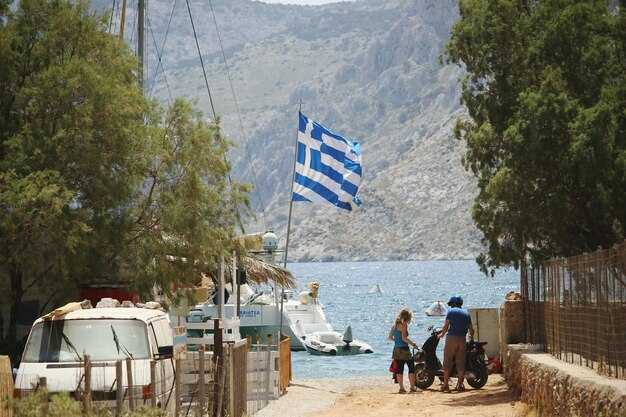
Day 1: Lavrio to Vourkari, Kea – ~40 nm
Set off from Lavrio with a steady south or west wind, ideal for a confident monohull. You’ll cross open water but reach the protected cove at Vourkari in Kea by late afternoon. Look for a sandy bottom and calm blue water. This first stop offers a relaxed start with authentic Greek tavernas lining the quay, perfect for a family welcome. If you prefer a marina night, the official harbor has limited pontoons, but anchoring in the sheltered bay works well for an overnight calm. Weather windows in mid-summer are favorable, and you’ll find prices reasonable in shoulder hours. Boataround and Sunsail list several boats suitable for a daily schedule from 120–180 nm in a week, and a small crew can enjoy a simple technique refresher before the week ramps up.
Day 2: Vourkari, Kea to Kolona Beach, Kythnos – ~25–30 nm
A short, steady hop to Kolona Beach, famous for its sandy spit that divides two shallow lagoons. The stop is perfect for kids to swim and for a calm, sheltered overnight anchor. Kolona Beach is known for clear water and a friendly, low-key vibe; you can easily step ashore for a brief walk and a bite at a seaside taverna. Prices stay friendly in this corner of the Aegean, and you’ll appreciate the limited crowds in mid-summer. If you want a marina night, the small harbor near Loutra is official but busy; anchoring a short distance offshore gives you more freedom while still being close to shore facilities.
Day 3: Kolona Beach, Kythnos to Megalo Livadi, Serifos – ~25–35 nm
This leg brings you into the Cyclades’ rough beauty with a protected approach to Serifos. Megalo Livadi on Serifos offers a sandy beach approach and a shallow, clear harbor area for an overnight stop. The route is ideal for families seeking a authentic Greek experience: calm coves, simple tavernas, and a flag-waving welcome at the marina if you opt to dock. Expect daily breezes that stay steady for comfortable sailing, and enjoy the chance to refresh supplies and explore a hill town with traditional architecture. If you need a backup, other coves along Serifos’ west coast also work, but Megalo Livadi balances scenery, facilities, and smoother water for a 7-day plan.
Day 4: Megalo Livadi, Serifos to Adamas, Milos – ~40–50 nm
A longer leg into Milos presents dramatic scenery, with volcanic-gray cliffs and whitewashed villages ashore. Adamas Bay gives you a protected anchorage with a nearby marina option and a cluster of authentic Greek eateries. For a family with kids, the water remains shallow enough near the coast for easy swims after the sail. This stop is a standout offer for island charm, with sandy beaches nearby and a harbor area that’s well marked on official charts. Mid-summer pricing at the marina can be higher, but anchoring off the coast provides a more economical daily rhythm without sacrificing access to services.
Day 5: Adamas, Milos to Vlychada or Ammoudi Bay, Santorinis – ~60–70 nm
Cross toward Santorinis for a dramatic change of scenery: caldera views, white walls, and blue domes. Anchor east or south of the main island in Vlychada Bay for a sandy-bottomed, sheltered overnight stop, then enjoy a stroll along a Greek flag marina area or step into Ammoudi Bay for a sunset dinner. Santorinis is known to be pricier in mid-summer, so plan accordingly, but the authentic Greek experience remains unmatched: cliffside villages, clear water, and scenic walks. For families, this leg is a highlight, and you’ll appreciate the daily routine of a shorter morning sail followed by afternoon exploration ashore. If the weather widens your window, an official marina option is available in Athinios, but anchoring near Vlychada keeps costs reasonable and the vibe intimate.
Day 6: Santorinis to Manganari Bay, Ios – ~20–30 nm
A shorter hop to Ios keeps the pace balanced after Santorini’s splendor. Manganari Bay on Ios offers a sandy stretch and shallow water ideal for a relaxed swim and a family-friendly stroll. Overnight in the calm cove gives you a chance to practice sailing technique in lighter winds and to enjoy a quieter evening away from larger tourist hubs. If you’re looking for another option, Gialos or Koumpara Cove on Ios provide similar sheltered opportunities with low-key tavernas. The daily distance keeps the route dynamic yet comfortable for a monohull, and it avoids the most expensive spots while still delivering iconic Aegean scenery.
Day 7: Ios to Lavrio (Athens area) – ~120–150 nm
Return to the mainland by a steady day sail. The passage back is a classic working-leg for a sea-loving family, with chances to spot seabirds and enjoy a refreshing dip along the way. If you’d rather shorten this final leg, you can shorten it by stopping at another nearby island before continuing, depending on winds. This day concludes your 7-day loop and primes you to refuel, rest, and plan the next adventure. If you’re wrapping the trip with a flight home, Santorinis’ airport connection makes a convenient end point for a family-friendly, mid-summer departure, while the Greek flag and local marinas provide a reliable last-night option.
Notes for planning
– Weather and daily distances vary; choose windows that suit a safe, comfortable pace, especially with kids on board. Look for sheltered anchorages with sandy bottoms and clear water where possible, and reserve marina nights only when necessary for supplies or a protected night. Ceny in mid-summer tend to rise at island hubs, so anchoring is a practical option for a limited budget. This route offers a mix of iconic santorinis views, authentic tavernas, and family-friendly stops that suit a greek coastal life. If you’re looking dla zrównoważonego planu podróży, rozważ a monohull z komfortowym codziennym harmonogramem, i używaj official żeby potwierdzić każdą kotwiczną pozycję. W przypadku opcji wyposażenia lub czarteru, sprawdź boataround oraz sunsail listings; many charters offer gotowe do wypłynięcia pakiety idealne na pół-letnie plan. Jeśli żeglujesz z a family, zaplanuj kilka overnight zatrzymuje się na wyspach takich jak Kea, Kythnos, Serifos, Milos, Santorini i Ios, aby utrzymać codzienne etapy limited i przyjemne. Wizyty na lądzie mogą obejmować mieszankę sandy plaże, małe targi i authentic tavernas for a greek dożwiadczenie, które jest odczuwalne almost jak lokalne odkrycie. Przydatne technique dla załogi to podział obowiązków związanych z żeglowaniem i kotwiczeniem, utrzymanie stałego tempa dla komfortowego tygodnia. I tak, możesz chcieć spontanicznego przystanku w moni po drodze, aby móc podziwiać spokojne widoki i złapać chwilę wytchnienia przed kolejnym etapem.
Wskazówki dotyczące pakowania i zaopatrzenia na wody greckie w zależności od pory roku

Spakuj plecak chłodniczy o pojemności 40 litrów oraz suchą torbę o pojemności 20 litrów, a następnie planuj posiłki wokół lokalnych targów, aby utrzymać koszty pod kontrolą i zachować intensywny smak; wystarczy zaplanować elastyczną trasę, aby zminimalizować cofanie się, a wtedy będziesz cieszyć się great nadmorskie jedzenie. Rynki różnią się w zależności od wyspy, więc dostosuj zakupy do swojego planu wzdłuż east Aegean.
Spring (Mar–May) Zmienne poranki wymagają lekkich warstw ubrań i kompaktowego kuchenek galeryjnych. Odkrywaj świeże zioła, pomidory, fetę i oliwki na targach we wsiach; dine wybrzeżu, aby skosztować prostych greckich potraw. shopping dla zszywek w większych miastach utrzymuje koszty na stałym poziomie, podczas gdy szmaragdowe zatoki lśnią w wiosennym świetle. Noclegi w przytulny harbours after pleasant swimming sessions add charm. Oto prosta zasada: miasta wejścia dostarczają niezawodne podstawy, a następnie dodają lokalne produkty w pewnym village rynkach wzdłuż east coast to balance meals. Follow quiet shorelines and plan a route across several destinations aby uniknąć cofania się i będziesz cieszyć się beautiful kontrast pomiędzy ekonomicznymi posiłkami a pysznymi lokalnymi smakami.
Summer (Jun–Aug) Ciepło wypycha wodę w kierunku średnich i wysokich temperatur 20°C, więc planuj krótsze przeprawy lub kotwicz w dzień. Zaopatrz się w produkty mleczne, owoce i chleb na rynkach porannych; prices zmieniają się w zależności od wyspy, więc kupuj podstawowe produkty w większych miastach, a uzupełniaj je lokalnymi produktami lądowymi. Bloki lodu utrzymują ryby i ser bezpieczne; dine ashore for grilled octopus and fresh salads. For evenings, overnight in bays with clear swimming and easy land entry. Follow your plan to stick to a south-eastern loop, and reserve some mooring ahead in busy hubs to avoid extra costs. Emerald coves and beautiful wybrzeża sprawiają, że dni stają się niezapomniane, a ty poczujesz happy z elastycznością, aby móc przeskakiwać między destinations.
Autumn (Sep–Nov) Sezon zbiorów przynosi głębsze smaki; woda pozostaje ciepła do pływania w osłoniętych zatokach. Ceny spadają po sezonie szczytowym, co pozwala dłużej zatrzymać się w kilku. destinations. Odkryj lokalnie produkowane oliwki, miód i wino na targach wiejskich; planuj dłuższe podróże przy stałym świetle słonecznym jesienią. Noclegi stają się przytulny as evenings cool. Entry times to harbours are friendlier and you can dine na daniach z grillowanym rybą i sezonowymi warzywami. The contrast między tłiwymi dniami lata a spokojniejszymi dniami jesieni czuć impressive i zaprasza na powolne, malownicze trailrozciągają się wzdłuż linii brzegu.
Winter (Dec–Feb) Żegluga zwęża się do południowych kieszeni; trzymaj a przytulny w zestawie konfiguracja pokładowa i zapasowe opakowanie paliwa. Niektóre porty zamykają się, inne pozostają otwarte dla żeglarzy zimowych; sprawdź entry przepisy i okna pogodowe; spakuj dodatkowe ciepłe warstwy i kompaktowy grzejnik. Shopping opcje się kurczą, więc zabierz ze sobą niepsujące się produkty sypkie i zarezerwuj miejsce w zamrażarce na artykuły pierwszej potrzeby. Przejazd na noc lub dwa wymaga starannego planowania; wyznacz kilka bezpiecznych destinations przy spokojniejszych wiatrach, które będą Twoją zaletą. Jeśli słyszałeś mity o Zeusa strzegącym mórz, wyobraź sobie te historie jako szmaragdowe zachody słońca z osłoniętych zatok. Szczęśliwy żeglarstwo, a gdy otworzy się korzystna okazja, ten spokojny czas staje się szansą na planowanie wiosennych tras, które prowadzą do beautiful wybrzeża w innym miejscu.
Które opcje charterowe pasują do sezonowych okien: łodzie, zańogi i budżety?
Zarezerwuj prywatny czarter z załogą na maj lub wrzesień, aby zrównoważyć koszt, pogodę i atmosferę.
Należy pamiętać, że koszty różnią się w zależności od wielkości łodzi, załogi oraz pory roku. Odpowiedni wybór łączy potrzeby związane z zakwaterowaniem z preferowanym stylem podróżowania, zapewniając komfortowe i otwarte jedzenie oraz prysznice na przyjemny tydzień na wodzie.
- Maj–wczesny czerwiec: spokojna woda, najlepszy stosunek jakości do ceny dla czarterów prywatnych
- Typ jednostki pływającej: prywatna monowalna łódź lub katamaran, 40–50 stóp, z kompetentną załogą; dobre zakwaterowanie na pokładzie.
- Zrzut kosztów: niższy w porównaniu z sezonem szczytowym; tygodniowe zakresy wynoszą w przybliżeniu 6 000–12 000 € w zależności od wielkości i trasy.
- Notatki dotyczące planu podróży: rozpocznij od przystani na Lefkadzie lub w pobliżu, odwiedź Kalamos i inne wsie, ciesz się smacznym jedzeniem w tawernie i odkrywaj małe zatoczki wzdłuż wybrzeża.
- Praktyczne wskazówki: rezerwuj z wyprzedzeniem ze znajomymi, aby zabezpieczyć korzystne warunki, zachowaj elastyczny harmonogram, aby móc cieszyć się otwartymi portami i portami komunalnymi, prysznice dostępne w marinach.
- Początek czerwca - sierpień: szczyt sezonu, więcej tłumów, wyższe koszty.
- Typ łodzi: prywatna lub prywatna katamaran z załogą; większa załoga pomaga utrzymać swobodną atmosferę i stabilny rytm na pokładzie.
- Zrzut kosztów: wyższy z powodu popytu; zaplanuj dostarczanie, opłaty portowe i potencjalną premię za szczytowe tygodnie.
- Notatki dotyczące trasy: spodziewaj się ruchliwszych portów; wybieraj trasy, które stawiają na mniejsze wsie i porty gminne, aby zachować spokojne tempo.
- Porady: rezerwuj z dużym wyprzedzeniem, wybieraj trasy z elastycznymi opcjami wyżywienia i wycieczek oraz rozważ Kalamos jako stały punkt zakotwiczenia na nocne pobyty i wieczory pod gwiazdami.
- Wrzesień–Październik: spokojniejsze morze, lepszy stosunek jakości do ceny, otwarte nastawienie
- Typ jednostki pływającej: prywatna lub z prywatną załogą (żaglowiec lub katamaran) z elastycznymi trasami; standard zakwaterowania pozostaje komfortowy.
- Zrzut kosztów: zwykle niższy niż w szczytowych miesiącach; pojawiają się oferty, gdy operatorzy zwalniają dostępność na późny sezon.
- Notatki dotyczące planu podróży: dłuższe dni umożliwiają przyjemne wędrówki (w tym opcje trasy potrójnej) i zwiedzanie zatok Kalamos; smaki sezonu połowów pojawiają się w menu jedzenia we wsi.
- Praktyczne wskazówki: podróżuj z małą załogą lub kilkoma przyjaciółmi, aby zachować wartość, rezerwuj miejsca w marinie z wyprzedzeniem i zostaw wieczory otwarte na obserwację gwiazd.