


 Polski
  English (UK)
  Русский
  العربية
  日本語
日本語  한국어
한국어  Magyar
  Türkçe
  Español
  Čeština
  Svenska
  Português
  Ελληνικά
  Suomi
Suomi  Nederlands
  Română
  Italiano
  Français
  Українська
  Deutsch
  简体中文
简体中文  Slovenčina
 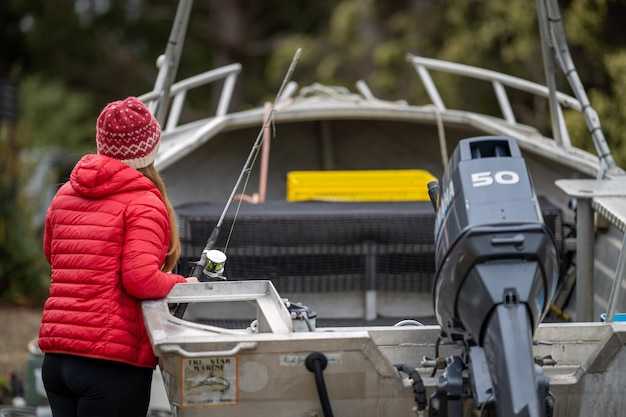 What is a Tiller on a Boat? A Clear Guide to Boat Steering">

Use the tiller for direct steering from the cockpit. Looking across the hull helps you anticipate turns, and you can overcome gusts with small, deliberate moves.
Whether you have a wheel or a tiller, the same physics apply to the rudder. recently, a sailor on a beneteau model with a wheel notes that the feel matters; the idea is the same: move the control, the hull responds, and the course changes between your hands.
Keep a balanced stance for control. A tiller is built for simple, strong leverage, so place your legs comfortably apart, grip the tiller near the handle, and keep wrists relaxed so small inputs produce steady moves.
For docking and tight quarters, use the neutral position and small corrections. Use tape marks on the cockpit to gauge the tiller angle, so you know the line to steer toward. This might help you avoid oversteering and keeps the hull tracking smoothly.
Next steps are practice; repeat the same motions again to build muscle memory. In calm water, test different courses, then simulate waves and wind to improve control on real moves. Use a small tape on the cockpit to mark neutral and check your next steering input. As an option, try different tiller angles to see which gives the best response.
Practical Tiller Basics for Smooth Steering

Your hands should be placed on the tiller, elbows relaxed, and feet planted shoulder-width apart, with eyes forward for predictable turns. This simple stance makes steering simpler and the boat’s moves more direct, so their handling remains truly calm from the first gust to the shift that arrives on days of changing wind.
- Stance and grip
- Keep wrists loose and hands at a comfortable distance; a proper grip prevents overreaction when gusts hit the beam.
- Position yourself so you can steer with minimal shoulder movement; longer days on the water demand a stable posture to grow confidence in the boat.
- If someone else handles the tiller, ensure they maintain a balanced stance so their weight supports the turn instead of fighting the helm.
- The simpler your input, the better your control. On smooth days, you’ll notice a marked difference in response.
- Input and timing
- Turn with small, steady inputs; most turns take 1–2 seconds to translate into a course change, giving you time to react.
- Use a relaxed grip and let the moves accumulate; this approach reduces oversteer and makes steering truly smoother.
- Wheel-steering systems respond similarly to tiller input, so applying the same discipline keeps both setups predictable when you switch modes.
- When you practice, you’ll see how your actions can grow in precision, making steering easier for oneself over days of effort.
- Wind, hull and boat feedback
- When a gust hits, micro-turns are enough to hold course; the matter is to avoid fighting the wind with forceful corrections.
- On aluminum hulls, check fittings and hinge points for play; stiff hardware makes moves less responsive.
- For hanse boats, docking precision depends on trim and weight balance; you’ll notice the difference as you practice the same input repeatedly, and your confidence grow will follow.
- Docking and close-quarters
- Approach slowly, turn early, and use gentle inputs to line up with the dock; this protects the hull and keeps guests comfortable.
- Make a short stern-to-docking move with a mild reverse from the motor if needed, but keep the tiller control light to avoid an abrupt shove.
- For beginners, have someone on board give signals; they can guide your hands while you focus on the steering path. Oneself grows as you learn, and your confidence will grow.
- Maintenance and setup
- Inspect the tiller for cracks or corrosion; a well-built piece lasts longer and handles moves with less backlash.
- Grease fittings and check headliner clearance to prevent moisture from affecting cockpit feel.
- Keep the cockpit tidy; remove gear that can snag the tiller and ensure the lever is aligned with the centerline when stored.
- Document small improvements in a magazine-style log so you can track progress from one season to the next.
Tiller vs Steering Wheel: Quick Comparison

Recommendation: choose a tiller on small boats for the fastest response; a steering wheel on larger boats for comfortable, hours-long steering. If you switch setups again, you’ll notice the difference quickly. anyone new to sailing can test both in minutes to decide what feels natural. lets compare quickly by size, handling, and comfort. they learn quickly in practice.
A tiller is a simple lever connected directly to the rudder, typically made from aluminum, wood, or composite. It provides direct feedback to the helmsmans hands and delivers a quick response when going from a gust to a lull. In small boats ahead of the cockpit, a tiller keeps the space uncluttered and comfortably allows a standing or seated position; for proper setup, add a short extension so your hands land ahead of benches and equipment. This setup places the control right at hand, mast in view, and ready to adjust the sail trim as needed. Keep the tiller in the proper place for quick shifts.
A steering wheel pairs with a pedestal and a cable or hydraulic system. It offers smooth steering at speed and reduces arm fatigue, which helps helmsmans who are standing for long minutes or who want to accommodate multiple crew. On boats like beneteau models, the wheel is standard, with controls at the wheel and often an autopilot link. If you’re considering a wheel, ensure you have sufficient cockpit space and a comfortable reach; you may want an extension so you can comfortably grip the wheel from a seated bench or from the coaming. This setup helps avoid problems with jammed cables or misalignment. They wont suit every boat, so test both configurations if possible. Advice from a dealer can save you hours on the water.
Table below distills the main differences and helps you decide quickly:
| Aspekt | Tiller | Steering Wheel |
|---|---|---|
| Best for | Small, nimble craft; quick feedback | Medium to large yachts; steady long-ride control |
| Space impact | Minimal clutter; no pedestal | Requires pedestal, binnacle, and cable runs |
| Materials | Aluminum common; wood or composite | Wheel and pedestal, often metal |
| Konserwacja | Low; simple extension if needed | Higher; check cable or hydraulic lines and bearings |
| Cost | Lower initial cost | Higher initial and ongoing costs |
| Novice suitability | Direct feel, quick learning | Supports longer sessions and autopilot integration |
| Brand trend | beneteau models sometimes use tillers on smaller lines | Wheel setups dominate on many models, including beneteau lines |
If you want a quick personal takeaway: for a small beneteau with a compact cockpit, a tiller offers nimble control and easier maneuvering around benches; for bigger models, the wheel with autopilot simplifies long passages. ahead of your purchase, check the cockpit layout, the extension options, and the relative weight you’ll handle while standing. they wont let you guess–get advice from a dealer and go hands-on. they will help you decide what feels most natural and well suited to your sailing style.
Locating the Tiller on Different Boat Types
Find the tiller by starting at the stern and tracing the long lever or blade that connects to the rudder. It is usually placed behind the rudder stock and positioned for quick steering. This is the place to grab when you need instant response.
On small dinghies and ancient vessels, the tiller sits directly on the rudder post at the transom, and the lever moves the blade side to side. This simple arrangement keeps the rudders responsive and almost always feels intuitive, and another quick grip helps steer in tight spots.
Most beneteau cruisers rely on wheel steering, so you won’t see a traditional tiller. Some models provide a retractable tiller arm stored in the stern locker, ready for short-handed docking or close-quarters maneuvering. If you want the classic feel, check the owner’s manual because the tiller option might be available on specific year models or october production runs.
On smaller vessels that do use a tiller, the connection to the rudder is a straightforward lever attached to the post. In some setups, a cord or strap helps keep the tiller aligned when stored, and the blade at the end moves the rudder through a simple offset mechanism as you push or pull. Make sure the tiller is positioned down and ready before you go afloat.
To locate quickly, look around the stern area, behind the rudders, and down toward the transom. On each vessel, locate the place where the steering arm attaches; if you find a long blade with a locking pin, you’ve found the tiller. Theyre available in different lengths, and some boats fold or detach the tiller to save space when not in use.
Optimal Hand Placement and Posture for Control
Positioned hands on the stock with thumbs over the top and wrists relaxed; keep elbows close to your sides to feel every move the boat makes, and check your position on the stock so balance stays natural and the load stays down.
Stand with feet shoulder-width apart, weight centered, and knees slightly bent, and lean a touch forward to stay connected to the sprayhood and to the water motion ahead. Learning to read the feel of the tiller helps you adjust.
For chop, steer with small, continuous corrections instead of bold turns; usually you move the wheel slowly, and the boat moves more predictably than with big swings; this matter keeps you in balance.
An example from comments in the article that came from practice shows steve testing a setup on a hanse with an aluminum stock; his bottom stance keeps him stable, and his position keeps him from leaving the helm. It is likely to produce control ahead of spray and keeps the crew confident.
Steering Techniques for Varying Weather and Seas
Set a steady helm to maintain balance and comfort. Keep movement predictable with a light, continuous touch and avoid abrupt corrections, which reduces sprayhood noise and will give the crew a clear feeling of control, keeping everyone comfortably secure.
During gusts, drive proactively: monitor the panel for wind shifts, and use small, steady rudder inputs that directly reflect the change, while trimming the mainsail and jib to keep the boat balanced. These essentials help you hold course without overworking the helmsmans, and while you maintain smooth movement.
Seas of varying height: in heavy seas, ease the mainsail, keep a moderate speed, and use a small rudder angle to let the boat ride the waves rather than fight them. This reduces spray, fatigue, and wear on components, and keeps movement controlled. This approach is likely to reduce fatigue for skippers and helmsmans. Credit to andre for refining this approach; it holds year after year.
Whether solo or with a crew, keep your position in the middle of the cockpit and your eyes on the panel. Whether calm or rough, these steps stay effective. For year-round comfort, test the option of a simple backup steering method; most well executed manual steering remains your most directly usable control in adverse seas. If you face a choice with an expensive autopilot, weigh the cost against the value of immediate feedback and your ability to adapt while on the water.
Pre-Trip Checks and Tiller Maintenance
Do a pre-trip check: inspect the tiller-steering linkage for play and secure fittings before you leave the dock. Ensure the tiller handle moves smoothly through the full range, which should feel decisive rather than loose or balky.
Check the mounting bolts at the top and bottom of the tiller housing, and verify the rudder stock pin is seated correctly. At the back of the assembly, look for signs of corrosion or wear and replace any damaged hardware rather than risking loss of control.
Lubrication and friction: lubricate pivot points with marine grease or a silicone spray designed for friction surfaces. Wipe away excess to prevent dirt accumulation. Reapplying every 3-6 months or after exposure to salt spray is a good rule, especially on a yacht or voyage boat.
Check power and alignment: test with the engine off to feel the level of effort. Then start at idle and slowly increase speed to check that the helm responds crisply and that the tiller-steering gives you a predictable control. Note any binding or uneven effort, which indicates friction or worn parts, or potential trouble on the water.
Inspect each fitting: the helm clamp, tiller arm, and adjustable linkage; replace worn bushings and pins. If the link has side-to-side play beyond a few millimeters, renew the bushings or seek expert help. This step prevents trouble on the water.
Maintenance cadence and parts: keep a simple log; recently checked parts, including bottom bushings, back bearings, and friction surfaces, so you can track performance over time. This fact helps you measure improvement and plan replacements; for a novice, a monthly quick check is enough on small craft; for a yacht, do a deeper review every 6-12 months.
wayne notes that a quick friction test at the bottom of the tiller rail before you set off helps identify trouble zones; for novices, stick to this simple check every trip.
Bottom line: through these checks you maintain control, whether youre helming a yacht or a dinghy; theres no guesswork in a solid maintenance routine; you and your crew will feel the difference in steering responsiveness and speed control.