


 Polski
  English (UK)
  Русский
  العربية
  日本語
日本語  한국어
한국어  Magyar
  Türkçe
  Español
  Čeština
  Svenska
  Português
  Ελληνικά
  Suomi
Suomi  Nederlands
  Română
  Italiano
  Français
  Українська
  Deutsch
  简体中文
简体中文  Slovenčina
 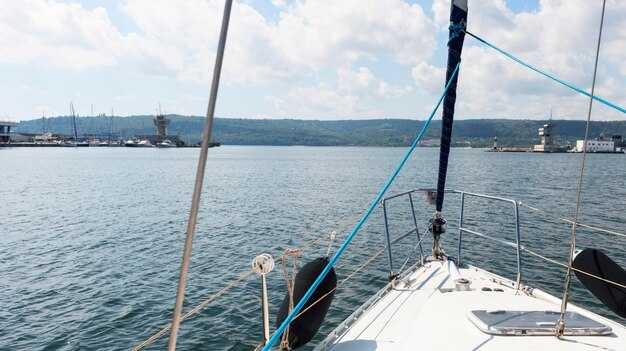 What Is a Keel on a Boat? Definition, Types, and Its Function">

Aby osiągnąć stabilny rejs, wybierz pełny kil lub kil skrzydłowy dla większości jachtów. Pełny kil zapewnia stabilność kierunkową i minimalizuje dryf, natomiast kil skrzydłowy może poprawić siłę nośną przy większych prędkościach. Jeśli żeglujesz w płytkich zatokach lub potrzebujesz opcji dostępu do suchego doku, kil podnoszony oferuje elastyczność bez poświęcania bezpieczeństwa. Do szybkiej żeglugi oceanicznej lub rejsów inspirowanych wyścigami, kil płetwowy może być preferowany ze względu na czysty przepływ wody i szybsze skręcanie, ale wiąże się z wyższym kosztem początkowym i nieco większym zanurzeniem.
Kil to przedłużenie podstawy poniżej kadłuba, które dodaje balastu i kieruje przepływ wody. Ta forma generuje moment prostujący, pomaga zapobiegać dryfowi i chroni statek przed ześlizgiwaniem się na boki na wietrze. Poprawia również utrzymywanie kierunku i zmniejsza efekt nawietrzności, dzięki czemu sterowanie jest stabilniejsze na falach. Na większych statkach kil zapewnia stabilność nawet wtedy, gdy żagle są zwinięte, a kadłub pozostaje wolny od zagracającego pokładu.
Istnieje kilka formularzy, aby dopasować się do różnych potrzeb: a kil pełny biegnie wzdłuż kadłuba, zapewniając maksymalną stabilność podstawy; a długi kil dzieli tę samą koncepcję z bardziej wydajną linią wodną; kil płetwowy lub skrzydlaty kil oferuje zmniejszone zanurzenie i ulepszone manewrowanie; a kil podnoszony wsuwa się na zawias, aby odsłonić więcej wody na płyciznę cruising lub do wyrzucenia na brzeg. W praktyce, jachty oraz ships projektanci rozważają wytrzymałość, koszt i kształt kadłuba, aby wybrać najlepszą opcję dla danego rejsu.
Funkcje wykraczają poza balast. Kil zapewnia rozkład wyporności, który zmniejsza ryzyko wywrócenia, poprawia zdolność do płynięcia pod wiatr i pomaga utrzymać czysty strumień wody wokół steru. Kil podnoszony dodaje możliwość zmniejszenia zanurzenia, gdy łódź znajduje się blisko brzegu, ale balast i zawiasy muszą być solidne, a regularna kontrola jest konieczna, aby zapobiec korozji lub wyciekom. W przypadku większości łodzi turystycznych kil współpracuje z kształtem kadłuba, zapewniając przewidywalne zachowanie w porywach wiatru i na wzburzonej wodzie, zarówno w spoczynku, jak i podczas ruchu.
Z recenzji właścicieli i załóg wynika, że wybór zależy od tego, gdzie pływasz i jak używasz łodzi. Jeśli planujesz rozległe rejsy, niezbędny jest kil zapewniający równowagę między stabilnością a rozsądnym oporem. Na dni na płytkich wodach preferuj opcję podnoszoną lub skrzydlatą; na długie przeloty kil pełny lub długi często zapewnia najbardziej wybaczalne zachowanie. Oceniając opcje, sprawdź podstawę i punkty mocowania, sprawdź, czy powierzchnie są wolne od korozji i upewnij się, że mechanizm podnoszenia działa płynnie. Dla tych, którzy cenią wydajność i niezawodność, pakiet kilowy dopasowany do kształtu kadłuba jest najbardziej niezawodnym fundamentem bezpiecznego i przyjemnego żeglowania.
Podstawy Kila dla Żeglarzy i Budowniczych Łodzi
Wybierz kil stały o dużej masie balastowej, gdy planujesz żeglugę oceaniczną. Zapewnia on kręgosłup, który przeciwstawia się przechylaniu na boki w falach i na wzburzonym morzu, zachowując jednocześnie przewidywalność osiągów w pełnym zakresie warunków.
Kształt i rozmieszczenie ciężaru decydują o momencie prostującym, czyli o tym, jak łódź przeciwdziała obciążeniu wiatrem i falami. Długi, nisko osadzony kil balastowy zapewnia silny opór siłom bocznym, a głębszy profil poprawia osiągi i zapobiega przechylaniu się kadłuba na boki w trudnych warunkach.
Kile - rodzaje obejmują konstrukcje stałe, chowane i mieczowe. Każdy oferuje inny balast, kształt i przeznaczenie. W przypadku łodzi, która spędza czas na płytkich zatokach, lżejszy kil z funkcją chowania pomaga w dostępie, zapewniając jednocześnie bezpieczne możliwości, gdy jest wysunięty na otwarte morze.
Wybór materiałów ma znaczenie: drewniane rdzenie z balastem ołowianym lub kity stalowo-ołowiowe zapewniają stabilną wagę. Producenci powinni zadbać o to, aby kil był przymocowany do mocnego kręgosłupa i wykorzystywał odpowiednie okucia, które przeciwdziałają ciągnięciu fal i obciążeniu.
Dowiedz się, jak wyważyć: balast z załogą i sprzętem. Na początek ustal stosunek balastu do wyporności w zakresie 25-40% dla średniej wielkości żaglówek; wyższy dla łodzi przeznaczonych do długich rejsów. Użyj pełnego kształtu kilu, aby utrzymać stabilność, gdy fale naciskają z boku.
Dla osiągnięcia wysokiej wydajności na morzu, upewnij się, że balast jest zintegrowany z mocnym połączeniem kadłuba. Śruby mocujące powinny być wykonane ze stali nierdzewnej lub odporne na korozję, z płytkami wzmacniającymi i warstwami kleju morskiego, aby zapobiec poluzowaniu podczas pracy na wzburzonych wodach.
Regularne kontrole: sprawdzaj śruby mocujące kil pod kątem korozji, kontroluj opływowość i kształt wokół kila, aby uniknąć oporu; szukaj śladów przemieszczeń i pęknięć. Dobrze oprofilowany kil zmniejsza opór i poprawia osiągi, przeciwdziałając kołysaniu na boki podczas wznoszenia się fal.
Informacje od doświadczonych budowniczych wskazują, że dobrze dobrany kil zapewnia bezpieczne prowadzenie, lepsze utrzymywanie kursu i niezawodne przeciwdziałanie przechyłom pod obciążeniem. W przypadku kadłubów drewnianych upewnij się, że kil jest połączony z kadłubem za pomocą odpowiednich uszczelniaczy i laminatu wzmacniającego tam, gdzie to konieczne. Kil to bohater, który utrzymuje łódź na kursie w trudnych warunkach.
Definicja: Miejsce, w którym spoczywa stępka i jej podstawowa rola na łodzi.
Utrzymuj kil przymocowany wzdłuż linii środkowej, aby zmaksymalizować stabilność, poprawić kierunek i zapewnić przewidywalne prowadzenie.
Definicja: kil znajduje się pod kadłubem, wchodząc do wody. Łączy balast z hydrodynamicznym profilem, aby zapobiegać wywracaniu i przekształcać ruch do przodu w siłę nośną w wodzie. Takie umiejscowienie tworzy niski, szeroki środek ciężkości, który zwiększa moment prostujący łodzi, utrzymuje ją na wybranym kursie na wietrze i falach oraz zmniejsza dryf boczny.
Ta podstawowa zasada przyświeca każdemu projektowi kila: waga i kształt współpracują ze sobą, zapewniając kontrolę, bezpieczeństwo i większą prędkość. W jachtach kilowych równowaga między balastem a kształtem kadłuba decyduje o tym, jak silny wiatr jacht może unieść i jak mocno utrzymuje kierunek. Kile stałe oferują maksymalną wagę i prostą konserwację, podczas gdy kile skrzydłowe dodają nośności poprzez małe boczne skrzydła, poprawiając osiągi na płytkiej wodzie. Te formy spoczywają na konstrukcyjnym kręgosłupie kadłuba i muszą być zintegrowane ze sztywnością kadłuba i rozmieszczeniem balastu.
Aby zapewnić wszechstronność, projektanci używają stopów na bazie lexcenu lub innych materiałów konstrukcyjnych, aby kil był mocny, a jednocześnie wystarczająco lekki, aby poprawić reakcję. Rodzaj – stały, podnoszony, skrzydłowy lub mieczowy – zależy od jednostki, typowych fal i głębokości doku. Ważne jest dopasowanie do kadłuba, z rozkładem masy, który zapewnia doskonałą stabilność bez nadmiernego oporu. Takie podejście zapewnia niezawodność kilwateru zarówno podczas sztormów, jak i słabych wiatrów, a także ułatwia konserwację dzięki mniejszej potrzebie czyszczenia, gdy jest utrzymywany w czystości i chroniony.
Regularna konserwacja opiera się na starannej równowadze obciążenia, struktury i dostępu. Dobrze zaprojektowany kil umożliwia płynny transfer ciężaru, stabilne śledzenie kursu i lepszą odporność na podmuchy. Rezultatem jest pewniejsza jazda, nawet gdy wiatr szybko się zmienia lub fale wzbierają, oraz wyraźniejsza ścieżka w zmieniających się warunkach. Rutynowe czyszczenie szczotką pomaga utrzymać właściwości przeciwporostowe i zapobiega korozji, wspierając długoterminową integralność strukturalną i stałą wydajność.
| Typ | Kluczowa cecha | Najlepiej sprawdza się w przypadku | Uwagi |
|---|---|---|---|
| Kil stały | Duży balast; głębokie zanurzenie | Rejsy pełnomorskie; stabilne śledzenie kursu | Niskie ryzyko mechaniczne; doskonała stabilność |
| Kil ze skrzydłami | Małe poziome skrzydła | Płytkie porty; dobre noszenie pod wiatr | Mniej przeciągów; sprawdź skrzydła pod kątem uszkodzeń |
| Kil podnoszony | Wysuwany; zmienny zanurzenie | Wszechstronność na płytkiej wodzie i podczas wyścigów | Więcej części; regularna konserwacja |
| Miecz środkowy | Pionowa tablica chowana | Małe kilówki; żeglarstwo przyjazne plaży | Wymaga niezawodnego mechanizmu zwijania |
Typowe rodzaje kilów: kil pełny, kil płetwowy, kil podnoszony i kil balastowy.
Recommendation: W większości przypadków użytkowania jachtów kilowych, kil płetwowy zapewnia najlepszą równowagę prędkości, zwrotności i zdolności do żeglugi morskiej; jeśli płytkie porty lub dostęp dla pontonów mają znaczenie, kil podnoszony lub kil bulbarny zapewnia elastyczność bez poświęcania bezpieczeństwa.
Pełny kil biegnie wzdłuż kadłuba, tworząc solidną podwodną formę, która poprawia trzymanie kursu i stabilność boczną. Działa jak kręgosłup łodzi, zapobiega nadmiernemu dryfowi pod wiatr na wzburzonych wodach i zapewnia płynniejszy ruch na falach czołowych. Stworzony do obsługi głębszych wód, doskonale sprawdza się podczas rejsów morskich, gdzie kadłub pozostaje w jednej linii z wiatrem i falami. Konserwacja jest prosta, ponieważ kil jest zintegrowany z kadłubem, a recenzje od wieloletnich żeglarzy podkreślają niezawodną równowagę i stabilne osiągi tej tradycyjnej formy. Każdy typ kila ma funkcje, które wpływają na równowagę, trzymanie kursu i zanurzenie.
Kil sterowy to krótszy płat nośny zamontowany w pobliżu śródokręcia, zmniejszający opór podwodny i poprawiający reakcję na skręty oraz ogólny ruch. Obniża odchylenie od kursu i zwiększa prędkość przy wiatrach, głównie w zmiennych warunkach, a mniejsze zanurzenie pomaga w portach o mniejszej dominacji wody. Wymaga uważnego sterowania na wzburzonej wodzie, aby utrzymać stabilną równowagę, ale recenzje powszechnie chwalą jego zwinność i lepsze osiągi pod wiatr w porównaniu z pełnym kilem. To ustawienie to nie tylko prędkość; poprawia również równowagę i prowadzenie przy szocie.
Kil podnoszony wykorzystuje chowaną płetwę, która opuszcza się do pracy na pełnym morzu i podnosi do wód płytkich, umożliwiając podpływanie do ramp dla pontonów i kotwiczenie w miejscach o mniejszej głębokości. System ten wiąże się z dodatkowymi wymaganiami konserwacyjnymi i potencjalnymi punktami awarii, ale oferuje praktyczne połączenie stabilności na pełnym morzu i dostępu wzdłuż wybrzeża. Po wysunięciu, podnoszony kil zwiększa efekt balastowy i poprawia moment prostujący, pomagając kadłubowi zachować stabilność na wzburzonym morzu; po wsunięciu zyskujesz większą wysokość nad głową i mniejsze zanurzenie, przydatne w zatokach zdominowanych przez pływy. Ta konfiguracja to bohater dla żeglarzy ceniących elastyczność bez konieczności decydowania się na jedno konkretne zanurzenie.
Kil zbulwiasty łączy żarówkę balastową u podstawy małego statecznika z głębszym, smuklejszym profilem, dając dodatkowy moment prostujący bez dramatycznego zwiększenia zanurzenia kadłuba. Żarówka poprawia stabilność, zwłaszcza pod wodą, i pomaga utrzymać płynniejszy ruch pod obciążeniem. Przynosi korzyści głównie łodziom, które dążą do wysokiej wydajności na wiatr przy umiarkowanej długości linii wodnej, równoważąc prędkość i bezpieczeństwo. W praktyce konstrukcje z kilami bulwiastymi okazują się mocne w warunkach morskich i dobrze reagują na rutynowe czynności konserwacyjne zapobiegające korozji na połączeniu żarówki z linią wodną.
Każda podróż wymaga rozważenia ruchu, równowagi i głębokości wody, aby wybrać odpowiedni kil.
Jak kil przyczynia się do stabilności i momentu prostującego
Zwiększ stabilność, wybierając kil balastowy o stałej konstrukcji z ciężką bulwą i głębszym profilem, aby zmaksymalizować moment prostujący. Takie rozwiązanie balastowe jest niezbędne dla łodzi kilowej operującej w zmiennych warunkach, od fal po porywy wiatru i przy różnej sile wiatru.
Zrozumienie stabilności oznacza zbadanie, jak siły oddziałują na siebie, gdy łódź się przechyla. Grawitacja przesuwa masę balastu niżej, tworząc moment podnoszący, który przeciwdziała przewróceniu. Ta równowaga jest kluczowa, aby zapobiec nagłej wywrotce. Główne siły to hydrostatyczna wyporność, wiatr w żagle i hydrodynamiczna siła nośna działająca na kadłub i kil. Głębszy kil obniża środek ciężkości i zwiększa moment prostujący przy typowych kątach przechyłu, pomagając żeglarzom utrzymać łódź w pozycji pionowej na falach i przy zmianach wiatru.
Geometria balastu i kilu ma znaczenie. W typowych jachtach turystycznych z kilem masa balastu jest stała i często waha się od 25% do 40% wyporności. Bulwa na końcu koncentruje ciężar niżej, zwiększając moment prostujący bez nadmiernego zanurzenia. Głęokie płetwy zwykle zapewniają wyższy RM (moment prostujący) niż płytkie kile, a obniżona pozycja balastu poprawia wydajność w podnoszeniu sił podczas podmuchów. Wiele konstrukcji ma stałą bulwę i trzon, które współpracują z kadłubem, aby utrzymać stabilność łodzi w różnych stanach morza.
- Balast stały z żarówką balastową jest zwykle bardziej skuteczny dla RM niż balast luźny lub ruchomy; poszukaj konstrukcji, w której masa balastu jest zamocowana, a żarówka zintegrowana z kilem.
- Rozważ głębokość kila: głębsze kile dają większy RM przy kątach przechyłu występujących często podczas porywów wiatru; to redukuje wywracanie podczas wielu wiatrów.
- Sprawdź interakcję kadłuba i stępki: krzywa GZ powinna osiągać szczyt przy rozsądnym kącie przechyłu (mniej więcej 15–25 stopni dla wielu łodzi turystycznych), aby zapewnić silny moment prostujący bez powodowania ociężałości łodzi.
- Konserwacja i niezawodność: należy dbać o suchość komór balastowych; utrzymywanie powierzchni w czystości za pomocą mydeł i sprawdzanie uszczelnień zapobiega korozji i przeciekom, które mogłyby osłabić skuteczność balastu.
Dla projektantów i właścicieli ważne jest znalezienie równowagi między stabilnością a wydajnością. Projektant floty handlowej musi rozumieć, jak różne scenariusze obciążenia – fale, wiatr i przechył – wpływają na siły działające na kil. Celem jest dobry RM w całym zakresie żeglugi, a nie tylko przy spokojnym powietrzu. Dzięki dobrze dobranemu kilowi stałemu i bulbom uzyskujesz stabilną platformę, która pozostaje w pozycji pionowej, gdy żeglarze mocno naciskają na łódź w różnych warunkach.
Kil kontra kadłub: różnice w przeznaczeniu, sterowności i osiągach
Recommendation: Użyj kila zaprojektowanego w celu zapewnienia stabilności i oporu wiatru, w połączeniu z kadłubem o rozmiarze zapewniającym wyporność i wydajne prędkości.
Kiel ma na celu zapewnienie oporu bocznego i niezbędnej siły prostującej, utrzymując łódź na stabilnym kursie na wietrze i falach. Zasadniczym celem kadłuba jest zapewnienie pływalności i kształtu, umożliwiając ruch po wodzie i przenoszenie ładunku. Niektóre kile zawierają bulbę obniżającą środek ciężkości, poprawiając stabilność; mniejsze łodzie mogą zamiast tego używać miecza (środkowego lub sztyletowego), szczególnie w konstrukcjach dinghy.
Podczas manewrowania kil ogranicza dryf (zejście na zawietrzną) i utrzymuje tor jednostki, redukując nawietrzność. Przekłada się to na lepsze wyniki zarówno pod wiatr, jak i z wiatrem. Kształt kadłuba wpływa na przyczepność i prędkość, a kierunek ruchu zmienia się w zależności od siły wiatru i przepływu wody. W różnych warunkach głębszy kil poprawia osiągi pod wiatr, a płytszy kil jest odpowiedni na spokojniejsze wody; bulwa dodaje masy bez znaczącej zmiany kształtu, wspomagając moment prostujący. Pod obciążeniem kil i kadłub współpracują ze sobą, aby utrzymać równowagę.
Zyski w wydajności wynikają z dopasowania kila i kształtu kadłuba do przeznaczenia łodzi. Dla wysokich prędkości i słabego wiatru ważna jest czysta powierzchnia podwodna; okresowo usuwaj zabrudzenia z bulwy i podstawy, używając mydeł i miękkiej szmatki. Na wzburzonym morzu dobrze zaprojektowany kil bulbarny poprawia stabilność. Bez regularnej kontroli korozja lub uszkodzenia zmniejszają skuteczność. Poświęcenie czasu na sprawdzenie i czyszczenie tego systemu utrzymuje optymalną wydajność.
Dla żeglarzy łodzi wiosłowych wiele jednostek polega na mieczu lub stałym, małym kilu, aby zapewnić podobne korzyści w zwartej formie; mniejsze łodzie korzystają z wszechstronnych konstrukcji, które pozwalają na pokonywanie różnych kierunków wiatru. Znając ich przeznaczenie, odkrywasz krytyczną równowagę między stabilnością a prędkością i możesz dobrać sprzęt pasujący do Twojego planu żeglugi.
Wybór odpowiedniego kila: czynniki takie jak wielkość łodzi, plany żeglarskie i warunki wodne
Zacznij od kilu płetwowego ze statecznikiem balastowym dla łodzi w zakresie 25–40 stóp, aby zmaksymalizować równowagę i osiągi. Ta forma zapewnia przewidywalny ruch, utrzymuje żagle w stałym kierunku i zapewnia silny moment prostujący w przypadku podmuchów. Ciężar jest umieszczony nisko w kadłubie, co pomaga w szybkości i utrzymaniu kursu na wzburzonym morzu. Nisko umieszczony ciężar ma kluczowe znaczenie dla stabilności. Dla wielu właścicieli najważniejsza jest równowaga między zanurzeniem a ciężarem, a ten wybór określa przeznaczenie jachtu: łatwiejsze manewrowanie lub lepsze osiągi. Rozkład balastu jest kluczowy dla stabilności podczas dłuższych rejsów. W przypadku łodzi mniejszych niż 6 metrów lub gdy często pływasz po płytkich wodach, wybierz kil wysuwany lub wahliwy, aby dostosować zanurzenie i ciężar na bieżąco bez uszczerbku dla bezpieczeństwa. Takie rozwiązanie zapewnia również lepszą reakcję Twojego ciała na podmuchy i utrzymuje płynność ruchu.
Przewodniki dotyczące rozmiaru, formy kila i zanurzenia. Poniżej 20 stóp wybierz lżejszy, chowany kil, aby zachować zwinność na płytkiej wodzie; 20–28 stóp może używać skromnego kila stałego z małą bulwą balastową, aby uzyskać dobre wyważenie bez dużej wagi; łodzie turystyczne o długości 25–40 stóp korzystają z głębszych płetw z większymi bulwami balastowymi, aby poprawić osiągi przy umiarkowanych wiatrach i zmniejszyć poślizg boczny. Jeśli gonisz za prędkością lub ścigasz się, głęboka płetwa kilowa o zanurzeniu 7–9 stóp przekłada większą moc żagli na pęd, o ile pozwala na to głębokość. Takie podejście zapewnia znane korzyści w postaci odporności na dryf, przy jednoczesnym utrzymaniu wagi pod kontrolą, bez konieczności stosowania najcięższego sprzętu.
Plany żeglugi kształtują wybór kila. Do weekendowych rejsów z rodziną wybierz stały kil o średnim zanurzeniu, który pozostaje przewidywalny, gdy zmienia się załoga. Do regat lub pływania wyczynowego celuj w głębsze płetwy i czysty rozkład masy, aby zamienić sprzęt i żagle na prędkość. To ustawienie jest szczególnie skuteczne przy wzroście porywów wiatru, pomagając utrzymać kontrolę i komfort w ruchu.
Warunki wodne wpływają na wybór kształtu i balastu. Na spokojnych jeziorach sprawdzają się lżejsze, płytsze kile; na wzburzonych wodach lub morzach przybrzeżnych głębsze kile poprawiają kontrolę ruchu i kierunku, zmniejszając dryf i ułatwiając zmiany trymu. W bardzo płytkich portach lub w pobliżu raf rozważ opcję podnoszonego kilu lub miecza, aby zmniejszyć zanurzenie przy zachowaniu wydajności po opuszczeniu.
Materiały wpływają na zachowanie kila w połączeniu z kadłubem. Drewniane kile przywołują tradycję, ale nowoczesne konstrukcje opierają się na balastowym ołowiu lub żelazie zintegrowanym z kadłubem lub przymocowanym jako oddzielna bulwa. Ten wybór ustala rozkład masy i równowagę, co, jak wiadomo, wpływa na sterowność i ogólną wydajność. Czyszczenie i kontrola mają znaczenie; usuwaj zanieczyszczenia, sprawdzaj połączenia i używaj łagodnych mydeł na dostępnych powierzchniach, aby zapobiec korozji. Konstrukcja, która utrzymuje czysty profil, wspiera lepszą prędkość i niższy opór, dzięki czemu Twoja łódź może pracować z dobrą wydajnością.