


 Polski
  English (UK)
  Русский
  العربية
  日本語
日本語  한국어
한국어  Magyar
  Türkçe
  Español
  Čeština
  Svenska
  Português
  Ελληνικά
  Suomi
Suomi  Nederlands
  Română
  Italiano
  Français
  Українська
  Deutsch
  简体中文
简体中文  Slovenčina
  Ultimate Guide to Watching Northern Right Whales in Florida – Best Spots, Tips, and Safety">

Plan your March Florida trip to see Northern Right Whales from the Space Coast, and head there with one clear rule: give space and stay safe while watching, whether you stand on the beach or join a licensed voyage.
There are two reliable options: land-based viewing from calm beaches and a licensed boat tour that respects the whales’ space. Upon arrival, check with the team at the visitor center for earlier updates on whale activity and current restricted zones. From the beach, the best windows are at low tide when the shallow, wind-sheltered waters let you spot blow, tail, and the contour of a head rising above the water not far offshore.
When the interval between sightings is short, guests stay engaged by scanning the water with binoculars and staying with a guided crew. March through early spring is the prime period when right whales travel along Florida’s coast; winter calm conditions can extend viewing days, while mid-winter swells may limit visibility. To improve your odds, choose early morning sessions and keep your photos steady, aiming to capture a safe, respectful pass close to shore.
For safety, always follow the crew’s instructions, wear a life jacket on boats, and keep guests and kids at a safe distance from the rail, whether you are on the beach or on board. In the open ocean, life jackets can be required; never chase a sighting, and avoid placing any gear or food in the water, which could attract fish and other wildlife in ways that disrupt the whales’ rhythm.
Every visit yields fresh discoveries; everyone who spends time on Florida’s beaches notes the beauty of the coastline and the calm power of a whale surfacing. The display of these ocean giants offers a powerful reminder that a shared space requires care, and your participation supports life in the waters for years to come. If you plan ahead now, you’ll enjoy the experience with guests and friends on the beach or from a boat, and you’ll carry that memory with you through the winter into spring.
Best Florida Viewing Locations by Season and Whale Behavior
Head to Cape Canaveral from January through March for the best shot at a closer encounter with north Atlantic right whales; spend time aboard a licensed whale-watching charter to maximize your watching and keep guests safe. Pete’s Charters (petes) often have Wesley and Mckenzie aboard to point out blows, breaches, and the subtle moves that signal calm behavior before a longer interval of surface time.
Winter to early spring hotspots include Cape Canaveral’s Jetty Park and nearby beaches, Sebastian Inlet, and Ponce Inlet. These sites let you watch from the beach or a small boat, offering a space to sight a first blow within a few minutes and a sense of the whole scene unfolding at a comfortable level for a family-friendly day. youre able to keep your distance while getting good looks, and you can compare what youre seeing with field notes from guides or apps.
In February and March, Sebastian Inlet, Fort Pierce, and Vero Beach offer more reliable sightings as pods travel along the coast. These spots provide calmer water and easy shore access, making a family-friendly day trip feasible. Bring binocs or a scope, bring a lunch, and schedule your interval times so youre not waiting in the heat for a long stretch of nothing.
North Florida options like Amelia Island and Fernandina Beach, and the St. Augustine area (Fort Matanzas) give a chance to see northbound groups that move closer to shore. From the beach, you can watch as the whole group surfaces and sometimes you see a tail-slap or breach. A guided boat trip can supplement with additional sightings when the space between the whales and the vessel closes.
Stay safe and respectful: keep the 500-yard rule, slow engines, and watch for signs of stress. Use disinfected gear; keep guests calm; these practices make the encounter more enjoyable and reduce disturbance. If a mother-calf pair approaches, back off and give them space; youre responsible for a safe, humane experience.
These options provide a number of viewing opportunities across the season. Look for more consistent sightings in peak months, plus the ability to tailor to your family schedule. Bring a picnic, a blanket, sunscreen, and disinfected wipes, and be ready to move with the wind and whales. If youre looking to maximize your time, coordinate with local operators like petes, and ask guides such as Wesley and Mckenzie to map a plan that keeps the group together and increases your chances of a memorable encounter, to make the whole day worthwhile for everyone.
Timing and Weather Windows for Peak Whale Activity
Book a guided tour in late January along Florida’s eastern waters for peak whale activity, when most whale calving and social behavior concentrates near the Space Coast and river mouths. There, you will find scientists and a wildlife association coordinating safe, respectful viewing with whalers aboard. Spend time on deck aboard a sailing, family-friendly vessel for closer looks, and you will likely see a whale surface, roll, or blow. There are no aquariums; observe real behavior in the waters. The ecosystem along the coast funnels nutrients into feeding lanes, so currents bring plankton and small fish toward the shelf where whales gather, creating an opportunity to observe.
Weather and water conditions drive success. Aim for days with light to moderate winds (Beaufort 1–3) and seas roughly 1–3 ft; these conditions deliver clearer views and steadier decks. Morning departures after fronts pass tend to maximize scenery and visibility. Water temperature in Florida winter ranges about 62–72°F (16–22°C), so pack layers and a windproof layer. A typical half-day sail (about 3–4 hours) fits family-friendly plans and offers multiple opportunities to observe a whale near the bow or a tail slip as you round a coastal bend.
Monthly timing snapshot
December to March remains the core window, with most frequent sightings concentrated mid-January through February. There, the chance to observe mothers and calves increases, and you can look for surface actions like breaches and spyhops. calving season adds to the spectacle. petes guides offer route plans that maximize the opportunity to find concentrations near known feeding grounds and river mouths. For family-friendly options, select slower, smaller boats that minimize wake and avoid crowding the animals, so the scenery remains enjoyable for the round trip.
Weather and safety notes for viewing
Always head out with a licensed operator who follows the guidelines of the association and local regulations. A calm, clear day offers the most reliable views; if fronts pass, expect changes in wind and chop. Bring water, sunscreen, and masks for sun protection, plus binoculars to extend your look without intruding on the animals. Watch for surface signs such as spouts and tail action; most sightings come from patience and attentive crews aboard. If you still haven’t seen a whale after a few hours, schedule another run the same week–there is often another window in high-sighting months, and you can compare notes with scientists and whalers to deepen your understanding of this vital ecosystem there.
On-Water and Shore-Based Watch: Gear, Apps, and Techniques
Recommendation: Book a guided, certified trip or join a licensed shore-based watch, and carry three core toolkits to maximize whale sightings, experiences, and learning.
Gear for on-water watching
- Binoculars: 8×42 or 10×50 with sturdy strap; image-stabilized models help when racing wakes or rolling decks.
- Field notebook and pencil; waterproof write pad for quick notes on sightings
- Personal safety gear: life jacket, whistle, and a compact VHF radio or marine phone
- Sun protection: wide-brim hat, polarized sunglasses, and SPF50+ sunscreen
- Dry bag with spare batteries and a power bank; a small towel for moisture
- Camera with a zoom lens or a phone with a telephoto attachment; bring a lens cloth
- Water and light snacks; a light layer for changeable conditions
Apps and data sources to accompany your watch
- Whale Alert for real-time sightings; use it to tell them where to look and to log local experiences
- Explore.org live cams at coastal sites for steady sightings when boats are delayed
- State and national data pages from NOAA and FWC provide current sightings counts and behavior notes
- Weather and sea-state apps to plan rounds along the beach or on the water
- Field logs or note apps to record date, time, number of animals, direction, and rough behavior
Techniques for effective watching
- Starting with a 360-degree sweep, perform a round of scanning every 5–7 minutes to catch a first blow or tail flick
- Use binoculars first, then zoom in on a suspected activity; once you have them, switch to close focal detail
- Follow the guide’s plan with a calculated round of observations and maintain safe distance from the animals
- Zauważ trzy rzeczy: wysokość wydmuchu, kształt płetwy grzbietowej i wzór ogona, aby identyfikować osobniki i poznawać zachowanie.
- Utrzymuj czujność, aby wychwycić subtelne ruchy, gdy zbliżają się lub wyłaniają w pobliżu.
- Dziel się obserwacjami ze swoim zespołem i rejestruj je, aby zapewnić wszystkim na pokładzie wspólną, prowadzoną przez doświadczonych ekspertów, przygodę.
- Kiedy to możliwe, koordynować działania z poławiaczami wielorybów i naukowcami, aby wzbogacić wiedzę i opowiedzieć pełniejszą historię.
Wskazówki dotyczące obsługi z lądu i notatki dotyczące dostępu
- Wybieraj punkty widokowe z dobrymi liniami widzenia; miejsca na klifach oferują rozległe widoki i dalekosiężne perspektywy.
- Sprawdź dostęp do rezerwacji lub terenu muzeum, jeśli planujesz oglądać z centrum przyrody nadmorskiej lub tarasu plażowego.
- Obserwuj z wyznaczonych bezpiecznych stref i szanuj obszary chronione oraz przepisy lokalne.
- Trzy popularne miejsca na brzegu oferują różne perspektywy; obracaj się między nimi, aby uzyskać głębsze obserwacje w ciągu dnia.
- Przygotuj swój sprzęt, aby szybko reagować na zmiany między słońcem, cieniem i bryzą morską.
Bezpieczeństwo na Łodziach, Kajakach i dla Obserwatorów Plaży
Zachowaj przynajmniej 500 metrów (1640 stóp) dystansu od każdego płetwańca niczego i zmniejsz prędkość do minimum, gdy zobaczysz ich wydechy; nigdy nie gonić ani okrążać, i nigdy nie zbliżać się zbytnio. Ich życie zależy od przestrzeni, a piękno wód Florydy zasługuje na cichą obserwację.
Na łodziach lub kajakach przydzielić jednego obserwatora na każdy pojazd; użyć strażnika do skanowania wody w stałych odstępach czasu; utrzymywać stały kurs i unikać gwałtownych skrętów. Jeśli wykryjesz wieloryba, cielę lub oznaki takie jak bryza, zwolnij do prędkości bez wywoływania fal i oddal się; zachowuj dystans, obserwując delfiny i inne dzikie zwierzęta.
Osoby oglądające plażę powinny pozostać w wyznaczonych obszarach widokowych i nigdy nie wchodzić do stref chronionych. Przestrzegaj regulaminu wstępu i programu lokalnej organizacji zajmującej się obserwacją dzikiej przyrody; szanuj ustalone odległości i unikaj zakłócania miejsc obserwacji ptaków. Niektóre strefy ograniczają liczbę zwiedzających, więc zaplanuj z wyprzedzeniem i eksploruj tylko zatwierdzone ścieżki wzdłuż plaży.
W słabym oświetleniu korzystaj z oświetlonej nawigacji i noś odzież o wysokiej widoczności; nigdy nie żegluj zbyt blisko dzikiej przyrody. Po zauważeniu zwierzęcia, zarejestruj to w lokalnym programie i podziel się szczegółami z florydzką siecią ochrony dzikiej przyrody za pośrednictwem odpowiedniego kanału, aby pomóc w ochronie ich siedlisk i wspierać przyszłych gości.
Legal Distance, Ethical Watching, and Situational Etiquette
Odległość i Pozycjonowanie
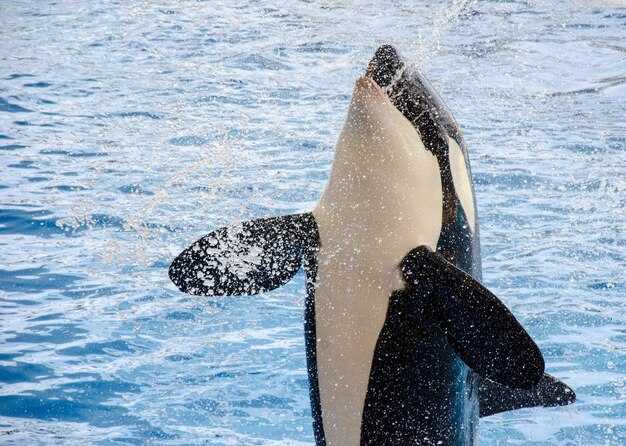
Zachowaj co najmniej 1500 stóp (450 metrów) od każdego północnoatlantyckiego wieloryba. Jeśli wieloryb wyłoni się na powierzchnię w tej strefie, zwolnij do biegu jałowego lub delikatnie odbij w bok. Nie zbliżaj się bliżej niż minimum; cielęta potrzebują więcej przestrzeni. Obserwatorzy działający z lądu korzystają z wyznaczonych obszarów obserwacyjnych; pozostawaj za barierami i unikaj ograniczonych wydm lub siedlisk. Na Flagerze i w innych zimowych hotspotach, opublikowane zasady mogą się różnić w zależności od lokalizacji; należy przestrzegać lokalnych znaków i wskazówek. W trakcie sezonu planuj wizyty z licencjonowanym przewodnikiem lub lokalną organizacją ochrony przyrody, aby zapewnić, że trasy unikają stref o wysokiej aktywności. Spędzenie popołudnia za jednym tylko obserwacją może zwiększyć zakłócenia; poczekaj na spokojną, pogodną chwilę. Jeśli napotkasz wieloryba bliżej niż oczekiwano, zwolnij i daj zwierzęciu przestrzeń do wynurzenia. Utrzymuj równoległe ustawienie z powierzchnią wody i unikaj blokowania korytarza migracyjnego wieloryba.
Dla sterników, zmniejszaj obroty do biegu jałowego, gdy wieloryby są w pobliżu; nie towarzysz im i nie krąż w ich pobliżu. Nigdy nie pływaj w kierunku wieloryba w żadnych okolicznościach. Gdy pogarsza się widoczność lub zmienia wiatr, spodziewaj się, że wieloryby się poruszają; powoli dostosuj kurs, aby zminimalizować wpływ. Jeśli wieloryb przepływa w płytszą lub głębszą wodę, uszanuj jego preferencje i wycofaj się. Zawsze poszukuj obserwacji z odpowiedzialnych punktów widokowych i pamiętaj, że wieloryb wybierze najlepszą drogę dla własnego bezpieczeństwa.
Etyczne interakcje i bezpieczeństwo
Szanuj gości i operatorów prywatnych, utrzymując niski poziom hałasu i przestrzegając pojedynczego, skoordynowanego planu. Jeśli dołączasz do prywatnej grupy lub wycieczki z przewodnikiem, skoordynuj swoje działania z operatorem, aby uniknąć nakładania się tras. Nie używaj świateł skierowanych na wieloryby; jeśli potrzebujesz światła ze względów bezpieczeństwa, używaj oświetlonych urządzeń i skieruj je z dala od dzikiej przyrody, aby zmniejszyć odblaski. Nigdy nie pływaj w kierunku wieloryba; zachowuj dystans podczas poszukiwania obserwacji. Jeśli napotkasz wieloryba bliżej niż oczekiwano, zatrzymaj się, powoli się wycofaj i pozwól zwierzęciu wypłynąć bez przeszkód. Między wizytami sprzęt powinien być dezynfekowany, a ręce powinny być umyte przed obsługą sprzętu. W okresie zimowym i marcowym aktywność wielorybów może nasilić się blisko brzegu; bądź cierpliwy i uczestnicz w licencjonowanych wycieczkach, które kładą nacisk na odpowiedzialne obserwacje. Odwiedzający, goście i członkowie stowarzyszenia będą mieli lepsze doświadczenie, gdy wszyscy będą przestrzegać tych samych zasad etykiety. Ponownie, trzymaj się oficjalnych platform i szanuj strefy ograniczone, aby chronić zarówno wieloryby, jak i doświadczenie obserwacyjne. Maski mogą być wymagane na zatłoczonych dokach lub w pomieszczeniach; stosuj się do lokalnych wytycznych, aby zmniejszyć ryzyko podczas wizyt.