


 Polski
  English (UK)
  Русский
  العربية
  日本語
日本語  한국어
한국어  Magyar
  Türkçe
  Español
  Čeština
  Svenska
  Português
  Ελληνικά
  Suomi
Suomi  Nederlands
  Română
  Italiano
  Français
  Українська
  Deutsch
  简体中文
简体中文  Slovenčina
  Types of Sailboat Rigs and Their Uses – A Practical Guide">

Start with a complete, level setup: a sloop rig. It keeps handling simple for a small crew, making the rig approachable and predictable, providing broad parts availability for sailboats of all sizes. With one mast and two sails, you can reef quickly, trim efficiently, and stay in command in gusts up to 25 knots–reducing the risk at mooring or in crowded harbors.
Nearshore days or offshore passages benefit from a cutter or fractional rig when you need versatility without excess complexity. A cutter carries two headsails (jib and staysail) and, in heavy weather, an optional staysail on the stays. This setup provides better downwind control and steadier handling as winds shift, so a small crew can stay coordinated below deck and keep moving without constant sail changes.
For vessels designed for long routes, a tall kecza or yawl distributes sail area across two masts, making trimming more forgiving and giving an independent set of options if one sail stalls. It demands more line-handling work, but it sustains progress when conditions are mixed.
Gaff rigs deliver extra sail area on tall vessels and maintain respectable performance in light air, while schooners with multiple masts spread control duties among crew members, which helps when you want to work with a trained team or a larger crew. The tall rig often favors those working near coastal harbors and in light squalls where engine assist is common.
Key checks before choosing a rig include mooring constraints, vessel length, and expected weather. To keep things straightforward, aim for a setup offering level reach and suitable sail plans, and ensure you have below deck instructions and a reliable spare parts kit. For a small crew, choose a rig that makes reefing easy, halyard operation quick, and helm balance predictable. Fortune favors a prepared crew, so factor your goals and cadence into the final choice. For motor-powered operations, plan sail schedules that minimize engine interference and help you glide toward harbor in calm seas.
How many different kinds of sailboats are there?
Recommendation: start with a sloop-equipped mono-hull for everyday cruising; it offers wide support, easy handling, and low maintenance. Enter the market with this setup, and you’ll realistically encounter about 20–30 common kinds when counting hull forms and rig variants. This is just enough to cover most cruising needs.
There are five practical hull families you’ll meet most often: monohulls, catamarans, trimarans, heavy-displacement cruisers, and high-performance racers. Within monohulls, the most common rig is the sloop, found on the majority of boats on the water; the cutter is another frequent option for long passages. A gaff rig remains in use on traditional crafts and classic designs for a distinctive fore-sail look. Trimaran designs provide high speed and a wide deck, while catamarans offer twin hulls with spacious interiors and a stable platform, including beautiful living spaces above deck.
In multihulls, twin hulls are standard on catamarans, while trimarans keep three hulls and a longer waterline run to improve speed. Most catamarans use a straightforward fore-aft rig, though some specialist models adopt a fractional setup for better upwind performance. For the classic feel, some small sailing crafts still employ a gaff, which tilts the mainsail and changes balance compared with most modern rigs.
Materials vary widely: aluminium is common on offshore and expedition-ready designs, offering strength and lighter weight for certain builds; maintenance becomes essential to prevent corrosion on aluminium hulls. Fibreglass remains the default material for most production boats, balancing cost and repairability; wooden hulls stay popular among crafts with traditional appeal but require regular maintenance. Reduced draft options like twin keels or centerboards help you enter shallow harbors and lochs, while fixed fin keels improve performance but limit access above and below waterline. When you weigh form, consider the central mast position, tilt tendencies under load, and the relative ease of replacing halyards and sail runs.
Choosing the right kind depends on your experience, goals, and budget. For smaller crews, a compact sloop on a mono-hull is a solid start. If you want extra space and calm motion in choppy water, a catamaran with twin hulls appeals, yet you’ll face higher upfront costs and more complex maintenance. If speed and long passages motivate you, a trimaran or a high-performance rig can be exciting, but requires careful handling and regular maintenance. Above all, assess how the form fits your plan every season and how the fore, central rig, and keels interact with your comfort level and travel routes.
Fractional vs Masthead Rigs: Effects on sail area, handling, and reefing ease
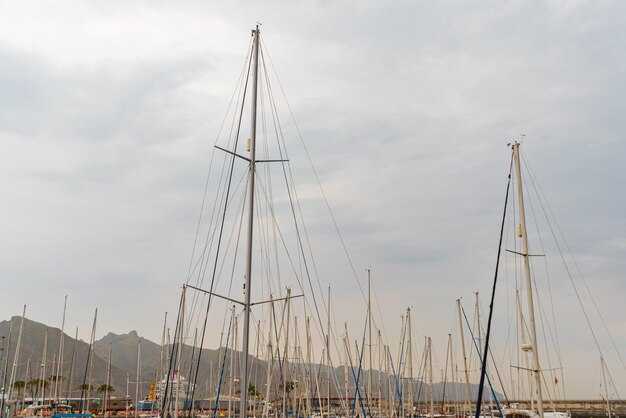
Fractional rigs are the better default for most cruising boats under 40 feet, because they simplify reefing and allow precise mainsail trim. In-depth tuning of halyards and outhauls yields more stable handling in gusts, smoother docking, and a forgiving feel when youre learning. On dinghies and a catboat, the difference is immediate, letting you manage sails without needing a large crew. The setup is extremely durable across a thousand voyages.
Most masthead rigs carry a large genoa, often 130-150% of the foretriangle, which adds substantial sail area forward and boosts light-wind speeds. Fractional rigs use a smaller foretriangle and typically a 100-125% jib, with most power coming from the mainsail. That shift improves balance, reduces weather helm, and makes trim more predictable when gusts run through the rig. A twin-headsail setup on a masthead rig is possible, but adds complexity. A wing mainsail exists on some modern designs to cut drag, and laser-cut fittings on halyards and sheets improve reliability during long voyages.
Handling and reefing ease take a clear edge with fractional rigs. Reefing is cockpit-friendly: you drop one or two reefs in the mainsail and adjust the headsail to maintain balance, which keeps speeds under control during docking in confined spaces. On masthead rigs, the oversized genoa can overpower the boat in gusts, prompting sailors to reef both sails to stay balanced, a process that costs time and attention during close-quarters maneuvers. With a bulb keel or other ballast configurations, the center of effort shifts are easier to manage on a fractional rig, improving overall control without sacrificing durability.
Practical guidance: for most recreational boating and thousand voyages in varied conditions, choose fractional when you want easier handling, faster reefing, and steadier trim–especially in crowded marinas or while docking. Masthead setups shine on designs that routinely sail in light air with long runs or when a very large genoa is desirable for downwind speed, though they require more crew or time to reef and balance. Consider your hull form, keel, and rig height, then pick a system that emphasizes ease of reefing, predictable handling, and smooth trim–whether you sail a dinghy, a catboat, or a larger cruiser that handles modern, extreme conditions with confidence. If you want a flexible option that covers various voyages and speeds, a fractional rig with a 100-110% jib and a full mainsail offers the most versatile performance without complicating docking or tuning.
Sloop Rig: The versatile all-rounder for beginners, cruisers, and racers
Opt for a standard sloop rig with a mainsail and a jib mounted on a single mast. This setup is economical, easy to manage, and adapts to most conditions, therefore it suits beginners, cruisers, and club racers alike.
To cover a wider wind range, keep a choice between a smaller jib and a larger genoa. The genoa increases light-wind drive on cruises and offshore passages, while the smaller jib reduces weather helm and trimming effort in heavy seas. The headsail attaches to the forestay at the front of the mast, and mounting a roller-furler makes quick sail changes possible. For heavy-weather versatility, consider a cutter rig as a secondary option on the same boat, giving you two foresails without sacrificing the simplicity of a sloop when you want it.
Maintenance starts with the basics: inspect halyards, sheets, and the mainsail luff; lubricate the winches; replace worn blocks; and check deck fittings and chainplates. On steel-hulled boats, verify mast step and backing plate integrity; otherwise, maintenance is similar. Before every voyage, confirm the forestay taut, lines run free from the front to the port side, and all fittings mounted securely on port and starboard. Also inspect the shaft and propeller clearances after the dock, especially if you expect shallow waters.
The sloop’s trim options enable agile handling across a wide range of conditions; a spectacular light-wind performance comes with a properly tuned genoa, and a balanced rig keeps you comfortable as breeze rises. Accessories such as a roller-furler, spare sheets, and a reliable windvane add safety and flexibility; the setup remains possible even on older boats, and you can upgrade gradually.
Designs vary, but the core trade-off stays: larger headsails boost speed in light winds; smaller mainsails ease reefing in stronger breeze. A mid-size headsail paired with a medium mainsail gives reliable coverage across each season. For racers, a fractional rig with a taller mast improves upwind performance; for offshore cruising, a well-chosen genoa with a sturdy mainsail provides balance and predictable handling. The port oraz rules of your sailing area influence your choice, so align the rig to expected winds and crewing capacity.
In summary, for starters and seasoned sailors alike, the Sloop Rig remains the versatile all-rounder: simple to manage, scalable through upgrades, and capable in cruises or club races. Maintain the basics, keep a sensible set of accessories, and consider a cutter or larger genoa when your plans include longer offshore passages. Sloops deliver steady control, repeatable handling, and a clear path to improving sailing skills over time.
Cutter Rig: Flexible sail plan for varied winds and long-distance passages
Opt for a cutter rig for flexible sailing in varied winds and for long-distance passages. This configuration keeps you comfortable and allows you to respond quickly to shifts in wind. The entire sail wardrobe serves multiple uses, with a main plus two foresails that can be set or reduced as conditions demand.
- Flexible sail plan: a main, a genoa, and a staysail provide options for every wind strength. You can reef the main, swap to a smaller genoa, or set the staysail for heavy weather, making the rig agile and fast in variable seas.
- Performance balance: the staysail boosts upwind performance and improves weather helm control, while the genoa on light air helps you maintain speed without overloading the hull.
- Handling and comfort: two headsails simplify sail changes at sea, enabling you to enter heavier weather with minimal crew effort and still keep the boat balanced. This approach helps every crew member stay on deck with confidence.
- Durability and hardware: choose well-designed accessories and durable sails; brands entering the market offer robust sheets, halyards, tracks, and winches that support long voyages.
- Every voyage use: the cutter rig shines as a daysailer and on extended passages, providing predictable behavior under a wide range of wind conditions and sea states.
- Rig height options: a tall rig improves light-wind performance, while a lowered mast keeps marina entries simple without sacrificing strength or control.
- Complete sail wardrobe: combine a weather-friendly staysail with a versatile genoa to cover both heavy-weather protection and fast-downwind progress in calm seas.
- Maintenance and design focus: sails designed to hold shape under load and hardware kept well-lubricated reduce downtime and keep performance consistent.
- Modern considerations: if you run hydrofoils or plan to enter high-performance categories, the cutter rig still offers a solid baseline, with loading managed by purpose-built rigging and strong deck hardware. Thus you retain capability without compromising safety.
Choosing this rig, you gain strength in versatility: it supports both long passages and daily cruising, adapts to every season, and remains a practical, durable option that many sailors choose as a complete solution.
Yawl, Ketch, and Brigantine: Multi-mast rigs for balance, deck space, and fatigue management
Rekomendacja: Wybierz kecz ze względu na zrównoważony, elastyczny omasztowanie, które zachowuje przestrzeń na pokładzie i zmniejsza zmęczenie podczas długich rejsów. Istnieją inne konstrukcje wielomasztowe, ale te trzy konfiguracje obejmują żaglówki wykorzystywane w rejsach i imprezach morskich, i są dobrze znane ze względu na stabilne prowadzenie.
-
Jol
- Rozmieszczenie osprzętu wiertniczego: główny maszt z przodu i mniejszy bezan za masztem sterowym. Taki układ zapewnia stabilną równowagę przy zmianach wiatru.
- Cechy konstrukcyjne: Żagiel bezanowy jest zazwyczaj mniejszy, co zapewnia elastyczność refowania bez tłoku na pokładzie dziobowym; kluczowe cechy to bezan, który znajduje się za słupem sterowym, przesuwając pionowo środek wysiłku i zwiększając równowagę.
- Przestrzeń na pokładzie i obsługa: bezafokowy topsel pomaga utrzymać porządek na pokładzie dziobowym, ułatwiając pracę z linami i zwiększając poziom kontroli podczas żeglugi w pojedynkę lub w załodze skromnej liczebnie.
- Praktyczne zastosowanie: szczególnie trwała do długich przelotów i regat pełnomorskich, gdzie ożaglowanie zapewnia elastyczne opcje żeglowania przy zachowaniu łatwości obsługi.
-
Kecz
- Rozmieszczenie osprzętu wiertniczego: główny maszt z przodu, bezan z tyłu. Żagle są głównie wzdłużne, z opcjonalnymi sztakslami przy słabym wietrze; takie rozwiązanie zazwyczaj pozwala na szeroki wachlarz żagli bez przeciążania jednego masztu.
- Równowaga i forma: Rozkład obciążenia żagli utrzymuje ciężar centralny niżej i bardziej centralnie, co zwiększa komfort podczas wacht i zmniejsza zmęczenie załóg składających się z dwóch do czterech osób.
- Przestrzeń pokładowa i operacje: Dwa maszty oddzielają pracę na przednim pokładzie od obsługi bezana, co pomaga podczas dokowania lub kotwiczenia i zapewnia miejsce na sprzęt bezpieczeństwa.
- Praktyczne zastosowanie: popularny wybór na długodystansowe rejsy, znany również z niezawodnej wydajności przy zmiennych prędkościach wiatru i stanach morza, w tym podczas imprez i przepraw przybrzeżnych.
-
Brygantyna
- Rozmieszczenie osprzętu wiertniczego: fokmaszt przenosi żagle rejowe; grotmaszt podtrzymuje żagle gaflowe, zapewniając kombinację, którą można regulować dla prędkości z wiatrem i kontroli pod wiatr.
- Performance: Podział ożaglowania pozwala zwiększyć całkowitą powierzchnię żagli bez przeciążania pojedynczego drzewca, co pomaga utrzymać kontrolę podczas zmian wiatru; przy sprzyjających wiatrach prędkości mogą znacząco wzrosnąć.
- Pokład i załoga: dwa maszty rozkładają liny i osprzęt, zmniejszając zmęczenie; to pomaga podczas rejsów pełnomorskich i kiedy organizujesz małe przedstawienia załogi lub sesje szkoleniowe.
- Interpretacja przepisów dla żeglarzy: brygantyna pozostaje odrębna od slupów, oferując inny sposób pracy i więcej możliwości obsługi zdarzeń przy zachowaniu praktycznej obsługi i trwałości.
Porady dotyczące wyboru i użytkowania ożaglowania wielomasztowego:
- Oceń wielkość swojej załogi i poziom przeszkolenia; kecz lub jol pasują dla dwóch do czterech członków załogi, którzy chcą łatwych zmian żagli i stabilnej równowagi.
- Rozważając uderzenie w płaszczyznę wodną: rozłożenie żagli na dwóch lub więcej masztach obniża maksymalny przechył przy danej prędkości wiatru i poprawia stabilność, zwłaszcza pod pełnymi żaglami.
- Planując przestrzeń na pokładzie: jol i brygantyna zachowują przedni pokład wolny dla kotwic, lin i sprzętu ratunkowego, podczas gdy bezanmaszt lub fokmaszt pozostają schowane.
- Wybierz trwałe okucia: solidne wciągarki, liny i bloki zmniejszają zmęczenie podczas długich rejsów i na wzburzonym morzu; jest to szczególnie ważne na łodziach z żaglami rejowymi lub ciężkim sprzętem.
- Sprawdź potrzeby konserwacyjne: więcej masztów oznacza więcej olinowania do sprawdzenia; zaplanuj regularne kontrole i smarowanie oraz trzymaj części zamienne na pokładzie do rejsów pełnomorskich.
- Przeglądaj zasoby i odniesienia online: strona internetowa może poprowadzić Cię przez różne formy konstrukcji olinowania i omówić znane różnice w wydajności, pomagając Ci wybrać właściwe słowo i zaplanować.
Pytania o równowagę i prędkości? W praktyce, kecz często zapewnia najpłynniejsze przejścia podczas zmian wiatru, jol oferuje doskonałą przestrzeń na pokładzie i ulgę w zmęczeniu, a brygantyna dodaje wszechstronne plany żagli do imprez i szybkich przelotów. Centralna idea pozostaje: rozmieszczenie powierzchni żagli na wielu masztach poprawia stabilność i zapewnia bezpieczeństwo na pokładach, zwłaszcza przy dużych obciążeniach.
Gafle, jolki i inne tradycyjne ożaglowania: Klasyczne rozwiązania, porady dotyczące konserwacji i niszowe zastosowania
Wybierz ożaglowanie gaflowe dla przyczepnej łodzi kabinowej, jeśli zależy ci na szybkiej obsłudze i tradycyjnym wyglądzie. Utrzymuj głowicę gafla w jednej linii z masztem za pomocą solidnej fału i prostego planu refowania; dobrze wyważony profil żagla pozostaje kontrolowany w całym zakresie wiatru i pasuje do małych załóg na przyczepie.
Ożaglowanie gaflowe i lugrowe stawia na prostotę i zwartą konstrukcję kosztem niuansowej kontroli kształtu żagla. Żagiel lugrowy jest lekki i szybko się go podnosi, natomiast żagiel gaflowy dodaje kontrolowaną górną krawędź, która pomaga utrzymać moc przy wzrastającej fali. W przypadku ogólnej żeglugi turystycznej z klasycznym klimatem, te typy ożaglowania oferują niezawodne osiągi, które wielu załogom wydają się atrakcyjne, szczególnie na łagodnych falach i przy stabilnym wietrze. Ważne cechy to łatwość refowania, pokrowce ochronne na żagle i możliwość trymowania z kokpitu bez konieczności dokonywania ciężkich regulacji.
Wskazówki dotyczące konserwacji: co miesiąc sprawdzaj stopę masztu i połączenia maszt-okucia; smaruj lub woskuj punkty obrotu na szczękach gafla; wymieniaj zużyte fały i bloki przed rozpoczęciem sezonu. Sprawdzaj szwy żagli pod kątem zużycia spowodowanego promieniowaniem UV i przeszywaj je w razie potrzeby oraz przechowuj żagle w suchym miejscu, aby zapobiec pleśni. W przypadku drzewc drewnianych regularnie zwężaj i lakieruj maszt, gafel i reję; w przypadku drzewc aluminiowych sprawdzaj okucia i stosuj ochronę antykorozyjną. Równowaga hydrodynamiczna poprawia się, gdy utrzymujesz niski ciężar i masz czysty pokład z linami poprowadzonymi do pojedynczej wciągarki lub małego zestawu dobrych knag, aby podeprzeć takielunek. Nie zaniedbuj przyczepy; zabezpieczaj maszty i drzewca wyściełanymi wspornikami, aby zmniejszyć ich wyginanie podczas jazdy po drogach. Ponadto rutynowo sprawdzaj maszty pod kątem prostoliniowości i wszelkich oznak korozji lub zmęczenia materiału, które mogłyby wpłynąć na prowadzenie przy dużych prędkościach.
Niszowe zastosowania obejmują tradycyjne wyścigi klubowe, przybrzeżne jednodniowe rejsy na katamaranach oraz długodystansowe rejsy po jeziorach, gdzie klasyczna sylwetka dodaje uroku. Zdolność gafli do utrzymywania dużej powierzchni górnej przy umiarkowanych wysokościach masztu oznacza, że możesz utrzymać prędkość, nawet gdy kadłuby są lekkie. Ożaglowanie lugrowe pasuje minimalistycznym załogom, które cenią szybkie stawianie ożaglowania i niższą ogólną wagę olinowania; wielu żeglarzy zgłasza, że lubi refowanie na wodzie i cichy kokpit. Niektórzy żeglarze doceniają skrzydłowy wygląd, gdy żagle są trymowane bardziej płasko na halsie pod wiatr, a estetyka przemawia wraz ze społeczną, sprzyjającą fortunie aurą historycznych ożaglowań.
Praktyczne wskazówki i źródło najlepszych praktyk można znaleźć w podręcznikach klubowych i dziennikach pokładowych, w tym notatkach od tradycyjnych budowniczych łodzi i warsztatów naprawczych. Często pojawia się słowo "word" w listach kontrolnych i notatkach, przypominając załogom o sprawdzeniu fałów, bloków i mocowań przed sezonem. Kluczem jest utrzymywanie czystych linii widzenia olinowania i dopasowanie powierzchni żagla do osiągów kadłuba, aby uniknąć przeciążenia steru podczas skręcania. Poniższa tabela zawiera szybkie porównanie i pomysły na konserwację, które możesz zastosować od razu.
| Typ platformy wiertniczej | Typowe zastosowania | Priorytety konserwacji | Najlepsze kadłuby | Uwagi |
|---|---|---|---|---|
| Gafa | Tradycyjne jachty turystyczne, jachty turystyczne do transportu na przyczepie, kecze. | Sprawdzić zawias gafy, fały, knagi szyjne; odnowić lik linowy; chronić żagle przed słońcem. | Krótki maszt, wygięta rozpórka, silna reja | Wysoka powierzchnia żagla; precyzyjna kontrola górnej krawędzi |
| Ucho | Proste, lekkie ożaglowanie na małych łodziach; wody śródlądowe | Sprawdzić jardy, żagle, liny; przeszyć szwy | Low-cost, easy handling | Fast to rig; requires mindful sheeting |
| Sprits/Other traditional rigs | Heritage craft, niche sailers | UV protection, spar fittings | Varies | Distinctive look; performance varies with hull |