


 Polski
  English (UK)
  Русский
  العربية
  日本語
日本語  한국어
한국어  Magyar
  Türkçe
  Español
  Čeština
  Svenska
  Português
  Ελληνικά
  Suomi
Suomi  Nederlands
  Română
  Italiano
  Français
  Українська
  Deutsch
  简体中文
简体中文  Slovenčina
  Types of Boat Covers – How to Choose the Right Fit for Every Vessel">

Choose a tailored cover that matches your boat’s profile to prevent sagging and protect the interior for the long-term commitment. A precise fit reduces wind stress, keeps cushions in the original finish, and yields better water shedding. When you measure, keep in mind length overall, beam, freeboard, cockpit layout, and engine hatch geometry, then select a fabric that is resistant to UV, salt spray, and mildew.
There are several common types for different vessels: full-boat covers that shield the entire profile, cockpit covers for open boats, bow covers for spray protection, and transom covers for stern areas. For trailerable boats, choose lighter-weight fabrics and secure edges with snaps or straps; for moored boats, a heavier fabric and reinforced seams resist wind. When you’re looking for a fit, favor a tailored shape that aligns with rails, cleats, and hardware to reduce movement and wear.
Material choice matters: pick marine-grade fabrics with a dense weave and high resistance to sun, moisture, and salt. A breathable layer helps prevent condensation, and a tight weave tends to resist tearing. For storm-ready use, select weather-sealed seams and edge protectors to extend the life of the cover and preserve the finish.
Fit and securing methods make the difference between a cover that lasts and one doesnt. Use snaps, adjustable straps, and tight hems to maintain a snug profile. Before you buy, check that the design accommodates hardware such as leaning posts, antennas, and swim platforms; a cover that doesnt fit around these features will rub, crack, or sag.
Maintenance matters: regularly inspect the cover for signs of wear, tears, or fabric thinning; replace worn panels before leaks form. weve learned that storing covers dry and out of direct sun preserves color and flexibility. For a middle-ground option, pick a fabric with moderate weight that resists fading yet remains flexible in cold weather, reducing stiffness and making it easier to achieve a good finish each season.
Dla clear choice, record measurements in inches and compare them to a size chart; if you’re between sizes, go with the larger option and rely on a tailored cut to avoid movement. If you own a floating deck or pontoon, ensure the cover has drainage features and a slight bow to promote runoff; this creates less standing water and extends the life of the fabric.
Boat Covers: Types, Fit, and Damage Checks
Choose a zippered vinyl cover with a snug, tailor-made fit for your boat, and add a wind strap to resist flapping during storms. This setup protects rails, console, and decks without rubbing and loosening in gusts.
Fit matters most. Measure length from bow to stern, note the width at the rails, and map any protrusions such as cleats or grab handles. For british boats with low freeboard, pick a cover labeled for a precise fit and trim to the exact length so that the corners stay taut rather than sagging. These steps meet needs for a secure, long-lasting fit that saves you from chasing adjustments after every trip.
Materials offer different balances. Vinyl provides waterproofing and lasting resistance, while marine-grade polyester resists fading and dries faster after rain. For long trips in sun, choose UV-stabilized fabric that keeps color and strength. If you have a console or rails, a form-fitting design that hugs the console and rails reduces movement and noise, giving you a great, quiet ride.
Damage checks keep costs down. After each season or a long voyage, inspect seams for fray, zipper tracks for kinks, and buckles for wear. Look for soft spots that indicate water intrusion or fabric breakdown; address these fast to avoid a bigger break later. Crawling moisture in seams can signal hidden damage, so run a quick visual and a smooth test of the zipper to catch issues before they become costly repairs.
Maintenance and care. Rinse with fresh water, then soap and a soft brush to remove salt and grime. Avoid harsh cleaners or bleach that can deteriorate fiber; dry the cover completely before storage to save its life. Store in a cool, shaded area to keep color from fading and stitching from cracking. This adds to a unique, long-lasting cover and reminds you to mind the fabric’s flexibility rather than letting it stiffen over time.
| Typ | Fit Tips | Pros | Troska |
|---|---|---|---|
| Zippered vinyl cover | Snug around console and rails; include straps to resist wind | Ultimate water resistance; great durability | Soap and water; air dry to preserve elasticity |
| Elasticated marine-poly cover | Stretch fabric for easy install; space around rails | Lightweight; good breathability | Rinse after use; occasional fabric-safe cleaner |
| Custom-tailored marine fabric | Measured LOA and beam; trim to length | Unique fit for odd hulls; reduces movement | Clean gently; avoid bleach |
| British-market universal | Designed for british boats with low freeboard | Value option; widely available | Verify length and secure with straps |
These options let you choose the ultimate cover that fits your vessel’s needs today. Commit to regular damage checks, and you give your craft reliable protection that withstands crawling weather, long journeys, and routine use while saving time and money in the process.
Measure the Hull: Step-by-Step Size and Fit Checklist
Step 1: Gather tools and set a baseline. Use a quality, flexible tape measure (3 m–6 m), a lightweight notebook, and a water-repellent marker. Check dock conditions and record details for tomorrowour reference, especially when planning long-term storage or weekend maintenance.
Step 2: Measure hull length along the waterline. On calm water, place the start of the tape at the bow tip, run it along the gunwale to the stern tip, following the waterline. Record length along the waterline (LWL). For many vessels, LWL is the best guide to the cover length; add 2–3 inches (5–8 cm) for tolerance so the cover holds without binding.
Step 3: Record widest beam and deck clearance. Measure the beam at the hull’s widest point, typically amidships, and note the distance between the widest points of the hull. Add 2–4 inches (5–10 cm) to include under-rails clearance and any hardware. This helps you choose a cover with sufficient width so no edge chafes or flapping occurs in wind.
Step 4: Check freeboard and vertical clearance. Measure freeboard at bow, midships, and stern by placing the tape vertically from waterline to the highest point of hull near those stations. Record the maximum height; add 6–12 inches (15–30 cm) for a cover that drapes well and can hold rain without sagging. Note under-deck protrusions or fittings that affect the cover fit, such as cleats, rails, or a folded-down bimini.
Step 5: Note hull curvature and station spacing. Take readings at three or more stations across the hull (bow, midship, stern). If the hull widens quickly near the bow or stern, plan a slightly wider cover in those zones. Write down the widest measurement and the station location to guide how the cover will cradle the hull, avoiding tight spots that cause wear.
Step 6: Account for hardware, add-ons, and overhangs. Include rub rails, outboard brackets, swim platforms, and other hardware in your length, width, and height planning. If you have an overhang, measure its projection and include extra length. This step helps you avoid a cover that sits too tight or cannot reach the stern corners.
Step 7: Translate measurements into a size plan. For a practical fit, use these rules: cover length = waterline length + 6–12 inches (15–30 cm) to allow forward and aft overhang; cover width = widest beam + 3–6 inches (7–15 cm) for edge clearance; cover height = max freeboard + 6–12 inches (15–30 cm) for a snug but easy-to-remove fit. These concepts help you anticipate how the fabric sits on the hull, avoiding tight spots.
Step 8: Pick the fabric and style for long-term use. Choose water-repellent, breathable fabric to shed rain while allowing moisture to escape, reducing mold risk. For weekend storage or long-term needs, lightweight options that resist UV and abrasion stay pliable in cool mornings. Seams and hems hold shape, and breathable fabrics help the cover hold its fit, while avoiding unnecessary weight that can accelerate wear at tie points.
Step 9: Final check and documentation. Do a light test fit on the dock; edges sit under rails, straps reach anchor points, and corners stay smooth with a breeze. If something binds, revise the margin by 1–2 inches and recheck. If you arent sure about the margin, adjust again and re-test. Also capture photos for tomorrowour reference and log any adjustments needed for long-term storage or the next weekend.
Fabric Options: Canvas, Polyester, PVC, and Their Uses
For most boat covers, marine-grade PVC-coated polyester is the best match. It delivers rainproof protection, easy cleaning, and a long total life, making it a solid investment for many owners. When choosing length and fit, rely on a dealer or skilled craftsman to ensure a snug wrap that guards hardware and cockpit space. This kind fabric keeps weight manageable and fits a broad range of boat lengths.
PVC-coated fabrics excel in humid conditions, resisting water intrusion and salt spray. They suppress mold growth and limit condensation buildup when used with breathable venting and proper underlayers. Their abrasion resistance and straightforward cleaning help keep costs down, supporting a longer total lifespan with minimal upkeep.
Polyester with a marine-grade coating offers strong UV resistance, color stability, and lighter weight. It tends to dry quickly after rain and is easier to handle during installation, a practical advantage for many shopping trips or dealer visits. When kept in good condition, these fabrics prolong the time between replacements and remain a reliable option for every kind of craft.
Other fabrics include vinyl-backed blends and specialized hybrids designed for high-heat or tropical environments. These choices can be cheaper up front but may need more frequent care to prevent cracking or stiffness in cold weather. Always check marine-grade labels, confirm warranty terms, and compare total cost of ownership before committing, because an informed choice saves money over multiple seasons.
Maintenance tips: keep condensation under control by keeping covers dry and vented; remove bird droppings promptly to avoid staining and damage. Store the boat properly and keep tracks and seams clean to prolong fabric life. These habits help every purchase stay on budget and protect your investment.
Attachment Systems by Boat Type: Bungee Cords, Straps, and Hardware
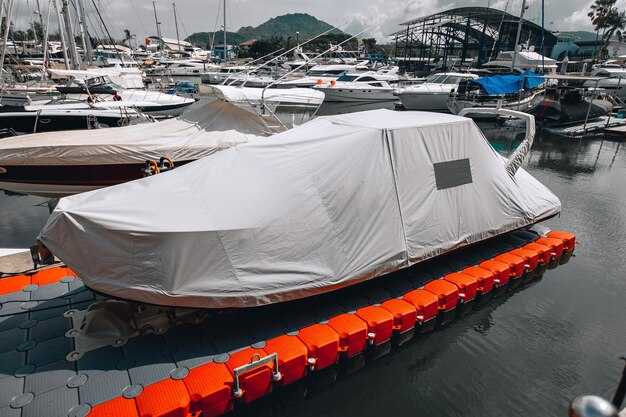
There, for trailerable boats, equip a three-part system: marine-grade hardware at reinforced anchor points, high-strength polyester straps, and a UV-stable bungee backup. This combination can give secure cover retention while resisting high winds, moisture, and debris, and it remains practical in typical marina spaces. This combination makes setup quick and repeatable, helping budget-conscious owners.
Bungee cords offer quick setup for light-duty coverage on smaller craft. Use only marine-grade, UV-stable cords with reinforced ends. They absorb movement and reduce stress on the cover; keep them away from sharp edges and extreme heat. If you see stretch beyond 20‑25%, replace them to maintain water-resistant performance and to minimize moisture and debris intrusion.
Straps provide adjustable, high-tension securing for larger boats. Use polyester straps 1.5–2 inches wide with rust-resistant buckles and a ratchet or cam-style mechanism. They resist moisture and abrasion better than nylon, and their features include easy release for maintenance. For budget-conscious buyers, 2‑inch polyester straps with reinforced stitching offer the best balance of cost and reliability; this is a solid investment for several seasons.
Sprzęt komputerowy includes stainless steel rings, quick-release hooks, and reinforced tie points. Choose marine-grade fittings with resistance to salt, humidity, and temperature swings. Reinforcement at load points prevents flexing and reduces wear on covers and vents. hotshot installers appreciate hardware that speeds setup without sacrificing strength. Local suppliers and reputable brands (including tomorrowour line) provide tested product and service options, which helps you keep a clean, reliable setup.
Boat-type specifics matter: trailerable boats favor quick, visible securing near bow eyes and transoms; sailboats and center consoles benefit from extra reinforcement around mast steps and splash zones; inflatable craft require softer straps to avoid puncture and corrosion-resistant fasteners. Use covers with vents to manage moisture and airflow during storage, and select a system that matches the local climate and typical debris load.
Maintenance keeps the system strong: inspect for corrosion, clean and dry components, remove debris from strap channels, and test tension after transportation. An investment in proper storage and care pays off tomorrowour, keeping boats protected and covers clean season after season.
Weather Shielding: UV Protection, Waterproofing, and Seasonal Care
Choose a lightweight, patented fabric cover with UV inhibitors and breathable panels to block sun while letting moisture escape.
For long seasons of boating, pick a customized cover that fits snugly over the hull and around rails, preventing sun exposure on the paint and reducing wear on the beam. Weve found that breathable panels keep interior air moving and curb condensation on the surface while protecting cleats and fittings.
- UV protection: select a cover with a patented UV-block layer and a reflective exterior to safeguard the surface and paint, while a breathable interior minimizes heat buildup.
- Fit and positioning: align the cover with the center-line to avoid excess stress near rails and exposed edge areas, which reduces the risk of tear and extends life.
- Color and ventilation: opt for a light exterior to reflect sunlight; ensure airflow around those exposed zones to prevent mildew inside the back and around fittings.
Waterproofing and long-term protection require deliberate steps that fit into a seasonal routine. Follow these tips to achieve maximum protection without sacrificing usability.
- Preparation: clean the surface with mild soap and water, rinse thoroughly, and dry completely before installing the cover, especially around cleats and the center-line where water tends to pool.
- Seams and closures: rely on double-stitched or taped seams and a weatherproof edge to keep water out; check for wear at back corners and around rails after every season.
- Attachment and storage: secure the trailer harness and tie-downs evenly, avoid over-tightening to prevent tear, and store the cover in a dry place when not in use to preserve elasticity and color.
Seasonal care routine helps maintain appearance and performance. Use these practical steps to protect very good looking gear and hull paint across seasons.
- Spring check: inspect surface for abrasions, test around cleats and beam connections, and replace worn sections; look for faded paint or exposed fabric that needs attention.
- Summer maintenance: moderate cleaning of the exterior to remove salt and grime, then reapply seam sealant around exposed seams for ongoing waterproofing.
- Autumn and winter: remove debris, clean thoroughly, and allow the cover to dry completely before storage; consider a breathable cover that fits the center-line while remaining compact in the trailer setting.
Following these guidelines helps you avoid damage, maximize lifespan, and keep the cover performing like new across the season. Those routines translate into a safer, more manageable shelter for the boat, protecting the very surface you rely on when you head back to shore.
Damage Check: Inspect Covers for Tears, Fading, and Hardware Wear
Start with a hands-on damage check after each boating season: looking for tears along seams, fading on sun-exposed panels, and hardware wear at strap attachments or zippers. weve seen that loose fabric and frayed stitching signal a patch or replacement is needed. owners who trailer their vessels should inspect around the trailering hardware and along the edges where rubbing occurs, keeping an eye on loose parts that can worsen over time.
Material matters: vinyl covers repel water and mildew but may show bright-sun fading faster; polyester blends stay softer longer and resist shrinking, yet edges can wear with heavy use. Look for reinforced seams and doubled layers at key stress points; soft panels around vents reduce chafe and extend the cover’s life.
Hardware health: advice: inspect grommets, zippers, buckles, straps, and fasteners; tighten loose hardware and replace corroded parts promptly; check threads in reinforced areas where fasteners pass through edges; keep these parts rust-free by washing after salt exposure.
Repair and maintenance: for small tears, apply a reinforced patch from the inside or use seam tape; for fading, consider a color-preserving treatment for vinyl; when signs of wear are widespread, authorized service or a full cover replacement ensures long-term coverage. Keeping up with regular checks supports your commitment to keeping gear in top shape.
Climate and cost: california sun and salt air accelerate wear; keep a log of checks to track trends. whether you keep the vessel in saltwater or freshwater, a well-fitting cover slows deterioration and protects your investment. If you must replace, compare options across vinyl and polyester lines; cheaper choices may fail sooner, while a better reinforced option offers lasting protection, reducing expensive replacements.