


 Polski
  English (UK)
  Русский
  العربية
  日本語
日本語  한국어
한국어  Magyar
  Türkçe
  Español
  Čeština
  Svenska
  Português
  Ελληνικά
  Suomi
Suomi  Nederlands
  Română
  Italiano
  Français
  Українська
  Deutsch
  简体中文
简体中文  Slovenčina
 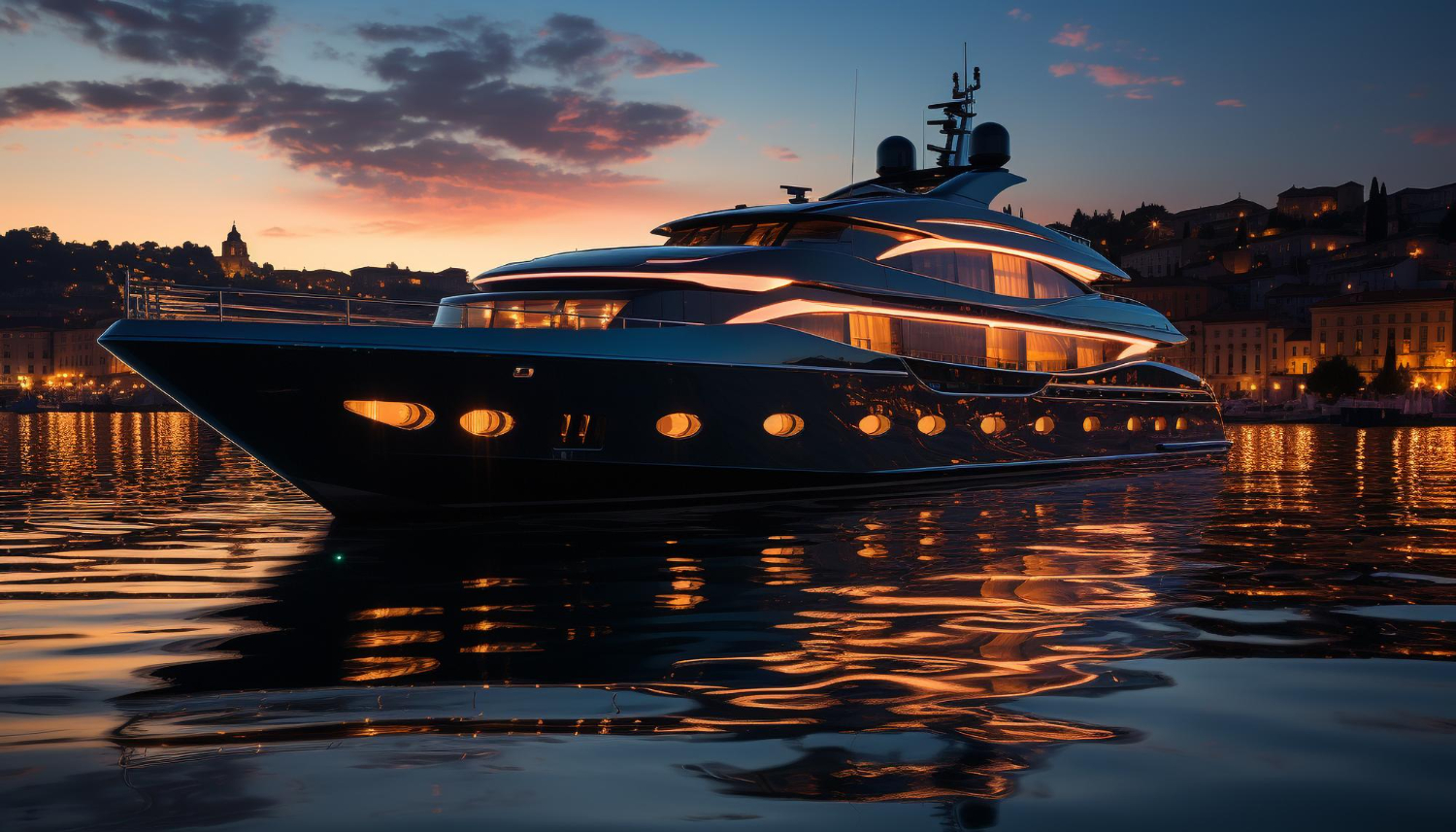 Łodzie nowe czy używane: Która łódź jest dla Ciebie odpowiednia?">

Introduction: Navigating the Waters of Boat Buying
When it comes to choosing the perfect vessel, the age-old question of new or used boats remains a crucial consideration. Whether you’re buying your first boat or upgrading from your current boat, the decision between a brand new boat and a pre-owned one can significantly affect your finances, experience, and peace of mind. Both options come with benefits and drawbacks, and your ideal choice depends on your priorities, usage, and budget.
This guide will walk you through all the essential factors to consider, from price tag and warranties to depreciation and resale value, so you can confidently determine which is the right fit for your boating lifestyle.
Understanding the Pros and Cons of New or Used Boats
Advantages of Buying a New Boat
There’s a unique thrill in buying a new boat straight from the showroom. Not only do you get that fresh, untouched feel, but you also enjoy the latest technology, manufacturer warranties, and the peace of mind that comes with being the first owner.
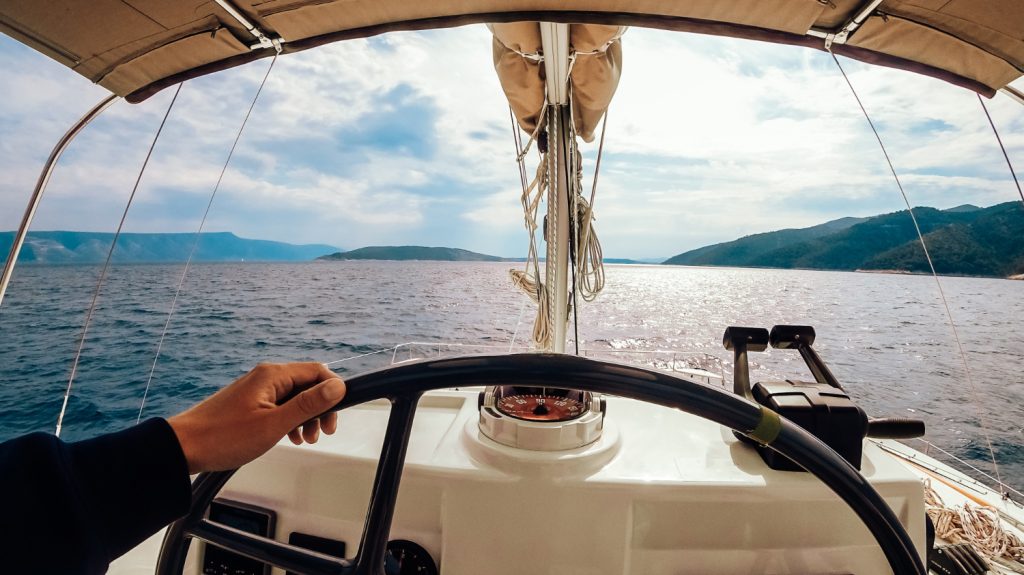
Benefits of a brand new boat:
- Warranty Protection: Most new boats come with full manufacturer warranties, covering structural components, boat motors, and onboard systems.
- Latest Features: You’ll often get access to the latest technology, improved fuel efficiency, and better designs.
- Customization: A brand new boat can be tailored to your exact specifications, whether it’s seating, electronics, or colors.
However, these perks come with a steep upfront cost. The price tag on a new boat can be significantly higher, and just like cars, new boats depreciate quickly, especially in the first few years.
The Case for Buying a Used Boat
Used boats can offer fantastic value—often letting buyers afford a larger or better-equipped model at a lower cost. If you’re savvy and do your homework, a gently used boat can be a great bargain.
Benefits of a used boat:
- Lower Upfront Cost: Pre-owned boats are generally much cheaper than buying a new one.
- Slower Depreciation: Since the initial depreciation has already occurred, used boats tend to hold their value better in the short term.
- More Room in Budget for Upgrades: With money saved on the initial purchase, you might be able to invest in upgrades or gear.
That said, used boats come with risks. Maintenance history might be incomplete, and hidden issues may arise, especially with older models. It’s important to factor in inspection, possible repairs, and whether the boat was well cared for.
Important Factors to Consider Before You Buy
Budget and Financing
Whether you’re looking at new or used boats, your budget is often the biggest influencer. New boats typically come with higher monthly payments but better interest rates and warranties. Used boats might be cheaper initially, but may come with higher repair costs.
Things to consider:
- What’s your maximum budget?
- Will you finance the boat or pay in full?
- Are you considering trade-ins or dealer incentives?
How You Plan to Use the Boat
Think about your goals. Are you planning to cruise on the weekends, fish offshore, or entertain guests? A brand new boat might suit you if you’re looking for the latest amenities and performance. A well-maintained used boat might be perfect for occasional use or budget-conscious boaters.
Match the type of boat to your activities. Some boats are made for speed, others for comfort or sport. Consider your local water conditions and how often you’ll be boating.
The Long-Term Cost of Boat Ownership
Owning a boat is more than just the purchase price. You’ll need to factor in maintenance, fuel, storage, insurance, and registration. In many cases, buying new may reduce maintenance costs for the first few years due to warranties and newer systems. On the other hand, buying used often means more frequent maintenance but lower upfront investment.
Other ongoing costs include:
- Boat slip rental or marina fees
- Winterization and off-season storage
- Routine servicing (especially for older motors)
Over time, these costs can add up, so make sure to weigh the long run expenses before deciding.
Resale Value and Depreciation
One of the biggest differences between a new boat and a used one is depreciation. A brand new boat can lose up to 20-30% of its value in the first year alone. Used boats, especially those 3–5 years old, have already gone through the steepest drop, making them a smarter buy in terms of resale.
Here’s what affects resale value:
- Age and condition of the boat
- Maintenance history
- Type of boat and brand reputation
- Usage hours on the engine
If you’re not planning to hold onto the boat for more than a few years, a used boat may offer a better return on your investment.
The Inspection and Buying Process
What to Check When Buying Used Boats
Used boats require a more careful buying process. Always inspect the hull, engine, electronics, and upholstery. Look for any signs of wear, corrosion, or poor repairs. Ask for maintenance records and if possible, get a marine survey.
Don’t forget the test drive. Just like with cars, a test drive can reveal handling issues or engine trouble.
Dealer vs. Private Seller
Kupno nowej łodzi często wiąże się z współpracą z dealerem. Mogą oni oferować opcje finansowania, przedłużone gwarancje i pakiety serwisowe. Używane łodzie można kupić od dealerów lub sprzedawców prywatnych, ale każda ścieżka ma swoje zalety i wady.
Dealerzy mogą oferować:
- Certyfikowane używane łodzie
- Ograniczone gwarancje na używane statki
- Pomoc finansowa
Sprzedawcy prywatni mogą oferować:
- Niższe ceny
- Elastyczne negocjacje
- Lokalna wiedza na temat historii użytkowania łodzi.
Kiedy Kupić Łódź, aby Otrzymać Najlepszą Ofertę
Sezonowość wpływa na ceny. Późna jesień i zima to często najlepszy czas na zakup nowych lub używanych łodzi, ponieważ dealerzy pozbywają się zapasów, a sprzedawcy prywatni są bardziej elastyczni. Wiosna i lato, kiedy popyt wzrasta, zazwyczaj wiążą się z wyższymi cenami i mniejszą możliwością negocjacji.
Wnioski końcowe – Które rozwiązanie jest odpowiednie dla Ciebie?
Wybór między nową a używaną łodzią zależy ostatecznie od Twojej sytuacji finansowej, celów żeglarskich oraz tolerancji na konserwację. Jeśli szukasz nowoczesnych udogodnień, spokoju ducha i możliwości personalizacji, nowa łódź może być warta inwestycji. Ale jeśli jesteś gotów poświęcić trochę czasu na badania i zaakceptować pewne kompromisy, używana łódź może zaoferować doskonały stosunek jakości do ceny i pomóc Ci szybciej wypłynąć na wodę.
Kluczowe wnioski:
- Nowe łodzie oferują gwarancje, technologie i niezawodność — ale szybko tracą na wartości i kosztują więcej.
- Żygi używane mogą zaoszczędzić pieniądze z góry i lepiej zachowywać wartość — ale mogą wiązać się z ukrytymi problemami.
Nie ma jednej uniwersalnej odpowiedzi. Niezależnie od tego, czy kupujesz nowy, czy rozważasz używany jacht, dokładne przygotowanie jest kluczowe. Oceń swoje potrzeby, dokładnie sprawdź i nie spiesz się z procesem. W ten sposób wkroczysz we własność jachtu z pewnością - niezależnie od tego, czy będzie to lśniący nowy statek, czy sprawdzony używany, gotowy na przygodę.