


 Polski
  English (UK)
  Русский
  العربية
  日本語
日本語  한국어
한국어  Magyar
  Türkçe
  Español
  Čeština
  Svenska
  Português
  Ελληνικά
  Suomi
Suomi  Nederlands
  Română
  Italiano
  Français
  Українська
  Deutsch
  简体中文
简体中文  Slovenčina
 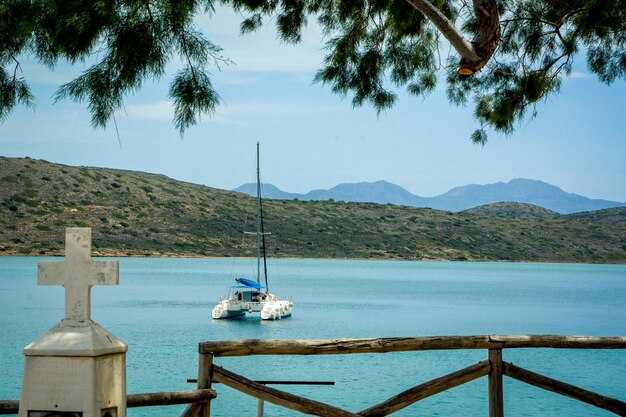 Top 10 Must-Visit Greek Islands by Yacht">

Start your yacht charter in Rhodes and then head north to kalamos and the Cyclades for a balance of ancient sights and modern harbors. This location offers sheltered bays, reliable winds, and short hops between ports, keeping daily legs efficient and the mood upbeat.
From that first anchor, you’ll accumulate wonderful experiences by choosing islands that provide a spectrum of vistas. Each stop presents charming villages, whitewashed alleys, and views of the Aegean coast that fills your days with color and character.
W tym custom plan, kalamos offers quiet coves and pine-fringed shores, with easy anchorages that keep the crew relaxed after long sails. Dock near charming ports, savor fresh seafood, and watch the sunset color the horizon.
Rhodes anchors your itinerary with its medieval old town, fortress walls, and sights reachable from well-equipped marinas. From rhodes you can step to Crete, Milos, Santorini, and Corfu, each offering distinct coastlines and views that resonate with sailors.
When choosing the next leg, prioritize provisioning options, sheltered harbors, and reliable weather windows, because predictable winds save time. A balanced plan alternates longer sails with short hops, taking advantage of Crete’s vast marinas, Milos’s dramatic shores, and Corfu’s green coast. This northern location fills days with opportunities for snorkeling, cuisine, and memorable sunsets.
In short, a well-structured yacht itinerary across these islands offers wonderful contrasts, views that linger, and multiple chances to tailor experiences to your crew’s rhythm. By starting in Rhodes and including kalamos as a reliable anchor, you’ll enjoy a seamless arc of sights and tastes that keep every charter fresh and exciting.
Greek Islands by Yacht: 2025 Marina Costs and Top Destinations
Begin with Paros for the best 2025 marina value and sheltered mooring, then map a gentle loop to enjoy the dusk light and idyllic coves.
Prices vary with season, boat size, and harbor type. For a 12–15 m yacht, expect roughly 70–120 EUR per night in April–June and September–October at municipal or smaller ports; peak-season rates in Mykonos, Santorini, and Rhodes commonly range 250–500 EUR per night. Always confirm rates a few weeks ahead, as dock-side figures shift with demand. Incredibly convenient fuel docks and provisioning options exist in several larger ports, helping you plan without delays.
- Paros – mooring typically 70–120 EUR per night; sheltered harbors near Naousa and Parikia provide easy access to charming cafes and markets. Ideal for a calm first night with straightforward provisioning. If you doubt where to begin, Paros is a safe bet.
- Mykonos – peak-season 200–450 EUR per night; Ornos and Tourlos offer reliable shelter, with a buzzing evening atmosphere and spectacular sunsets. Reserve early, especially for July–August.
- Santorini – 250–500 EUR per night during high season; shelter is solid in Vlychada and near Athinios; plan a dusk visit to the caldera towns for iconic views. Consider using a protected cove if you wish to reduce costs.
- Naxos – 90–140 EUR in shoulder months; 150–230 EUR in main marina zones; generally stable rates, good shelter, and easy provisioning. A chance to combine nature breaks with delectable tavernas.
- Milos – 150–260 EUR depending on berth; spectacular coastline, yachts find good shelter in Pollonia or Adamas; check availability in busy times around July.
- Crete (Heraklion or Chania) – 70–170 EUR; municipal marinas offer solid services, cafes, and versatile anchorages; a superb base for island exploration including ancient sites and sheltered bays.
- Rhodes – 90–180 EUR; a mix of protected docks and larger marinas; winds ease in shoulder seasons and ample tavernas invite relaxed evenings.
- Syros, Sifnos, and Folegandros – 80–150 EUR; relatively quieter spots with sheltered moorings, idyllic anchorages, and welcoming villages for nesting experiences and sunset approaches.
- Delos day-trip potential – a short tender ride from Mykonos; temple ruins and archaeological sites provide a cultural anchor before returning to a marina for the night.
This mix of costs and destinations supports a flexible, incredibly rewarding yacht plan for 2025, balancing affordable mooring with spectacular coastal scenery and authentic Greek charm. Look for times when shoulder seasons keep prices friendlier, then linger in coves that feel sheltered yet incredibly picturesque, especially at dusk and in the evenings.
Island-by-Island Mooring Fees in 2025: What to Expect on Each Island
Book municipal berthing wherever possible and lock in a 2-3 month advance for flotillas in peak season; this keeps charges predictable.
Crete: crete’s main ports, including Heraklion and Chania, offer municipal docks with basic pricing around 40-70 EUR per night for mid-size yachts, rising to 90-120 EUR in July–August. Power adds about 5-15 EUR daily, and services at docks remain modest but reliable. Shoulder-season stays run 30-50 EUR per night, and you gain access to jump-off points for samaria and other destinations again, with cleaner water and easier provisioning. For charters, expect a 10-20% surcharge during peak windows, especially if you join a flotilla.
Santorini: caldera-side berthing balances scenery with cost. Municipal docks along the south coast typically run 100-140 EUR per night in peak season, while private marinas near the volcano-hot spots push 180-260 EUR. Expect higher rates if you aim for the premier side near Oia and Fira, and plan at least 2 nights to enjoy the spectacular views and easy side trips to the volcanic formations. Early bookings can save 15-25% compared to the height of summer.
Mykonos: the island commands premium pricing. Municipal berths near the main port average 110-170 EUR per night for mid-size yachts, with private marinas ranging from 210-350 EUR or more in July–August. Weekends and ferries influence availability, so lock in a slot well in advance. If you sail with a charter or flotilla, expect a small surcharge but also tighter access to convenient docks for late arrivals and side trips to near-by destinations.
Paros: Parikia and Naoussa offer more approachable rates. Municipal berthing hovers around 60-100 EUR per night, while private facilities run 120-180 EUR. Shoulder-season pricing can drop by 20-30%, making early June or late September attractive for couples or small flotillas. Paros still provides reliable access to nearby islands and a straightforward point from which to explore the Cyclades.
Naxos: relatively friendly for yachts, with Naxos Town (Chora) offering municipal docks around 40-70 EUR per night and private berths near 80-120 EUR. You’ll find solid value during May and June, with a modest bump in peak season. The island’s broad beaches and clear waters make it a strong base for charters aiming at the nearby smaller islets and nearby watery reefs for underwater adventures.
Ithaca: Vathi and Frikes maintain predictable rates, typically 50-75 EUR per night at municipal docks and 100-130 EUR at select private berths. Early booking pays off, especially for flotillas seeking steady access to the Ithaca side of the Ionian Sea and easy day trips to neighboring destina tions during calm weather. Expect a modest premium for weekend arrivals in July–August.
Corfu: Gouvia and other municipal quays in Corfu Town offer solid value, generally 60-90 EUR per night for mid-size yachts, with private marinas ranging 120-180 EUR. The Ionian side delivers spectacular cruising options, including nearby underwater features and side excursions to historic points on the coast. In peak weeks, private docks rise by roughly 20-30% above municipal rates, so plan accordingly.
Alonissos: Patitiri and nearby ports present strong value, with municipal berthing around 40-70 EUR per night and private facilities around 90-130 EUR. The National Marine Park adds appeal for wildlife lovers, and the calmer seas during shoulder season translate to lighter berthing competition and better access to the chain of little islands in the reserve, making it a practical anchor point for charters and flotillas alike.
Gyaros: this island offers limited formal marina space; expect basic mooring options or temporary berthing with small fees in the 30-60 EUR range when available. Because facilities are sparse, most yachts anchor or berth near the village area or couple into nearby ports on the opposite side of the channel. Plan for flexibility and book early if you intend to include gyaros in a longer itinerary.
Rhodes: Mandraki and other coastal harbors in Rhodes City present municipal rates around 60-100 EUR per night, with private docks at 120-180 EUR and higher in peak season. Given easy access to ancient sites, beaches, and a broad flight and ferry network, Rhodes remains a practical option for those building a longer yacht itinerary across the Dodecanese.
источник
How Greek Marina Bills Are Structured: Components, Taxes, and Payment Terms
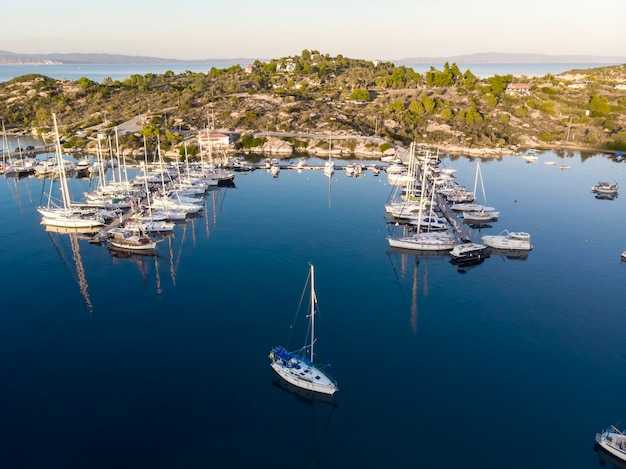
Always request a written, line-item marina bill before docking, and ask for the источник of each charge to avoid surprises. This upfront clarity helps you plan across aegean routes and tourist times, whether you pass ikaria or pace toward the acropolis district in Athens.
A typical marina bill breaks down into berthing fees based on yacht length and stay duration, plus charges for electricity (per kWh), water (per m3), and standard marina services. You’ll see separate lines for security, waste disposal, and general maintenance, with a clear list so you can compare across ports along traditional shores. Keep an eye on whether the rate changes by season, slip type, or power availability, since these affect the total noticeably.
Taxes come as a separate block: VAT on services is added at the standard rate, and some marinas include local municipal or tourist charges during peak visits. The источник of these rules is the Greek Tax Authority, and rates can differ by island and port. Always verify the VAT portion and any extra levies on the receipt before you sign.
Payment terms vary by marina. Some require an upfront deposit or a refundable security hold at check-in; others bill monthly for live-aboards or flotillas. Most marinas accept cards, bank transfers, or cash, with a processing surcharge in busy times. Late payments incur a fine, and due dates are typically tied to departure or the end of the invoiced period. Clarify these details at check-in to prevent pricing surprises.
To manage costs, compare at least three marina options on your chosen island, request a printed, itemized list in advance, and ask about any bundled packages that cover electricity and water. In ikaria or other aegean shores, you may find competitive rates outside the peak season. Packages that include provisioning or laundry can add value for luxury stays, while simple slips keep things straightforward for tourist groups and private charters alike.
Example figures illustrate typical ranges: berthing for a 12 m boat might be €60–€120 per night, electricity €0.40–€0.70 per kWh, and water €2–€5 per m3, with VAT added to service charges. Peak times push totals higher, but some marinas offer discounts for multi-night stays or group flotillas bound for ikaria’s coast. Always confirm exact numbers before signing the receipt.
Secret tip: ask for a multi-night block rate that includes essential utilities, then lock in a fixed daily price for budgeting across routes. A well-organized marina staff can adapt to your itinerary, turning a busy sunshine schedule into a smooth, truly enjoyable stay at sea, with shores, monasteries, and even an acropolis stop all within reach.
Keep the complete list handy and track changes over time so you can compare best options across islands and plan ahead for rainy days or vibrant fiesta times. A well-documented bill helps you manage costs without compromising on the luxury that makes Greek yachting so memorable.
Seasonal Rate Variations: Peak Summer vs Off-Season Across Top Islands
Begin by locking peak-summer rates on marquee islands, then fill your master calendar with shoulder weeks on skiathos, crete, paros, and milos; theres a mix of tranquil anchorages and vibrant villages, and you can keep heat manageable while staying in olive scented air.
To compare efficiently, a simple, human-friendly approach works: track peak vs off-season bareboat and luxury rates by location and marina options. The point is to balance heat and crowding while keeping options easy to arrange; you could test long itineraries and keep costs in check, plus test different patches of breeze in calmer bays. If you doubt the value of off-season sailing, rely on month-by-month data and lists of prices to guide decisions, then begin with a quick table to visualise price differentials across skiathos, santorini, and gyaros.
| Island | Peak Season Bareboat (€ / night) | Off-Season Bareboat (€ / night) | Peak Season Luxury (€ / night) | Off-Season Luxury (€ / night) | Uwagi |
|---|---|---|---|---|---|
| Santori | €450–€800 | €150–€250 | €1000–€1800 | €450–€700 | kolorowe klify, wibrujące opcje przystani morskiej, łatwe przesiadki w porcie |
| Mykonos | €480–€900 | €160–€260 | €1100–€2000 | €500–€750 | ruchliwe porty, potrzebny harmonogram główny, dostępne luksusowe czartery |
| Kreta | 300–550 € | €110–€200 | €700–€1200 | €350–€550 | zróżnicowane zatoki, ścieżki sosnowe i oliwne, plamy cienia |
| Skiatos | €320–€600 | €110–€180 | €800–€1300 | €350–€550 | spokojne zatoki, kolorowe porty, lasy sosnowe |
| Rhodes | €340–€600 | €110–€180 | €750–€1300 | €350–€520 | zabytkowe wsie, porty, gaje oliwne |
| Korfu | €320–€560 | €100–€180 | €700–€1200 | €300–€520 | bogata lokalizacja, przystanie przyjazne rodzinom |
| Naxos | €300–€520 | €90–€150 | €650–€1100 | €280–€450 | gaje oliwne, wiejskie wioski |
| Paros | €320–€540 | €100–€170 | €700–€1200 | €320–€500 | łatwe wycieczki jednodniowe, skupiska marin |
| Milos | €320–€550 | €90–€160 | €700–€1100 | 320–480 € | spokojne zatoki, pomalowane wioski |
| Gyaros (gyaros) | €230–€400 | €80–€140 | €600–€900 | €250–€400 | less crowded ports, patchy ferry service |
источник
Best Ports for Yachting: Berth Availability, Services, and Access
Startuj w Koufonisia, aby zrelaksować się: jej port ma ograniczoną liczbę miejsc i niewielkie przystanie, dlatego czarter z kapitanem pomaga zabezpieczyć miejsce. Biorąc pod uwagę wielkość wielu jachtów, które chcą zwiedzać Cyklady, ten pierwszy przystanek pozostaje kameralny i niezobowiązujący. Oczekuj ograniczonej liczby usług, ale ciesz się tradycyjnymi tawernami i słoneczną atmosferą, która przyciąga entuzjastów relaksu na wyspę. Na pocieszenie spróbuj lokalnej crème brûlée po obiedzie, a następnie zaplanuj swój kolejny ruch z wyraźnym oknem na dni żeglarskie.
Następnie Mykonos i Santorini błyszczą swoją popularnością, jednak berthing pozostaje napięty w szczycie sezonu. Zacznij planować co najmniej 6–12 miesięcy wcześniej; zarezerwuj chronione miejsce w marinie, jeśli Twój rozmiar wynosi do 25–30 m, i rozważ wewnętrzne przystanie, aby zmniejszyć falowanie. Opłaty różnią się w zależności od długości i sezonu; spodziewaj się wyższych stawek w słonecznym środkowym okresie lata oraz w weekendy, kiedy prywatne załogi wypełniają nabrzeża. Sprawdź również ograniczenia dotyczące kotwiczenia w pobliżu tras promowych i postępuj zgodnie z kierunkami policji, aby bezpiecznie dostać się do przystani. Dla załóg z kapitanem, możesz pominąć ciężką pracę i utrzymać płynny harmonogram.
Paros i Naxos równoważą tłumy z odpornością. System doków w Parikii i miasto Naxos oferują solidne usługi: paliwo, wodę, utylizację odpadów, pralnię i przyzwoity Wi‑Fi. Rozmiary miejsc postojowych wahają się od małych do średnich jachtów, a pojemność wzrasta w sezonie głównym. Jeśli planujesz etap początkowy w kierunku Koufonisia, te porty oferują niezawodne zaopatrzenie i rozsądną opłatę za metr, a także łatwy dostęp do tradycyjnych tawern i spokojnych zatoczek po drodze.
Kreta oferuje solidną bazę wypadową dla entuzjastów żeglarstwa. Mariny w Heraklionie i Chanii mogą pochwalić się obszernymi pomostami i kompleksowymi usługami lądowymi, od stoczni naprawczych po przystanki do opróżniania zbiorników i sklepy z zaopatrzeniem. Oczekuj szerokich miejsc postojowych, które pomieszczą duże jachty, a opłaty za dobę zależą od pory roku i długości miejsca postojowego. Praktyczna rada: sprawdź kanały wejścia i okazje pływowe, aby zapewnić płynny dostęp. Bliskość starożytnych miejsc i słonecznego krajobrazu wybrzeża sprawia, że Kreta jest logicznym punktem pośrednim, a w sezonie przejściowym znajdziesz bardziej elastyczne okna dostępu i mniejsze zatłoczenie niż na Cykladach.
Rhodes i Korfu poszerzają opcje dla większych flot. Mandraki na Rodos i Gouvia w pobliżu Korfu obsługują czartery z kapitanem, oferując dużo miejsca przy molo i głęboką wodę. Znajdziesz tu długie, proste nabrzeża zaprojektowane w celu ułatwienia obrotu, statków serwisowych i usług na lądzie, z typowymi ograniczeniami, które łagodzą się poza szczytowymi tygodniami. Połączenie słonecznych plaż, starych murów i tętniącej życiem lokalnej sceny utrzymuje wysoką popularność, a wielkość marin pomaga zapobiegać wąskim gardłom, które dotykają mniejszych portów.
Praktyczne wskazówki dla płynnego planowania trasy: zacznij od planu, który unika szczytowych okresów; zweryfikuj dostępność miejsc postojowych przed przybyciem i potwierdź godziny dostępu z władzami portowymi. Jeśli przewozisz załogę, opcja ze sternikiem często zapewnia lepszy rozkład i ceny, szczególnie w bardziej tradycyjnych portach. Zawsze sprawdzaj aktualne polityki opłat i ograniczenia bezpieczeństwa oraz zachowuj elastyczny harmonogram, aby dostosować się do okien pogodowych i kontroli policyjnych, które mogą wpłynąć na noclegi. Generalnie, najlepsze dni to słoneczne, z lekkim do umiarkowanego wiatru, który sprzyja długim, satysfakcjonującym żeglugom, pozwalając cieszyć się urokiem każdej wyspy na trasie. Aby uniknąć tłoku, unikaj szczytowego przyjazdu i odpływaj o świcie, jeśli to możliwe.
Sposoby na Oszczędzanie Pieniędzy: Redukcja Kosztów Kotwicowania Bez Kompromisów dla Bezpieczeństwa
Zacznij od praktycznego planu, preferując miejsca cumownicze należące do samorządów oraz osłonięte przystanie po Twojej trasie. W Grecji porty komunalne zazwyczaj oferują niższe stawki niż prywatne przystanie, przy czym opłaty za nocleg dla jednostki o długości 12–15 m zwykle wahają się od 25 do 60 €, a w szczycie sezonu wzrastają. Sprawdź, czy stawka obejmuje uzupełnianie wody i podłączenie do prądu i negocjuj blok tygodniowy, jeśli planujesz dłuższy pobyt. To podejście jest szczególnie skuteczne dla tych, którzy żeglują z rodziną i większą załogą, ponieważ utrzymuje przewidywalność kosztów bez kompromisów w zakresie bezpieczeństwa.
Wybieraj meganisi i pobliskie porty gminne, gdy pozwalają na to spokojne wiatry, i szukaj portów, które zapełniają się wcześnie rano. Te przystanki oferują dużo miejsca, krótsze przejazdy tenderami i przyjemną, dobrze osłoniętą atmosferę dla turystów i miejscowych. Gminny przypływ w meganisi często zapewnia niezawodne źródło wody, toalety i urządzenia do usuwania odpadów, co obniża dodatkowe wydatki na usługi w prywatnych dokach. Jeśli pobliski wrak przyciąga nurków lub snorkelerów, trzymaj łodzie z dala od kotwic i przestrzegaj lokalnych wytycznych.
Przyjmij niestandardową konfigurację cumowania: zabierz dodatkową ochronę przed przetarciem, używaj dłuższych lin i utrzymuj porządek na stanowisku, aby zarządzać wypełnieniami i linami. Dobrze rozstawiona kolejka zmniejsza ryzyko podczas gwałtownych podmuchów wiatru, jednocześnie utrzymując spokojne otoczenie dla rodzin na brzegu. Używaj zderzaków, aby uniknąć uszkodzeń i zapobiec ocieraniu się łodzi.
Regularnie dokonuj ponownej oceny co kilka dni: porównuj stawki, pytaj o zniżki za dłuższy pobyt i ustal stałą cenę za prąd i wodę, jeśli to możliwe. W praktyce, rezerwacja na tydzień lub dwa i płacenie z góry często daje niewielki rabat, co pomaga w okresach przejściowych, kiedy wiatry są zmienne.
Zaczynając od bujnego, wspaniałego wybrzeża, możesz obniżyć koszty bez poświęcania bezpieczeństwa, wybierając unikalne przystanki, które oferują wystarczającą ilość udogodnień i bezpieczne kotwicowisko w gminnych portach i małych portach wzdłuż trasy. Te opcje skierowane są do rodzin i turystów, zapewniając przyjemne doświadczenia z dramatycznymi krajobrazami i imponującymi zachodami słońca. Dywersyfikując pobyty i unikając zatłoczonych prywatnych doków, zachowujesz przestrzeń, utrzymujesz przewidywalne koszty kotwiczenia i zapewniasz wysoki poziom bezpieczeństwa podczas całej rejsu.