


 Polski
  English (UK)
  Русский
  العربية
  日本語
日本語  한국어
한국어  Magyar
  Türkçe
  Español
  Čeština
  Svenska
  Português
  Ελληνικά
  Suomi
Suomi  Nederlands
  Română
  Italiano
  Français
  Українська
  Deutsch
  简体中文
简体中文  Slovenčina
  Top 10 Downeast Boats Under $1 Million You Can Buy Today">

Recommendation: target a 40–44 ft Downeast craft from a proven yard; they balance seaworthiness, interior practicality, and resale value. Although some listings need work, choose a model described with a full service history and recent hull, engine, and systems updates.
Ceny today for 38–44 ft Downeast boats under $1 million typically span from about $450,000 to $950,000, with many well-kept examples around $600k–$800k that include updated electronics and engines. This range depends on age, hours, and fit-out quality.
Instructions for the initial assessment: inspect the hull for blistering, check strakes and rub rails, review engine hours and maintenance logs, test electronics, and verify that the generator and HVAC are functional. They should align with the vessel’s stated condition and service records.
Use a broad search throughout major broker sites, where boats are listed with detailed notes and multiple photos. Look for vessels with known resale potential and clear histories; a well-described survey, recent sea trial notes, and a clean title matter when you compare options.
The typical Downeast layout in a day-boat vessel places the captain in a protected wheelhouse and opens to a practical galley and cabin, making long trips with guests comfortable. Among the features to value are beam width, cockpit depth, and stability in chop; these details shape real-world performance.
For readers who want a quick shortlist, filter down to ten candidates that meet two criteria: complete maintenance histories and boats listed under $1 million with recent survey notes. This approach keeps your search focused and avoids overloading results.
When you know where to look and what to ask, the right vessel opens the door to confident negotiations, with a clean title, solid engine condition, and a plan for an efficient, enjoyable season ahead.
Practical buyer’s guide for under-$1M Downeast yachts
Get a full sea trial and a professional pre-purchase survey from a Downeast-savvy surveyor before you buy. Test maneuvering with full fuel and typical load in wind and chop to verify visibility and handling in weather.
Inspect the build: look for a solid epoxy skin, sound stringers, bulkheads, and deck-to-hull joints; check for moisture in core materials. Evaluate interiors for comfortable long-range living: berth sizes, galley footprint, head clearance, and practical storage. Ask for the builder’s notes and proof of strength in the hull; Hewson references or similar quality benchmarks help you know the staying power in heavy seas.
Power and propulsion: under-$1M Downeasts typically come with a single diesel or twin engines. Twin setups improve maneuvering in tight harbors, and can be extremely effective in harbor docking, but add maintenance. Look for volvo engines or other proven platforms; check hours, service history, and recent major components through vendor or survey records. If you see extra gear like a bow thruster or stern thruster, weigh the added upkeep against your needs. Some installations use hylas components for electrical or fuel-management reliability.
Electronics and weather readiness: ensure reliable navigation, VHF, and weather data feeds. Confirm visibility from the helm with proper seating, and ensure deck lighting is adequate for night operations. If you plan to transport the boat by road to a new port, verify the hull clearance and trailer options, and budget for transporting and any required permits. A large cockpit improves maneuvering for guests and crew.
Social and training tips: join facebook groups for Downeast models to compare notes and verify claims with current owners. If you run a school or training program, the layout should support instruction, with easy access to lines and comfortable interiors. Consider the needs of students aboard during dockside sessions, and map out upgrade ideas like epoxy barrier coatings, extra battery capacity, or a weatherproofing plan. Keep a reserve budget for maintenance and spares, so you’re not surprised by engine, plumbing, or rigging needs.
True North and similar sub-$1M profiles: core specs to compare

Choose a 26–28 ft sub-$1M profile with a single, reliable diesel, a downeast-style hull, and a side-to-side cabin to stay dry and practical for todays coastal runs. It’s driven by simple maintenance, robust hardware, and a home-friendly layout that works for a couple or a small family.
Core specs to compare start with length and beam, then check draft and displacement. For todays market, target hull length 26–28 ft, beam 9–11 ft, draft around 2–3 ft, and a ballast-stable keel. A single diesel in the 250–420 hp range powers a wide range of workboat profiles, delivering a reliable, modern ride that looks seaworthy and performs well in chop. Look for a large fuel tank (120–200+ gallons) and a practical water capacity (20–40 gallons), plus a roomy hold with a dedicated compartment for gear. Each model should be designed to keep the crew dry and comfortable, and the finish should stay tight after long trips. If you plan to trailer, confirm the trailer package and tongue weight are specified and compatible with your tow vehicle. Make sure the nswb ballast and displacement figures stay within a safe range for steady performance in both calm and rough seas.
The interior should be designed to maximize storage for a couple or family, with a forward cabin, a mid-ship galley, and a head, plus a large hold under deck. The design keeps compartments tidy, with a home-like finish that resists wear and tear. Look for two or three compartments that can be used for gear, spares, and foul-weather clothing, and ensure the finish holds up in sun and spray.
Building quality matters: choose boats built by builders with solid stringers, proper bulkheads, and proven joinery. The hull should be stable at rest and underway, with a low center of gravity and a secure deck for easy line handling. Driven by a pragmatic workboat ethos, the builds emphasize stiffness and simple systems, with a finish that lasts through seasons of use. A modern helm, reliable electronics, and a clean finish help the boat stay together during long trips, while still delivering Downeast looks that owners value.
Before finalizing, ride a few boats side-by-side, review the compartment access and hold layout from the cockpit and the saloon, and check the overall value by comparing standard gear versus options. Look for great handling, a robust finish, and a reasonable price that keeps you in the game for todays boating plans. The right sub-$1M True North–style profile should perform well, stay comfortable in a chop, and hold its value as you build memories on the water.
Market value drivers: price bands, condition, and inclusions
Set the asking price in one of three bands and anchor it to the vessel’s condition and inclusions. For older Downeast builds with solid hulls but dated systems, target 450,000–600,000; for well-maintained vessels with a fresh survey and updated gear, 600,000–800,000; for premium setups with top electronics and turnkey condition, 800,000–990,000. These bands keep offers comparable and help you resist drift toward underperforming bids. Some buyers in the salish markets evaluate value by proximity to access and the reliability of local banks, which strengthens resale confidence.
Condition is the primary driver beyond age. Inspect hull integrity, keel wear, engine hours, generator, batteries, standing and running rigging on sailboats, electronics, and the state of each compartment. A specified survey with notes on laminate, bulkheads, and stringers reduces risk and speeds closing. Be ready to show a maintenance log, service invoices, and part replacement history; these documents support resale value and help lenders assess collateral. If a hull issue would require major structural work, buyers adjust price accordingly.
Inclusions matter. The following items tend to lift value: radar, chart plotter, autopilot, AIS, VHF, shore power, inverter, watermaker, dinghy with outboard, spare parts, and a robust anchor package. Access to spares and a fully equipped galley pay dividends; named features like a built-in freezer or diesel heater can shift the offer by tens of thousands. The same care you showed in the engine room should appear in the compartments and sections: a clean layout across galley, head, cabin, and bilge. The ellis line remains popular with buyers; some salish-adapted designs also hold value well. fisherman buyers in the region prize a solid deck and clear sightlines. Then ensure the keel bolts show no corrosion and that the deck core is dry; this reduces risk for banks evaluating the loan. Although older boats carry risk, a transparent set of records can broaden access to financing from associated lenders.
Configuration drives value within this market. Compare the same model across boats by hull configuration, deck layout, and keel type; the following sections help buyers assess: foredeck, main deck, cabin areas, engine compartment, and lazarette. A clear diagram listing compartments and part layout speeds decisions. Vessels built by the ellis design line or traditional yards with robust keel designs tend to hold value in the salish environment, while builds with lighter fittings may lag. Always attach a recent survey and high-resolution photos to listings; then lenders see a straightforward package. Access to a complete chain of documentation can help resale outcomes and attract more offers.
Pre-purchase checks: inspection, survey, and seaworthiness for Downeast boats
Hire a certified marine surveyor who specializes in Downeast boats to perform a full hull and mechanical survey before any purchase. Then use the findings to guide negotiations, keep you informed, and share actionable items with the seller or broker.
Four core checks drive a reliable assessment: hull integrity, mechanical health, electrical safety, and stability. Treat the bulkhead, deck, and salish-style details as critical anchors in the field notes you’ll assemble toward the final decision.
- Hull and underwater condition: inspect the hull shape for fairing, cracks, delamination, blisters, and signs of previous repairs. Look at the rudder, prop, shaft, through-hulls, and zincs; confirm they match the boat’s age and the prices you’ve seen for similar models.
- Bulkheads and stringers: test for moisture, soft spots, and water infiltration around bulkheads in the bilge, cockpit, and engine area. A watertight bulkhead system keeps the boat safe in a knockdown and reduces the risk toward capsize.
- Deck and hardware: check deck joints, gunwales, hatches, non-skid surfaces, cleats, and fittings. Ensure the Downeast-style deck layout holds up under spray and does not show flex when you push on corners or run the side-to-side tests.
- Engine and mechanicals: review hours, maintenance logs, service history, and recent parts purchases. Verify that sea water cooling, fuel systems, exhaust, and raw-water lines are free of corrosion and leaks.
- Electrical and systems: inspect wiring, breakers, grounding, battery condition, and the switch panel. Look for signs of moisture intrusion in the bilge and at the bulkheads near the engine room.
- Safety gear and compliance: confirm life jackets, fire extinguisher, flares, and signaling gear meet local standards and county requirements. Note any missing items or expired gear that could affect a quick sale or long-term ownership.
- Seaworthiness indicators: test stability, trim, and ballast distribution. If the boat leans toward a normal heel in moderate waves, it may indicate balance issues or a need for weight redistribution.
- Prevailing build versions: compare the named models and designs from well-known Downeast builders. Assess how the field history of the vessel you’re considering aligns with the four most common configurations and the salish-influenced hull lines.
- Documentation and history: verify the vessel’s title, lien status, and any prior salvage or damage reports. Review the vessel’s flag, home port, and recent surveys if they exist; this helps you know if the price you’re seeing reflects the boat’s condition or a purchased maintenance need.
Sea trial plan to validate seaworthiness:
- Start at idle and then accelerate to planing or cruising speed, observing engine response, exhaust smoke, and unusual vibrations. Note how the boat holds speed and how quickly you can regain control after a maneuver.
- Test steering and helm feedback: evaluate side-to-side power balance, helm stiffness, and rudder response in turns. A sharp, predictable helm is a strong indicator of a sound setup.
- Evaluate trim, bow rise, and stern squat as you accelerate and decelerate. Downeast-style hulls should feel predictable and steady in heavier seas, not flustered by moderate chop.
- Perform a simulated hard maneuver to gauge hull integrity and equipment reaction. Listen for grinding, banging, or misfiring components that could signal misalignment or worn parts.
- Check bilge dryness and pump operation at the end of the trial. If the hold remains damp after a run, pursue a deeper water intrusion check before any purchase decision.
Negotiation and decision tips: keep the scope focused and data-driven. If the survey flags multiple issues, you can request seller corrections or adjust the offered price accordingly. Share the field notes with the broker and compare the smaller Downeast options with hold value toward similar, well-known, purchased units in the same county or region. If a boat shows strong structural integrity and a clean mechanical baseline, you’ll have more leverage to demand fair pricing and longer-term maintenance plans with clear costs for potential upgrades and future parts purchases.
Remember: they rely on a solid hull, sound bulkheads, and reliable systems to withstand offshore conditions. By confirming hull shape, bulkhead integrity, and the salish-inspired design elements, you’ll know you are toward a safer, more predictable downeast-style boat that can perform as promised in the world of nautical vessels.
Power options: engines, fuel burn, and maintenance considerations for sub-$1M yachts
Recommendation: choose a single diesel inboard in the 320–420 hp range for today’s budget Downeast yachts; it keeps the entry price accessible, simplifies maintenance, and preserves resale value in the market which buyers expect.
Engine choices vary, but most sub-$1M Downeasts rely on either a single robust diesel inboard or a matched pair of smaller diesels. A 320–380 hp single delivers cruising speeds around 16–22 knots with a typical burn of 12–18 gph at economical cruise. A twin setup, 180–240 hp per engine, yields 14–18 knots and 20–28 gph total at cruise. Modern common-rail designs stay quiet, clean, and reliable, which means you can plan service around a straightforward maintenance schedule and keep means to resell in good shape. To avoid surprises, keep the hull treated with a proper epoxy barrier coat and inspect stringers where saltwater exposure is highest.
Maintenance considerations matter every season. Oil changes at 100–200 hours or annually, whichever comes first, plus impeller checks and belt inspection, should be on a predictable cadence. Regular zinc protection and cooling-system service prevent corrosion in harsh marine environments, and a simple filter-and-fluid plan reduces downtime. Interiors matter too: a boat that’s outfitted with well‑sealed bulkheads, good shutdown procedures, and knocked-down spray rails tends to stay finished longer and remains distinctly beautiful on the market today. Buyers time and again value a craft with a clean maintenance log, proven parts availability, and a straightforward build that can be kept in great order without specialized tools.
Beckernorthwest highlights that the best-value sub-$1M boats are not just listed as “good enough” but considered as complete packages: epoxy-coated hulls, sturdy interiors, and a thoughtful cockpit layout that supports a cocktail-hour vibe without sacrificing performance. For that reason, look for boats that still show their original build quality, have well‑recorded service, and that were built with resin systems and fasteners rated for salt exposure. If you’re comparing options, note which boats have been outfitted with epoxy protection, regular service history, and easily accessible spare-parts networks–these means real value in today’s market.
Dziś kupujący zwracają również uwagę na długoterminową wartość: łódź jednostronna, która dobrze się prezentuje i może później zostać wyposażona w drugi silnik, utrzymuje otwarte opcje odsprzedaży. Jeśli rozważasz zakup pary silników, upewnij się, że są one wyrównane, a rozkład masy statku zapewnia stabilne prowadzenie przy prędkości rejsowej. Dla tych, którzy cenią elastyczność, projekt, który może zaakceptować przyszłą modernizację bez poważnej przebudowy, oferuje praktyczną drogę do utrzymania wartości w czasie. Idea polega na tym, aby zachować prostą konstrukcję, ale nie oszczędzać na bezpieczeństwie ani niezawodności; przemyślanie wyposażone kokpit, listwy zraszające, które odprowadzają wodę, a nie zatrzymują sól, oraz wnętrza, które pozostają wygodne podczas długich dni na wodzie, wszystko to dodaje wyrazistości atrakcyjnemu pakietowi na rynku poniżej $1M, który jest szczególnie atrakcyjny dla kupujących, którzy nadal cenią dobrze zbudowaną łódź o udowodnionej trwałości. Pomysły z Tumblra dotyczące czystych linii, systemów wymagających niskiego nakładu pracy konserwacyjnej i praktycznych układów mogą przekładać się na rzeczywiste korzyści przy odsprzedaży, gdy listy ofertowe na rynku dzisiaj pokazują łódź, która spełnia te wymagania i jest gotowa na przygody lub relaksujący koktajl na pokładzie.
| Opcja zasilania | Całkowita moc (w przybliżeniu) | Prędkość rejsowa (węzły) | Szacunkowe zużycie paliwa (galony/godzinę, przy prędkości przelotowej) | Notatki dotyczące konserwacji | Pros | Cons |
|---|---|---|---|---|---|---|
| Pojedynczy silnik Diesla z napędem wewnątrz kadłuba | 320–380 KM | 16–22 | 12–18 gph | Smarować co 100–200 h, wirnik i pasy sezonowo, anody cynkowe sprawdzać regularnie; powłoka epoksydowa zwiększa trwałość. | Prosta konserwacja, niższy koszt początkowy, wysoka wartość rezydualna | Ograniczona nadmiarowość; jeśli silnik działa, praca przy wyższych prędkościach na długie dystanse może wpływać na zużycie paliwa. |
| Dwa diesle (2×180–240 KM) | 360–480 hp łącznie | 14–18 | 20–28 gph | Wymieniaj olej oddzielnie co 100–200 h na silnik; więcej prac związanych z węże/wirnikiem; sprawdź integrację z kil/chłodzeniem | Redundancja, wszechstronny zakres prędkości, solidna wartość odsprzedaży dla instalacji podwójnych | Wyższy koszt utrzymania i początkowy koszt; zwiększona waga |
| Dwie silniki zaburtowe (rzadko, 150–200 KM każdy) | 300–400 hp łącznie | 18–25 | 25–40 gph | Regularna obsługa skrzyni korbowej; upewnić się, że prawidłowo działa pochylenie/trim; chłodzenie słodkowodne wymaga uważnego monitorowania | Doskonała zwrotność, potencjalne oszczędności na częściach, mniejsza waga | Dostępność i praktyczność różnią się w zależności od modelu; rynek wtórny bardziej ograniczony w segmencie Downeast |
Znajdowanie ofert i negocjacje: źródła, ramy czasowe i ścieżki finansowania
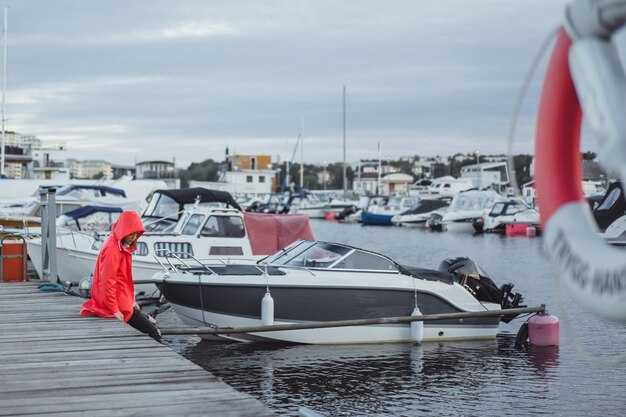
Sprawdzaj katalogi brokerów codziennie i ustaw alert na 24 godziny dla łodzi Downeast poniżej $1M; skontaktuj się z brokerem wystawiającym w ciągu dnia, aby potwierdzić dostępność i umówić się na oględziny, a następnie porównaj co najmniej trzy oferty przed złożeniem propozycji. Miej gotowe, wiążące zatwierdzenie kredytowe, jeśli planujesz finansowanie, abyś mógł szybko zareagować na korzystną okazję.
Priorytetyzuj źródła takie jak główni brokerzy jachtów z aktywnymi liniami Downeast, regionalne stocznie publikujące stan magazynowy oraz ogłoszenia prywatnych właścicieli na zaufanych portalach ogłoszeniowych. Stwórz krótką listę z podziałem na rozmiar i układ kabin, zweryfikuj numery kadłubów i historię serwisową, a także porównaj jakość wykończenia – wnętrza z mahoniu i drewniane listwy wskazują na klasyczne konstrukcje. Podczas oględzin sprawdź uszczelki zanikowe i okienne, a także zwróć uwagę na konstrukcje w stylu Vicem lub inne premium, aby ocenić wartość w porównaniu z opcjami standardowymi.
Przeglądanie i proces due diligence przebiegają szybciej dzięki planowi: zorganizuj próbę morską w spokojnych warunkach, aby przetestować systemy nawigacyjne, reakcję silnika i sterowanie. Poproś o logi dotyczące konserwacji, wcześniejszych ekspozycji na fale i aktualnych obciążeń elektrycznych. Sprawdź kadłub wokół zderzaka i wzdłuż linii pod kątem oznak naprężeń; przejrzyj układy i liczbę kajut dla komfortu pobytu oraz oceń pomieszczenia pomocnicze, aby wspomóc dłuższe podróże. Upewnij się, że stabilność wydaje się solidna, gdy statek leży w zatoce lub kołysze się na fali, i sprawdź, czy nazwa i dokumentacja mogą zostać przeniesione bez opóźnień.
Wskazówki dotyczące negocjacji koncentrują się na jasności i bliskości rzeczywistości: zakotwicz się w niedawnym badaniu i poproś o inspekcję przed zakupem w akredytowanej stoczni. Określ, co jest wliczone (elektronika, wciągarka, części zamienne) i ustal zastrzeżenie, jeśli ulegną awarii krytyczne elementy. Użyj pełnego szacunku, zwięzłej kontroferty, która uwzględnia potrzebne naprawy i godziny silnika i utrzymuj proces w lekkim stylu – krótkie, dobrze udokumentowane warunki często wygrywają szybciej.
Finansowanie tras łączy szybkość i koszt: oferty gotówkowe zamykają się najszybciej, podczas gdy hipoteki morskie lub kredyty na jachty są możliwe dla większych, dobrze utrzymanych jednostek. Zbierz dowód środków, informacje o producencie, identyfikator kadłuba i dokumentację konserwacyjną, aby przyspieszyć underwriting. Oczekuj wyceny morskiej i często próbnego rejsu, aby zadowolić pożyczkodawców; wpłaty początkowe zazwyczaj wahają się w zakresie 20–30% w zależności od rozmiaru i wieku. Planuj okres od 60 do 90 dni od LOI do zamknięcia, jeśli finansowanie jest zaangażowane.
Harmonogramy od zapytania do zamknięcia transakcji różnią się w zależności od stanu i rodzaju pracy związanej z tytułem własności: umawiaj się na oględziny jak najszybciej, zorganizuj przegląd w ciągu 1–2 tygodni od akceptacji oferty, zabezpiecz finansowanie i ubezpieczenie w ciągu 2–4 tygodni oraz sfinalizuj transakcję w ciągu 4–8 tygodni po wyczyszczeniu tytułu własności i rejestracji. Utrzymuj codzienny kontakt z pośrednikiem, potwierdzaj kolejne kroki i dbaj o to, aby proces przebiegał sprawnie, abyś mógł jak najszybciej uznać tę transakcję za swoją.