


 Polski
  English (UK)
  Русский
  العربية
  日本語
日本語  한국어
한국어  Magyar
  Türkçe
  Español
  Čeština
  Svenska
  Português
  Ελληνικά
  Suomi
Suomi  Nederlands
  Română
  Italiano
  Français
  Українська
  Deutsch
  简体中文
简体中文  Slovenčina
 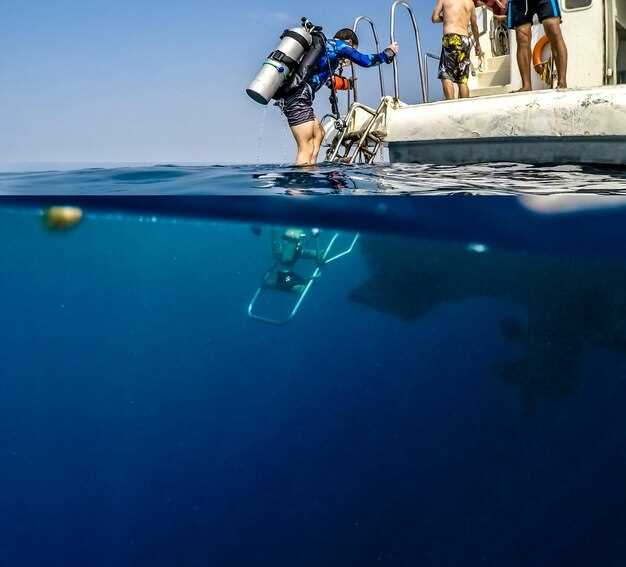 Top 10 Deep Sea Fishing Tips for Tourists">

Start with a concrete move: verify the forecast and ocean conditions before boarding, then align with the crew to keep staying comfortable during the first trip.
On the motion of the boat, stay with your group, listen to the captain’s control cues, and keep weight positioned to absorb heavy swells between land and open water.
Spotted dolphin riding the bow wake signal a real omen; treat wildlife with respect, maintain distance, and never chase or lean over the rail.
Pack special gear: breathable layers, sun protection, non-slip footwear, and a compact personal kit; staying hydrated and shaded is a key for comfort during long trips.
Here is a simple benchmark: arrive near dawn, record exactly what youve learned from the crew about rigging and knots, and apply it on the next trips to keep lines steady and reduce fatigue here.
Learn the routine for waste handling, keep hands clean, and never discard line or bait into the water; that approach reduces hazards for the group and preserves the environment.
Between land and open waters, carry a compact flashlight, a light rain shell, and a whistle; in heavy conditions, have a plan to return to port if conditions worsen.
With these cues, youve shaped your own journey and will return with stories that are real and precise; youve learned how to manage motion, weather, and group dynamics on a memorable trip that stays comfortable, again.
Deep Sea Fishing Guide for Tourists: 10 Tips and 8 Fight Techniques
1. Pre-trip gear check: inspect lines and reels; use 60–80 lb test lines with 80–120 lb fluorocarbon leaders; rig 3–4 setups and carry pliers, lure scissors, and a sharp knife to improve readiness; verify line strength so every pull feels controlled.
2. Boat choice and stance: opt for a stable, non-slip deck craft; a peaceful ride keeps balance when strikes arrive and boosts confidence under pressure.
3. Nearest port watch: check the nearest port forecast and watch winds; pick a window with light breeze and modest swells, then stay adaptable on deck there.
4. Week planning: for a longer, week‑long trip, target multiple species to diversify action and build experience across the trip cadence.
5. Bait spread and checking: spread live bait across several lines; checking baits every 20–30 minutes helps adapt to turning feeding zones and keeps action steady.
6. Rig setup: choose a classic trolling spread with a surface lure and a heavy leader; adjusting rigging reduces line tangles and boosts caught fish, while attracting larger creatures.
7. Fighting stance: stand square, feet shoulder-width apart; when a line goes taut, apply true strength with steady shoulder and hip movement, especially as the fight grows longer.
8. Safety and handling: wear a PFD, clip into a harness during long pulls, and keep hands clear of hooks and a possible gaff to prevent accidents there.
9. Release and respect: undersized catches go back quickly; there is reason there are larger specimens that deserve space, so release without delay.
10. Notes for next week: log depth, bait type, first bite time, and every helpful observation; each entry guides the next trip.
Technique 1: Calibrated reel pull: lower the rod tip, lock steady pressure, and drive with legs to keep line control.
Technique 2: Angle management: keep line angle around 30–45 degrees during the initial run to balance load.
Technique 3: Harness use: clip into a belt harness and stand firm as the fight grows longer.
Technique 4: Stop-and-go pumping: short lifts, then a pause to take up slack and tire the target.
Technique 5: Strike timing: when signs of a strike appear, drop the rod tip and reel with even rhythm.
Technique 6: Leader tuning: swap to 100 lb fluorocarbon if a larger creature appears; stay durable against tougher lines and keep tension steady against brushes.
Technique 7: Crew signals: clear calls about line status, tension, and position near the nearest teammate to avoid tangles.
Technique 8: Endgame landing: guide toward the side of the boat, use a net near the waterline, and rotate your body with the pull.
Choose a Licensed Charter with Gear Included
Choose a licensed charter with gear included; starting your outing with ready tackle saves time and avoids last-minute shop runs. The setup should match their waters and the kind of species you expect.
The licensed operator brings a vetted crew and certified safety gear; this can mean faster confidence and fewer delays on the water. The briefing covers basic boat handling, safety checks, and gear care, so you can focus on the moment and the group dynamic.
When gear is included, you can discuss methods with the captain to fit their waters and the target types; pick from types such as light‑spin, trolling, or bottom rigs. In the morning, calmer waves let you watch line motion and see baitfish gather near the bottom, where the bite often arrives. you’ll sometimes see a strong strike followed by a clean hooked pull, proving the setup works. To attract bites, ensure the lures match bottom structure and current direction.
Here is how to vet a service: verify license status, confirm gear included, check vessel capacity, and ask about the crew’s experience with their waters. If something is missing, mention it here and request substitutions from the shop; plan this yourself. A voyager with groups can share lines and keep every cast productive, allowing you to cover more water without crowding.
Keep expectations practical: gear included should offer enough options to handle multiple conditions; confirm back-up reels and spare hooks, and ask about return policy if gear fails. This way you’ll be ready when your line sings strikes and you’re finally hooked, ready to enjoy the ride and the ride home.
Bring or Rent the Right Tackle for Deep-Sea Species
First recommendation: rent an offshore trolling kit consisting of a 6’6″–7′ rod rated 60–100 lb, a 4,000–6,000-size reel, braided main line 50–80 lb, and a fluorocarbon leader 60–100 lb. Use 8–16 oz weights for mid-depth action; carry 20–40 oz weights for deeper zones in strong currents. This setup yields more control, larger hook-ups, and reliable hold when conditions are unpredictable.
- Guide alignment: consult a guide or charter crew to tailor gear to the expected species, which saves time and increases early success.
- Novice approach: renting a complete package from a trusted shop reduces mismatches in line strength and rod action, boosting confidence on debut trips.
- Groups: when groups share gear, ensure ratings match to avoid tangles; confirm each member uses similar main line strength and reel size.
Check internet reviews of rental outlets; seek intel on current stock, spares, and what baits are included or recommended. When selecting baits, prefer natural options that naturally trigger eating responses; squid chunks, sardine pieces, and cut yellowtail tend to perform well, especially during eating windows.
- Fluorocarbon: a leader in the 60–100 lb range stays invisible in clear water, improving hookup rate.
- Weights and rigging: bring a range from 8 oz up to 40 oz; adjust based on depth, current, and target species.
- Backups: carry extra hooks, pliers, and a spare spool; having a back-up reduces downtime between drops.
During retrieval, focus on technique: hold the rod back to load the rod and maintain tension; staying relaxed helps you react quickly when a bite hits. If a fish pulls hard, gather yourself, adjust depth and baits as intel from the guide or crew suggests; adapting tactics leads to more successful fights, increasing chances of landing larger specimens.
Learn Local Regulations, Permits, and Catch Limits
Check local regulations and book the required permits online at the official regulator site. This keeps your landing compliant and avoids penalties when you return to the dock.
Know the types of authorization that cover saltwater voyages: daily angler license, vessel permit, and event-specific passes. Their rules differ by place, so if youre guiding a crew, each participant may need a license and the boat may require captain credentials. Gather documents, then lock them in before you leave the marina.
Catch limits and size thresholds are set by creature types and may shift with seasons. Theyre listed on the official sheet and sometimes behind a warning on the harbor notice. Always check the surface guidelines posted at the pier or on the regulator site; if a species is protected, that creature must be released immediately behind you. Noncompliance can jeopardize your allowed landings and harm their habitat.
Beginner anglers should focus on true limits before dropping into offshore ventures. A smart approach: know the types of saltwater targets, the surface behavior of their creatures, and the rules that protect them. Experienced sailors appreciate better compliance because it preserves the place behind every trip and keeps work with their teams smooth. Keeping to limits is smart and great practice that reduces risk and keeps the sport fair.
Smart record-keeping: log every landing with date, place, types of creatures, size, and count. If youre unsure about a rule, contact the regulator or consult the official page; staying current protects your crew and the resource. Avoid dropping gear into restricted zones and keep your line within allowed areas. When you focus on these steps, your saltwater expedition becomes better aligned with regulations, and the outcomes are quite reliable.
Time Your Trip: Tides, Weather, and Sea Conditions
Wejdź do wody 60 minut przed przypływem, aby złapać okno odpływu; prądy poruszają się ze stałym ruchem, zwiększając szanse na połowy. Oto wskazówka: pozostań w tej samej strefie przez 20–40 minut, a następnie dryfuj w dół wraz z prądem, utrzymując aktywną wędkę. Tam, gdzie prądy były najsilniejsze, dostosuj prędkość, aby przynęty przesuwały się w strefie brania.
Prognoza wiatru: wybieraj dni z lekkim do umiarkowanego wiatru poniżej 15 mph; podmuchy powyżej 20 mph powodują drobne fale na powierzchni, które utrudniają rzucanie i kontrolę linki. Preferuj poranne lub późno popołudniowe godziny, gdy wiatr słabnie. Jeśli średnia prędkość wiatru w prognozie wzrośnie, pomiń ten okres.
Obecne i rozległe: celuj w krótkofalową falę poniżej 3 stóp lub wzburzenie spowodowane wiatrem poniżej 2 stóp; długa fala o okresie przekraczającym 4 stopy utrudnia nawigację.
Konfiguracja sprzętu: kołowrotek bezprzedni nawinięty sznurkiem o wytrzymałości 60–80 lb; używaj solidnego sprzętu i pary obrotówek; zastosuj mocny lider; zawiąż niezawodne węzły; miej zapasowy żyłkę i dodatkowe haczyki za pudełkiem z przynętami.
Gatunki i przynęty: typy obejmują przynęty jigowe, gumy, woblery i przynęty powierzchniowe; początkujący wędkarze zaczynają od jasnych przynęt, aby zwiększyć widoczność; ćwicz rzucanie do wirów i prądów; obserwuj, jak zachowanie delfinów wpływa na wybór i odpowiednio dostosuj; ucz się od innych, obserwując ich rzuty i taktyki; porady od lokalnych mieszkańców pomagają.
Bezpieczeństwo i technika: każde wyjście rozwija umiejętności; spotykaj się w grupie, aby dzielić zadania; nauka przyspiesza, gdy oglądasz doświadczonych wędkarzy; gdy pojawia się walka z delfinem, utrzymuj napięcie, zwijaj regularnie, unikaj szarpnięć; stopniowe wywieranie nacisku zapewnia czyste holowanie.
Plan podróży: spodziewaj się dryfu na 2–5 mil, w zależności od prądu; zapisuj przebyte mile i taktyki w małym notesie; trzymaj się za reling podczas rzucania; gdy delfiny się zbliżają, zwolnij tempo, obserwuj żyłkę i obracacze, i dostosowuj się na bieżąco; dobre ćwiczenia budują pewność siebie i umiejętności.
Osiem podstawowych technik walki podwodnych ryb dla turystów
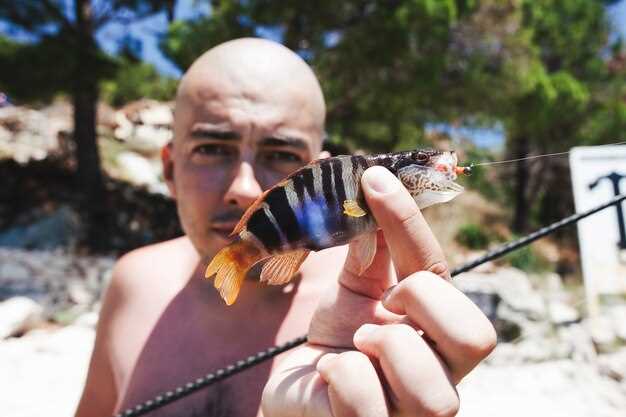
Technika 1: Szybka reakcja na podhaczenie. Ustaw przelotkę na stałym, umiarkowanym poziomie i podbij w momencie podhaczenia. Stań z nogami rozstawionymi na szerokość ramion, biodrami przesuniętymi w stronę wędki i utrzymuj napięty żyłkę. Bazuj na wiedzy lokalnej z wielu wypraw, gdy czujesz szarpnięcie, i unikaj przesadnych reakcji na krótkie ucieczki.
Technika 2: Postawa i dźwignia. Ustaw stopy, zegnij kolana i pochyl ciało w kierunku wędki, aby krzywizna utrzymywała się w blanku. Ta postawa zmniejsza zmęczenie podczas długich wyciągów. Wybierz ubrania z przyczepnością i rękawice z wytrzymałą podszewką; ubieraj się odpowiednio podczas zmian pokładowych i ekspozycji na słońce.
Technika 3: Kontrola żyłki i wyregulowanie hamulca. Utrzymuj stałe napięcie, podnoś żyłkę płynnie, aby zebrać luz, i dopasuj hamulec do wielkości ryby. Jeśli cewka zaczyna syczeć, zmniejsz nacisk odrobinę, jednocześnie utrzymując wystarczające ciśnienie, aby ryba nie kopnęła. Unikaj ślizgania się żyłki i bądź czujny na zmiany w dynamice brania.
Technika 4: Dyscyplina kąta kijkownika. Utrzymuj czubek kija skierowany ku górze, a wygięcie płytkie podczas początkowego holu; pochyl kij pod kątem 20–40 stopni i kręć korbką krótkimi, przemyślanymi ruchami, gdy ryba się zmęczy. Zastanów się nad dźwignią i w którą stronę zmierza ryba, a nie tylko nad ciągiem na twoje ramiona i bądź świadomy swojego oparcia, abyś nie upadł.
Technika 5: Wykorzystanie uprzęży i sprzętu. Do łapania większych okazów, podłącz pas bojowy i, jeśli jest dostępny, krzesło; to rozkłada obciążenie z ramion i barków. Weź odpowiedni sprzęt, w tym mocne rękawice i uprząż, i zablokuj się z ciałem, aby przenieść ciężar przez nogi. Ta konfiguracja pomaga, gdy kapitanowie sygnalizują zmianę kursu.
Technika 6: Obsługa przynęty i rozpoznawanie brań. Podczas używania przynęty, zaciągaj haczykiem krótkim i zdecydowanym ruchem nadgarstka i unikaj nadmiernego pompownia. Obserwuj żyłkę pod kątem subtelnych brani i dostosuj swój czas w zależności od akcji przynęty, uwzględniając każdy ruch, zamiast się spieszyć. Dobre podejście utrzymuje cię w stanie polowania i zwiększa szanse na solidny chwyt, gdy ryba bierze.
Technika 7: Świadomość otoczenia i komunikacja załogi. Utrzymuj synchronizację z innymi w pobliżu, szczególnie z grupą przy bow. Słuchaj kapitanów, podążaj ich kursami i koordynuj, kiedy się wycofać lub puścić żyłkę. Jasne sygnały zmniejszają splątania i zwiększają szansę, że każdy gość wróci z rybą na żyłce.
Technika 8: Lądowanie, wypuszczanie i opieka po połowie. Gdy ryba zbliża się do burty, przejdź do kontrolowanego unoszenia nogami, wyciągnij połów na pokład i obchodź się z nim ostrożnie. Jeśli wypuszczasz, zminimalizuj kontakt i pozostaw rybę w wodzie słonej tylko przez krótki czas; jeśli zatrzymujesz, przygotuj bezpieczny plan, aby ją obalić i prawidłowo schować. Po rejsie sprawdź swoje ubrania i sprzęt pod kątem zużycia i dostosuj je do następnej podróży.