


 Polski
  English (UK)
  Русский
  العربية
  日本語
日本語  한국어
한국어  Magyar
  Türkçe
  Español
  Čeština
  Svenska
  Português
  Ελληνικά
  Suomi
Suomi  Nederlands
  Română
  Italiano
  Français
  Українська
  Deutsch
  简体中文
简体中文  Slovenčina
 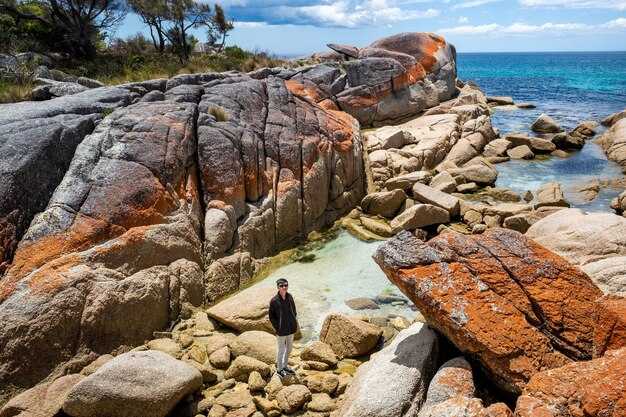 The Whitsundays Travel Information & Planning Guide | Australia">

Book your flights to Airlie Beach now and set aside at least two weeks for island-hopping along the Whitsundays. youll access coastal coves, secluded bays, and unreal horizons across these islands, with ferries, boats, or a scenic flight between hubs.
Base options: Airlie Beach is where most travelers start for budget-friendly guesthouses and ferries; Hamilton Island offers resort perks, or Bowen provides a quieter coastal vibe near the southern gateways. whats the best way to structure your route? Consider a mix of ferries and flights to save time over weeks of exploring. youll want to reserve a couple of island-hopping ferries in advance during peak months, especially on weekends when boats fill up fast.
Seamless travel options include a 15–25 minute seaplane to Heart Reef or Whitehaven Beach, or a helicopter transfer; you can use both options depending on your schedule. If you want to spot giant humpback whales, plan a July–September quest and join a dedicated boat or sail with a crew that monitors whale safety. english signage and guides are common, and youll find bilingual briefings on selected tours.
Pack list: shoes for rocky trails, a swimsuit, reef-safe sunscreen, hat, a waterproof bag, and a small dry bag. Keep cash on hand for island markets, and bring a light rain jacket for tropical showers. On beaches, watch the flags and follow lifeguard instructions; some bays are near strong currents. also bring a compact reef map or offline map on your phone to stay aware of coastal paths and these routes.
These guidelines help you map a practical plan that balances coastal sailing, snorkeling, and island time. Always check updates from operators a day ahead, and stay aware of local conditions. The Whitsundays reward visitors who respect the environment and move with the tides, not against them, keeping your trip unreal from start to finish.
Whitsundays Travel Guide
Book a 3–4 day snorkel-and-sail plan from airlie beach, with at least one night aboard yachts to maximize calm coves, white-sand beaches, and reef view.
Note: prior to departure, check the official website for current jellyfish alerts and sea conditions. The waters around the Whitsundays can host jellyfish in certain months, so wear a stinger suit during peak season and follow safety flags in swim zones. note for travellers: pack reef-safe sunscreen and a lightweight rain jacket.
in september, warm days and clear waters create ideal conditions for snorkel sessions and island view from the deck. If you travel with kids, choose tours that include gentle snorkel stops, short hops between islands, and hands-on activities; these options feel different from party charters and often cost less for families, with special rates for kids. Your hands will stay busy with reef-safe tasks on the boat.
Access options include flying from cairns to the Whitsundays or taking a short road-and-ferry combo from airlie beach; compare operators and book ahead. Most day trips include snorkel gear, life jackets, and a safety briefing; cost often covers lunch and bottled water, with kids discounts widely offered. one thing to plan is your budget for gear and meals.
After your trip, debrief with the crew to capture what stood out and what to adjust down the line. Carry a compact checklist for kids and adults, including sun protection and hydration, and a small dry bag for phones so you can keep your view on the islands uninterrupted.
The Whitsundays Travel Information & Planning Guide Australia; – Go
Book accommodation in Airlie Beach four to six weeks ahead of your holiday to lock in famous stays and solid prices. Early planning gives you space to choose a comfortable base with easy access to the boats and reef tours.
Plan with an expert touch, using tips provided by local operators and backpackers who know the most reliable routes. generally, the best option is to base yourself in a marina-side accommodation or a warehouse-friendly hostel with full kitchen and social spaces. Just as important, stay flexible so you can switch plans if weather shifts.
- Base choices: most tours depart from Airlie Beach or Shute Harbour; staying nearby saves time and reduces daily transit; talk with your mate to pick a location that fits your vibe.
- Timing and sailing: weeks spent charting your route help you fit in sailing between islands, snorkeling with stingrays, and sunset sails; if youre short on time, consider last-minute group charters.
- Packing and gear: clothing should be light and quick-dry; bring enough sun protection, a lightweight layer for evenings, and a compact first-aid kit; you cannot rely on shop stock on every island.
- Budget and meals: stay flexible with meals, use hostel kitchens, and sample local wine during marina dinners; a few splurges are common but plan for a balanced budget.
- Wildlife and safety: follow flags and reef signage, keep distance from wildlife, and avoid touching stingrays or corals; always follow operator briefings for safety.
- Logistics: check international flight timings and visa requirements if hopping across countries; many operators provide equipment and safety debriefs included in the trip.
Reminders: forget last-minute packing chaos; youre better off packing light with room for souvenirs. With a well-planned itinerary spanning several weeks, you’ll enjoy sail days, beach time, and vibrant evenings before you head home. After each day, do a quick debrief to adjust plans for the next day.
Just remember to keep space in your bag for souvenirs, and you’ll leave with stories as famous as the scenery.
How to reach the Whitsundays: flight routes, airports, and ferry connections
Fly into Hamilton Island Airport (HTI) for the quickest entry into the reef region; this option can stand out for travellers aiming to stay on one island or do short transfers. From HTI, specialist transfers and charters connect you to the rest of the Whitsundays with minimal time in transit. If you stayed on hayman or plan to visit Daydream Island as well, hayman is a practical starting point; thats why many travellers choose HTI.
As an alternative, land at Whitsunday Coast Airport (PPP) near Proserpine and drive 45–60 minutes to Airlie Beach, then use ferries to reach the islands. PPP is listed as a practical gateway when you plan multi‑island stays, last-minute itineraries, or a wish to include less‑traveled routes.
International travelers usually fly into Brisbane (BNE) or Cairns (CNS) and then complete the journey with a domestic service to HTI or PPP. Check current schedules and prices by clicking the airline site or app, and confirm any tight connection times.
Air routes and durations vary by season, but you can expect direct services from Brisbane, Sydney, Melbourne, and Cairns to HTI; direct services to PPP run mainly from Brisbane and Cairns. Times range from about 1.5 hours to 3 hours depending on origin. Use a route planner to compare options and choose the best time that fits your schedule.
Ferry connections run from Airlie Beach to Hamilton Island and to other listed islands. Cruise Whitsundays and Whitsunday Transit offer frequent day sailings, with typical trips around 1.5–2.5 hours. Private charters also operate for special groups and can be arranged for hayman island visits or last-minute changes; this is called a private transfer option you can tailor.
For safety and convenience, carry AUD; most operators accept cards, and some smaller operators require cash on board. Pack drinking water and sunscreen, and keep your phone charged to confirm times throughout the day. If you stay on beaches or islands, respect reef guidelines and local rules; your trip can be incredible with careful planning, and your itinerary may include a few class upgrades.
| Entry route | Airport/Port | Transport | Typical duration | Uwagi |
|---|---|---|---|---|
| Brisbane → Hamilton Island | HTI | Direct flight | ≈2 hours | Qantas, Jetstar, Virgin; reliable; last-minute seats vary; listed operators |
| Sydney → Hamilton Island | HTI | Direct flight | ≈2h 40m | Seasonal services; check current schedules |
| Cairns → Hamilton Island | HTI | Direct flight | ≈2 hours | Seasonal; connect via BNE/CNS if needed |
| Brisbane → Whitsunday Coast (Proserpine) | PPP | Direct flight | ≈1h 40m | Gateway to Airlie Beach; transfers to ferries |
| Cairns → Whitsunday Coast (Proserpine) | PPP | Direct flight | ≈1h 30m | Seasonal; ferries to islands listed |
| Airlie Beach → Hamilton Island | Airlie Beach port | Ferry | ≈1h 30m | Cruise Whitsundays; frequent; music on board |
| Hayman Island transfers | hayman | Private charter / shuttle | ≈30–60m | Special services called; suitable for last-minute plans |
Best time to visit: climate, seasons, and packing tips

Plan your Whitsundays trip between May and October to enjoy cooler days, a steady breeze, and calmer seas.
During the dry season, May through October, daytime temperatures sit around 22–28°C and sea temperatures run 23–27°C. Nights stay mild, so bring a light layer. The breeze stays reliable, often 15–25 knots, which makes sailing, boarding a charter, and island hopping comfortable for tourist groups. A little planning here goes a long way, and you’ll stand up to a perfect day on the water with minimal fuss.
Spring shoulder season (September to November) brings rising daytime temperatures, clear water, and excellent reef visibility. This period often offers favorable charter rates and fewer crowds, making it a great time to book a private board or small-group trip with a mate.
From November to April the wet season adds humidity, afternoon showers, and temperatures around 25–32°C. Sea conditions stay inviting, but rain can disrupt crossings and shore excursions. If you went during this period, keep a flexible itinerary and check the forecast daily; thats how you turn weather into opportunity for sunset sails and calm evenings on deck.
Packing tips: bring a swimsuit and quick-dry clothes, a wide-brim hat, UV sunglasses, reef-safe sunscreen, and a light rain jacket. Pack a little extra for onshore stops and boat days, including a dry bag for valuables, water shoes for kayaks or beach landings, and a change of clothes for after-water activities. If you plan to do some stand-up paddling or boarding, include a compact towel and slip-on shoes. For nights on a charter, a warm layer helps when you’re on deck. If you need a breeze-friendly setup, a small daypack keeps essentials within reach while you explore each island stop. Alcohol policies vary by operator, so check your charter’s rules before you plan a BYO setup; you cannot assume all boats permit alcohol aboard. Prepared travelers know that a reserve of plastics and non-glass containers is safer on board.
Money matters: have dollars on hand for small shore purchases, tips, and remote island stalls, but most operators and tourist hubs accept cards. The balance is simple: carry enough cash for those tiny, local buys and rely on cards for bigger payments.
Planning resources: use the link to our guide for a sample itinerary and practical tips. Reserve dates early to secure a place on popular sails or private charters. Based on climate patterns and operator schedules, May and late September often offer the best mix of price and reliability. If you went before, you know how quickly Whitsundays fill up, so start your planning now and tailor the plan to your sail style, whether a relaxed charter or a day on the water with kayaks and coastal stops.
Where to stay: Airlie Beach hotels, island resorts, and budget options
Start with a central Airlie Beach stay for instant access to ferries and tours, with rooms in sizes that fit couples or families.
Look for options with open views, easy access to the marina, and lounges that match your pace so you can move from the esplanade to day cruises without extra transit.
Listed mid-range properties usually balance comfort and value, leaving room in your plan for island trips and sunset sails along the iconic coastline.
To maximize value, book early for peak dates and watch for occasional promotions published by operators; reservations lock in the final price and help avoid last‑minute stress.
For a true island experience, consider island resorts on Hamilton Island, Daydream Island, or Hayman Island, offering a full range of services from pools and spas to guided snorkeling tours; rooms and villas come in larger sizes that suit families and groups.
Budget options in Airlie Beach town include hostels and guesthouses with dorm beds from AUD 25–40 and private rooms typically AUD 70–140; occasional left rooms appear during shoulder seasons, and many places offer free cancellation or flexible terms.
Island resorts command higher rates: expect mid-range rooms from about AUD 350–600 per night, with villas and premium suites climbing beyond AUD 1,000; this level pays back in convenience, tours, and world‑class scenery that feels truly iconic.
Booking tips: compare rates across platforms and check the operator’s site for reservations and space; some deals are published at salessunsailwhitsundayscomau, and booking newsletters can yield final price drops for early planners.
Travelers from zealand often value bundled packages that include ferry transfers and day trips, saving time and reducing price spikes when space is tight on popular days.
Getting around: ferries, shuttles, and on-island transport schedules
Reserve ferry seats and on-island shuttles 2–3 weeks ahead, especially in spring and peak months. This keeps your guests ready and reduces problems on arrival; it takes the guesswork out of the first hours here.
Ferries connect Airlie Beach with Hamilton Island, Daydream Island, and other spots around the archipelago. The operator publishes timetables with departures from roughly 07:00 to 18:00; during peak demand they run every 60–120 minutes, while quieter periods may show 2–3 hour gaps. Cost varies by distance and season; as a rough guide, expect 35–70 AUD per person one way for main routes, and consider a day-pass if you plan multiple hops.
From Hamilton Island Airport or Whitsunday Coast international services, transfers to resort hubs take about 20–30 minutes by shuttle or taxi; pre-booking with the operator ensures a confirmed time window. If you overnight on a yacht, coordinate a timely pickup to avoid delays and enjoy the evening here. If you looked at the timetable recently, you’ll see the same pattern across days.
On-island transport centers on golf buggies and small shuttles. Hotels and resorts run fixed pickup times–09:00, 12:00, and 16:00 for beach and snorkeling excursions–and maps mark pickup points with flags. If you plan an overnight on a yacht, arrange tender transfers to the marina in advance; this reduces waiting and gives you a smoother day.
Snorkeling trips are common, and operator-guided tours provide supervised snorkel sessions at popular spots. Bring your own snorkel gear if possible; otherwise rentals are affordable. Warmer months bring more stinger risk, so wear a suit or rash guard, check local conditions, and stay within supervised groups. Sharks are occasionally seen near outer reefs, but guided trips keep guests safe.
To keep your plan on track, share your itinerary with the operator and guests, and keep a backup plan for rough weather. In spring and early summer, look at back-to-back ferries to maximize time at chosen spots; in winter, schedules tighten but reliability remains. If you arrive via international flights, book airport transfers early and align them with your first snorkeling session or coffee stop on shore, so you’re ready dla dzisiejszych zajęć i time aby cieszyć się nadchodzącymi miesiącami. To podejście sprawdza się zarówno dla gości podróżujących samotnie, jak i w grupach.
Przykładowe trasy: 2-4 dni żeglarstwa w porównaniu z planami opartymi na lądzie
Wybierz 3-dniowy blok żeglarski, a następnie 2 noce na lądzie, aby zrównoważyć czas na morzu z odkryciami lądowymi. To podejście angażuje klientów i daje szansę na odpoczynek pomiędzy etapami. Te trasy nazywane są trasami żeglarskimi, a opcje można znaleźć na salessunsailwhitsundayscomau. Jeśli przybywasz lotem, dodaj dzień buforowy, aby połączyć się z odlotem. Zaaranżuj cały pakiet z wyprzedzeniem, aby zapewnić płynne wakacje i wyeliminować stres dla gości, bez długich opóźnień. Stań na pokładzie o świcie, aby podziwiać ślad i słynne wybrzeża. Plan pozostaje elastyczny i możesz znaleźć wolny czas wieczorami na spontaniczne wizyty.
-
Rejsowa trasa (2-4 dni)
- Dzień 1: Wyjazd z Airlie Beach we wczesnych godzinach rano, weź ster i żegluj w kierunku Hook Island. Stań na pokładzie, aby podziwiać widoki, a następnie skorzystaj z łódki do chronionej zatoki, aby zwiedzić punkty widokowe. Noclegi na pokładzie.
- Dzień 2: Rejs w rejon Whitehaven, słynący z nieskazitelnych plaż. Wybierz się na półdniową wycieczkę brzegową łodzią do punktu widokowego i nadmorskiej jaskini, a następnie zakotwicz w bezpiecznym porcie na noc. Goście mogą odpocząć na pokładzie podczas rejsu o zachodzie słońca, jeśli warunki wiatrowe na to pozwolą.
- Dzień 3: Kieruj się na Wyspę Hamilton lub spokojną kotwicę na Whitsundayach. Ciesz się pełnym dniem na wodzie, a następnie wróć w kierunku Airlie na późny odlot. Noclegi na pokładzie lub pobyt hotelowy na lądzie.
- Dzień 4 (opcjonalnie): Ukończ krótki poranny etap i odpłyń na ląd lub skorzystaj z lotu przesiadkowego. Całe doświadczenie zapewnia solidne podstawy żeglarskie z łatwymi opcjami na lądzie.
- Każdy dzień przynosi świeżą dawkę krajobrazów i dzikiej przyrody, z możliwością odwiedzenia zatoczek i raf po drodze.
-
Naziemna trasa (2-4 dni)
- Dzień 1: Przylot do regionu i zakwaterowanie w Airlie Beach. Zapewnij wcześniejsze rezerwacje hotelowe, a następnie wybierz na półdniową wycieczkę przybrzeżną drogą, a w miarę możliwości szybki transfer łodzią do pobliskiej wyspy (cay) w celu podziwiania widoków. Noclegi w mieście.
- Dzień 2: Zwiedzaj nadmorskie miasteczka drogą, z popołudniem wolnym na targi, posiłki lub obserwację łodzi w marinie. Ten pakiet wakacyjny kładzie nacisk na komfort i elastyczność.
- Dzień 3: Wykorzystaj opcję połowy dnia na zwiedzenie punktów widokowych i rezerwatów morskich; popołudnie można spędzić odwiedzając galerie lub muzea. Odlot następnego ranka z pobliskiego lotniska.
- Dzień 4 (opcjonalnie): Przedłuż pobyt porannym spacerem po przyrodzie, a następnie zorganizuj powrotny transport i dokonaj ostatecznej płatności z konta bankowego.
Gdzie się zakwaterować? Airlie Beach pozostaje centrum wypraw żeglarskich i pobytów na lądzie; Hamilton Island oferuje dostęp do kurortów na dni spędzone na lądzie. W celu zaplanowania podróży, lotniska Proserpine lub Whitsunday Coast są dogodne, a transfery można zorganizować zgodnie z harmonogramem.
Obowiązkowe atrakcje i wycieczki: Whitehaven Beach, wycieczki na rafy, snorkeling
Zarezerwuj całodniową wycieczkę na Whitehaven Beach i rafę koralową. aby zmaksymalizować wartość i czas spędzony na wodzie. Posiadanie dostępu do wielu statki with stable dinghy przenoszenie między kotwicami zapewnia płynną podróż i umożliwia otrzymywanie szczegółowych instrukcji od eksperta. Tempo jest zaprojektowane tak, aby uwzględniało zarówno czas na wodzie, jak i czas na plaży, z bezpieczną strefą nasłonecznienia i elastycznym harmonogramem pomiędzy przystankami, podczas gdy można cieszyć się widokami.
Whitehaven Beach nagradza wczesnych wstańców pudrowatym piaskiem krzemionkowym i krystalicznie czystą wodą. Piasek wydawał się niezwykle drobny pod stopami, a woda wyglądała kusząco po dawnym świetle. Plan podróży obejmuje wycieczkę z przewodnikiem do zatoki Hill Inlet, ważnego miejsca do podziwiania wybrzeża; czas na pływanie i robienie zdjęć. Jeśli podróżujesz w grupach, postój na brzegu z przerwą na degustację wina utrzymuje wszystkich zaangażowanych, jednocześnie ciesząc się widokiem.
Rejsy na rafy wypływają na zewnętrzne rafy, gdzie w spokojne dni widoczność może być znakomita. Sprzęt do snorkelingu, w tym maski i płetwy, jest zapewniony, a kamizelki ratunkowe są dostępne, aby pomóc nowicjuszom utrzymać się na powierzchni. Doświadczony przewodnik udziela wskazówek, jak znaleźć pierwsze formacje koralowe i najlepsze miejsca do obserwacji życia podwodnego – pomiędzy blokami koralowymi często można zobaczyć ryby papugowe, okoniowate i małe rekiny rafowe. Zarówno początkujący, jak i doświadczeni snorkelerzy doceniają krótkie szkolenie dotyczące bezpieczeństwa oraz możliwość przebywania blisko przewodnika.
Bezpieczeństwo jest ważne: bądź świadomy zagrożeń, takich jak ekspozycja na słońce, prądy i nagłe zmiany pogody. Zawsze noś kamizelkę, jeśli zalecano, i pozostań z przewodnikiem na kotwicach; uważnie śledź instruktaż. Zabierz ze sobą krem przeciwsłoneczny, kapelusz, wielorazową butelkę i wodoodporną torbę. Jeśli wiatr się wzmaga, załoga może przejść do osłoniętego miejsca w przeciwnym razie. Jeśli planujesz pobyt na kilka tygodni, zarezerwuj zakwaterowanie w pobliżu Airlie Beach i zarezerwuj loty do Proserpine lub Hamilton Island, aby skrócić przejazdy. Jeśli pogoda się zmieni, większość operatorów oferuje ostateczną kontrolę z możliwością zwrotu lub przełożenia.
Wybierając wycieczkę, porównaj kotwicowiska statków, stosunek załogi do pasażerów oraz czas spędzony na Whitehaven Beach w porównaniu z miejscami na rafie. Przeanalizowaliśmy opcje oferowane przez niezależne firmy; niektóre oferują trasy multisportowe z szefem kuchni na pokładzie i doborowym winem po snorkelingu. Jeśli martwisz się tłumami, poproś o prywatną lub opcję dla małych grup; w przeciwnym razie będziesz dzielił miejsce z innymi osobami. Aby zwiększyć szanse na zobaczenie wielorybów, zaplanuj podróże między czerwcem a październikiem, kiedy stada przepływają wzdłuż wybrzeża.