


 Polski
  English (UK)
  Русский
  العربية
  日本語
日本語  한국어
한국어  Magyar
  Türkçe
  Español
  Čeština
  Svenska
  Português
  Ελληνικά
  Suomi
Suomi  Nederlands
  Română
  Italiano
  Français
  Українська
  Deutsch
  简体中文
简体中文  Slovenčina
  The Adventurer’s Guide to 6 East Coast National Parks – Trails, Drives, and Tips">

Charleston wydaje się sensownym punktem startowym dla 7-dniowa pętla wzdłuż wybrzeża: charleston → Acadia → Shenandoah → Great Smoky Mountains → Everglades → Biscayne → Dry Tortugas, po 1–2 noce w każdym parku i promy zarezerwowane z wyprzedzeniem. W przypadku wyprzedania promów, dostosuj plan, dodając drugą noc w Biscayne lub pomijając Dry Tortugas. Nie przegap tej okazji, aby zacząć od nabrzeża i obserwować wschód słońca nad namorzynami, gdy odpływ się cofa.
Szlaki i drogi wyznaczają rytm: Akadia‘Park Loop Road rozciąga się na 27 mil wzdłuż wybrzeża, oferując widoki na latarnię morską; szlak na wschód słońca na górze Cadillac znajduje się pod 2 miles w obie strony; Skyline Drive w Shenandoah oferuje 169 km dogodne punkty widokowe na łatwe spacery; w Great Smoky Mountains warto wybrać szlak Alum Cave Trail (5,5 mili RT) i krótka trasa Clingmans Dome (0.5 mile utwardzona). Szlak Anhinga w Everglades (1,3 km) przewleka przez tranquil mangrowce z drewnianymi pomostami, które trzymają cię na ścieżce; Biscayne koncentruje się na waterfront spływy kajakowe i kilka spacerów przyrodniczych o długości 3–6 km, a także 2–3 godzinne wycieczki łodzią. Do Dry Tortugas można dostać się promem lub hydroplanem do Fortu Jefferson, z 2–4 godzinną podróżą łodzią; obserwacje flamingów dodadzą koloru Twojemu następnemu dniu na wodzie.
Bezpieczeństwo i tempo: trzymaj się oznaczonych szlaków i przestrzegaj. poza szlakiem ograniczeniach; miej przy sobie co najmniej 2 litry wody na osobę w parkach nadmorskich; w late sezon, noce w Acadia i Great Smoky mogą być chłodne; miej oko na pogodę i powodzie błyskawiczne w Everglades; park systems i posterunki strażników leśnych podają aktualne warunki; spędzaj czas w cieniu podczas największego upału; używaj kremu z filtrem; uważaj na dzikie zwierzęta i nigdy nie karm zwierząt.
Kontekst historyczny i krajobrazowy: Acadia chroni nadbrzeżny przemysł z XIX i XX wieku; Shenandoah i Great Smoky Mountains odzwierciedlają wczesne ruchy konserwatorskie; Everglades’ rzeka traw ukazuje unikalny subtropikalny ekosystem; Biscayne chroni dziedzictwo morskie i tereny podwodne; Dry Tortugas gości historię Fort Jefferson jako nadbrzeżnej fortecy. W przeciwieństwie do Yellowstone, te wybrzeża ukazują odmienny miks terenów podmokłych, namorzynów i wysp barierowych. Jaskinie Kentucky przypominają o kontrastach śródlądowych; jeśli przejdziesz z gór na równiny, możesz prześledzić jak systems kształtowały region.
Następne kroki: zaplanuj swoją trasę za pomocą front zaplanuj, zarezerwuj pozwolenia na wycieczki łodzią po Dry Tortugas i Everglades oraz znajdź zakwaterowanie w pobliżu wejść do parków; następnie rozważ wynajęcie samochodu z przestrzenią ładunkową na sprzęt i niezawodnym GPS; zaplanuj, aby spend 60–90 minut dziennie w pobliżu wody dla odświeżenia, i zarezerwuj tranquil Świt lub zmierzch na obserwację dzikiej przyrody. To doświadczenie łączy przejazdy wzdłuż nadmorskich dróg z wędrówkami po bezdrożach, zapewniając zrównoważony plan podróży.
Park Narodowy Congaree: Przydatne szlaki, trasy samochodowe i wskazówki
Zacznij od Boardwalk Loop o świcie, aby rzucić okiem na zalany las i jego cichą faunę; korony drzew tworzą niską kopułę nad ścieżką, a sceneria ma znaczenie, gdy zmienia się wraz z przypływami. Pętla biegnie mniej więcej 3,9 km i pozostaje najłatwiejszym sposobem na rozpoczęcie dnia, pomagając uniknąć tłumów, które pojawiają się później. Szukaj yellow znaki oznaczające główne rozwidlenia szlaków i trzymaj się drewnianej kładki, która pozostaje stosunkowo sucha, nawet gdy poziom wody się podnosi.
Na dłuższą wyprawę dodaj szlak Bluff Trail do planu i połącz. obok ścieżkę Boardwalk, tworząc połączony obwód. Bluff Trail wspina się na nadrzeczny klif, oferując widoki na Cedar Creek, mijając granitowe znaczniki i wracając na deptak. Weston Lake Loop otacza cię cyprysami błotnymi i obrzeżami bagien, a także stanowi krótszą opcję, idealną dla rodzin. Kingsnake Trail oferuje szybkie połączenie, aby wydłużyć trasę, jeśli przybywasz z korytarza Boardwalk, dając ci variety różnorodność scenerii, która pasuje do różnego tempa i wysiłku.
Trasy samochodowe skupiają się na location niedaleko Columbii w Karolinie Południowej. Z Columbii jedź Bluff Road do wjazdu do parku, a następnie do centrum dla zwiedzających; z Charleston i Atlantic wybrzeża, jedź I-26 do Columbii i kieruj się na Bluff Road; z Atlanty, jedź I-20 do I-26, a następnie Bluff Road. Spodziewaj się 1,5–2 godzin z Columbii i 2,5–3 godzin z Charleston, z dłuższymi przejazdami z innych miast. Po przyjeździe zaparkuj na głównym parkingu w pobliżu entry i idź za tym. żółte znaki na szlaki. To nie Yellowstone; jego subtropikalny, bagnisty teren oferuje inny rodzaj cudu.
Kluczem do udanego dnia są cień, woda i prosty plan. Spakuj lekką kurtkę przeciwdeszczową i środek odstraszający owady, a także weź mały wodoszczelny worek na telefony i klucze. Jeśli wędrujesz z dziećmi, wybierz Weston Lake Loop lub Kingsnake Trail na łatwiejszy początek. Pogoda może się szybko zmienić, i flooding można zamknąć niektóre ścieżki – zawsze trzymaj się oficjalnych tras. Wizyty w dni powszednie pomagają zmniejszyć tłumyoraz people osoby przybywające późno często muszą zmierzyć się z trudniejszym parkowaniem. Proces wejścia jest prosty; przed wyjazdem sprawdź stronę parku, aby potwierdzić aktualne godziny otwarcia bram i ewentualne opłaty. Obszar ten zaprasza co i jak dawkujesz eksplorację, więc dostosuj plan do swojej grupy i pory roku.
Jeśli chodzi o scenerię, Congaree leży w Atlantic równina przybrzeżna, otoczona rzekami i mokradłami, które kształtują jej heritage. Okoliczna historia obejmuje pobliskie plantacje i handel rzeczny, które rozbrzmiewały w całym regionie, a odwiedzający często zauważają, jak ta ziemia ukształtowała lokalnych people ścieżki parku ukazują dome zieleni powyżej, gdzie cypryśniki błotne i drzewa tupelo wznoszą się nad równiną zalewową. co you find here changes with rainfall and water levels, making each visit unique. For outdoor lovers who also paddle, nearby waterways attract boaters when conditions permit, adding another way to experience the landscape alongside stepping through the trails. The entry to understanding Congaree’s heritage is to observe how the forest adapts to seasonal variation, a study you can savor through a careful loop or two in a single day.
Getting There and Parking: Routes, Entrances, and Parking Tips
Plan to reach the main gate by 8:30–9:00 AM on weekends; you will grab a spot in the Visitor Center Lot, then walk to the trailheads. Park signage directs you to the correct entrances, and the short stroll from the lot eases the start of your day. For a smoother start, note the site map markers for the closest parking to your destination.
Routes and entrances: The primary gate sits along the coastal road, with an inland alternative that passes a sanctuary and leads to several trail clusters. Behind the Visitor Center you’ll find a rear lot that reduces crowding on peak days. If you’re arriving from georgia or from a cape region, follow the official signage to the entrance that matches your destination and the routes between the canyon and waterfall viewpoints.
Parking tips: Use only official lots to protect wildlife and traffic flow. If the main parking area fills, use the rear overflow lot behind the visitor facilities or ride the park shuttle from the designated stop. Let your nose guide you to active signs and avoid parking where it’s restricted. In low light, lighting along the walkways helps you spot trailheads and boat ramps for paddling access.
Gear and activities: For paddling or snorkel trips, park near water access points and keep gear ready in a bag in the vehicle. A guided class or ranger-led tour often includes a route briefing, so you’ll know which parking zone to use near your start site. The destination may feature a cape overlook, a mount trail, and a sanctuary where wildlife thrives. The canyon and waterfall viewpoints offer photogenic moments and shade on hot days. The site boasts century pines along the canyon trail and offers lighting that makes early-morning photos amazing.
Pro tips: From georgia, take the coastal route toward the capes and headlands; the trip between entrances helps you plan stops at key sites. royale signage may appear near some lots–use it only if it’s listed on the official map to avoid misparking. Check the day’s alerts on the official site before you head out to ensure you’re parked near your chosen start site.
Boardwalk Loop and Short Trails: Distances, Conditions, and Highlights
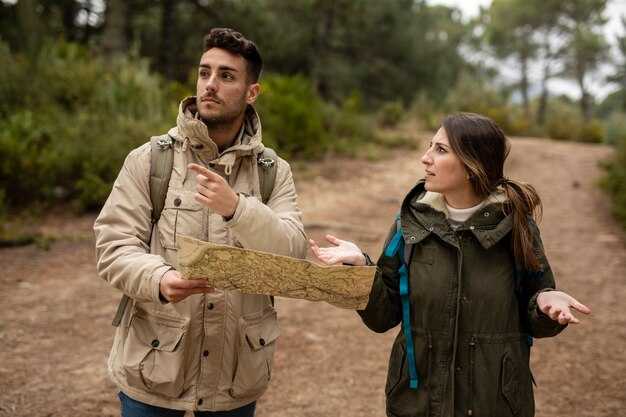
Start with the Boardwalk Loop first: a 1.2-mile flat circuit along the inlet that stays safe and truly authentic. The west-facing route offers multiple viewpoints for water reflections, birds seen along the shore, and a clear sense of the coast.
Distance options let you tailor the stroll: add a 0.5-mile half extension to a viewpoints deck, with tall grasses framing the water, bringing the total to about 1.7 miles; or connect with two short trails of 0.4 miles and 0.6 miles, for a maximum of roughly 2.2 miles. You can complete the loop alone in under an hour or push to about 90 minutes with the detours.
Conditions stay favorable when you go early or late in the day; the surface is flat and well maintained, but after rain the boards can be slick, so wear non-slip footwear and stay on the marked path for safety. If you’re bringing kids or a rental bike, proceed slowly along the down sections where the boards meet root mats.
Highlights include sighting waves of shorebirds, glimpses of granite features, and leaves turning color along the neuse estuary; the early light can tint water with borealis-like hues, and the whole route feels like a jewel on the coast. It’s a truly authentic tour you can enjoy at a relaxed class level–perfect for first-timers and repeat visitors alike.
Practical tips: bring water, sunscreen, and a lightweight layer because wind off the inlet shifts quickly. If you want more, an option is to rent gear and add kayaking along the inlet after you finish the loop; a rental boat lets you explore downriver and see birds from a different angle. They often pair a boardwalk stroll with a downtown meal in nearby towns, including washington or charleston, depending on your route. This combination makes a great day trip and suits ones who crave a short, scenic escape.
From a traveler’s perspective, plan to come when daylight lasts longer; the largest coastal jewel is easiest to appreciate with a calm afternoon, and you’ll be surprised how much you can see in a couple of times. If you’re coming from washington or charleston, start near the boardwalk and end with a quick stroll through downtown bayside streets before heading back. The boardwalk loop delivers a safe, accessible, and authentic taste of 6 East Coast National Parks that you’ll want to repeat–perhaps more than once in a single trip.
What to Pack for a Congaree Visit: Gear, Clothing, and Hydration
Start with a compact rain shell and sturdy, waterproof footwear. When the weather shifts, you want gear that moves with you through mud, humidity, and sudden showers while you stay comfortable on long paths that weave through nature.
Gear essentials keep you inside the park and around the boardwalk ready for anything. A dry bag, a compact daypack, a map of the reserve, and a headlamp with extra batteries form the core. If you’ve enjoyed trips in maine or at brandywine sites, you’ll recognize the same logic that keeps you organized around the trails which include stream crossings. A water purifier or purification tablets, insect protection, and a small multifunction tool round out the kit. A cute, compact rain cover for your pack helps too.
- Dry bag or zip-top pouch for electronics and a spare change of clothes
- Lightweight daypack with a rain cover (cute and practical)
- Headlamp with extra batteries
- Map, compass, or offline maps on your phone
- Small first-aid kit, blister care, and backup tape
- Water purification option (tablet or small filter)
- Insect protection: repellent, long sleeves, hat
- Energy snacks: nuts, dried fruit, jerky
- Water bottle or collapsible bottle (2–3 liters total capacity)
- Compact towel and a sealable bag for damp gear
Clothing choices help you stay comfortable as conditions swing from shaded green canopies to open, sunny stretches. Pack breathable moisture-wicking base layers, a long-sleeve shirt, convertible or quick-dry pants, and a light, waterproof shell for rain. Add a warm layer for chilly mornings, plus socks and footwear suitable for swampy footing.
- Base layers: breathable top and bottom
- Long-sleeve shirt and pants for bug protection
- Shell: breathable, waterproof
- Sturdy hiking shoes or boots; gaiters for mud or standing water
- Wide-brim hat, sunglasses, SPF sunscreen
Keep an eye out for a pond along the route; springs and creek edges sometimes produce uncertain water, so treat every drop.
Hydration strategy keeps you functioning in humidity and around water features. Start with 2 liters per person for a half-day, and 3–4 liters for a full day. If you refill from natural sources, use a purifier or tablets; crystal water may look clean, however, it still requires treatment. Ponds, springs, and creeks provide potential sources, but verify conditions and laws before drinking.
- Water bottle or hydration reservoir with easy access
- Electrolyte packets or tablets to maintain salts and energy
Extras and safety tips help you stay prepared for changing conditions. A compact towel, spare socks, zip-top bags, and a whistle definitely boost readiness. Note that some seasonal sections may be closed after heavy rains; check park alerts before you head out. If you plan an 11-mile day, pack extra snacks, shade breaks, and definitely tell a friend or family member where you’re going in case you’re alone. Birds bursting into song greet you around the valleys and along the creek, and the tallest trees in the rolling canopy provide shade and shelter as you explore. Your setup should definitely support you to enjoy every moment of this park’s beauty, which provides a chance to connect with nature at its best.
Best Time to Visit Congaree: Flood Cycles, Weather, and Crowd Patterns
Visit late October to early November for the best balance of mild temperatures, light crowds, and minimal flood risk. If you prefer spring, plan for early March to mid-April when the leaf color returns and daily wildlife activity ramps up.
Flood cycles in Congaree follow heavy rains and squally fronts from the Atlantic, and these floods are called freshets. They can rise within days after a storm, sometimes closing boardwalks and riverside trails. Check the daily park alerts before you go and follow updates from the visitor center. A ranger named John often shares updates, so you can plan access accordingly.
Weather in fall and spring offers comfortable mornings and pleasant afternoons: mornings around 50–65°F and afternoons in the 70s to near 80s°F are common, with humidity easing after rain. Summer brings much heat and mosquitoes, while winter stays cool but can offer blue-sky days. Throughout the year, squally fronts from the Atlantic can roll in; you may experience a quick shower or drizzle followed by blue skies later in the day, so pack a light rain layer.
Crowd patterns show a clear split: weekdays are quieter, making it easier to find quiet trails and cove-like river views, while weekends draw more families and day-trippers. If you’re itching for solitude, aim for a weekday morning and a short afternoon venture along the boardwalk. For a longer visit, plan 1–2 days to follow a loop that stays within easy access to the waterfront and Cedar Creek areas.
Practical tips: Access to main restrooms is reliable at the Harry Hampton Visitor Center and near the Bluff Trailhead; some remote sections may close after floods. Bring car keys and a dry bag for electronics; pack light but bring water, sun protection, and a compact rain shell. The Cedar Creek area offers small coves and leaf shade that are ideal for a relaxed rest stop; totally worth slowing your pace to savor the quiet. If you’re routing a broader trip along America’s Atlantic coast, Virginia and the northeast offer coastal detours with lighthouses and waterfront marinas–a nice counterpoint to Congaree’s blue-green canopies, and a chance to extend the venture for days or even a weekend away. Within a few days of rain, watch for changing conditions and be ready to adjust your plan.
| Season | Typowa pogoda | Flood Risk | Crowd Pattern | Best Activities/Notes |
|---|---|---|---|---|
| Fall (Sept–Nov) | Mild days; cool mornings | Niskie do umiarkowanych; możliwe szkwały na frontach | Małe natężenie w dni powszednie; umiarkowane w weekendy. | Spacery po promenadzie, kolor liści, obserwacja dzikiej przyrody |
| Winter (Dec–Feb) | Od chłodnego do łagodnego; słoneczne dni | Low | Cicho; mniej gości | Programy strażników, krótkie wędrówki |
| Spring (Mar–May) | Ciepłe popołudnia; wilgotność wzrasta | Umiarkowane ryzyko powodzi po deszczach | Może być zajęty w weekendy. | Obserwacja ptaków, obserwacja dzikiej przyrody, widoki na rzekę |
| Summer (Jun–Aug) | Gorąco, wilgotno; komary | Wyższe ryzyko powodzi po burzach | Największe tłumy w weekendy | Poranne szlaki; przerwy na cień i wodę |
Bezpieczeństwo, przepisy i spotkania z dziką fauną i florą: zasady, zagrożenia na rzece i zasada "Nie zostawiaj śladów"
Noś jaskrawopomarańczową kamizelkę ratunkową podczas pływania kajakiem lub canoe i miej gwizdek w zasięgu ręki; przed wizytą sprawdź oficjalne przepisy i wymagania dotyczące zezwoleń na stronie parku.
Przygotuj się, tworząc przejrzysty plan dnia: wybierz odcinek do pokonania, taki jak 18-kilometrowy fragment lub trasa na pół dnia, i podziel się swoją częścią planu z partnerem lub personelem parku. Spakuj warstwy termiczne na chłodne poranki oraz buffa chroniącego przed słońcem i wiatrem, a także zabierz dużo wody i przekąsek, aby zachować nawodnienie i koncentrację.
- Zasady i przepisy: należy przestrzegać oficjalnych wytycznych parku dotyczących zezwoleń, biwakowania, dronów i zwierząt domowych. Korzystaj z wyznaczonych miejsc wodowania i wyciągania łodzi, respektuj ogłoszone zamknięcia i zachowuj ciszę, aby nie płoszyć dzikiej zwierzyny. Przed wyjazdem zawsze sprawdź aktualne przepisy online i zabierz ze sobą mapę oraz kompas jako zabezpieczenie.
- Zagrożenia i bezpieczeństwo na rzece: zbadaj brzeg przed wpłynięciem na jakikolwiek odcinek, zwłaszcza w pobliżu kamienistych źródeł lub zacienionych bystrzy. Jeśli woda wygląda na brązową lub jest wysoka, unikaj spływów po bystrzach i wybierz spokojne kanały. Trzymaj się swojej grupy, utrzymuj równe wiosłowanie i nigdy nie pozwalaj dzieciom pływać bez zabezpieczenia; w silnych prądach, natychmiast wyjdź na brzeg w razie wywrotki, płyń nogami do przodu i kieruj się w stronę bezpiecznego brzegu.
- Spotkania z dziką fauną: obserwuj z dystansu i nie dokarmiaj dzikich zwierząt. Trzymaj zwierzęta domowe na smyczy w pobliżu pól lub brzegów stawów i zapewnij ssakom, ptakom i gadom wystarczająco dużo przestrzeni. Jeśli spotkasz duże zwierzęta, powoli się wycofaj i opuść teren, aby uniknąć problemów spowodowanych spłoszeniem.
- Nie zostawiaj śladów i bądź dostępny: planuj z wyprzedzeniem, aby zminimalizować wpływ, trzymaj się trwałych powierzchni i zabieraj ze sobą wszystkie śmieci, aby cały obszar pozostał nieskazitelny dla kolejnych odwiedzających. Ograniczaj używanie ognisk do oficjalnych kręgów ogniskowych, gdzie jest to dozwolone, i przechowuj żywność w pojemnikach odpornych na niedźwiedzie, jeśli jest to wymagane przez park lub obiekt. Przestrzegaj ciszy nocnej i korytarzy dzikiej przyrody, aby zachować wrażenia dla innych.
Obserwacja to podwójne bezpieczeństwo: monitoruj poziom wody, zmiany pogody i aktywność dzikich zwierząt, szczególnie w pobliżu stawów i strumieni o różnej głębokości. W przypadku zmiany warunków zmodyfikuj plan, przejdź do bezpieczniejszego odcinka kanału lub jeziora i znajdź zacienione miejsce na odpoczynek i przegrupowanie. Zachowując chłodny umysł, trzymając się blisko brzegu, gdy nie jesteś pewien, i postępując zgodnie z oficjalnymi wytycznymi, zmniejszasz ryzyko i sprawiasz, że cała wycieczka jest przyjemna podczas kolejnych wizyt w królewskim krajobrazie wybrzeża.