


 Polski
  English (UK)
  Русский
  العربية
  日本語
日本語  한국어
한국어  Magyar
  Türkçe
  Español
  Čeština
  Svenska
  Português
  Ελληνικά
  Suomi
Suomi  Nederlands
  Română
  Italiano
  Français
  Українська
  Deutsch
  简体中文
简体中文  Slovenčina
 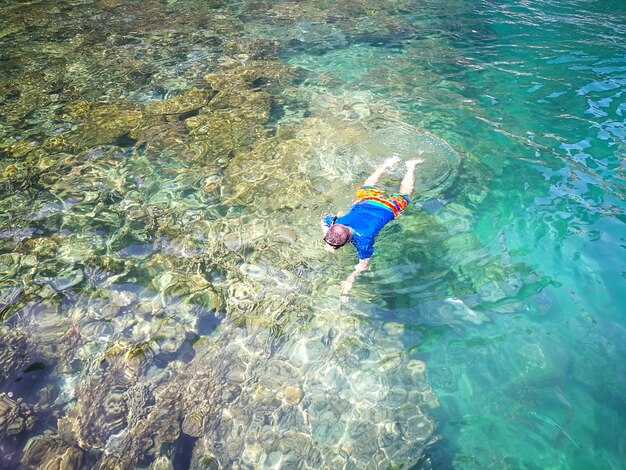 Snorkeling in Dubrovnik – My Favorite Spots for Underwater Adventures">

Begin with a casual snorkel around lokrum island: the adriatic waters here are open and accessible, and you can reach unforgettable shallows within a short distance from the Dubrovnik centre.
On the rocky edges, expect depth in the 5–8 m range; you’ll also spot animals such as wrasse, gobies, and bream along the wall, and a mask will help you follow the gradient as the current rolls across open ledges.
From the Dubrovnik centre, head to spots where the harbour mouth meets open water; near Banje Beach you’ll find easy access and visibility that often improves with the shallow slope, making these locations ideal for a relaxed session.
Also consider an extended half-day by boat to a nearby island such as lokrum or Lopud; these spots offer calmer bays, longer snorkel time, and more chances to observe small reef fish, including gobies and mullet.
In practice, go early to catch best visibility, keep a safe distance from any boats and reef edges, and rent equipment at the port’s centre if needed; the adriatic coast remains accessible for casual snorkelers who want a straightforward plan, giving you an unforgettable open-water loop with several locations to explore also.
Dubrovnik Snorkeling Guide
Begin at Lokrum in the morning when the water is calm and temperatures feel comfortable, then glide along turquoise coves with your mask snug and your camera ready. Some reefs shelter a lively mix of animals, and a wreck lies just below the surface for a second round of sights. You’ll smile at a moment when a curious fish glides by like a joey following your wake.
Prime spots and practical notes:
- Lokrum Island – a short boat hop from the Old Port, with sheltered bays and clear water. Morning sessions yield open visibility; stay off seagrass beds and respect posted rules. Expect a mix of small fish, crabs, and shrimps; bring a camera to capture the turquoise hues and the picturesque coast.
- kobaš – rocky coastline near open sea; easy access from a small beach; shallow reefs host vivid colors, and a tiny wreck rests on the bottom. Visibility often peaks in the morning; use a snug mask and keep a respectful distance from wildlife and the wreck.
- Koločep (Kalamota) and Lopud – two popular Elaphiti Islands with gentle coves and long shorelines. Swim along shelves at 3–6 m depth where you can spot wrasse, parrotfish, and octopuses. In full sun, water takes on brilliant turquoise tones; mornings provide the best light. Pack a dry bag for valuables and a camera to capture endless colors and some dramatic seascapes.
- Šipan – broader coastline with sheltered bays and small caves. Morning sessions let you explore multiple spots with calm water; look for schools of fish and occasional stingrays near sandy patches. Plan 60–90 minutes to cover 2–3 sites and return with a memory card filled with vivid sights.
Practical tips for a smooth experience:
- Gear and safety – fit your mask well, test seals on land, and choose fins that feel comfortable. Carry a camera in a waterproof case; use a dry bag for valuables; snorkel with a buddy and stay aware of boats approaching open water. Snorkeling made simple with a proper setup will boost your confidence.
- Time and conditions – summer mornings typically offer the best light and temperatures for clear water; always check wind and current reports and adjust plans if a swell rises.
- Environment – avoid dead coral and fragile structures; do not touch or chase animals; protect the planet by leaving nothing but memories and taking nothing but photographs.
- Notes – if you travel with kids or beginners, keep sessions short and open, and consider a shallow area first to build confidence and make it a perfect first snorkel.
This world, shared by swimmers around the planet, will reward you with turquoise water, endless color, and memories of a summer morning you’ll revisit in photos and stories.
Banje Beach: Easy Access and Primary Snorkel Route
Begin your snorkel at Banje Beach in the mornings for calm conditions and comfortable temperatures, staying within the bonaca stretch along the coastline where visibility stays high and the water looks inviting. Fact: this setup yields excellent light for video clips, and you can enjoy the scenery from the shore to the rocks. Also, bring water to drink between stops and keep a spare towel handy.
Primary snorkel route: begin at the shallow edge near the buoy and glide along the rocky coastline for about 200 meters, passing crevices where eels hide and octopuses drift; then curve toward a sheltered cove near Lokrum Island and return along the same line. This loop keeps you confident in shallow water while delivering a steady view of life along the coast, and the water within stays clear. Also, capture the scene on video to study the intrigue of the inhabitants and the nearby islands.
Wildlife highlights: you’ll meet several animals such as damselfish and wrasse, plus eels and octopuses; observe how they move with the tide. The intrigue grows as an octopus changes color or a small school darts past a rocky niche. This little game of spotting camouflaged creatures makes the route engaging and rewarding for a confident swimmer who enjoys the coastline.
Practical tips: wear a mask and snorkel that fit well, move slowly, and stop every few minutes to observe. Bring a bottle of drink water, use reef-safe sunscreen, and check the weather conditions before entering the water. If mornings feel chilly, layer with a light wetsuit or rash guard; when temperatures rise, you’ll enjoy longer sessions. The route also works when the wind drops and the water is extra inviting. Also, consider extending the route to nearby islands for more places with attractive scenery.
Extensions and places: Lokrum and other nearby islands offer additional spots to explore after you finish the main route. From Banje, you can also walk along the coast to attractive coves, or plan a short boat hop to neighboring bays. This easy access makes Banje Beach an ideal starting point for a dependable snorkel, with a pace that suits both beginners and confident explorers who want to sample the coastal life and its creatures.
Lokrum Island Reserve: Ferry Tips and Protected Marine Life
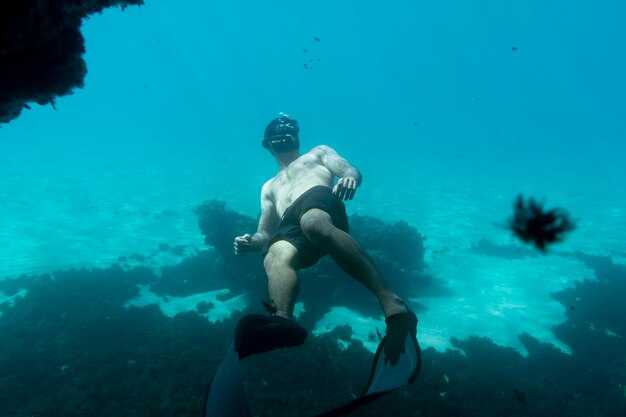
Take the first Gruž ferry to Lokrum and start at kobaš with buoyed, calm water for a confident, casual snorkel session.
From Gruž, buy a round-trip ticket at the open kiosk; the staff will confirm times and point out locations such as jabuka and mala Lokrum. youll reach the reserve in about 15 minutes, conditions permitting, and can begin exploring the rocky shoreline along these spots. If youre casual and curious, extend toward Mala Lokrum for a broader view.
Within the protected marine life zone, youll encounter a wreck resting on a rocky ledge and a thriving ecosystem of fish, octopuses, and seagrass. dont touch anything; stay buoyed and keep a respectful distance as you explore the underwater world. If youre a diver, take care around the wreck.
found spots for a quick start include kobaš and jabuka; mala rocks here host macro life. The shop near the Gruž dock sells basic snorkel gear and maps; open hours align with ferry departures, making it easy to plan a return to your home base. If you prefer a guided path, ask staff for a short circuit that covers kobaš, jabuka, and Mala Lokrum. Under calm skies, the surface glints like planets and youll finish your day satisfied.
Sveti Jakov Beach: Calm Pockets and Best Time to Swim
Only arrive a little before sunrise for the calmest pockets and the best water clarity at Sveti Jakov Beach. In summer the shallow bays stay sheltered from swells, letting you snorkel along gentle ledges without crowds. The spot around the rocks features sizes of crevices where small animals hide, so you should move slowly and avoid stirring sand. If you visit during peak heat, shade is scarce, so wear reef-safe sunscreen and carry water.
Facilities are practical: showers, a small centre with gear for rent, and quick-access links to maps and safety tips. Kayak rentals are available at the site, and you can grab a paddle to explore the coast. Nearby Lokrum island lies just off the coast, with Zodiac transfers offering quick hops to rocky ledges and sheltered coves.
Connect with the wildlife around the bezdan crevices where lobsters hide during dawn and dusk. Stay in shallow water and avoid touching formations to protect the site. Animals like small fish and crustaceans populate the rock faces; keep a respectful distance and watch for signs.
Rock formations jut from the water, creating vibrant habitats that attract crabs, fish, and other ocean life. Better light comes in the morning and late afternoon; water visibility remains easily high, making a simple snorkel more enjoyable. Timing matters: plan a visit when the sea is calm and the wind is light.
From Sveti Jakov you can visit nearby Mala and other small pockets, or dip over to Lokrum for a day with more spots around the island. Make the most of the summer by combining a gentle snorkel with a walk along the shore and a sunset view from the cliff centre. Links to tide charts and local guides will help you choose the best times.
Lapad Bay: Family-Friendly Snorkeling and Entry Points
Begin at Bonaca Beach for a shallow, turquoise entry that’s ideal for families, with a gentle sand slope and water staying knee-to-chest deep for most of the shore.
From this point, you access a diverse world of sights: small schools of damselfish, wrasse, and seagrass beds, and tunnel-like crevices that hold underwater treasures found along the reef, discoveries you can easily claim as you explore.
Fact: mornings offer calmer water and better visibility, making it easier for first-timers to spot treasures found along the reef and to enjoy the gentle parcours near shore. Be mindful of the occasional scorpion fish hiding in rocky pockets and avoid touching or chasing marine life. That thing to remember: keep hands at sides and let the group lead.
Kids imagine each small fish as a planet, turning the turquoise water into a level adventure that blends learning with play. If you prefer shorter routes, start with Bonaca; for more variety, try the shallow rocky cove along the Lapad promenade, which offers an easy entry for a family, and for those who seek excitement, the outer edge provides more color and variety, though check currents first. Divers in your group will appreciate the contrast between calm inner zones and the richer life beyond the reef line.
Entry points and plan: Bonaca Beach serves as the baseline; the shallow rocky cove along the Lapad promenade makes a second, easily navigable option for a family with kids; the outer edge yields more color and deeper sights, ideal for a longer exploration if conditions are calm. Always snorkel with a buddy, monitor depth, and back away from the coral to protect fragile habitats.
| Entry point | Teren | Depth (m) | Suitable for | Sights |
|---|---|---|---|---|
| Bonaca Beach | Sandy shore with gentle slope | 0.5–3 | Families with kids, beginners | Turquoise water, small fish, seagrass |
| Lapad promenade rocky cove | Shallow rocky ledge, water stairs | 1–4 | Groups, first snorkelers | Crabs, starfish, tunnel-like crevices |
| Outer edge tunnel | Reef edge, natural tunnel | 3–6 | Older kids, adventurous snorkelers | Diverse fish, archways, colorful shells |
источник: местные гиды
Kolocep Island: Reef Snorkeling and Boat Transfer Tips
Book a morning Gruž–Koločep boat transfer and snorkel at first light for calm waters and the best visibility. Bring a mask and snorkel; full equipment rental is available on the dock, and a quick warm-up swim helps you settle in. This approach is a staple on our blog for readers chasing unique reef experiences.
Boat transfers: Public ferries from Gruž connect to Koločep, Lopud, and Sipan; the ride lasts about 15–25 minutes, with departures every 60–90 minutes in peak season. For speed and maximum flexibility, private speedboats from Dubrovnik Old Port or Lokrum marina shorten the trip to roughly 10–20 minutes; book ahead during summer to avoid queues.
Where to snorkel: The reef pockets along Koločep’s western coast and the coves near the kobaš area offer clear water and gentle shelves. Expect schools of damselfish, wrasse, and parrotfish, and discover small caves that reveal interesting rock formations at the edge of the reef. What you see here stands out among croatias destinations for reef enthusiasts, and the sights feel uniquely Croatian.
Temperatures range from 24–28°C in summer, with visibility on calm days often reaching 6–12 meters. Mornings are the calmest, making June–September ideal for full reef exploration and reliable conditions that feel nothing short of excellent compared to busier sites.
Safety and packing: dont snorkel alone; always stay within a short swim of shore and keep a safe distance from boats. Bring reef-safe sunscreen, a hat, and a light windbreaker for post-snorkel chills. If you love underwater exploration, you will enjoy the seascape here; use a sturdy mask and a snorkel with a dry-top valve if possible.
After snorkeling, plan a quick hop to Lokrum or Lopud as part of a broader exploration of croatias coast. This is a unique destination for reef lovers, and if you want a quick preview, check a short video on our blog. For accommodation, many travelers lean toward a hotel on the Dubrovnik side to streamline transfers and maximize time on the water.