


 Polski
  English (UK)
  Русский
  العربية
  日本語
日本語  한국어
한국어  Magyar
  Türkçe
  Español
  Čeština
  Svenska
  Português
  Ελληνικά
  Suomi
Suomi  Nederlands
  Română
  Italiano
  Français
  Українська
  Deutsch
  简体中文
简体中文  Slovenčina
  Sailing in Thailand – The Ultimate Guide to Island Hopping and the Andaman Sea">

Begin with a sheltered anchorage in Ao Phang Nga Bay for your first night, then break the day with a steady, island-by-island hop along the coast. This route connects long passages with calm bays, which keeps you safe. For every stop, look for buoys for mooring and read the signs posted by marine parks to stay compliant.
The core routes center on the Similan and Surin marine parks, where uninhabited islets rise from the sand and long reef walls shelter marine life. If you plan to stop here, arrange permits in advance or book through a licensed operator who handles the process. For breaks between hops, overnight anchorages offer quiet time beneath starry skies, while tours from Phuket and Khao Lak provide guided routes that reduce risk and manage waste. For a detour, head toward phai, a cluster of islets that links to sheltered bays and steady windward legs. Every year, this region attracts many yacht crews who prefer a calm pace and a respect for park rules.
When planning, keep a flexible schedule: seasons vary by month, and weather shifts can alter safe options. In the dry season, routes stay within sheltered bays and near protected reefs, while in the monsoon you may need to shorten hops. Always monitor buoys, signs, and local regulations; paying attention helps avoid fines. Adjust overnight stays before a squall forms to avoid disruptions. A practical kit includes water, a sun shade, and a portable charger; keep the crew informed and ready to react.
Anchoring etiquette matters: drop the hook well away from coral and approach slowly to avoid disturbing life. In marine parks, use designated mooring buoys if available and avoid bottom-sitting on fragile reefs. Many coastal towns along the Andaman offer shore-based tours and services for repairs, while some operators provide overnight stays aboard with meals onboard. If you anchor near uninhabited islets, keep noise down, respect wildlife, and pack out all you brought in to minimize impact, being mindful of wildlife.
For your packing list, bring reef-safe sunscreen, lightweight clothing, a windproof layer, a waterproof bag, and a compact medical kit. Ensure your charts are current, and have a reliable GPS and compass as a backup. Update every chart and plan your days with a simple outline, keeping the crew informed with clear checks and goals, and set aside a few sunlit breaks to enjoy calm sand beaches along the way.
Practical, action-oriented plan for Koh Samui and the Andaman Sea
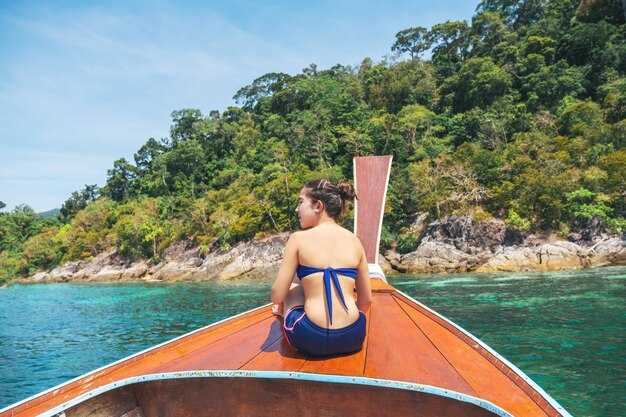
Base samui as your hub for the Gulf-to-Andaman arc. Drop anchor in Lipa Noi or Nathon to simplify provisioning, then set a simple system that keeps morning departures on track. From bangkok-supplied groceries to fresh market finds on samui, you will have many options. Use haad coves along the south coast for safe anchoring, and plan to sail west after a solid warm-up. This article offers a practical, action-ready framework that matches a range of speeds and weather.
Morning departures optimize wind and visibility, letting visiting samui’s villages such as Bophut and Choeng Mon before lunch. Drop anchor in sheltered haad coves for a quiet midday break, then resume sailing toward the next stop. Match pace with the crew to keep the schedule exciting without rushing. Onboard notes emphasize provisioning, water management, and keeping a clear mark on the chart for each port.
From samui, set your course west to the Andaman coast. The first leg targets Phang Nga Bay’s coves and sea stacks, where anchoring behind protected rocks works well in light winds. You will find numerous anchorages that match views toward limestone cliffs and caves. After Phang Nga, sail to Krabi Town and Ao Nang, then hop to Phi Phi and Phuket’s marinas for fuel, water, and fresh supplies. Ports along this stretch support occasional party nights on board, as well as quiet evenings onboard with views of sunset over karst formations.
Attention remains on safety. Maintain a daily log, update weather checks, and keep a checklist for anchoring gear and safety equipment. The plan remains flexible to weather windows and crew energy. For a true reader’s experience, file a quick article after each leg to track what works best and what to improve.
Region offers numerous opportunities to mix a traditional island vibe with modern comforts, from quiet haads to lively nights in samui’s neighbor ports. The plan provides exciting options, with a mix of anchoring, drop-offs, and shore visits that will make memories.
7-Day Koh Samui Sailing Itinerary: Day-by-Day Route, Distances, and Anchorages
Recommendation: Start Day 1 with a direct 22–24 nm hop from Koh Samui to Ang Thong National Marine Park, anchoring in a sheltered bay for a sunset you’ll remember.
Day 1 – Koh Samui to Ang Thong National Marine Park (22–24 nm). Set a steady course to the archipelago’s central bays, where hidden limestone formations rise from emerald water. Pick a protected cove on the lee of Mae Ko Island for an overnight, then wake to peaceful scenery and calm mornings. Keep a flexible plan to chase the best light and quieter spots, then head out for a closer look at sea caves or hidden lagoons when the seas cooperate. Official park rules require responsible behavior and gear stowage at anchor, so secure winches, fenders, and spare lines in the grounds of the cockpit. Look for world-class sunsets from the stern, and confirm a nearby marina option if weather shifts.
Day 2 – Ang Thong to Koh Phangan (12–18 nm). Slide along the western edge of the archipelago and set course for Koh Phangan’s quieter coves, such as Haad Salad or Thong Nai Pan Noi. Expect turquoise water, scenic cliffs, and fresh air at the helm. Use a shorter day to rest the crew and check gear after a night at Ang Thong. Nearby dive shops and snorkeling spots offer underwater life, while reefs stay in good form for safer snorkel sessions. Anchor at a sheltered beach and enjoy a chic, peaceful evening with a view of the pink horizon as sunsets bloom. If a berth opens at a small marina near Haad Rin, you’ll have an official option for shore amenities.
Day 3 – Koh Phangan to Koh Tao (25–28 nm). Set a steady pace to Chalok Bay on Koh Tao, a favorite for its calm lee and world-class snorkeling scenes just offshore. On the way, you’ll pass close to rocky islets where you can watch unique underwater formations from the surface. Stop for a mid‑day swim and fresh fruit, then anchor in Chalok Bay for a chic, quiet night. This shorter leg lets you stretch lines, refresh provisioning, and keep the crew content. Look longer at the map to pick a second option near Shark Bay or Ao Leuk if the wind shifts, then keep a flexible schedule to chase better light and calmer seas.
Day 4 – Koh Tao to Koh Samui (west coast) (18–24 nm). Return toward Koh Samui with a focus on Lipa Noi or Maenam as your overnight anchorages. Expect scenic coastline, sand‑top beaches, and a slower tempo after Koh Tao. Fresh air, smoother seas, and an easier dinghy ride to shore make this a good day for maintenance checks and gear inspection. Nearshore reefs provide near‑shore underwater color, while a quiet anchorage in Lipa Noi offers peace after three lively days. If conditions allow, enjoy an evening walk along a chic beachfront and a longer look at the lights on the water. A nearby marina option exists for official fuel and provisions if needed.
Day 5 – Koh Samui to Koh Taen (hidden spots and reefs) (6–12 nm). Slip into the calmer southern waters toward Koh Taen, a hidden gem with quieter coves and protected bays. Anchor off a sheltered coast near coral reefs and gentle snorkeling grounds. The day’s pace remains short, allowing you to savor fresh sea breeze and slower rhythms. Look for underwater life weaving around rock formations and sandy patches; you’ll find spots where the water stays clearer and the crowds fade. This is a great chance to review safety gear, top up drinking water, and enjoy a peaceful, near‑private evening in a quiet corner of the bay.
Day 6 – Koh Taen back to Koh Samui (Maenam or Bophut) (8–12 nm). Return to Koh Samui and pick a quieter anchorage in Maenam or Bophut for a breezy, peaceful night. This leg keeps the pace relaxed, so you can notice small details–the color shifts in the water, the scent of frangipani on the cockpit, and the look of the coastline at golden hour. Fresh provisions, a quick hull check, and a flexible plan mean you can switch to a marina for official services if needed, or linger at anchor and enjoy the islands’ slower tempo. Sunset views from the deck highlight the Pacific‑like palette and the Andaman‑styled charm that Thai waters offer in this region.
Day 7 – Koh Samui wind-down and return to base (10–14 nm). Cruise a circular route along Koh Samui’s western shore to a final anchorage near Nathon or Chaweng’s outskirts. This last day emphasizes comfort and gear checks, with a short hop that keeps the crew fresh for the final dock. Take a long look at the horizon as the lights come on, and plan a post‑cruise evening at a nearby marina or a quiet shorefront spot that matches the trip’s chic, peaceful vibe. If you want to extend, Leela‑style charters offer a flexible option for a longer stay or a tailored add-on to sample more spots, with official guides and fresh gear recommendations included. This route keeps a memorable balance of hidden bays, scenic coastlines, and world‑class sunsets, so countrys from around the pacific can share in the look and feel of a true Thai island hopped odyssey, andaman‑flavored still, within reach of Koh Samui’s grounds and easy land access.
Best Weather Window and Tidal Considerations for Andaman Sea Sailing
Attention: plan the core sailing window for November through April; this is the best period for stable days and crystal-clear seas across the Andaman coast. You’ll enjoy gentle to moderate winds, many sun-filled days, and smooth hops between Railay, Phi Phi, Phuket, and marina-dotted ports along the route. With proper planning, your crew can cover beautiful areas, stay in sheltered anchorages near villages, and offer chic experiences at every destination.
Within this window, tidal variation remains manageable: typical ranges 1–3 meters by moon phase, with spring tides around full and new moons and neap tides closer to 0.5–1 meter. Enter bays at slack water to minimize current and avoid shoal risks near Railay, Phang Nga, and Koh Phi Phi. When you drop anchor, use a scope of 5:1 in good holding mud so you don’t drift in gusts. Be mindful of needle-like coral heads near some reef drops that can surprise even an experienced crew.
During May–October, plan for monsoon season realities: more rain, stronger winds, bigger seas, and many days with rough conditions. Some areas become impossible to visit; Similan Islands typically close to boats, and you should adjust plans to sheltered bays such as Ao Nang, Phang Nga Bay, and coastal villages along the route. If you push beyond the core window, target short hops and stay near protected coastlines rather than venturing far from shore.
Practical tips for a smooth cruise: coordinate with fishermen in coastal villages to learn safe channels and sheltered drops; check local notices for protected areas and permits at major destinations–attention to regulations saves delays for your destination. Whether you sail a superyacht or a smaller craft, the means to safe navigation are the same. Reserve a calm night near Railay’s chic surroundings, consider anchoring near bambo huts on shore, and plan provisioning at Phuket or Krabi to keep the crew ready for multiple days of beautiful island hopping across many areas.
Boat Charter Options, Licenses, and Insurance for Thai Waters
Choose a licensed operator with full registration and comprehensive insurance for any Thai charter. This guarantees safety, compliance, and smooth handling of permits and emergencies across the region.
- Charter options
- Crewed charters with a skipper and crew for hopping between Krabi, Phi Phi, Hong Island, and other Andaman destinations, with on-board service and catering.
- Bareboat charters for experienced sailors who hold valid licenses and a proven track record, ideal for extended cruising and exploring more remote coves.
- Party or wedding charters that design a private itinerary along emerald waters and waterfront coves, with tailored food, decor, and entertainment.
- Family-friendly charters with relaxed pacing, sheltered anchorages near haad beaches, and short hops suitable for all ages.
- Vessels range from small motor yachts to modern catamarans and sailing yachts, suitable for destinations across Krabi region and the Andaman Sea.
- Licenses and registration
- Vessel registration must be current with the Thai Marine Department and shown on request.
- Captain and crew hold valid licenses appropriate to vessel size and type, with certificates clearly linked to the vessel.
- Operators must comply with countrys rules and Thai regulations for charter activities in the Andaman Sea, including Haad- and Hong Island routes.
- Ask for a formal safety plan and port-of-call permissions to avoid delays at coastal location hubs.
- Insurance and safety
- Hull and machinery insurance plus third-party liability coverage are standard for commercial charters.
- Protection and indemnity (P&I) is recommended for larger crews or event-focused charters (weddings, corporate parties).
- Medical evacuation and passenger accident protection should be included or available as add-ons.
- On-board safety gear includes life jackets for all guests, life rafts, fire extinguishers, a functioning VHF radio, EPIRB, and clear emergency procedures.
- Practical considerations
- Prądy i pływy różnią się w zależności od lokalizacji; wybrzeże Krabi i kanały Phi Phi mogą stanowić wyzwanie dla nawigacji – zaplanuj elastyczne plany i alternatywną trasę.
- Sprawdź atrakcje w okolicach Emerald Coves, plaż Haad i innych miejsc, aby opracować efektywny plan, który minimalizuje długie przejazdy między przystankami.
- Lunche i posiłki na pokładzie można zorganizować – należy skonsultować się z operatorem w sprawie lokalnej kuchni tajskiej lub międzynarodowych opcji, które pasują Państwa grupie.
- Ustal realistyczny plan podróży całorocznej, zachowując czas na kontakt z naturą i przeskakiwanie między wyspami na spokojnych kotwicowiskach.
- Poproś o lokalizację operatora, port macierzysty i szczegóły rejestracji, aby zweryfikować legalność i usprawnić odprawę w bazach Krabi, Haad lub Hong Island; rozważ inną opcję, jeśli plan jest niejasny.
- Koszty i porady dotyczące rezerwacji
- Komponenty wyceny obejmują stawkę podstawową za statek, koszty załogi, paliwo, opłaty portowe oraz zaopatrzenie; szukaj transparentnej oferty all-inclusive.
- Porównaj pakiety obejmujące wstępy na rafy koralowe, wycieczki po wyspach i wycieczki z przewodnikiem do miejsc takich jak nadbrzeżne miasta Krabi i destynacje w Haad.
- Sprawdź warunki anulowania rezerwacji, listy wyposażenia i opcje transferu na ląd, aby uniknąć ukrytych opłat w szczycie sezonu lub w święta.
- Wynegocjuj pakiet obejmujący dodatkową, wygodną usługę, taką jak transfery z lotniska lub zaopatrzenie, aby uprościć planowanie.
Dla podróżników szukających alternatywy dla zatłoczonych szlaków, stwórz spersonalizowany plan, który równoważy naturę, kuchnię i kulturę na ich trasach, szmaragdowym wybrzeżu i nie tylko. Dobrze dobrany operator sprawia, że organizacja wesel, przyjęć lub zwykłe skakanie po wyspach jest wykonalne rok po roku na wodach Tajlandzkiego Morza Andamańskiego.
Kotwicowiska, miejsca cumownicze i przystanki na wybrzeżu wokół Koh Samui i pobliskich wysp
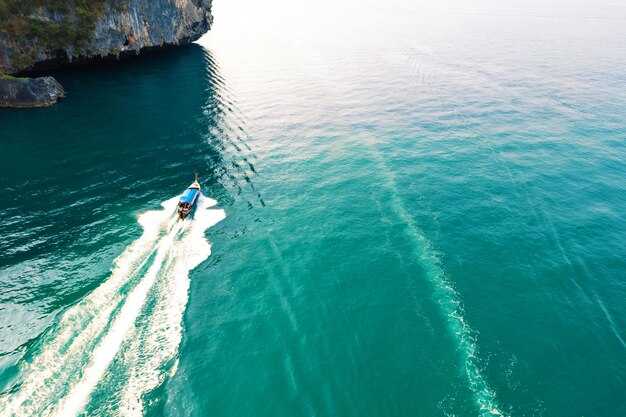
Zaplanuj dwudniową pętlę po wyspach, która zaczyna się w zatoce Choeng Mon na północno-wschodnim wybrzeżu Koh Samui, następnie skacze na Koh Taen na sekretny przystanek ze snorkelingiem, a kończy się nocą w pobliżu Narodowego Parku Morskiego Ang Thong. Polecamy tę trasę ze względu na osłonięte tereny, łatwe zaopatrzenie i mnóstwo możliwości snorkelingu wokół niezamieszkanych wysepek; będziesz dzielić wodę z licznymi jednostkami, a mimo to znajdziesz ciche kotwicowiska do relaksu.
Zatoka Choeng Mon znajduje się na północno-wschodnim wybrzeżu i zapewnia spokojne schronienie, nawet gdy wzmagają się pasaty. Boje cumownicze oferowane przez lokalnych operatorów są liczne, a krótki rejs pontonem zabierze Cię do restauracji na plaży i kilku straganów ze świeżymi produktami. Punkty tankowania paliwa i zaopatrzenia są łatwo dostępne z Nathon lub Bangrak, a kiedy najdzie Cię ochota, możesz popłynąć w kierunku Koh Phangan na kolejny skok.
Koh Taen oferuje kolejną sekretną opcję: niezamieszkałą wysepkę z osłoniętą zatoką, czystą wodą i rafami idealnymi do snorkelingu. Na brzegu znajduje się prosta buda serwująca świeże ryby i khao, a długa, wąska plaża jest idealna do cichego wyładunku sprzętu lub krótkiej przejażdżki do piaszczystych miejscówek, które wydają się naprawdę prywatne.
Morski Park Narodowy Ang Thong oferuje wyjątkowe połączenie wysepek, morskich lagun i imponujących wapiennych klifów, idealnych do zwiedzania. Istnieje wiele miejsc do cumowania i kotwiczenia, a przepisy parku wymagają wcześniejszego uzyskania pozwolenia. W miarę możliwości korzystaj z miejsc do cumowania, aby chronić tereny i rafy; to fantastyczne miejsce do podziwiania wschodów słońca w lagunach i odwiedzin plaż w zacisznych zatoczkach, które wydają się odległe od głównego wybrzeża.
Wskazówki dotyczące planowania sezonowego: najlepsza pogoda jest od listopada do kwietnia; monitoruj prognozy i miej elastyczny plan na wypadek zmiany frontu. Zabierz solidny sprzęt, dodatkowe liny, odbijacze i zapasową kotwicę; warto skoordynować z lokalnymi operatorami zaopatrzenie w paliwo i świeżą żywność. Wybrzeże wokół Koh Samui oferuje wiele możliwości, od sekretnych plaż po niezamieszkane przystanki, z restauracjami i wypożyczalniami sprzętu w pobliżu, aby Twoje przeskoki były płynne i przyjemne.
Prowiant, sprzęt bezpieczeństwa i komfort na pokładzie podczas rejsów między wyspami
Spakuj kompaktowy, wodoodporny zestaw medyczny i zapasową torbę wodoszczelną na każdy etap podróży po wyspach. Dołącz środki na chorobę morską, chusteczki antyseptyczne, maść z antybiotykiem, taśmę, nożyczki i podstawowy przewodnik pierwszej pomocy. Weź ze sobą mały zestaw narzędzi morskich i ładowalną latarnię, a także zapasowy zestaw baterii do kluczowych urządzeń na pokładzie.
Zaplanuj zaopatrzenie, łącząc tradycyjne produkty o długim terminie przydatności z gotowymi do spożycia pakietami, aby móc łatwo uzupełniać zapasy w punktach wejścia w pobliżu znanych węzłów, takich jak Ranong, oraz na rynkach w okolicach Surin i Racha. Przechowuj konserwy rybne, ryż, makaron, olej i przyprawy w suchej szafce w zasięgu kambuzu, a zieleninę i owoce trzymaj w kompaktowej lodówce, jeśli Twój statek jest w nią wyposażony. Celuj w zapas na 3–4 dni na osobę i dostosuj go do temperatury; jeśli masz ograniczony czas na przygotowanie, polegaj na gotowych posiłkach, aby przyspieszyć wizyty na lądzie. Prowadź prosty dziennik inwentaryzacyjny, aby śledzić, co zostało zużyte i czego potrzebujesz na kolejny etap, upewniając się, że masz wystarczająco dużo, aby dotrzeć do następnego parku lub plaży.
Wyposażenie bezpieczeństwa, którego potrzebujesz: jeden pas ratunkowy na osobę, rzutka ratunkowa, urządzenie do emitowania sygnałów dźwiękowych, wodoszczelna latarka, zapasowe baterie i podstawowa gaśnica. W zestawie powinien się znaleźć ręczny radiotelefon VHF, a na trasy w odległe miejsca EPIRB lub PLB. Sprawdź dopasowanie i stan pasów ratunkowych, przetestuj gwizdek i przed każdym etapem rejsu skontroluj liny i odbijacze. Miej prosty zestaw naprawczy i części zamienne w dostępnej szafce.
Komfort na pokładzie koncentruje się na cieniu, przepływie powietrza i zorganizowanej przestrzeni. Zamontuj bimini lub osłonę pokładu, używaj przenośnych wentylatorów i polegaj na oddychających tkaninach w miejscach do spania. Utrzymuj suche koje dzięki pochłaniaczom wilgoci i spakuj lekki koc na wietrzne noce. Przechowuj sprzęt kuchenny i artykuły suche w wyraźnie oznaczonych koszach, aby przyspieszyć uzupełnianie zapasów i zmniejszyć bałagan po wizytach na plaży.
Strategia kotwiczenia preferuje spokojne zatoki z dobrym trzymaniem i bezpiecznym dostępem do pobliskich wapiennych wybrzeży. Krótko przetestuj trzymanie przy krótkim spuszczeniu kotwicy, a następnie ustaw długość łańcucha/liny kotwicznej i zabezpiecz odbijacze. Noś zapasową kotwicę i linę dla różnych rodzajów dna i przećwicz podnoszenie kotwicy na płytkiej wodzie w bezpiecznym miejscu przed wypłynięciem na otwarte wody. Bądź świadomy prądów w pobliżu Surin, Ranong i Racha i wykorzystaj to podejście, aby cieszyć się niesamowitą scenerią oraz tętniącymi życiem i spokojnymi przystankami w zielonych zatoczkach i parkowych plażach z wapiennymi brzegami.
Po załatwieniu prowiantu, sprzętu bezpieczeństwa i dopracowaniu komfortu, stwórz prostą listę kontrolną przed wypłynięciem, obejmującą statek, załogę i sprzęt. Zanotuj, co wymaga uzupełnienia, jakie urządzenia wymagają konserwacji i jakie przedmioty umilające podróż chcesz mieć na kolejny etap, aby Twoje plany na otwartym morzu przebiegały sprawnie i przyjemnie wzdłuż Morza Andamańskiego.