


 Polski
  English (UK)
  Русский
  العربية
  日本語
日本語  한국어
한국어  Magyar
  Türkçe
  Español
  Čeština
  Svenska
  Português
  Ελληνικά
  Suomi
Suomi  Nederlands
  Română
  Italiano
  Français
  Українська
  Deutsch
  简体中文
简体中文  Slovenčina
 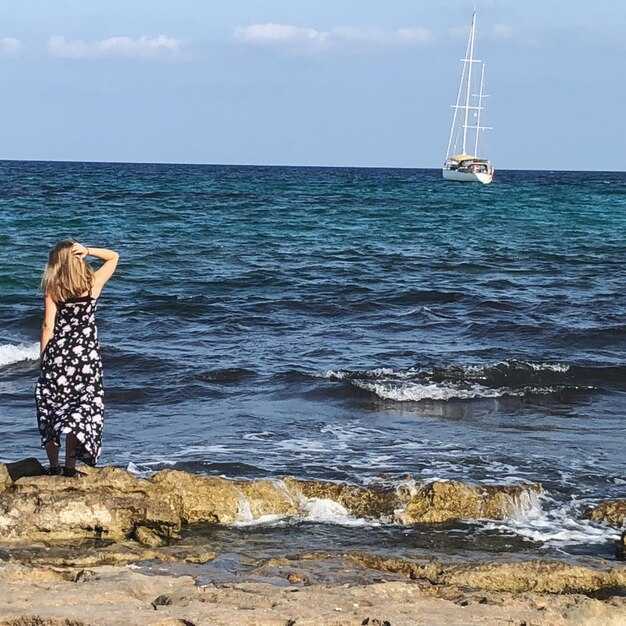 Sailing in Spain – The Perfect Haven for Sea Lovers">

Start with a round coastal loop from the Basque coast to Galicia, then arc south into the Balearics for a balance of rugged beauties and sheltered harbors. This approach keeps passages practical and lets you compare northern winds with southern calms, setting a steady pace for your voyage.
Along the northern coast you meet a variety of towns, from large port cities to smaller fishing villages. They each reveal coastal life with distinct flavors, and the scenery shifts from cliff-backed shores to sheltered estuaries, offering comfortable anchorages and the option to shorten legs if you prefer a shorter night at sea.
From palmas on Gran Canaria to the mainland, you’ll feel the year-round pulse of the sea. Each year, sailors return for reliable winds and predictable harbors. In busy ports you’ll pay higher cost per night, while in smaller harbors you’ll find more intimate moorings for about 40–70 EUR nightly. After sunset, many bays invite night swimming i a świeży breeze to wake your senses before bed as you drift toward the next anchor.
Head toward Galicia for the unique coastal beauties and a culture-rich land where you can plan a day ashore to explore santiago, then return to the boat for a sunset sail. This inland detour complements the maritime pace with culture and architecture, enriching the trip with unique experiences and coastal beauties.
For a practical frame, plan a final leg to Toro’s wine country after your coastal circuit, or combine a short inland loop to taste the best of Spain’s countryside. The route offers a variety of bays, coves, and lagoons where you can swim, fish, or simply drink in the świeży air and watch the sun dip behind rugged headlands, all while keeping the costs manageable and the pace comfortable.
Guide to Sailing in Spain
Fly into Malaga and book a sailing charter via Boataround for weekly trips along the Costa del Sol, then plan a Tenerife leg for a diverse holiday.
That blend of beaches and open-water passages lets you reset each day with a fresh horizon. Stay flexible to mix sheltered hops with longer sails.
The best windows are late spring and early autumn when steady winds shape easy days; the swells around Tenerife add exciting options for the crew seeking variety.
Main hubs and access: Malaga is the main gateway to southern Spain, while Tenerife anchors the Canary route; both have airports with frequent services and boats available for centre-based charters.
Beaches and havens along the coast invite flexible plans where you can anchor near protected coves, a haven for rest, after long hops and still reach lively towns.
Boataround connects you to a wide range of main routes and trips, with weekly options for bareboat or skipper-led formats, routes which suit your pace.
Practical tips: verify weather forecasts, check port fees, and confirm licenses; plan around ports in the Malaga centre or the Tenerife base if you want a longer-scale voyage.
Best Atlantic routes from Galicia to Basque Country: choosing a starting point and season
Start from A Coruña in Galicia, the recommended starting point, in May or September for the best balance of winds and seas. This keeps the level of risk approachable for a capable crew, while nearby ports provide provisioning and marinas with reliable wi-fi, and harbor protection. The wide, pristine coastline allows a flexible itinerary toward the Basque Country, with asturias as a natural nearby leg for a gentle first hop. If you prefer a shorter intro, Ferrol or Luarca offer nearby options with similar protection and a strong nautico vibe. Definitely plan the first leg to Santander at roughly 180–210 NM, then continue 60–90 NM to Bilbao, adjusting for forecast and currents.
Seasonal window and winds: late spring (May–June) and early autumn (September–October) deliver mostly steady conditions, with winds from the west-northwest averaging 15–25 knots and manageable seas. Winter adds stronger Atlantic lows, increasing risk; though experienced crews can handle it, you should rely on protected harbors and shorter hops. To navigate confidently, hire an expert skipper or pair up with a crew that has solid nautico credentials. If you crave a longer voyage, you can link this northward route with canaries or menorca extensions during milder months, always returning to a southern detour before rejoining the Basque coast. For enthusiasts, this setup works well as a stepping stone to longer, more ambitious itineraries.
Route structure and practical stops: begin A Coruña, hop to Luarca or Gijón for rest and provisioning, then press to Santander and finish in Bilbao. Distances fit well on multi-day passages: A Coruña–Santander about 180–210 NM; Santander–Bilbao about 60–90 NM. Along the way you’ll discover famous towns, protected harbors, and occasional pimpi bars where you can enjoy local wine and a quick wind check. For a more offshore feel, a direct Bilbao leg is possible in stable weather, but that demands careful planning and a ready crew. If you want a southern detour, malaga, churriana, and cabopino offer warm-water breaks, and you can loop to canaries or menorca later on for a longer, more ambitious voyage; you’ll also enjoy less crowded anchorages in sheltered bays depending on the season.
License, permits, and experience thresholds for Spain’s Atlantic coast
Get the right skipper certificate and ensure your vessel papers are current before you sail Spain’s Atlantic coast. Verify vessel registration and insurance, carry a valid VHF radio license, and have an EPIRB on board. Keep maintenance records up to date and perform a thorough pre-departure check; these things help when winds shift or fog rolls in. If you plan to enter protected zones, consult Capitanía Marítima well in advance for required permits; parc authorities along the coast may restrict anchoring or landing within designated areas. In galicias, plan for several checks with local authorities, and map your route to avoid restricted zones where needed.
What you need to document and obtain adds up to a practical list: vessel registration, proof of insurance, crew certificates for the skipper and any onboard trained members, a radio license for VHF use, and safety gear up to maintenance standards. For entries into Parc zones, you may encounter landing or anchoring limits that require a specific parc permit. Always verify current rules before you depart, especially if your plan crosses into the Las Islas Atlánticas de Galicia or other protected zones.
In parc zones along the Atlantic coast, you will find that permissions can change with the seasons and nesting periods. Factor in the delta area near the Guadalquivir for seasonal restrictions and designated moorings; this significant area demands careful scheduling and respect for wildlife rules. While you chart your course, keep in mind that several anchorages near galicias offer reliable shelter, but you must respect local regulations and avoid restricted basins during sensitive periods.
- Galicias coastal itineraries: start from A Coruña or Ferrol, sail through the rías, and progress toward Vigo and Baiona. Keep daily legs modest (20–40 nautical miles when possible) and choose daytime passages during summer trade winds. This approach builds experience while maintaining safety.
- Atlantic ring routes to the Guadalquivir delta: if you extend your voyage south, plan a conservative pace with backup anchorages near Cala de la Isla or Puerto de Santa María, and verify mooring options before entering the delta region. Keep a close eye on currents and wind shifts.
- Canaries addition: arguineguín serves as a reliable provisioning and maintenance hub when heading farther offshore; use it as a milestone for longer ocean passages, especially in winter when tradewinds are favorable for west-to-east legs along the Canaries and back toward the mainland.
When it comes to onshore stops, you’ll find delicious options, including wines and seafood in galcias ports. In vilanova and nearby towns, several restaurants serve authentic regional dishes that pair well with local wines; plan evenings for entertainment and informal maintenance checks in harbors that feel welcoming after a day at sea. Also, if you crave a change of scenery, consider Málaga as a cultural detour to contrast Atlantic sailing with Mediterranean energy, though keep in mind the sailing conditions and required permits if your route crosses into different maritime zones. Winds along the coast can shift quickly, so always have a backup plan and safe, short-day itineraries ready to serve your crew’s safety and comfort. The ultimate goal is a well-prepared voyage that balances adventurous sailing with practical constraints, delicious stops, and responsible boating across Spain’s remarkable Atlantic coast.
Weather, tides, and currents to plan safe passages along the Spanish Atlantic
Plan long Atlantic hops in late spring or early autumn when NW winds stay steady and mornings are calmer, typically 12–18 knots with lighter chop. This window lets you ride a smooth, breathtaking ride along the coast and makes visiting marinas like Vigo, A Coruña, and Santander a pleasure. Make sure your certification is current and that rental terms cover safety gear; confirm crew needs and any assist options with your charter provider before departure.
Wind patterns vary by coast, so tailor each leg. From March to October the NW sector dominates the Atlantic near Galicia and Cantabria, with fronts bringing gusts that can spike to 25–30 knots in squalls. Choose legs that fit your level: 15–20 knot days for steady progress from A Coruña toward Ferrol or from Vigo toward Baiona, with a contingency for wind shifts. When the sea state tightens, slow down and enjoy the scenery–beautiful delta-like estuaries unfold to the east, while the next sheltered stretch offers calmer sailing. While you’re ashore, the buzzing restaurant scene near marinas keeps your crew entertained during visiting days and shore-side explorations.
Tides on the Atlantic coast swing with the moon, and Galicia’s Rías Baixas show tidal ranges of roughly 3–6 meters at spring tides, with other estuaries around 3–4 meters. In Cantabria and the Basque coast, expect 3–4 meter ranges. Plan passages to ride through narrows near high water for easier currents, and use tidal charts to time your approach to sheltered harbors. High-water entries shorten approach times into busy ports and help you manage marina slots during peak visiting seasons.
Currents run shallow along most open coasts, but in narrow channels and estuaries you can see 1–2 knots of ebb or flood. Expect cross-currents near headlands and around bends in the Rías Baixas delta. Bring up-to-date current tables and plot slack-water windows to keep your course true and minimize drift. If you sail during less favorable currents, adjust speed and heading gradually and communicate with the crew to keep everyone aligned and safe.
For planning efficiency, map your route with a couple of practical stops: from A Coruña south toward Vigo, then along the cantabrian towns of Gijón and Santander, finishing in Bilbao or San Sebastián if you add a longer leg. When you’re ready for shore days, you’ll find delicious options ashore and a resilient supply chain for Rentals and rentals–food markets, botanical gardens, and charming local markets enhance your route. If you’re considering a broader itinerary, you can also mix in Alcúdia to taste a different cuisine and a breezy, sun-drenched pause, or ride to Vilanova for a calm coastal vibe and a different harbor feel; Portmany can come later as a contrasting experience with a buzzing nightlife and a strong restaurant scene that highlights local products. Love the variety, and plan with safety in mind so each passage feels as calm as it is beautiful.
| Aspekt | Typical values for the Spanish Atlantic | Planning tips |
|---|---|---|
| Wind | NW/ W winds commonly 12–22 knots; fronts can push gusts to 25–30+ knots | Target 2–4 day windows with 12–18 knot days; monitor forecasts from AEMET or trusted apps; choose legs with easier ranges; have contingencies for stronger fronts |
| Pływy | Spring ranges 3–6 meters in Rías Baixas; 3–4 meters in Cantabria/Basque estuaries | Plan passages around high water through narrow channels when possible; use tidal charts for shelter and marina access |
| Currents | Shallow coast currents; 1–2 knots in ebb/flow within channels; variable near headlands | Consult current tables; time entry for slack water; adjust course to counter drift |
| Best seasons | Late spring and early autumn offer moderate winds and calmer seas | Prefer May–June and September–October for long hops; use July–August for shore-time in marinas |
| Zagrożenia | Fronty atlantyckie, mgła w Kantabrii, wzburzone morze w otwartych zatokach podczas burz | Zachowaj solidne prognozy i miej plan awaryjny dotyczący schronienia w Vigo, A Coruña, Santander. |
Porty, przystanie i punkty zaopatrzenia na popularnych trasach

Zacznij od Palma de Mallorca jako punktu zaopatrzenia, gromadź cotygodniowe zapasy i tankuj wodę i paliwo, zanim udasz się na Formenterę i Ibizę.
Na trasie po Balearach zaplanuj sekwencję zgodnie z ruchem wskazówek zegara, która utrzymuje krótkie przeloty i komfortowe tempo. Rozpocznij w Palme, następnie skieruj się do marin Alcúdi, kontynuuj do miasta Ibiza lub Cala de Sant Antoni, a zakończ łuk wizytą w Formentera (La Savina) przed powrotem w kierunku Majorki. Każdy przystanek oferuje pełne usługi, sprzedaż osprzętu żeglarskiego oraz opcje życia w mieście, w tym puby i spacery po nabrzeżu, które pasują do relaksującego rytmu wakacji. Taka konfiguracja ułatwia również rodzinom i załodze bez doświadczenia cieszenie się morzem, ciepłem i historią wzdłuż wybrzeża.
Na północ od półwyspu, Asturia oferuje inny smak. Gijón i Awiles prezentują solidne przystanie marinas, efektywne zaopatrzenie oraz cotygodniowe targi, które pomagają uzupełnić zapasy po długich rejsach. Ich położenie zapewnia mniejszy tłok niż w głównych portach, a także dostęp do pieszych wędrówek po wybrzeżu, miejsc kulturalnych i poczucia historii morskiej, które wzbogaca wakacje.
Dla dłuższych przygód, trasa Kanaryjska zapewnia niezawodne wiatry i otwarte niebo. Las Palmas i Santa Cruz de Tenerife stanowią główne węzły zaopatrzenia, z supermarketami, składami żeglarskimi i warsztatami naprawczymi. Jeśli pragniesz różnorodności, dodaj La Palma lub La Gomera jako epizodyczny przystanek, aby cieszyć się zróżnicowanym krajobrazem i spokojniejszymi kotwicowiskami. Ta trasa utrzymuje Cię w ruchu przez cały rok w ciepłym klimacie, oferując więcej niż jeden lub dwa miejsca docelowe i mnóstwo możliwości interakcji w pubach w nadmorskich miasteczkach.
Niezależnie od wybranej trasy, przygotuj plan zaopatrzenia skoncentrowany na podstawowych elementach: świeżych warzywach, wodzie, paliwie i częściach zamiennych. Najlepsza praktyka łączy w sobie tygodniowy rytm z elastycznymi odcinkami, abyś mógł dostosować się do warunków pogodowych i energii załogi. W rezultacie uzyskujesz połączenie usług, różnorodnych destynacji i wielu przygód, które sprawiają, że wybrzeża Hiszpanii stanowią idealne centrum dla wakacyjnych rejsów, niezależnie od tego, czy gnasz za wiatrami kanaryjskimi, urwiskami asturyjskimi, czy spokojnymi zatokami Formentera, przy jednoczesnym zachowaniu całorocznego rytmu żeglowania.
Gotowość załogi, sprzęt bezpieczeństwa oraz umiejętności na pokładzie dla rejsów przez Atlantyk w kierunku Hiszpanii
Przeprowadź pełne szkolenie z bezpieczeństwa załogi na 48 godzin przed odlotem i przeprowadź 20-minutową ćwiczenie na pokładzie, rotując role wśród początkujących, zapewniając, że każdy potrafi wypuścić tratwę ratunkową, podać linę i odzyskać osobę wpadłą za burtę.
Wyposażenie bezpieczeństwa na czarter: kamizelka ratunkowa dla każdej osoby plus dwie zapasowe kurtki, tratwa ratunkowa na 6 osób, EPIRB z GPS, radio VHF na kanale 16, dwa gaśnice, apteczka pierwszej pomocy morskiej i worek ratunkowy z mapami, urządzeniami sygnałowymi i racjonami wody. Przetestuj cały sprzęt i także wyślij kopię listy kontrolnej każdemu członkowi załogi na 24 godziny przed odlotem.
Ćwiczenia na pokładzie dla lepszej kontroli: reefuj grot w słabym wietrze, obsługuj szoty i halardy, odzyskaj osobę za burtą i przećwicz kontrolowane ćwiczenie MOB na straży, przy jednoczesnym utrzymywaniu czystego kokpitu. Po każdej wachty, wykonaj szybkie czyszczenie pokładu w celu usunięcia osadów soli i oleju, i utrzymuj powierzchnie antypoślizgowe w suchości.
Nawigacja i przestrzeganie zasad pogodowych: ustal 4-godzinne wachty, prowadź bieżący dziennik i ćwicz odzyskiwanie osoby z wody (MOB) z tratwą ratunkową i liną holowniczą. Oczekuj zmian w wietrze w zakresie od 15 do 25 węzłów oraz fal o wysokości od 1 do 3 metrów, z większymi podmuchami podczas burz. Stosuj rozważne sterowanie w trudnych warunkach i dostosuj prędkość, aby uniknąć fal biegnących za rufą.
Planując podróż wzdłuż atlantyckiego szlaku Hiszpanii, wybierz mieszankę mniejszych portów i wyeksponuj przystanki, które zwiększą autentyczność i gastronomię. Zaplanuj postoje w Benidorm i Marbelli w celu zaopatrzenia i posiłków na lądzie, z dłuższą podróżą w kierunku Balearów, np. do Mahón lub Santa Cruz de Menorca, aby spróbować autentycznych owoców morza i odwiedzić lokalne restauracje. Między postojami ciesz się świeżymi rybami i próbuj regionalnych specjałów, pozwalając spektakularnym krajobrazom i urokowi kulturowemu kierować harmonogramem.
Dla początkujących, utrzymuj ścisły harmonogram treningów i używaj poczty e-mail, aby dzielić się trasami i notatkami dotyczącymi bezpieczeństwa z załogą. W typowym czarcie, przydziel wyraźne role do wacht, cumowania, zaopatrywania i rejowania, i miej doświadczonego szczebia na pokładzie lub w stałej łączności z firmą czarterową. To podejście zapobiega zamieszaniu i utrzymuje dni produktywne, podczas gdy się uczysz.
Po końcowych kontrolach, wyznacz kurs do bezpiecznych wód i monitoruj władze portowe w celu uzyskania informacji o czasach odprawy; dokumentuj liczbę dni dla każdego etapu i dostosuj harmonogram do spokojniejszych dni lub sztormowych mórz. Podróż łączy żeglarstwo z gastronomią i autentyczną kulturą lokalną, maksymalnie wykorzystując wybrzeże Hiszpanii i morską tradycję kraju.