


 Polski
  English (UK)
  Русский
  العربية
  日本語
日本語  한국어
한국어  Magyar
  Türkçe
  Español
  Čeština
  Svenska
  Português
  Ελληνικά
  Suomi
Suomi  Nederlands
  Română
  Italiano
  Français
  Українська
  Deutsch
  简体中文
简体中文  Slovenčina
 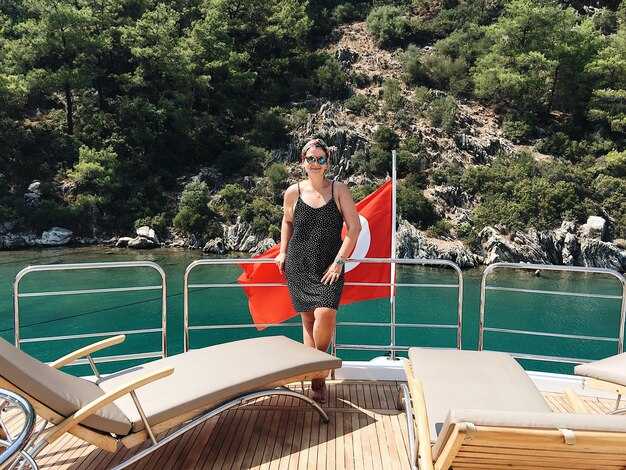 Sailing in Italy – Your Ultimate Guide to Exploring the Coast">

Rent a well-equipped sailboat with a certified skipper along the Amalfi coast to ensure safe days at sea and provisioning from day one for them.
Plan by season: May–October brings warm days and reliable winds, with more marina choices along the north coast from Cinque Terre to La Spezia. Always check weather forecasts and marina schedules, and tailor the day’s plan to your crew’s needs and the choices you make, whether youre chasing a lively sunset or a quiet morning approach at anchor.
Begin with Cinque Terre, Amalfi, Capri, or Ischia, then hop between nearby coves for lunches on deck. The coast offers immaculate anchorages and famous marinas that welcome sailors. The montecristo nature reserve sits off the Tuscan archipelago, so check landing rules and permits before you approach, and plan to respect protected zones from sea.
In the north you’ll find practical provisioning and lively markets, while the south offers bright wines and coastal specialties. For provisioning, balance local markets and perishables; in Tuscany and Sardinia you’ll find renowned wines and fresh seafood. Note each crew member’s needs and keep a running comment on substitutions, whether youre rotating dinners or sustaining a steady rhythm for long hops.
Maintain zgodny safety gear: life jackets, a VHF radio on channel 16, and a current buoyage chart. Keep an account of fuel, water, and waste, and use a simple check-list at every port call to avoid surprises. With thoughtful planning, Italy’s coastline offers warm, smooth hops that reward careful provisioning and smart routing.
Practical insights for sailors navigating the Italian shoreline
Check the latest forecast; however, anchor near the mainland for the first night, having a safe plan, then proceed to giglio or egadi if light winds hold. Without a plan, you risk delays and missed opportunities.
Use a compact planning process to keep the voyage efficient and safe: set a daily target of an anchor, match distance to your speed in knots, and finish each day before dusk to avoid crowded harbors and high marina fees.
- Weather and routing: Read a 48-hour forecast, note wind in knots, and identify strait passages; adjust course to avoid strong currents; plan short hops if seas rise or winds exceed 25 knots; seeking calm water whenever possible.
- Anchorage and safety: Prioritize sheltered anchorage with a good bottom; aim for 7:1 scope; beware strong currents along rocky pockets; having a spare line and fenders helps manage heavy seas; unwind after a long day in a protected bay.
- Provisioning and markets: In coastal towns, markets offer fresh produce and bread; buy supplies before long legs; be aware of marina fees and consider free anchorage where permitted; if you found a market missed or closed, seek alternative markets along the coast, and keep a small cash reserve for port services; porto towns along the mainland often provide fuel, water, and repair services.
- Route highlights: The untamed coast near giglio and the egadi islands offers history and fabulous scenery; for sailors seeking quiet bays, stop at smaller harbors to enjoy the local cuisine and unwind before continuing; match your sails to the wind instead of fighting it to optimize speed, safety, and comfort.
- Skills and procedures: Practice handle and recovery for lines, set up a routine for engine checks, and maintain your safety gear; practicing man-overboard drills during daylight hours pays off when conditions stiffen; keeping the crew calm helps everyone finish with confidence.
June conditions provide long daylight hours and plenty of provisioning opportunities along the mainland and islands. If seeking a flexible schedule, plan a couple of optional stops and adjust based on conditions; this process becomes smoother with a simple two-day plan and a one-day backup. That approach reduces the risk of missed opportunities and keeps your voyage on track.
Best sailing routes along the Italian coast

Begin with these three routes for a balanced mix of rugged coastlines, sheltered anchorage options, and mouthwatering markets. Starting from the mainland, caprera islands through La Maddalena offer a classic northern Sardinia arc, featuring three standout anchorages and reliable sea breeze in summer.
Route one: Caprera to La Maddalena. From the mainland, head north to caprera and the La Maddalena islands, where water stays crystal clear and coves provide easy anchorages for peaceful nights. This arc spans three anchorages in protected bays, with calm conditions most mornings. Mooring fees are generally modest outside peak season, but peak months push up rates in larger harbors. Be mindful of restricted zones around certain islets and check notices before entering inner bays.
Route two: Amalfi Coast. Start near Naples and trace the mainland south toward Sorrento, Positano, and Amalfi, with the island of Capri often shaping the horizon. The views from cliff towns are dramatic, and you can anchor in small coves or use marinas to sample mouthwatering seafood and local markets. When winds shift to a northwest passage, these waters can become challenging, especially near Li Galli and the Capri approaches. Some areas are restricted during busy periods, so verify regulations and marina fees before tying up.
Route three: Tuscan Archipelago. Starting from Livorno or Piombino, reach Elba, Capraia, Giannutri, and Pianosa. The water deepens and the coast stays rugged, offering long, open vistas and quiet anchorages for relaxing days. These three islands provide a mix of hiking, beaches, and tucked-away ports, with normal mooring fees in Elba towns during the season. Check protected area rules for restricted zones around the larger islands, and plan weather windows because prevailing winds can be amplified by the chain of headlands.
Discover hidden coves, adjust your plan to the wind, and keep a flexible timetable to enjoy these routes. As a sailor, you will appreciate the rhythm of long sails and short hops, and the chance to explore markets, sample regional cuisine, and soak in views along the coast. These itineraries offer long days on water, three distinct vibes, and the splendour of the Italian coast from Caprera to the mainland and beyond.
Seasonal winds and best windows for coastal hops
Choose May or September for a week window, when steady Maestrale or Grecale keeps the waters manageable and the cost of moorings friendly; youll find fabulous, sheltered places along the side of the coast to anchor.
Match each leg to the forecast. In spring along the central Tyrrhenian, Maestrale and Grecale bring 15–22 knot breezes most days, with a few gusts above 25 that favour sheltered coves. In late summer Libeccio and Scirocco rise, making longer hops less reliable; however, sheltered bays with lee offer safer short hops. If you love rugged, dramatic coastlines, plan dawn departures to catch clean waters and avoid cross seas. Target 3–5 day legs to stay within comfortable limits and avoid days with cross seas.
For epic clusters, plan routes between budelli and marsala to experience varied coastlines. Anchor around budelli for a night in the Maddalena archipelago, then head south toward the western Sicily coast and marsala for a wine-tasting pause. Such options allow you to visit many fabulous places, yet keep the cost in check and make the most of calmer seas.
To maximize safety, rely on thorough forecasts and local assistance. Tap into centre resources, talk with harbour masters, and enlist support from a reputable charter operator. Use practical methods: check wind direction a day ahead, monitor sea state each morning, and carry fenders and a spring line for quick moorings; this keeps you prepared through sudden gusts and keeps your crew comfortable.
Options range from self-contained hops to guided itineraries. choose routes that balance side trips, cost, and fantastic memories. youll enjoy dramatic coastlines, match your pace to the forecast, and making the most of each stop. Either way, youll discover many fabulous places and a flexible rhythm that keeps your itinerary fresh.
Charter choices: bareboat vs crewed and how to pick
For families planning a coastline escape, choose a crewed charter for personalized planning, onboard service, and absolute confidence on every passage.
Jeśli wolisz kontrolę i bardziej oszczędny budżet, bareboat z kapitanem lub małą załogą pozwala na wybór tras i plaż we własnym tempie. Każda grupa ma swój własny rytm, więc wybierz konfigurację, która odpowiada Twoim potrzebom.
Żaglówki z załogą sprawdzają się idealnie dla entuzjastów, którzy chcą spędzić spokojne dni wzdłuż wybrzeża, z kapitanem i załogą na pokładzie, którzy odczytują wzorce maestralu i unikają trudnych kotwicowań. Zapewniają rzetelne informacje o pogodzie i wsparcie na lądzie i są lubiane przez rodziny ze względu na bezpieczeństwo, znajomość lokalnych warunków oraz pomoc na pokładzie w miejscach takich jak Giglio, Palmarola i wybrzeże Toskanii, gdzie poranki toną w blasku światła, a krajobraz zmienia się wraz z wiatrem.
Opcje bareboat błyszczą, gdy chcesz wybrać dłuższą podróż wzdłuż wybrzeża Toskanii lub w kierunku południa, odwiedzając plaże i zatoki w pobliżu giglio i palmarola. Samodzielnie zajmujesz się zaopatrzeniem, decyzjami o trasie i postojami w portach, a przed odlotem powinieneś potwierdzić wyposażenie bezpieczeństwa i licencje z firmą czarterową.
Gotowy do porównania? Użyj szybkiej tabeli poniżej, aby szybko dostrzec różnice.
| Aspekt | Bareboat | Założana |
|---|---|---|
| Dla kogo to jest | Skiperzy o silnych umiejętnościach żeglarskich, lub grupy z jasnym planem | Rodziny, entuzjaści poszukujący łatwości i lokalnej wiedzy |
| What you get | Łódź, wyposażenie nawigacyjne; sternik lub załoga opcjonalna w niektórych przypadkach | Kapitan, gospodarz, zaopatrzenie, planowanie trasy |
| Costs | Niższa stawka bazowa; opłaty za paliwo, zapasy i porty dodatkowo. | Wyższa stawka bazowa, opcje wszystko w jednej cenie lub pakietowe |
| Elastyczność | Pełna kontrola nad trasą i rozkładem jazdy | Kapitan prowadzi trasę, zajmuje się kontrolami pogody. |
| Najlepsze trasy | Rejsy wybrzeżem w kierunku Toskanii, blisko południowego wybrzeża, z bezpiecznymi kotwicowiskami | Zrównoważone trasy wzdłuż wybrzeża Toskanii, Giglio, Palmarola |
Niezależnie od wybranej opcji, czartery w Toskanii i na południu oferują obfite możliwości zakotwiczenia, z wieloma miejscami do odkrycia w pobliżu Giglio, Palmarola i innych popularnych przystanków wzdłuż wybrzeża. Wybór zależy od tego, czy szukasz swobody, czy wsparcia, oraz od tego, ile czasu chcesz poświęcić na żeglugę w porównaniu do zwiedzania.
Cumowanie, przystanie, opłaty i praktyczne zasady savoir-vivre
Zarezerwuj miejsce w marinie w Positano co najmniej sześć tygodni wcześniej w szczycie sezonu i potwierdź rozmiar przystani oraz dostępność zasilania 50-amperowego, jeśli to konieczne.
Dla doświadczonego kapitana negocjowanie dłuższego pobytu może zapewnić lepszą stawkę i przewidywalną logistykę. Opłaty różnią się w zależności od lokalizacji i pory roku; w najpopularniejszych południowych kurortach jacht motorowy o długości 12–15 m może zapłacić około 180–350 EUR za noc. Mniejsze przystanie lub kotwicowiska na boja są tańsze, natomiast miejsca takie jak Bonifacio na Korsyce, ze względu na popularność, naliczają wyższe stawki. Zawsze pytaj, co jest wliczone w cenę: woda, energia elektryczna, pomoc w cumowaniu i ochrona. Przy dłuższych pobytach negocjuj pakiet na kolejne noce lub tygodniówkę, aby zaoszczędzić.
Linia brzegowa od Positano na północ, aż po północne miejscowości wzdłuż wybrzeża, oferuje mieszankę eleganckich kurortów i dzikich zatoczek. Planuj etapy żeglugi dopasowane do Twojego rozmiaru i prędkości oraz rezerwuj zatoki w pobliżu wysp takich jak Capri lub Elba, kiedy tylko to możliwe, aby zminimalizować czas żeglugi pomiędzy przystankami.
Etykieta cumowania
- Zbliżaj się powoli, utrzymując prędkość poniżej 3–4 węzłów w marinach; skoordynuj się z mistrzem portu i wykorzystaj obserwatora na doku.
- Przygotuj cumownicze liny: dwie liny dziobowe i dwie rufowe, plus jedna zapasowa; umieść ochraniacze w punktach kontaktu, aby chronić kadłuby i sąsiednie łodzie.
- Użyj VHF kanału 16 do komunikacji z kontrolą portu i potwierdzenia przypisanej miejscy lub boje oraz czasu przybycia, aby uniknąć opóźnień.
- Przestrzegaj dyscypliny zakotwiczania: nie przeciążaj zasilania elektrycznego, unikaj uruchamiania generatorów w nocy w pobliżu kabin i utrzymuj muzykę na umiarkowanym poziomie, aby szanować innych.
- Gospodarka odpadami: korzystaj z punktów wywozu odpadów, jeśli są dostępne; w przeciwnym razie utylizacja na lądzie; nigdy nie usuwaj wody z mycia ani paliwa do portu i zgłaszaj wszelkie wycieki personelowi, jeśli to konieczne.
- Kultura lokalna: witać personel przyjaznym “Buongiorno” lub “Bonjour” w zależności od okoliczności, dyskretnie dawać napiwek tam, gdzie jest to dozwolone, i przestrzegać przepisów portu oraz zasad obowiązujących w miastach i na wyspach.
Lekcje wyciągnięte z żeglugi po włoskim wybrzeżu: pułapki i wskazówki
Wybierz odpowiednie kotwicowisko dobrze przed zachodem słońca i oprzyj swój plan na aktualnych prognozach oraz lokalnych notatkach.
Pogoda może się szybko zmieniać na wybrzeżu; sprawdzaj prognozy dla przylądków i półwyspów w pobliżu capo i punta, monitoruj zmiany wiatru od bryzy morskiej do podmuchów i rejestruj odczyty z instrumentów, aby skorygować kurs.
Unikaj wprowadzania się do zatłoczonych portów w nocy. Jeśli warunki się pogorszą, wybierz port z niezawodną kotwicą i dobrym schronieniem, i trzymaj się z dala od płytkich mielizn, które ukrywają się tuż poza wyznaczonymi trasami.
Początkujący żeglarze korzystają z ćwiczeń umiejętności manewrowania w spokojnej wodzie, potwierdzania stanu silnika i utrzymywania zapasowej fenderki i liny w gotowości. Szukajcie szybkich wskazówek od osób z pobliskich miast i słuchajcie innych, którzy żeglują podobnymi trasami wzdłuż wybrzeża.
Plan routes that include Sardinia and other cities with dramatic coastlines and breathtaking views. Seek options where mild winds favor day hops and allow you to explore capes, punta points, and secluded coves without stress. Consider choosing a few anchorages with good access to shelter and reliable moorings.
At every stop, include time for cuisine stops and local markets. Porto towns offer fresh seafood and regional dishes that boost crew morale; talk with locals to learn safe moorings, harbor rules, and seasonal currents. People with experience along the Sardinian coast can share routes and spots that avoid rough water when others push too far north or south.
summary: these lessons help you sail smarter, pick suitable coast sections, and stay safe while exploring coastal charms from lively cities to quiet harbours.