


 Polski
  English (UK)
  Русский
  العربية
  日本語
日本語  한국어
한국어  Magyar
  Türkçe
  Español
  Čeština
  Svenska
  Português
  Ελληνικά
  Suomi
Suomi  Nederlands
  Română
  Italiano
  Français
  Українська
  Deutsch
  简体中文
简体中文  Slovenčina
 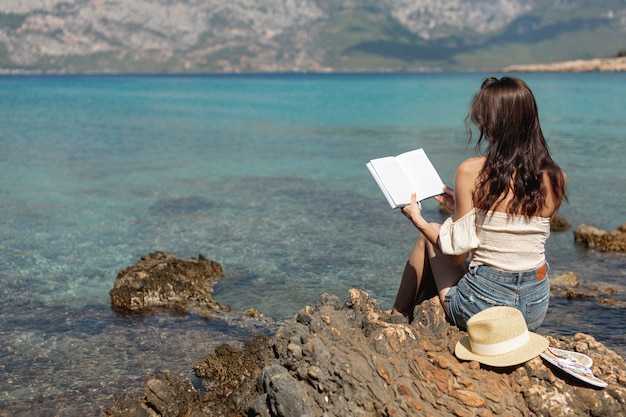 Sailing in Belize – Why It Should Really Be on Your Bucket List">

Go sailing in Belize this season: you’ll discover a massive Caribbean playground where imagination comes alive on deck. The reef, the lagoons, and the jungle lining the shore offer a great mix of scenery, wildlife, and culture that fits both relaxed cruises and active itineraries. Waves roll in and out as you set a course along turquoise water, and you’ll feel the wind sharpen your sense of discovery.
From Belize City, three main sailing corridors vary in depth and scenery: Turneffe Atoll, Lighthouse Reef Atoll, and Glover’s Reef Atoll. These spots sit roughly 20–40 miles offshore, with clear waters ideal for snorkeling and reef exploration, plus miles of pristine reef, a wealth of marine life, and delicious island meals ashore.
Plan for groups of friends or families: choose tours ranging from compact 4‑day hops to extended weeklong routes that let you sightsee between cays, stop at remote lagoons, and watch sunsets. Shuttles run between Belize City, reef bases, and inland towns, so you can combine sailing with land adventures without missing a beat.
Highlights include the barrier reef’s living color, the three atolls, and chances to snorkel with nurse sharks in lagoon coves. In the evenings, cruisers share drinks on deck while the cricket chirps in mangroves and the wind hushes the waves. You can tailor experiences to your pace, with shallow anchorages and longer sails depending on wind, tides, and itinerary.
For a practical plan, book trips that combine three do pięć stops, include on‑board meals with delicious local seafood, and offer optional snorkeling excursions with guides. Belize’s calm turquoise seas give you a clear view of schools of color, while inland jungles deliver a contrasting adventure with zip lines or cave tours–an easy way to stack in more memory making moments before you fly home.
Practical Belize Sailing: Routes, Timing, and Barrier Reef Access
Plan a 3–4 day reef loop starting in Placencia, heading north to Turneffe Atoll and Lighthouse Reef, then returning along calm channels for a comfortable finish.
From Placencia, sail north along the reef crest to Turneffe Atoll, with sheltered lagoons and intricate channels ideal for a first anchorage. Continue to Lighthouse Reef Atoll, where crystal water reveals coral gardens and bright colors, giving you a front-row view of the barrier reef. Kayaking around private islets lets you observe turtles and reef fish up close, while following a right-hand approach keeps you along protected passages towards quieter coves. Be prepared to behold large schools of fish at sunup as light shifts across the reef.
Timing matters: November through April offers steady easterly winds and clear seas, ideal for a reef loop. Start from Placencia in the morning to maximize sailing time, then anchor near an eco-lodge after watching the sunset. Postpone legs if weather turns; otherwise you’ll have time for swimming and relaxed meals with a chef on board. During May and June, you can still sail, but plan for variable conditions and shorter hops.
Access relies on protected passages and small shuttles to and from launch sites. If you lack a crew, choose an option that includes a chef on board and provisioning planning, so meals stay consistent. Look for eco-lodge partners on Turneffe and North Belize islands, offering shore stays and guided snorkeling (swimming, not diving) breaks that complement your on-water time. Shuttles connect air or road arrivals to the boat and bring you back to Placencia for the next trip.
When selecting trips, compare two-to-four day cycles with flexible schedules. If you want a slower pace, pick an option that prioritizes longer stops and more beach time; if you crave action, plan shorter hops with daily sailing. Planning ahead helps you secure spots at island eco-lodges and ensures access to shore-based activities on islands, where you can swim in crystal-green lagoons and admire the coral and its colors. Afterwards, you can return to Placencia and consider another route northward on a subsequent trip.
For a practical rhythm, set a sequence of anchorages at Turneffe, Lighthouse, and a couple of island stops near Placencia, with 2–3 hours of sailing each day and generous time for kayaking, swimming, and shore visits. This approach keeps you in control of the time and invites you to plan additional trips later, behold new coral gardens, and enjoy the reef colors again.
Best sailing routes and anchorages in Belize
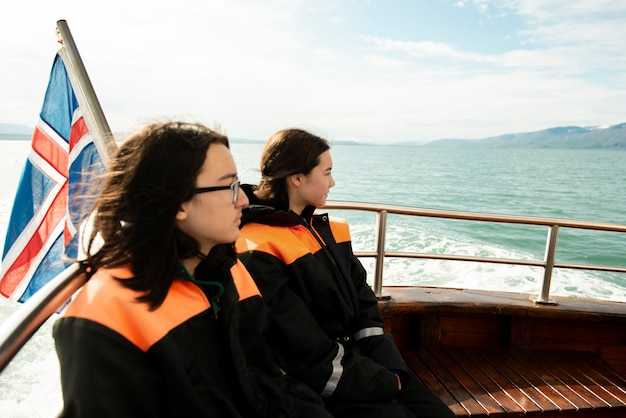
Recommended route: a four-day private loop from Ambergris Caye to Turneffe Atoll, then Lighthouse Reef Atoll, and finally Glover’s Reef Atoll before returning to Belize City or Ambergris Caye. This plan puts you on the best winds, clear seas, and dramatic views at each destination today.
From Ambergris Caye, head east to Pelican Cays Land and Sea Park in Turneffe Atoll. Plan short hops of 20–40 miles to sheltered lagoons where the water stays calm and the ride remains comfortable. In the lee, anchor in 8–18 feet of clear, sandy-bottomed water and enjoy a lazy evening with a gentle roll that lets you unwind and plan the next day’s head‑start.
Turneffe Atoll offers multiple protected pockets behind the atoll’s cayo clusters. Choose anchorages on the inner side of the atoll for the stillest nights and easy dinghy rides to the reef walls. Private moorings are common in several tranquil bays, giving you a quiet base for snorkeling, birdlife watching, and a short stroll back to your boat for relaxation and sunset views.
Next, sail to Lighthouse Reef Atoll, about 60 miles from Turneffe. Anchor near Half Moon Caye Natural Monument or Long Caye for the best shelter and dramatic surroundings. Depths of 6–15 feet in the lagoons give you solid holding in white‑sand bottoms, while the surrounding green reefs keep the water clear and inviting. If you crave a close‑to‑home feel, you can ride a short dinghy to the island facilities and meet fellow travelers for a private beach picnic.
Glover’s Reef Atoll, reached after the next leg, feels remote in a good way. Anchor in the lee of the motu or near isolated cayos where the seas stay glassy at dawn and the night skies deliver crisp, starry relaxation. The atoll offers wide, shallow lagoons with minimal boat traffic, ideal for a short pause before you head back toward the mainland. You may spot green sea turtles and a variety of reef fishes skimming the shallows, especially in the late afternoon light.
Return options vary, but a common plan is to ride four legs back toward Belize City with short hops of 20–40 miles. If you prefer to finish closer to home, end in Ambergris Caye while catching the last light over the barrier reef. Either way, the route gives you four distinct experiences: the sheltered lagoons, the reef walls, the private coves, and the open vistas that make Belize a memorable cruise destination.
Seasonally, plan for November through May to enjoy the most reliable trade winds and the clearest water. Today’s schedules favor shorter hops and frequent stops for relaxation, which keeps the voyage comfortable even if a late breeze shifts. If you’re a traveler who loves the idea of a private, well-paced cruise, this loop gives you the chance to live the moment and still return home with easy, relaxed evenings and plenty of views to share with your crew.
Practical notes: book anchorages with depth charts and approach guides, verify current mooring availability on private shores, and keep a close eye on weather changes. Always have a plan for alternative routes if the wind shifts; otherwise, you’ll enjoy a steady rhythm that turns each day into a short, memorable ride. Today’s best plan keeps you moving at a comfortable pace, with enough time for a cave exploration or a sea tube‑like channel at a protected cayo if conditions permit, while preserving plenty of space for lazy afternoons and sunset rituals along the way.
Optimal timing and wind patterns for Belize sailing
Only this window–late November through April–delivers reliable NE trades and smoother seas. Plan your Belize sailing trip to lock in these conditions for beach days and long passages along the cayes.
Wind and sea patterns shape every route, so use these guidelines to pick a starting point, a pace, and a sequence of stops that fit your couple’s plan. A wonderful, memorable experience awaits when you time it right. This mainly depends on your preferred pace and whether you want deep-water sails or relaxed hops to shore-friendly coves.
- Dry Season (Nov–Apr): Winds are predominantly NE to E-NE at 15–25 knots, with deep blue seas and visibility that makes reef snorkeling spectacular. Sails glide along a downwind leg from the northern cayes toward the south, stopping at beach towns and protected harbors. Lodging along the coast ranges from simple cottages to boutique lodges, and you can find deals if you book early. Note the reef edges host sharks in predictable feeding zones, so keep a respectful distance.
- Transition Months (Apr–May, Oct–Nov): Winds ease and shift, delivering shorter days and calmer mornings with occasional gusts in the afternoon. This gives you a flexible time for land days and caves exploration inland. It’s a great period for a couple seeking a relaxed rhythm and for securing lodging deals while keeping the schedule light. Mainly you’ll be selecting one or two longer sails and several shore stops.
- Wet Season (May–Oct): SE to S breezes dominate, with more frequent showers and variable squalls. Start early to maximize deep-water sailing before the usual afternoon rain; keep an eye on forecasts and plan anchorages near stone reefs or protected bays. This season offers lush scenery and a unique underwater world, with golf options inland and land tours that reveal Belize’s history and cave systems.
- Hurricane Season (Jun–Nov): Be prepared for tropical weather and possible disruptions. Maintain a flexible plan and choose sheltered anchorages near reef borders, and have a backup route ready to minimize exposure. Operators publish up-to-date warnings; if a system approaches, you can shift to a safe harbor and resume when conditions stabilize.
Flights from houston to Belize City (BZE) typically take around 2 hours on nonstop services; after landing, short transfers move you to Ambergris Caye or Caye Caulker to start sailing. From the capital Belmopan, most international travelers reach Belize City first, then board a domestic connection. Look for time-limited deals to lock in lower rates, and plan a day or two of lodging near the beach so you can acclimate before your first sail. soon you’ll feel the unique rhythm of Belize’s sea, smilesatisfied guests on board, and a voyage that promises memories that last a lifetime, blending history, reef life, and island culture.
Access to the Barrier Reef: from shore entries to guided excursions
Start with a guided half-day trip from Placencia to Hol Chan Marine Reserve and Shark Ray Alley to snorkel with bottle-nosed dolphins and colorful reef fish; gear is included and afterwards you’ll return with great stories and a quick lunch nearby.
From shore entries along Placencia’s beaches, you can test the water in shallow pockets, but the real reef trail lies beyond the first drop-off, reachable by a 25–40 minute boat ride when weather cooperates.
For longer exposure, trips to Turneffe Atoll or Lighthouse Reef Atoll let you explore an entire network of coral gardens and drop-offs; many operators run full-day itineraries (7–9 hours) with multiple snorkeling stops, and some offer package deals that include gear, guide, and lunch.
Belize sits in the Americas, with Placencia on the southern coast, offering warm breezes, friendly service, and dining options that pair with sunset views. In dry season, visibility runs high and winds stay light, while in other months you’ll want to plan around weather and boat schedules–north to south, the coast keeps offering new options.
After the reef, you can visit a saloon or beach bar to watch the sky change color; deals on multi-site trips can extend the experience to beaches along the southern coast.
Imagination comes alive when you explore the reef from Placencia; the whole experience is accessible to beginners and seasoned snorkelers alike, leaving you with awesome memories that you’ll savor afterwards.
Gear and provisioning for a comfortable voyage
Pack a compact provisioning kit and restock at every port.
For safety and power, equip a marine VHF radio, a handheld GPS, spare batteries, a 50 W solar charger, a dry bag for electronics, and a compact first-aid kit.
Galley setup includes a two-burner stove with fuel, pots and pans, a sharp knife, cutting board, oil, salt, pepper, and sugar, plus airtight containers for dry goods and a compact cooler for perishables.
Store gear in labeled containers and use zip bags to organize items by function; a set of reusable water bottles keeps hydration on track during days at sea.
Provision a rolling menu that covers breakfast, lunch, and dinner; keep a spice kit and coffee for flavor; plan simple, nourishing dishes that work with 2–3 day cycles between stops.
Belize shopping targets fresh fruit, bread, vegetables during port calls; choose sturdy options like citrus, onions, and carrots; wash before use.
Clothing and comfort include light, quick-dry apparel, sun protection, reef-safe sunscreen, insect repellent, and towels; a small portable fan or ventilation helps maintain a pleasant cabin feel.
Water planning calls for 20–40 liters of drinking water, plus 5–10 liters for cooking; treat water if supply is uncertain along the way.
Safety and maintenance center on spare parts, duct tape, epoxy, spare bulbs, fuses, and a basic tool kit; formulate a simple repair plan and practice routine checks before long hops between harbors.
If you sail with a crew, assign roles for provisioning, cooking, and cleanup; keep a log of purchases and consumption to minimize waste and keep the voyage running smoothly.
| Produkt | Purpose | Qty | Uwagi |
|---|---|---|---|
| Marine VHF radio | Safety communications | 1 | Stationary unit with handheld backup |
| Handheld GPS | Kopia zapasowa nawigacji | 1 | Chargeable; keep spare batteries |
| Spare batteries | Power for devices | 4–8 | Mix of AA/AAA depending on devices |
| Solar charger | Replenish power | 1 | Alt. power for day use |
| Dry bag | Keep electronics dry | 1 | Waterproof and durable |
| First-aid kit | Medical readiness | 1 | Include antiseptics and bandages |
| Two-burner stove | Cooking capability | 1 | With propane/butane canisters |
| Cookware set | Meal preparation | 1 | Non-stick skillet and pot |
| Airtight containers | Dry goods storage | 6+ | Durable, labeled |
| Zip bags | Organization | 20–40 | Assorted sizes |
| Compact cooler | Perishables | 1 | Powered by ice packs |
| Ice packs | Preserve perishables | 4–6 | Refreeze at ports |
| Water containers | Hydration supply | 2 | 10 L each |
| Spice kit | Flavor | 1 | Herbs, salt, pepper, curry |
| Oil, salt, sugar | Pantry basics | 1 bottle each | Carry small containers |
| Compass / maps | Orientation | 1 each | Backup navigation |
| Power banks | Device charging | 2 | High capacity |
| Inverter | AC appliance use | 1 | Low wattage only |
| Duct tape | Repairs | 1 roll | Resilient, waterproof |
| Multi-tool | General fixes | 1 | Knife, screwdriver, pliers |
| Sunscreen | Protection | 1 | Mineral or reef-safe |
| Środek odstraszający owady | Protection | 1 | DEET-free option |
| Towels | Drying and comfort | 2 | Quick-dry fabric |
| Sleeping bag liner | Extra warmth | 1–2 | Compact and washable |
| Biodegradable soap | Cleaning | 1 | Earth-friendly option |
Responsible reef etiquette and wildlife encounters to protect the ecosystem
Keep a respectful distance from reef life and never touch corals; maintain neutral buoyancy and use proper equipment to glide slightly above the reef. Here in Belize’s turquoise waters, most sightings happen during searching for wildlife when you search with calm, measured movements rather than chasing flashes of color; youve got to let the reef come to you, not the other way around.
If youve spotted sea turtles, rays, or reef fish, stay still, back away slowly, and avoid touching or feeding; reply to your guide’s signals and follow their direction. They know the currents and protected zones, and guided routes help keep these encounters safe; you will be welcomed back to future adventures.
Before entering the water, check your gear: equipment, mask, fins, buoyancy regulator, and a reef-safe sunscreen if you use it. Avoid stepping on the reef or dragging equipment along the bottom; private charter and eco-lodge offer briefings to minimize impacts and route you to resilient zones while keeping the experience smooth and under control. Under current advisories, carry a reef-safe bag for any trash and respect last season’s guidelines.
Mayan reef system thrives on slow, low-impact adventures; just these practices help maintain turquoise water clarity and life year after year. If you are on a private trip, your guided captain can tailor routes that avoid nurseries and spawning sites, and you can be welcomed by an eco-lodge that emphasizes reef-first policies, turning every encounter into a mindful, zapierający dech w piersiach moment.