


 Polski
  English (UK)
  Русский
  العربية
  日本語
日本語  한국어
한국어  Magyar
  Türkçe
  Español
  Čeština
  Svenska
  Português
  Ελληνικά
  Suomi
Suomi  Nederlands
  Română
  Italiano
  Français
  Українська
  Deutsch
  简体中文
简体中文  Slovenčina
  Safety at Sea 2026 – February 15 and February 22 Dates Confirmed">

Confirm your readiness today by reviewing the printable safety checklist for February 15 and February 22, 2026, and ensure every wearer on board has properly fastened life jackets, working radios, and up-to-date emergency contacts. In rough seas, a calm, quick response prevents escalation, and clear radio discipline keeps the bridge and deck in sync, reducing the risk of collisions.
On each date, the program presents two main blocks, including a collisions-and-communications module and a hands-on emergency drill. The blocks run with short scenarios drawn from various on-board situations, and a printable one-page briefing is provided to every wearer to consult there on the deck or in the wheelhouse.
During life-threatening events, people on the scene should use blunt, concise radio messages and assign a handler to manage equipment and people. The plan covers how to handle situations ranging from engine failure to near misses and collisions, with clear steps that keep calm and maintain situational awareness. Everyone should know where to locate head protection and PPE, and keep emergency radios charged and ready there on the rail.
To implement this on your vessel, download the printable guide before departure, verify two radios are operational across separate circuits, and rehearse a 15-minute drill with the crew. The practice builds readiness in various weather and sea states, helps handle rough seas, and ensures there is a clear chain of command and documented steps there for reference on the bridge.
Fire safety planning for the February 15 and February 22 sea safety events
Assign a chief fire safety officer and run a full drill, ensuring running checks, ahead of the February 15 and February 22 sea safety events to build the foundation of your plan.
Map the vessel layout, appoint a lookout, and assign teams of personnel for immediate response; most of the warning systems should be tuned to the real conditions.
Keep a stock of extinguishers, fire blankets, and hoses, and ensure all electronics are in safe enclosures with proper grounding; inspect power draws and keep spare fuses ready to handle everything.
Train the majority of crew in basic fire tactics: maintain a clear lookout on deck, practice steady steering, and note heading changes and slow down during rough seas; fit a harness for crew on exposed areas.
Prepare a rapid response for a victim: move to a safe area, provide warmth, monitor breathing, and call for medical help while keeping them calm and careful.
Establish a simple warning chain: VHF, loud hailers, and visual signals; maintain clear visibility of escape routes and limit access to fuel and electrical spaces to reduce ignition risk.
After each drill, gather feedback from personnel, knowing what worked and what did not, so they prepared for real sailing operations.
Pre-event fire drills for ships on February 15 and February 22
Schedule two focused pre-event drills on February 15 and February 22, each lasting 45 minutes, with a fixed start time, a brief scenario, and a clear after-action review. Ensure every member on board participates and receives a certificate after the debrief.
Prepare two scenario variants: one tests fireflooding in storage zones, the other simulates smoke and heat drift along a side of the vessel. Use realistic materials and alarms, keep lighting and sound consistent, and verify that firefighting gear, hoses, and harness are ready for use. Framing the exercise this way reduces anxiety and lowers the risk of death during an actual event. Maintain a careful pace to keep participants focused.
Assign roles to the team onboard: captain, safety lead, hose operators, and first-aid handler. We want a simple, repeatable chain of command and a concise radio protocol to keep communications clean as winds vary. Include a short brief on equipment locations, storage areas, and how to handle them on both sides of the ship.
Inspect equipment inventory: extinguishers, foam systems, pumps, PPE, lighting, and the harness. Confirm each item has a current certificate or inspection tag, and that storage areas remain clear and accessible. Record serials, locations, and handling instructions to help staff receive updates quickly.
Post-drill review should capture data: detection time, response time, number of members engaged, and any trouble or near-miss. Log observations in the drill file, note how the plan works for different species of vessel layouts, and assign corrective actions to the responsible member. Schedule a follow-up within the week and update the plan for the year.
The approach should include a brief storage checklist, a compact set of training materials, and a system to issue certificates to members who complete the drills. This structure should improve safety culture, reduce anxiety, and ensure readiness across all races of ships.
Checklist to inspect fire detection and suppression gear before the dates
Inspect fire detection and suppression gear at least 7 days before each date, log results, and replace worn detectors and exhausted extinguishers. Perform hands-on checks with crews to confirm operation of smoke detectors, heat sensors, and alarms, and verify power and battery backups are intact. Ensure at least 3 feet of clearance around extinguishers and record the work results with dates and any parts replaced.
| Produkt | What to check | Pass/Fail Criteria | Documentation | Responsible |
|---|---|---|---|---|
| Smoke and heat detectors | Detectors in cabins, saloon, galley, and engine room. Confirm self-test or push-button test works; verify battery backups and audible/visual alarms; check for dust, insects, and proper mounting. | All sensors respond to test within 30 seconds; no fault codes; battery voltage adequate; alarms audible at all crew stations. | Test date, location, technician initials; next due date; attach service certificate if applicable. | Crew lead / Safety officer |
| Fire alarm panel and circuits | Indicator lights normal; no fault codes; test main power and backup power path; check wiring and grounding. | No faults; status shows normal; last test within 6 months. | Panel log entry; notes on faults or corrective actions; certification/inspection issued date. | Engineer or Captain |
| Portable extinguishers | ABC/CO2 units: gauge in green, tamper seal intact, pin in place, hose clear; inspection tag visible; check for corrosion; maintain at least 3 feet of clearance around each unit. | Pressure in green; tamper seal present; next hydrostatic test date on label; no signs of damage; clear space. | Tag dated; hydrostatic test date; service certificate; next due date. | Deck crew |
| Fixed engine room suppression | Agent container pressure gauge, release valve, and piping; verify manual pull station is accessible; check for leaks; wiring harness intact. | Pressure in normal range; release mechanism reachable and unobstructed; no leaks; last service date. | Last service certificate; inspection date; notes on any partial discharge. | Chief engineer |
| Fire blankets and hoses | Locations free and accessible; blankets present; hoses free of cracks and kinks; nozzle and release handles clear. | All blankets present and accessible; hoses in good condition; no blockages. | Inventory tag; last inspection date; next due date. | Deck crew |
| On-water drills readiness and comms | Plan a 1-day on-water drill; verify radios (comms) working; test mayday calls; practice roles; include survival gear checks. | Drill completed with participation; radios showing battery OK; mayday procedures rehearsed; no injuries. | Drill report; lessons learned; status of equipment; update training records. | Safety officer / Captain |
| Documentation, certificates, and training | Keep certificate/inspection records; ensure certification and issued dates; verify crew training is current. | All certificates current; next due dates noted; crew with up-to-date training. | Safety binder entries; training roster; dates of certification and issued documents. | Captain / Safety officer |
For sailings from Seattle, coordinate with certified technicians and use comms to support on-water drills. Regarding emergencies, most faults surface during pre-checks, so advance learning and preparation go toward protecting survivors, and a victim if one is found. A 1-day on-water drill, including radios and signaled responses, helps crews practice how to respond in emergencies, and it pays off when a helicopter or SAR asset goes to assist.
Crew roles and evacuation procedures during fire events on these dates
Designate a Fire Response Lead on every vessel for these sailings and implement a concise, role-based action plan for Feb 15 and Feb 22. Include a briefing that covers alarm signals, muster locations, and evacuation routes to reduce accidents and injuries from fires. The lead must require clear communication across the bridge, engines, bilge, and crew while ensuring beacons, mayday procedures, and basic safety routines are ready for immediate action when a fire starts. During fire events, keep sails trimmed and secured to prevent entanglement and fuel exposure.
The Fire Lead coordinates a team: Captain or Safety Officer on the bridge, deck crew as Fire Wardens, Engine Room/Pumps Operator, Electrical/Instrumentation, Galley/Smoke Control, Bilge Operator, and a Rescue/Medical helper. Knowing each role, they inspect spaces for heat, smoke, and fuel leaks; they think through control points such as bilges, engines, hatches, and sails. They follow abyc safety standards and basic procedures, and maintain beacons ready for immediate mayday signaling when needed.
When fire is detected or a container ignition occurs, the Fire Lead triggers calm, direct orders and, if needed, a mayday. They close ventilation to the affected area, seal doors, and, when safe, shut down engines and isolate power and fuel valves. They keep the crew informed of the right course to take, including the nearest muster station and the location of beacons. If evacuation is required, deploy liferafts or life-boats, head to the side of the vessel away from the fire, and prepare beacons for rescue. For offshore operations, coordinate with helicopters via the airway plan, and follow the most direct heading to the rendezvous point.
Battery fires demand rapid actions: isolate the battery, switch off the circuit, and use a dry chemical (or CO2) extinguisher suitable for electrical fires. Do not pour water into the battery compartment unless a manufacturer-approved protocol says so. Ventilate the space as soon as practical, then inspect for hidden hotspots and re-check the area before resuming sailings. They must know the right sequence: first secure power, then extinguish, then ventilate.
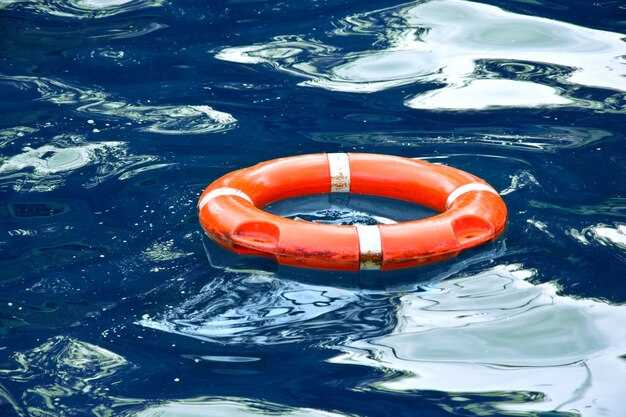
Training and drills must occur regularly: run practice mayday calls, muster, and evacuation at least before these dates. Follow abyc guidelines and relevant courses, verify that lifejackets, lifebuoys, fire extinguishers, and beacons are in date and accessible. After drills, document lessons learned and update procedures, so crews feel calm and confident on deck and in engine rooms.
Passenger safety and communication during drills on February 15 and February 22
Give every passenger a concise safety briefing before drills and appoint a dedicated safety communicator in the cockpit to provide live updates using both lights and voice cues.
Drills on February 15 and February 22 will run with full crew and scheduled times. The provided safety bundle includes life jackets, signaling devices, a survival suit option, and quick-reference cards. The drills will be practiced on-water to mirror real conditions, including storm simulations to test crew response while keeping risk of life-threatening events low.
Before launch, inform those aboard of the drill scope and safety expectations. Keep the severity of simulated incidents within safe bounds and ensure clear escalation paths. The source of commands comes from the captain and the safety officer, and all messages are echoed across the crew to ensure consistent understanding.
During drills, maintain two channels: voice announcements via the public address system and visual signals using lights and flags. The cockpit coordinates inter-crew messaging and cross-checks with the bridge. If a passenger signals distress, crew must log the call and escalate to the safety officer immediately.
- Pre-drill verification: confirm life jackets and rescue equipment, verify lights function, check the bundle of safety gear, and ensure suits are available for those required by their role.
- Passenger guidance: identify those who require assistance and direct them to muster stations; assign a buddy from the crew to support them.
- On-water maneuvers: practiced safe formation, abandon-ship steps, and ditch procedures; coordinate with nearby traffic to avoid conflicts with any races.
- Documentation and learning: log all incidents and feedback, record severity and injuries, and share lessons with sailors, their membership, and broader teams.
Key success metrics include timely passenger gathering, correct use of life-saving equipment, and zero injuries and zero deaths. The program will measure response times, clarity of announcements, and adherence to ditch procedures, with results used to advance passenger safety awareness. Incidents will be categorized by severity and source, ensuring targeted improvements and a stronger safety culture among crew and their membership.
Coordination with port authorities and firefighting services during the events
Upon confirming Safety at Sea 2026 dates on February 15 and February 22, implement a joint operations plan with port authorities and firefighting services. Create a single written page capturing responsibilities, contact details, and emergency routes; provide a printable version to every ship and agency by Sunday noon. Align weather monitoring with the hemisphere of operations, and include an airway broadcast channel for rapid notices to all crews.
Establish a single point of contact (SPoC) for port authorities, harbor master, and firefighting services. Maintain a running log of events and decisions, shared through secure electronics at dockside and on-water command posts, with their incident codes. Predefine siren and radio protocols, and ensure safety personnel know entry routes to berths and vessel decks, keeping away from nonessential channels to avoid congestion.
Schedule pre-event check-ins twice daily in the lead up to February 15 and February 22. Use a printable checklist and a short summary for quick reference. Assign firefighting teams to zones: side A, side B, and the quayside risk areas. Preposition pumps, foam, and rescue equipment near key berths. In storms or heavy weather, switch to on-water patrols and mobile firefighting units. Use documented solutions for rapid response and continuous coordination. Keep operations safely coordinated across all teams.
Training and drills: conduct abandon-ship and fire drills with port personnel and harbor authorities; practice sight and arrival checks; ensure the written record of efforts and decisions is completed within 24 hours; provide a printable summary to stakeholders.
Post-event review: check accidents, review chapters from port authorities and firefighting services, and share a written report with northern and southern hemisphere stakeholders. Include refund procedures if cancellations occur, and publish printable guidance for future events.