


 Polski
  English (UK)
  Русский
  العربية
  日本語
日本語  한국어
한국어  Magyar
  Türkçe
  Español
  Čeština
  Svenska
  Português
  Ελληνικά
  Suomi
Suomi  Nederlands
  Română
  Italiano
  Français
  Українська
  Deutsch
  简体中文
简体中文  Slovenčina
  Rent a Catamaran in Mykonos – Best Prices Selection for Catamaran Rentals">

Recommendation: secure a september, midweek multihull charter through a local booking channel to lock favorable terms and smoother check‑in at tourlos port. This approach minimizes weekend surcharges and keeps crew options flexible during a longer, comfortable voyage along the coast, with quick access to windmills, tavernas, and secluded coves.
Rates of a 40–45 ft crewed multihull hover around €2,000–€3,200 in september, with extras covering skipper, provisioning, and marina dues at tourlos. Early-commitment discounts exist; a 7–10 day sample itinerary works well, and alegria and sanya appear in operator rosters, both with robust safety gear and professional crews. Booking ahead remains essential to secure these options.
Key sights include windmills near the northwest promontory, the harbor area, and sunset tavernas along the waterfront. The crew can craft a compact route with discreet retreats to narrow coves and crystal‑clear water, delivering a fantastic balance of beauty and relaxation. If you need to expand, they can extend the itinerary to include a day trip to the main port area, coordinating with provisioning in tourlos.
To ensure you cant miss the right choice, check licensing, safety record, and insurance; read reviews via the booking platform; review a sample itinerary, and confirm inclusions such as skipper, life jackets, VHF, EPIRB, and fuel. Ask for a written quote that itemizes port dues and marina charges; seek a 3–5 day window in september to test conditions before committing to a full month.
Found options exist across the Cyclades; take time to compare alegria and sanya, which suit your need for comfort, navigation, and schedule. nach reviewing itineraries, a september month with lighter winds often yields good value; a longer month can be arranged only with flexible terms, though availability narrows as the season nears. The island’s windmills and sights remain a memorable backdrop for a relaxed retreat.
Catamaran rental pricing and license basics in Mykonos
Plan early and confirm availability with operators offering licensed captains; july demand peaks, so secure a slot at least a few weeks ahead. Charters are quoted per day or per week, and crewed options carry higher rates during peak season. If you want serenity at sea, choose a vessel with a licensed skipper, which often yields smoother itineraries and easier access to marinas.
License basics: for bareboat operations, a recognized certificate of competency (ICC or an equivalent national credential) plus proof of sailing hours is typically required. If you lack such credential, hire a skipper provided by the operator; their license and a brief sailing resume suffice. For groups planning a long voyage, confirm the captain’s qualifications align with vessel size and the intended route. heres what to prepare: verify credentials, ensure they cover the vessel length and engine power, and have digital copies ready before arrival. Once youre planning, you can upload documents for pre-approval. Here, you can store scans and share them with operators.
Pricing depends on season and configuration. In july, crewed catamaran charters with five cabins typically range around €7,000–€12,000 weekly; bareboat options start roughly €3,500–€6,000 per week, with marina dues and provisioning extra. These figures come from merihas listings and greek enthusiasts who compare operator offerings across marinas along the riviera coast, and they wont disappoint if you plan carefully. If youre planning yourself, heres what to expect: the unmatched serenity of the sea, the tiny isles, the long days, and the atmosphere of tavernas ashore. Moon nights and temperatures in july stay warm, adding to the unique charm. Look for vessels named moni or aquarella, and consider five-cabin layouts common for groups of friends or families. Once here, you can look at short trips or week-long escapes to maximize time in marinas, visit ruins, and enjoy the greek culinary tavernas. The moonlight, the water, and the breeze create an atmosphere you wont forget.
Seasonal pricing, duration, and how to lock in the lowest weekly rate
Lock in the lowest weekly rate by booking a seven-night window during the shoulder season and placing a modest deposit today to secure a rate hold aimed at enthusiasts.
Seasonal pricing shifts with wind conditions and demand. In the low season (Nov–Mar) weekly rates typically run from €6,000 to €9,500, with engine options and deck configurations influencing the total. Mid-season (Apr–May, Sep–Oct) ranges from about €8,500 to €15,500, and peak weeks (Jun–Aug) climb to €12,000–€25,000, with the most breathtaking units featuring unique layouts; sd96 packages bring extra value.
Duration options include full-day experiences, 2–3 night escapes, and week-long loops that visit paralia and kithnos, with a course across ancient ports and crystal coves.
To lock in the lowest weekly rate: 1) pick off-peak windows; 2) request a rate hold with a modest refundable deposit, typically 20–30%; 3) review available spaces across types to find a layout that fits the crew and engine placement; 4) confirm with the operator and sign the agreement; 5) apply any promo code sd96 if available.
The service captivates enthusiasts, and enchants with a nice balance of creature comforts and performance; wind and conditions add color to each sail, while the experience remains uniquely breathtaking.
Bottom line: the most cost-effective path hinges on off-peak operation, flexible dates, and early commitment; local crews support this approach, helping enthusiasts seeking unique, breathtaking itineraries, like a route from paralia to kithnos and back while enjoying smooth wind and favorable conditions.
Bareboat vs skipper-charter: license types accepted by Mykonos operators
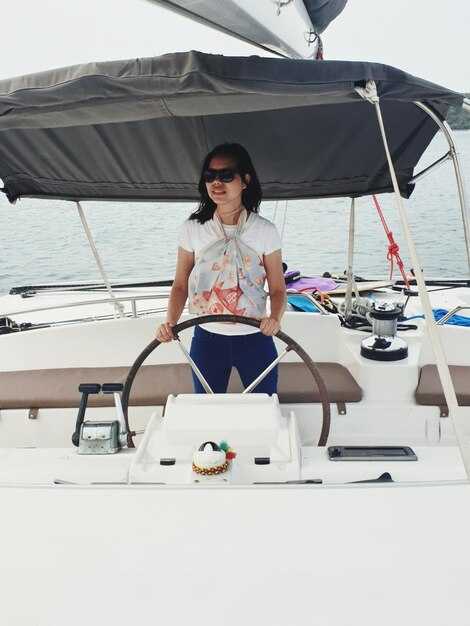
Recommendation: If you hold an ICC or a national captain’s license recognized by greece, bareboat is an option. If not, skipper-hire supplies easy access to experiences while exploring islands such as tinos and siros.
License types accepted by operators across greece’s sailing scene:
- ICC (International Certificate of Competence): recognized by Greece and many flag states; valid on craft up to 24 m depending on the certificate; some operators request validation or translation if issued outside the EU. This option suits cosmopolitan visitors seeking a gateway to tranquil coves and the riviera coastlines; it can be a very powerful choice.
- RYA certificates (Day Skipper, Coastal Skipper): widely accepted, sometimes with Greek validation requirements; translations into English may help. Easy to arrange for onboarding, especially when you request guidance today.
- Greek captain’s license (national certificate): accepted on locally registered vessels; ensure the vessel’s flag aligns with operator rules. This fact supports a smooth cruise through familiar coastal routes.
- Non-EU credentials: acceptance varies; many operators ask for validation by the Greek Maritime Authority and an English translation; otherwise skipper-hire remains the simpler path. sd96 documentation might appear in some fleets’ notes, depending on the operator.
- Skipper-hire option: a licensed captain handles the license obligations; you join as guests; this path delivers tranquility and allows focusing on tiny coves, idyllic sunsets, and fantastic experiences in the cosmopolitan archipelago.
- Documentation checklist: original license, passport, and any required medical certificate; keep copies on request and present at check-in; some fleets request additional records as part of safety procedures.
- Safety and crew: larger craft commonly require a Master-level credential on board; a professional crew on deck ensures everyone remains safe while cruising along the coastlines.
- Practical limits: bareboat tends to be restricted to vessels under 24 m; beyond that, a Master certificate or equivalent endorsement is typically needed.
Today’s tip: request details from the operator before finalizing; this helps to find the right option, ensures you meet the requirements, and makes the process easy for everyone. The experiences across tinos, siros, merihas, and greece’s coastline captivate visitors with tranquil days along the riviera; this gateway to the sea holds a lovely promise for a safe, powerful cruise through idyllic coves and fantastisch sunsets.
Required qualifications for captains and crew when renting a catamaran
Recommendation: Verify credentials before any agreement; onboard leadership starts with a captain holding a valid maritime endorsement and a crew with hands-on safety experience on catamarans in coastal waters. Engine reliability and depth awareness in bays are non-negotiable, ensuring a smooth voyage.
Captain qualifications: A recognized license suitable to commercial operations, such as IMO Master or national equivalent, with a minimum of five seasons commanding sail or power catamarans in coastal waters. Documented overnight passages, depth knowledge in busy anchorages, and a proven ability to manage a small group of visitors are essential.
Crew qualifications: At least one licensed engineer or mechanic responsible for engine and electrical systems, plus deckhands trained in safety, mooring, and maintenance. Required certificates include first aid, CPR, and VHF radio operations; the crew must be able to respond to any request from guests onboard.
Onboard safety and procedures: Daily safety briefing, life jackets accessible, life rafts ready, and emergency drills practiced during layovers in beautiful bays. Ensure anyone in the visitors group can request assistance, and that the crew can organize a barbecue setup if the group wants a sun-kissed evening on deck.
Insurance, safety gear, and costs: Verify hull and liability coverage, medical evacuation provisions, and disaster response plans. Costs should be itemized transparently in rental paperwork; avoid hidden charges. A sample contract should specify overnight limits and maximum group size.
Booking process and form: Request a crew roster, certifications, and a clear form with the itinerary, anchorage plan, and safety equipment list. Example itinerary: plan routes through central cyclades, including kithnos, paralia, and samara stops to craft a sun-kissed experience for a beautiful group.
Wskazówki dotyczące planowania podróży: Discuss depth-based anchoring, preferred bays, overnight options, and alternative stops in case of weather. Clarify costs tied to engine hours and port calls; anyone with a solid track record can negotiate better terms.
Bottom line: A flagship crew with proven credentials lifts the experience from average to elegant, allowing visitors to enjoy a safe, scenic voyage along the cyclades, from kithnos to paralia and beyond.
Insurance, deposits, and damage liability you should understand before booking
Start with clear coverage and a capped deductible; ensure youre protected against third-party claims and hull damage during your charter. Polisa odpowiedzialności cywilnej morskiej powinna obejmować co najmniej 1 000 000 EUR, z udziałem własnym nieprzekraczającym 5 000 EUR w przypadku typowych jednostek pływających przewożących do 12 gości. Należy sprawdzić, kto ponosi koszty w przypadku szkód powstałych podczas aktywności w marinach lub na lądzie oraz czy polisa obejmuje łodzie pomocnicze, pontony i sprzęt obsługiwany przez te łodzie.
Deposits: zażądaj pisemnego harmonogramu wpłat depozytu, zawierającego kwotę zabezpieczenia, metodę płatności i warunki zwrotu. Typowe zakresy: 10%–30% podstawowej kwoty czarteru lub stała kwota między 2 000 a 6 000 EUR w zależności od wieku jednostki, sezonu i historii dokowania. Należy nalegać na jasną politykę odliczeń wyszczególnionych w pozycjach, obejmującą wszelkie roszczenia dotyczące istniejących wcześniej uszkodzeń, opóźnienia w zwrocie oraz utratę wyposażenia, takiego jak grill, łóżka i kamizelki ratunkowe.
Odpowiedzialność za szkody: Przeczytaj warunki odpowiedzialności, które określają Twoją odpowiedzialność w przypadku uszkodzeń sprzętu, wnętrz lub żagli. Rozróżnij incydenty spowodowane przez Twoją załogę, innych gości lub czynniki zewnętrzne. Wyjaśnij, czy pobierane są opłaty za kosmetyczne zadrapania i co stanowi nadmierne zużycie żagli, pokładów lub elektroniki. Jeśli to możliwe, poproś o ograniczenie łącznej odpowiedzialności podczas rejsu.
Bezpieczeństwo i dostęp: upewnij się, że lista kontrolna przekazania obejmuje dostęp do kabin z łóżkami, stanowiska sterowania i kuchni; potwierdź akceptowalne metody płatności i czy kaucja gotówkowa podlega zwrotowi po inspekcji. Dobry partner dostarczy udokumentowany inwentarz uszkodzeń, zdjęcia i podpis obu stron przy odbiorze w malowniczej, kryształowej, czarującej scenerii w pobliżu rynku z urokliwymi marinami.
Wskazówki dotyczące zapobiegania uszkodzeniom: poproś o przedczarterowy przegląd wszystkich wskaźników, od systemu kotwicznego po grill i przewody gazowe. Zapytaj o dodatki, które zmniejszają ryzyko, takie jak dedykowany skipper z lokalną wiedzą na temat tras Delos i Rhenia. Wybór statku z solidnymi relingami, antypoślizgowymi pokładami i białymi powierzchniami wewnętrznymi może zmniejszyć zużycie kosmetyczne Twojej załogi. Jeśli organizujesz imprezy, zaplanuj załogę, która będzie nadzorować dostęp i utrzymywać porządek na pokładach.
Lista kontrolna rezerwacji: porównaj oferty kilku operatorów w malowniczych portach; poproś o wzorcowe certyfikaty ubezpieczeniowe, zweryfikowaną listę wyposażenia (łóżka, grill, siatki, kamizelki ratunkowe) oraz zobowiązanie, że uszkodzenia będą naliczane dopiero po wspólnej inspekcji. Wybierz partnera, który komunikuje się jasno, oferuje elastyczne opcje płatności i zapewnia przejrzystą, rynkową stawkę odpowiadającą oczekiwanemu poziomowi usług.
Każda podróż może być dostosowana do Twoich preferencji, oczekiwań partnera i spektakularnego planu podróży, który pasuje do Twoich żeglarskich planów – niezależnie od tego, czy płyniesz między Delos i Renią, czy też zatrzymujesz się w uroczych portach wzdłuż kryształowego, czarującego wybrzeża. Takie podejście zapewnia doskonałe wrażenia, dostęp do plaż z białym piaskiem i pozwala cieszyć się zdrowymi spotkaniami z przyjaciółmi i rodziną, od kameralnych pokładów po żywe spotkania przy grillu.
Ukryte koszty, na które trzeba uważać: paliwo, opłaty portowe, ponton, prowiant i wyposażenie.
Zaplanuj dodatkowe 20–30% poza podstawowymi opłatami i zarezerwuj z wyprzedzeniem najpotrzebniejsze rzeczy, takie jak paliwo, opłaty portowe, korzystanie z pontonu, zaopatrzenie i sprzęt.
Zużycie paliwa zależy od prędkości; z postawionym grotem, spodziewaj się zużycia silnika na poziomie 8–12 l/godzinę przy 6–8 węzłach; olej napędowy na Cykladach kosztuje mniej więcej 2,20–2,60 € za litr w szczycie sezonu, takim jak sierpień, więc planuj odpowiednio, szkicując trasy na Eginę lub na północne wyspy; każdy znajdzie coś na swoją kieszeń; miej rezerwę na nieprzewidziane wydatki.
Opłaty za marinę/port różnią się w zależności od długości całkowitej i sezonu; typowe stawki za noc dla średniej wielkości katamaranu w Tourlos lub podobnych miejscach wahają się od 70 do 150 EUR, a w szczycie sezonu w sierpniu sięgają 180–220 EUR; sprawdź z wyprzedzeniem i poszukaj opcji pakietowych, które obejmują wodę lub energię elektryczną, aby zmniejszyć dzienne wydatki. Starożytne mury portowe rozbrzmiewają echem w miejscach wokół Tourlos i innych portów na Cykladach, choć cumowanie wiąże się z kosztami.
Ponton może być wliczony w cenę lub wynajmowany oddzielnie; dzienny wynajem kosztuje zwykle od 25 do 60 EUR, a paliwo do silnika w pontonie to około 5–15 EUR na wyprawę; niektóre czartery oferują bezpłatny silnik zaburtowy, ale sprawdź to; zaplanuj rezerwę na dodatkowe dni podczas odkrywania nowych miejsc wokół Cyklad.
Robienie zapasów w portach i na wybrzeżach może obniżyć koszty; w Eginie i innych bazach na Cykladach można kupić lokalne oliwki, fetę, owoce morza i świeże produkty; praktyczny dzienny budżet na zaopatrzenie wynosi około 25–60 € na osobę, w zależności od gustu. Nie można się pomylić, zaopatrując się w podstawowe produkty z bazy domowej na pierwszy etap podróży.
Opłaty za sprzęt mogą obejmować zestawy do snorkelingu, kajaki, deski SUP, części zamienne i konserwację; sprawdź, co jest wliczone w cenę; wiele jednostek oferuje podstawowe wyposażenie; artykuły premium kosztują 10–40 € za dzień, plus potencjalne części zamienne na sytuacje awaryjne oznaczone kodami sd96; zawsze potwierdzaj listy wyposażenia przed wypłynięciem. W odniesieniu do tych kosztów, prowadź prosty arkusz kalkulacyjny, aby porównywać opcje w poszczególnych dniach.
To opcja, która odpowiada szerokiej gamie gustów: jacht z wnętrzem w nowoczesnym stylu, stworzony, by dawać poczucie wspaniałości, oferujący spektakularne widoki na Cyklady; zaczynasz w Tourlos, a następnie płyniesz na północ w kierunku Eginy, by przeżyć jednodniowe przygody i kolekcjonować wakacyjne wspomnienia; te doświadczenia mogą być naprawdę satysfakcjonujące, zwłaszcza gdy możesz zjeść kolację w restauracji na lądzie, a następnie spędzić noc pod gwiazdami; naprawdę chciałbyś powtórzyć te przygody.
Wyślij brokerowi wcześnie listę kontrolną, odnosząc się do tagu sd96 i listy wyposażenia, aby uniknąć niespodzianek w ostatniej chwili.