


 Polski
  English (UK)
  Русский
  العربية
  日本語
日本語  한국어
한국어  Magyar
  Türkçe
  Español
  Čeština
  Svenska
  Português
  Ελληνικά
  Suomi
Suomi  Nederlands
  Română
  Italiano
  Français
  Українська
  Deutsch
  简体中文
简体中文  Slovenčina
 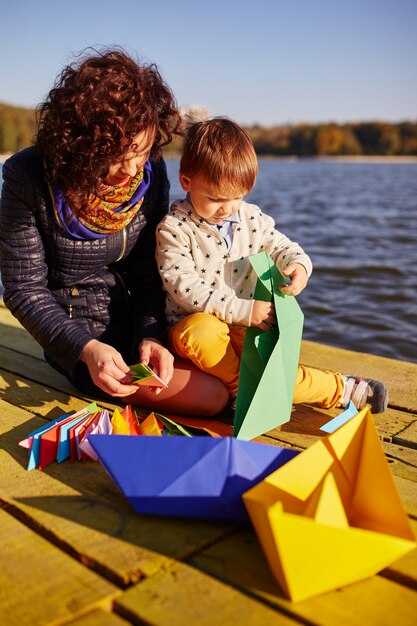 Planning Your First Big Sailing Trip with Kids – A Practical Guide">

Zacznij od konkretnego planu: wybierz 2-4 dniowy etap testowy w pobliżu osłoniętych wód, najlepiej wokół wyspy. Wybierz niezawodny jacht żaglowy z wygodną kabiną i zaplanuj dzienny rytm, który uwzględnia krótką przerwę na przekąski i odpoczynek oraz rezerwę na wypadek pogody.
Utwórz współdzieloną listę zadań: zadania takie jak kontrole bezpieczeństwa, zaopatrzenie, wyznaczanie tras, dyżury wachtowe i monitorowanie pogody. Ja dla siebie przygotuję wydrukowaną listę kontrolną i kopię cyfrową, którą będziemy mogli razem edytować, i przypiszę innemu członkowi rodziny rotacyjną rolę do wnoszenia wkładu, aby praca była rozłożona.
Przede wszystkim bezpieczeństwo: dzieci przypięte do kamizelek ratunkowych o odpowiednim rozmiarze, z linkami bezpieczeństwa, gdy znajdują się nad pokładem, oraz jasne zasady dotyczące tego, gdzie można stać na żaglówce. Ćwicz zachowanie spokoju podczas manewrów i unikaj ryzykownych działań; angażuj wszystkich w ćwiczenia bezpieczeństwa, aby utrzymać spokojną i skoncentrowaną atmosferę, dzięki czemu osoby na pokładzie czują się pewnie.
Logistyka i sprzęt: pakuj lekko, używaj kompaktowego sprzętu kuchennego i planuj posiłki, które są łatwe do przygotowania na małej kuchence. Utrzymuj krótkie postoje na wyspach, aby podróż była łatwa do zniesienia dla tych, którzy nie czują się jeszcze pewnie na wodzie.
Nastawienie i doświadczenie: przemyśl, w jaki sposób będziesz podejmować decyzje o skróceniu trasy i upewnij się, że wszyscy zainteresowani się z tym zgadzają. Podczas żeglugi na bieżąco objaśniaj wskazówki pogodowe i notuj, co sprawdza się dla osób na pokładzie, aby nie zapomnieć o tym, co najważniejsze przy następnym planowaniu.
Następne kroki: zaplanowanie próbnego lotu uzupełniającego z kolejnym 2-dniowym etapem, stopniowe zwiększanie odległości w miarę nabywania doświadczenia. Udokumentuj wkład każdego dziecka, dostosuj przydział pracy i buduj pewność siebie z każdą przerwą i kotwicą.
Praktyczne planowanie rodzinnej przygody żeglarskiej z dziećmi
Rekomendacja: Spakuj kompaktowy zestaw bezpieczeństwa i przetestuj kamizelki ratunkowe na pokładzie przed wypłynięciem, a następnie zaplanuj krótki pierwszy odcinek, aby zbudować pewność siebie i utrzymać wzrok wszystkich na horyzoncie.
Powód: Realistyczny plan z uwzględnieniem potrzeb dzieci redukuje stres, pozwala utrzymać rozsądny czas żeglowania i zapewnia więcej czasu na eksplorację na lądzie. Zaplanujcie od dwóch do czterech godzin żeglugi dziennie, z regularnymi wizytami na lądzie, aby odzyskać energię i zaspokoić ciekawość.
Następnie zaangażuj wszystkich w planowanie. Daj dzieciom małe zadanie każdego dnia, takie jak sprawdzanie kierunku wiatru, wyznaczanie prostej trasy na mapie lub notowanie oznaczeń boi. Dzięki temu pozostają zaangażowane, lepiej widzą wybrzeże i niebo oraz pomagasz im poczuć się właścicielami przygody bez obaw.
Z początku wybieraj trasy wzdłuż brzegów, zatoki osłonięte od wiatru lub chronione kanały w spokojniejsze dni. Unikaj długich przepraw, dopóki nie nabierzesz pewności siebie i odporności na chorobę morską, i staraj się docierać do celu za dnia, aby rodzice mogli mieć oko na następny punkt orientacyjny, a wszyscy zachowali spokój na pokładzie.
Różne potrzeby wymagają elastycznego planowania. Dla raczkujących maluchów i energicznych dzieci, wpleć zabawy na pokładzie w rutynę, dopasuj drzemki do spokojniejszych wód, zapakuj krótkie, pożywne posiłki i trzymaj przekąski w zasięgu ręki. Planując w oparciu o czas i apetyt, poczujesz większą kontrolę, a wszyscy będą szczęśliwsi przez wiele godzin żeglugi.
Mądre decyzje dla żeglarzy: rezerwuj miejsca w marinach lub przystaniach z wyprzedzeniem, szczególnie w sezonie; upewnij się, że dostępne są udogodnienia dla dzieci i bezpieczne kotwicowisko. Weź ze sobą kilka kamizelek ratunkowych w odpowiednich rozmiarach i sprawdź dopasowanie szybkim testem na pokładzie. Przed wypłynięciem sprawdź okna pogodowe i dostosuj plan, jeśli prognozy się zmienią, ponieważ przygotowanie teraz sprawi, że podróż będzie płynniejsza.
| Produkt | Why it matters | Działanie do podjęcia |
|---|---|---|
| Zestaw bezpieczeństwa + kamizelki ratunkowe | Chroni wszystkich i umożliwia szybką reakcję | Sprawdź rozmiary, przymierz, miej pod ręką |
| Dwudniowy plan żeglarski | Realistyczne tempo dla dzieci i zmniejszone zmęczenie | Projektuj krótkie nóżki; uwzględnij przystanki na lądzie. |
| Zadania dla dzieci | Zwiększa zaangażowanie i poszerza horyzonty | Przypisz kontrole wiatru, mapy i dzienniki. |
| Rezerwacje portowe | Zapobiega stresowi w ostatniej chwili w ruchliwych portach | Zarezerwuj z wyprzedzeniem; sprawdź dostępność udogodnień dla rodzin. |
Niezbędnik do pakowania dla dzieci: Co zabrać w zależności od wieku i fazy podróży
Assign a kwatermistrz aby każde dziecko miało własną, oznaczoną torbę z niezbędnymi rzeczami. Spakuj odpowiednie do pogody suit (warstwowo), kapelusz przeciwsłoneczny, kompaktową warstwę przeciwdeszczową i zapasowy strój dla każdego dziecka; oznacz przedmioty i trzymaj zestaw do szybkiej zmiany w pobliżu strefy załogi, aby być gotowym na zmiany podczas rejsu przybrzeżnego.
0–3 lata – Przed wyjazdem: Spakuj ubrania na 2–3 dni, śpiworek, pieluchy lub pieluchomajtki, chusteczki nawilżane, krem na odparzenia i małą kosmetyczkę. Weź znajomy kocyk lub pluszaka, by pomóc dziecku zasnąć w podróży, dodaj owoce dla szybkiej energii i małą lampkę nocną. Miej ubranie na zmianę w łatwo dostępnej kieszeni i małą kartkę z numerami alarmowymi do rodziców i ekipy.
0–3 lata – Podczas rejsu: Użyj oznaczonej torebki na pieluchy, chusteczki, zapasowe ubranko, smoczek lub gryzak, małą zabawkę i butelkę z wodą. Zachowaj spokój, gdy łódź się kołysze, podczas gdy Ty i załoga dostosowujecie harmonogramy. Pamiętaj, aby mieć niezbędne przedmioty w zasięgu ręki; nie możesz polegać na jednej torbie na wszystko.
4–7 lat – Przed wyjazdem: Stwórz krótki zestaw przygodowy: mały plecak na aktywności przygodowe, kompaktowa latarka, notatnik, bidon na wodę, krem przeciwsłoneczny i kapelusz. Dołącz ubrania na 2–3 dni, zapasowe skarpety i kilka owoców lub przekąsek. Użyj trwałych, nadających się do prania w pralce tkanin; zaangażuj dziecko w wybór przedmiotów, aby rodzice i dziecko dzielili odpowiedzialność. Krótka lista kontrolna pomoże szybko znaleźć przedmioty i zmniejszy bałagan.
4–7 lat – Podczas podróży: Utrzymuj prostą rutynę; umieść zmianę ubrań w kieszeni kabiny i mały zestaw aktywności – kolorowanki, naklejki lub mapę. Czołówka przypięta do koszuli pomaga poruszać się po pokładzie w nocy; przechowuj opcje na czas wyciszenia, aby zapobiec przestymulowaniu. Jeśli w pobliżu jest inna rodzina, możecie wymieniać się pomysłami na posiłki i przekąski; to utrzyma twoją załogę w zadowoleniu i ruchu przez cały dzień.
8–12 lat – Przed wyjazdem: Wspieraj niezależność: pakuj odpowiedzialność z zestawem higieny osobistej, mini apteczką (bandaże, chusteczki antyseptyczne) i małą kartą z zasadami. Dołącz książkę do czytania, piórnik, zdrowe przekąski i wybór owoców. Pozwól starszym dzieciom wybierać przedmioty do własnej torby bagażowej, aby wzmocnić poczucie własności; to pomaga zapewnić, że szybko znajdą to, czego potrzebują.
8–12 lat – Podczas podróży: Przygotuj przyjazną dzieciom listę kontrolną i małą torbę na codzienne potrzeby; latarkę czołową lub kompaktową, przekąski owocowe, dziennik podróży i aparat (jeśli dozwolone). Używaj kosmetyków w wersji mini i naucz dzieci gospodarowania odpadami i praniem; przypominaj, by ściszały głos na pokładzie, aby nie przeszkadzać innym gościom i załodze.
13+ lat – Przed odlotem: Zachęć starsze dzieci i żądnych przygód nastolatków do spakowania własnego zestawu, w tym lekkiego urządzenia, ładowarki, słuchawek i torby na rzeczy osobiste. Powinni nosić osobistą butelkę z wodą, krem przeciwsłoneczny i kompaktowy zestaw do spania; przestrzegać prostej zasady prania, aby prać rzeczy na pokładzie; wyraźnie oznaczyć bagaż i trzymać zapasowy zestaw we wspólnej torbie. Jesteś gotowy, aby pewnie przejść do następnej fazy i opowiadać historie z podróży jako wspomnienia.
13+ lat – Podczas podróży: Set expectations: teens can manage checklists, locate items quickly, and contribute to the maintenance. If they need to sleep in a different space, a small headlamp helps orientation. Keep a calm dialogue with the crew, and use the chance to understand their comfort and privacy needs; finding solutions strengthens confidence on the journey.
Charter Prep: Clothing, Footwear, and Layering for Sea Conditions
Start with a three-layer system: a base layer to stay dry, a mid-layer for warmth, and a waterproof outer shell to protect against spray. Pack a compact spare rope in a dry bag at the cockpit locker so hands stay free when you move between lines and rails. This setup helps the whole group stay comfortable from dawn to dusk.
Base layers should be moisture-wicking and quick-drying. Choose merino wool or high-quality synthetics rather than cotton. For summer days, aim for 150–180 g/m2; in cooler stretches, 200–260 g/m2 provides reliable warmth while drying quickly after rinses or spray. If you began the day with sun, a lightweight long-sleeve option can protect arms without overheating.
Mid-layers offer adaptable warmth. A 200–300 g fleece or a light synthetic puff balances loft and breathability, so you can easily adjust as breeze shifts. Simply zip in and out without fuss, and keep a couple of solid options so both adults and kids stay comfortable as the forecast changes. A sublayer that moves with you saves effort on deck when trimming sails or tying moorings.
Outer shells should be waterproof and breathable with sealed seams. Look for 10,000–20,000 mm hydrostatic head and a MVTR of 10,000–15,000 g/m2/24h for dependable rain and spray protection without overheating. Choose jackets with adjustable hoods, cuffs, and a vented back panel for airflow. An attractive, well-fitted shell makes a big difference in staying active and dry while you anchor, reef, or maneuver around tight spaces with rope arcs and halyards.
Footwear matters as much as any layer. Pick deck shoes or sandals with non-marking, grippy soles and closed toes for safety. In rough seas, a short pair of waterproof boots adds traction and keeps feet warm. For hot summer days, breathable water shoes can work, as long as they stay securely on during heel-toe movements on a pitching deck. Stock two pairs per person: one dry pair and one wet pair, and add moisture-wicking socks (synthetic or merino) to prevent blisters and keep feet comfortable on long passages. Brand options like mahina or arcona offer reliable grip and fit for sailors who value performance on deck.
Accessories round out the system. A sun-safe hat and sunglasses stay in place on a windy day, while thin, windproof gloves help when handling lines or fenders. If you’re chartering a small crew and plan to sail in cooler mornings, include a lightweight beanie that fits under a hood. For the boat’s setup, keep a few spare caps or bands labeled with clear colors, so kids can identify their gear quickly and stay engaged with the voyage–seeing everyone move confidently with their own kit boosts morale.
For kids and the group dynamic, plan ahead to reduce stress. Assign a color-coded set of layers for each person, and keep a couple of extra outfits in a dry bag near the helm. Names on bags, like agnes and adamastor, help little sailors stay with their gear. When a crew member feels happy and prepared, they contribute more to the day’s tasks and decisions. A steady, thoughtful approach makes the optimist-fleet feel safer, and both adults and children reach the end of the day with clear, comfortable outfitting that supports movement and alertness.
Finally, rehearse the routine before departure. Check the forecast, decide who wears what, and practice quick changes in the cockpit or salon so you don’t waste travel time. Remember to store a light, packable layer for summer heat and a warmer option for chilly breeze. If crews switch boats–say between agnes, lara, or arcona models–the same layering principle holds, keeping everyone happy and ready for the next sail.
Deck Safety and Supervision: Life Jackets, Harnesses, and Daily Safety Routines
Recommendation: Always have everyone aboard wear a properly fitted life jacket when the boat is moving, and attach a harness to a jackline whenever you are near the rails. This real, practical habit reduces the risk of a fall and enables a quick response if something goes wrong.
As asked by many families, this plan writes clear steps for fit and use. Choose Coast Guard–approved PFDs sized to weight and chest measurement; the straps should be snug and adjustable, with a crotch strap for babies and toddlers to prevent ride-up. Test each jacket in shallow water before you depart, and ensure it stays in place when the wearer moves. On longer passages, Type II or III on deck provide buoyancy and mobility, while Type I is preferred for offshore passages if conditions worsen. Keep spare PFDs on hand for guests and new crew.
Harness use: Attach kids to a jackline when moving aboard; clips should be secured to rated points. Inspect straps and buckles weekly and replace frayed parts immediately. Leave gear stowed when not in use and keep the left side of the deck clear of lines and toys to prevent trips. Baby-proof locks on cabinets and hatch covers help keep little hands safe, and harnesses should be checked for proper fit every morning.
Daily safety routines: Start each day with a quick safety check – verify PFDs, harnesses, and jacklines are in good condition, and confirm hatches are secure. Create a buddy system so no one sails alone; rotate supervising duties every hour to stay alert. Minimize advertisement distractions on deck to keep focus on safety; involve kids in simple tasks like tying knots or checking straps to spark curiosity. Tips: keep a small spare kit of PFD parts, and practice a two-minute man overboard drill so responses stay fast. This approach has great benefits, especially for families who go longer distances along the coast, and it literally keeps everyone focused on safety; everyones aboard will sleep better with consistent routines.
In december, daylight wanes and weather can shift quickly. Plan shorter passages, frequent stops, and more supervision during late afternoons. The strategy yields real benefits: faster reactions, calmer crews, and longer, happier days aboard. Keep the habit along and you will see better outcomes for all aboard.
Entertainment at Sea: Structured Activities to Engage Toddlers and Preschoolers
Set a four-block daily plan to keep looking ahead and maintain energy. Each block lasts 12-15 minutes with 2 minutes for transitions. Start with a brief welcome chat before the first block to set tone, then move smoothly between activities to support focus and fun.
Jessica began with this approach and quickly saw that kids love predictable timing, simple choices, and the chance to contribute ideas. Keep lifejackets strapped and ready for any deck activity, and position the activity area near the head or stern so supervising adults can see everyone clearly.
-
Block 1 – Story time with books: choose 2 short sea-themed picture books and read aloud for 6-8 minutes. Prompt questions like “What color is the boat?” and “Where is the wave going?” to boost talking and listening. Sit together on a small mat in a safe area, with lifejackets nearby for quick access if needed.
-
Block 2 – Craft and ship shapes: use laminated sheets and waterproof markers or magnetic shapes to build a tiny boat collage. Include 4 shapes (circle, square, triangle, rectangle) and let kids decide layout. This group activity fosters collaboration and helps everyone feel involved.
-
Block 3 – On-deck movement games: a quick “steer the boat” relay where little ones walk from bow to stern and back, following simple commands. Keep transitions fast, use a light rope as guide, and remind kids to keep feet on the deck and hands off rails unless supervised.
-
Block 4 – Quiet reading or puzzle corner: finish with a calm moment–puzzle mats, soft books, or a small sea-themed puzzle. If a child began to lose focus, switch to a shorter option and invite a parent to read aloud a favorite page.
Tips to keep everyone engaged: use a simple cue signal for transitions, like a whistle or clap, and offer a quick choice: “Would you like story time or a craft next?” Build in a moment for talk about what they loved and what they want to try tomorrow, so everyones voice is heard and valued.
- Safety first: lifejackets on during any movement area, fastenings checked, straps snug, and supervision close at head and stern zones.
- Planning: arrive with a small kit that includes books, laminated craft sheets, markers, magnets, and a few simple props, then rotate items to keep interest high.
- Involvement: invite kids to pick the next block’s theme and let them talk about boats, waves, or colors; encourage them to contribute ideas and lead brief routines.
- Resources: check websites for fresh, age-appropriate activities and adapt ideas to your boat’s space and weather constraints.
- Logistics: position the area away from crowded rails, keep the four blocks in mind, and begin with a quick safety check each day before arriving on deck.
To keep the plan moving, set a first block objective, monitor quickness of transitions, and adjust the pace based on mood. The approach helps everyone feel included, builds confidence for little ones, and turns entertainment into a shared family routine during the voyage.
Simple Cruising Strategies: Short Hops, Clear Routines, and Shore Time
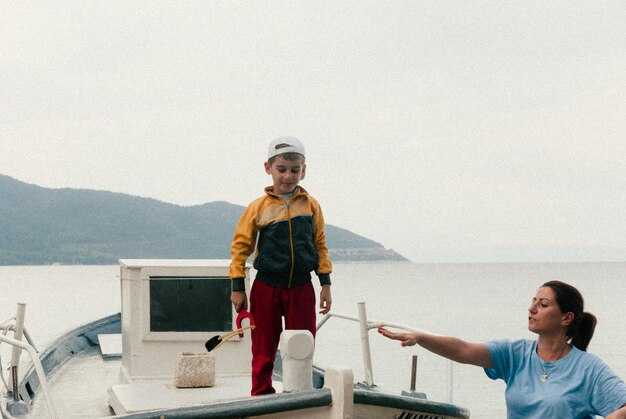
Plan short hops of 2–4 hours between sheltered anchorages, aiming to reach a marina or calm place before lunch. Choose days with steady wind around 8–12 knots and small waves, and stay off fast routes whenever possible. If a crossing looks rough, shorten the leg and reposition toward a nearby cove while you regroup.
Create a simple, repeatable routine you can follow every day: pre-check weather and tide, secure the lifejacket for kids, check the line and winch, include a quick snack, and assign a small task to each traveller. Use this structure whilst underway to reduce surprises and to let the kids feel secure.
Build shore time into each leg: plan 1–2 hours on land for a walk, a playground visit, or a quick shore-cleanup. This helps childrens needs by giving them space to move, observe kinds of sea life, and simply be in a different place.
Gear check: ensure lifejacket fits everyone, keep a spare on deck, and attach a durable line for docking. If you bought a mahina lifejacket or other gear, verify fit before departure and test it in the marina’s calm water.
Travelling with kids means packing compact activities: a few small books, chalk, cards, and a nature guide. Bring books for calm moments and the occasional fish-spotting page. On calm days you can literally sit with the kids watching waves and the ocean, sometimes spotting dolphins at a distance.
On marina days, plan for hydrated water, snacks, and a shaded rest area. Use a simple checklist to confirm water, electricity, and waste stations are available. Keep a light bag with essentials to avoid overpacking. This plan meant to reduce stress by keeping kids engaged.
This approach will make travelling with kids smoother and lets you become more confident at sea. Keep notes in a small log and gradually adjust hops as the crew grows. This plan will allow you to adjust hops as needed.